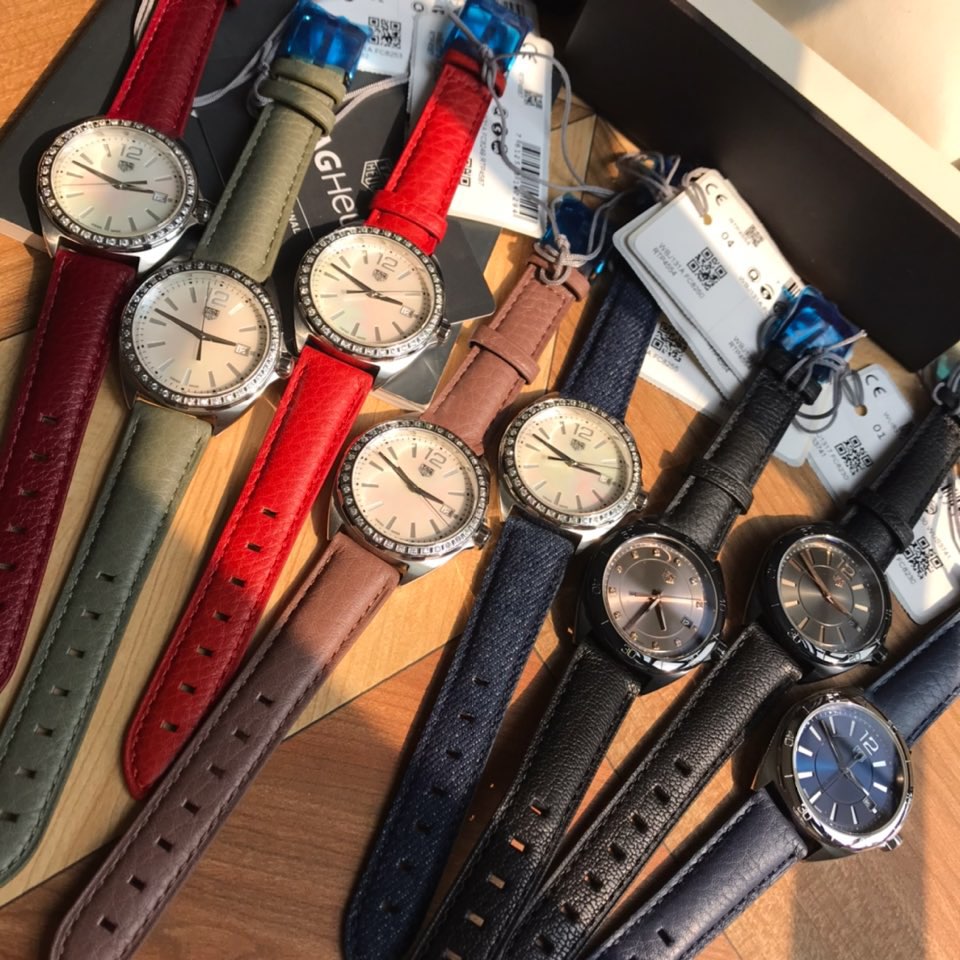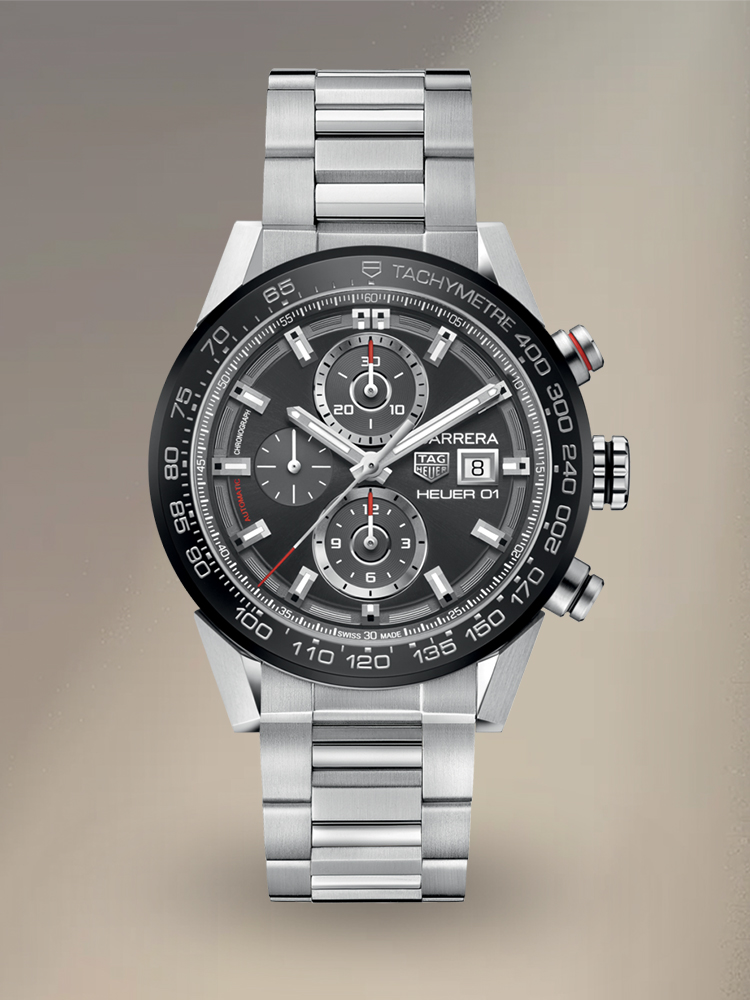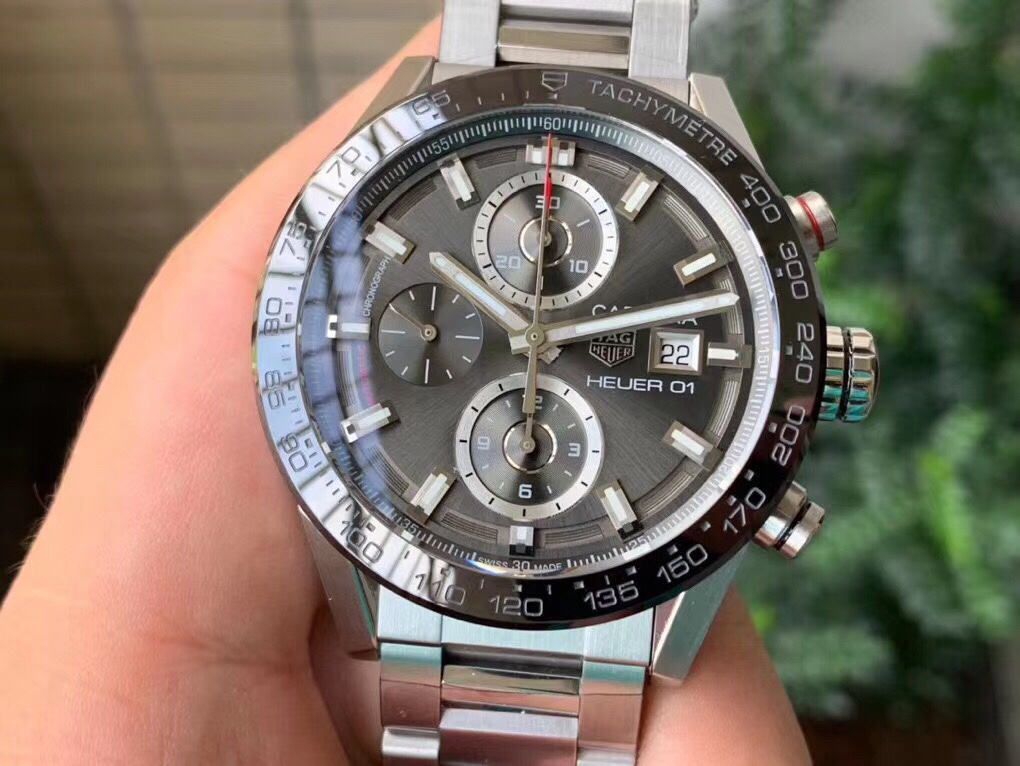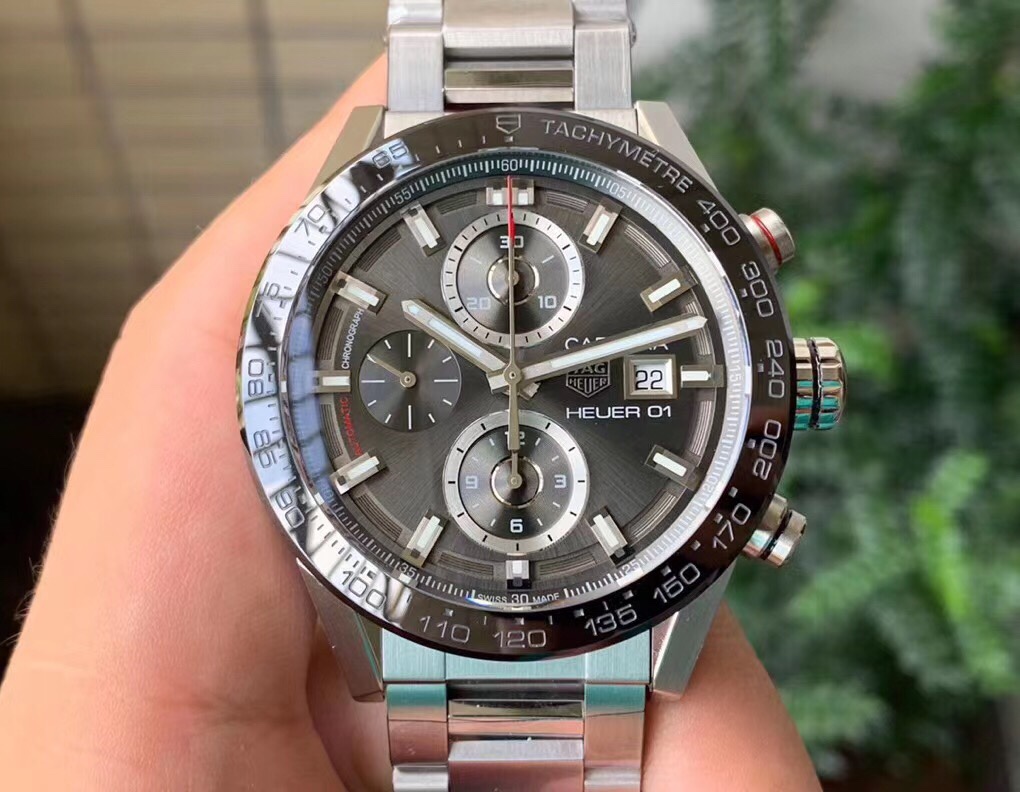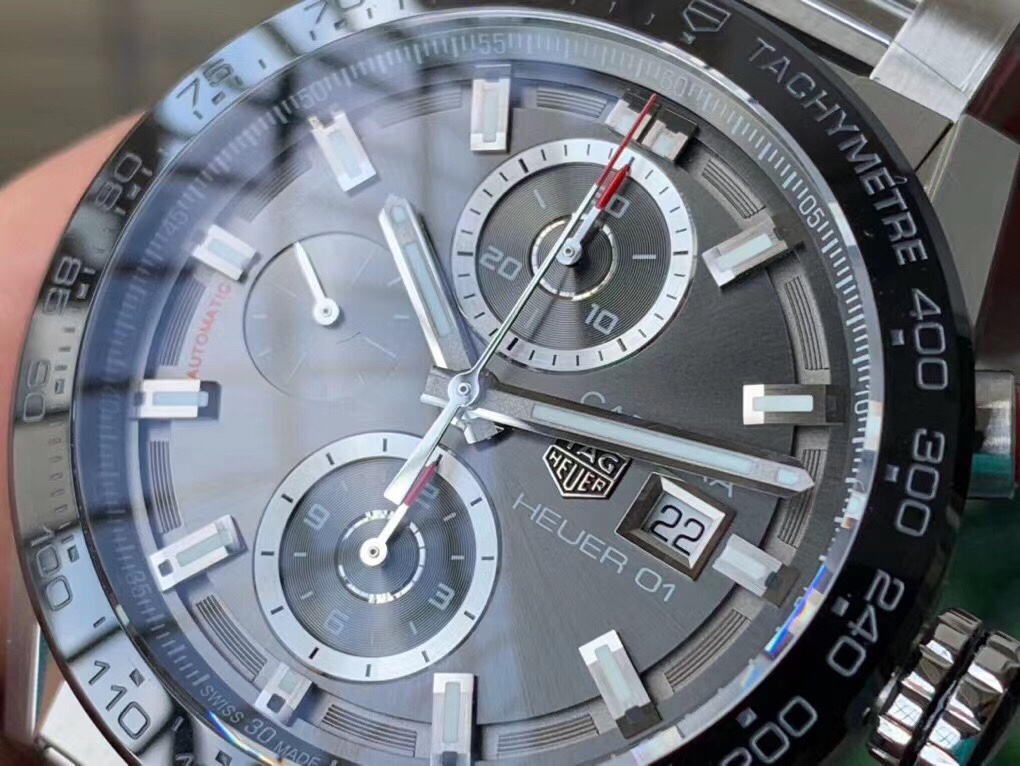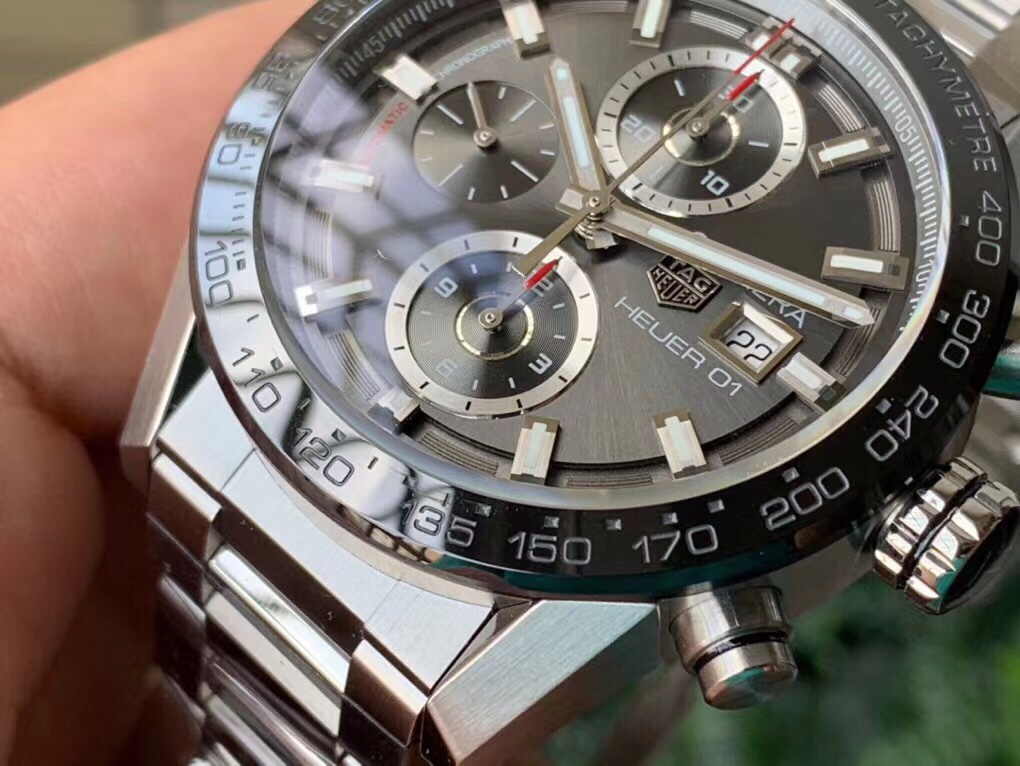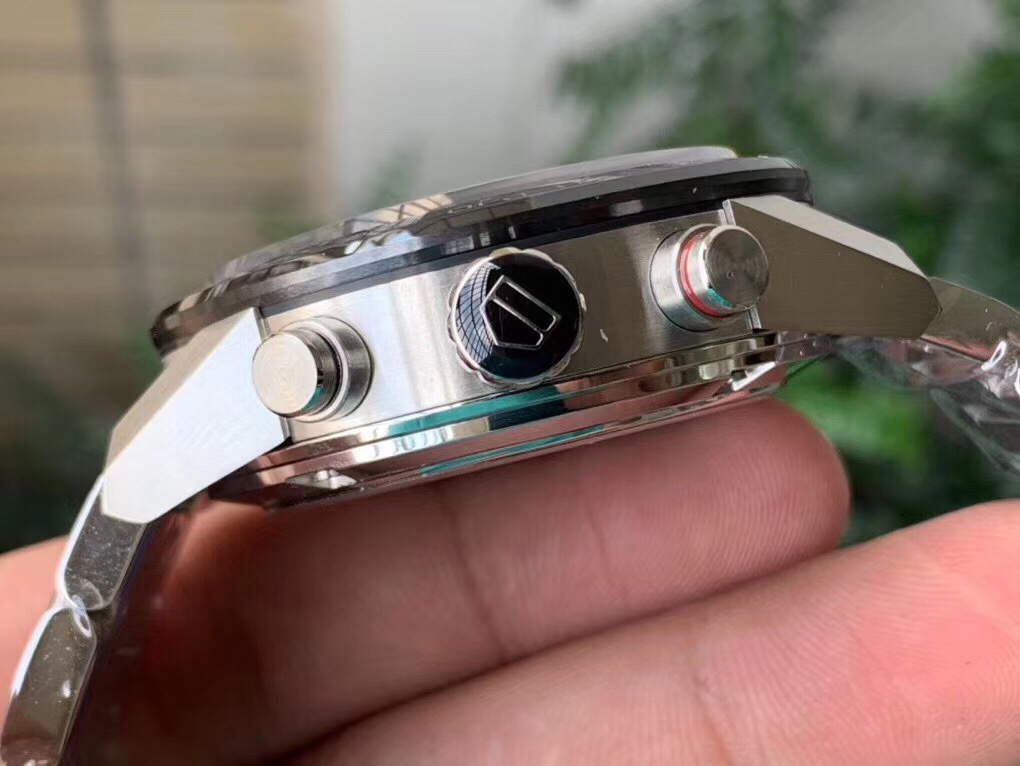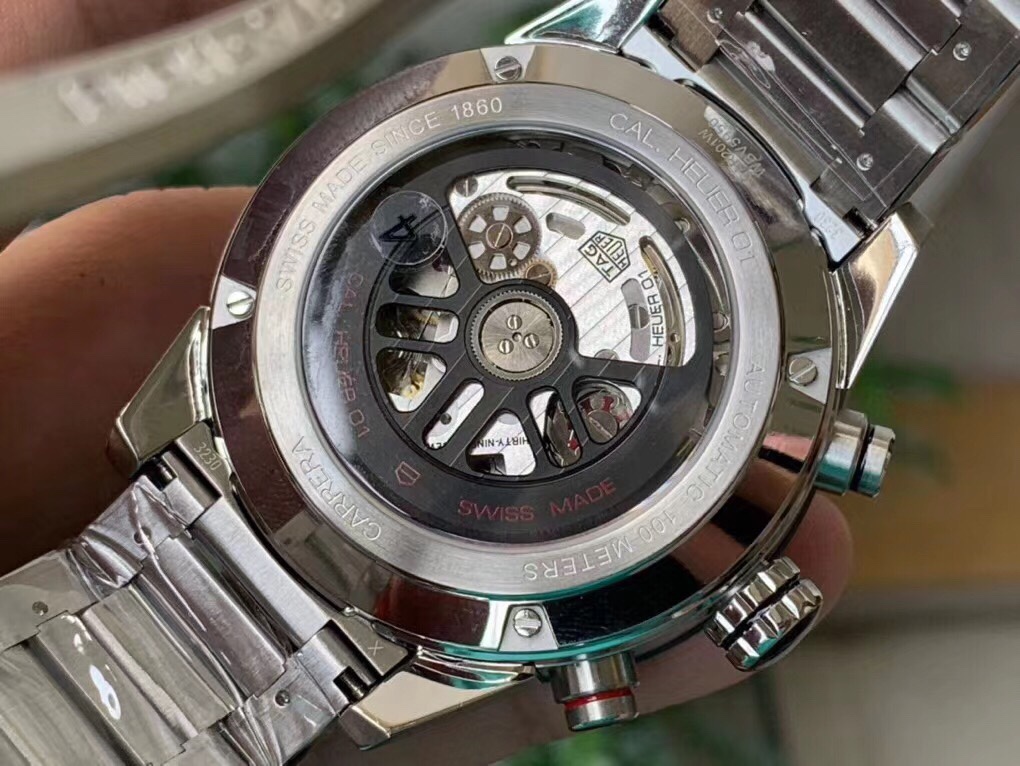

The replica watch industry has evolved noticeably from 2022 to 2026. While no version has achieved perfect 1:1 status, batch consistency, craftsmanship refinement, and daily usability have seen measurable progress.
This structured 2022 vs 2026 replica comparison examines what actually changed — not in marketing language, but in finishing consistency, mechanical behavior, and real-world wear performance. Using several mainstream TAG Heuer replica references as practical examples, we focus on improvements users can genuinely notice on the wrist.
Quick Comparison Summary
Before going deeper, here is a concise overview of what changed between 2022 and 2026.
What Improved
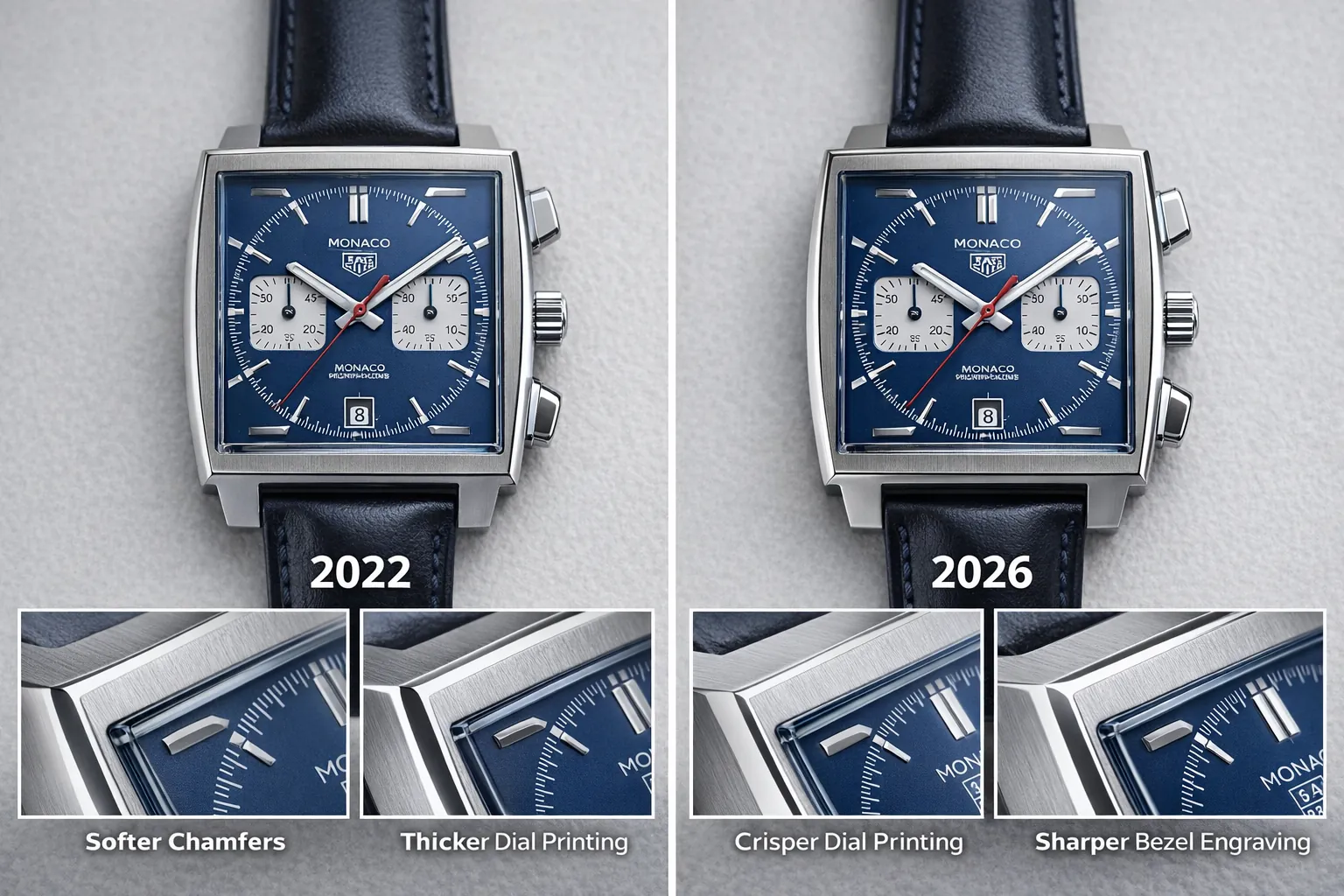
- Sharper dial printing and more precise bezel engraving
- More consistent AR coating clarity in daylight
- Tighter bracelet-to-case integration
- More refined chronograph pusher feedback
- Reduced batch-to-batch variation in stable production lines
What Stayed Similar
- Core movement platforms in most mainstream models
- Overall case dimensions
- Fundamental daily accuracy expectations
- Water-resistance limitations
What Still Depends on Batch
- Rotor acoustic behavior
- Long-term power reserve stability
- Lume aging pattern
- Chronograph reset smoothness in high-volume runs
A realistic 2022 vs 2026 replica comparison shows refinement in details rather than a complete mechanical redesign.
Overall Industry Trends (2022 → 2026)
Between 2022 and 2026, several measurable trends emerged:
- Batch stability improved in mature production lines
- Visual details became more consistent across units
- Assembly workflow became more standardized
- QC interception rates in stable lines typically narrowed toward the 96–99% range
However, faster iteration cycles in 2026 also mean some newer batches require real-world validation before being considered fully mature.
Understanding how version maturity works is important when evaluating long-term reliability. We explored this in detail in our guide on Movement Stability in Replica Watches Explained, where rotor behavior, amplitude consistency, and daily power patterns are analyzed from a wear perspective.
Structural Comparison Table
| Area | 2022 | 2026 | Verdict |
|---|---|---|---|
| Case Proportions | Stable dimensions, softer chamfers | Sharper chamfers, closer spec finishing | Visual refinement improved |
| Dial Printing | Slightly thicker fonts in some runs | Cleaner micro-printing, finer minute tracks | Clear micro-detail gain |
| Bezel Execution | Balanced but softer engraving | Crisper numerals, sharper edges | Engraving precision improved |
| AR Coating | Moderate tint, some glare | More neutral tone, better daylight clarity | Optical clarity improved |
| Movement Stability | Proven in mature batches | Slight refinement but batch-dependent | Stability still validation-based |
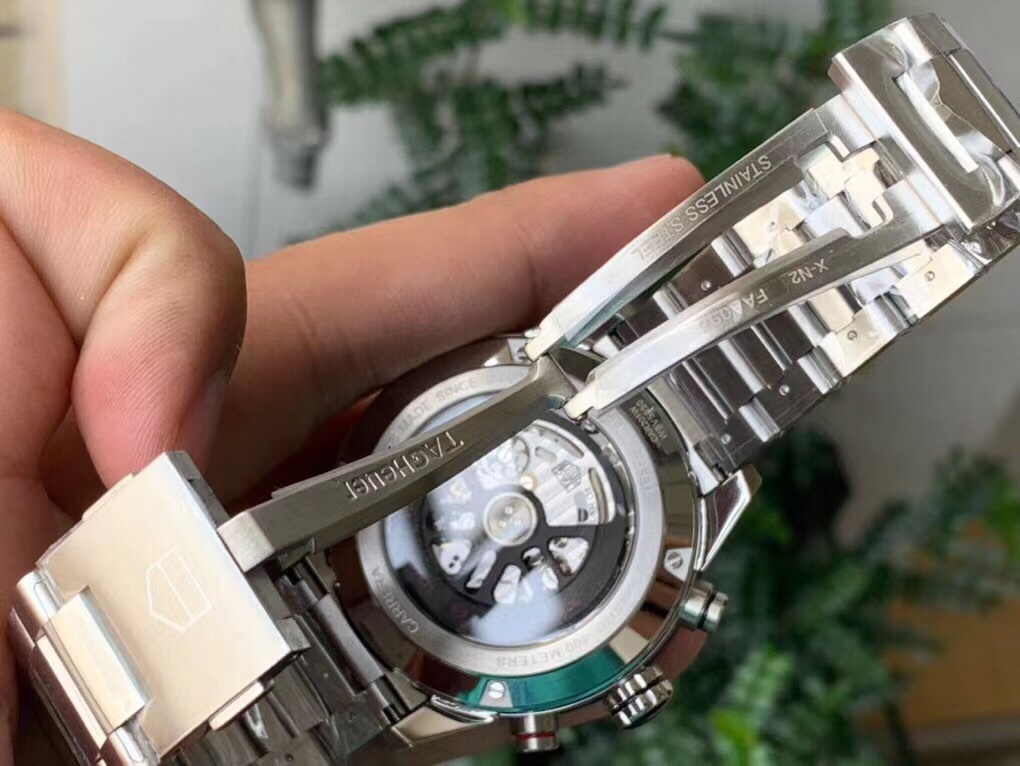
| Bracelet Integration | Functional, occasional looseness | Tighter tolerances, reduced rattle | Noticeable wear improvement |
| Chronograph Feedback | Acceptable, sometimes soft | Crisper click, cleaner reset | Functional feel improved |
This table highlights that improvements are concentrated in finishing precision and tactile experience.
1. Aquaracer Professional 300 (41mm / 43mm)
2022 Batches
- Ceramic bezel printing occasionally showed soft edges
- Bracelet-to-case connection sometimes felt slightly loose
- Lume application was even but faded faster
- Typical automatic accuracy ranged ±15–25 seconds/day
2026 Batches
- Bezel gloss appears more uniform and natural
- Bracelet articulation feels tighter and better balanced
- Lume layers appear cleaner and visually brighter
- Accuracy more often sits in the ±10–18 s/day range
What Changed on Wrist
The 2026 Aquaracer feels more balanced and cohesive. Weight distribution improved, and bezel reflection looks more authentic under daylight.
If you want a deeper understanding of how case thickness, lug shape, and wrist presence influence perceived refinement, our breakdown in Replica Watch Proportions Explained (https://www.tagheuerreplica.io/blog/replica-watch-proportions-explained-case-thickness-lugs-and-wrist-presence) explains how structural geometry affects daily comfort and visual balance.
2. Formula 1 Chronograph (CAZ101x Series)
2022 Batches
- Pushers sometimes felt soft or uneven
- Bezel rotation occasionally gritty
- Chronograph reset produced noticeable mechanical noise
- Batch variation was visible between runs
2026 Batches
- Crisper pusher feedback with defined resistance
- Smoother bezel action
- Cleaner reset behavior with reduced hand twitch
- Fewer functional outliers across batches
Functional Improvement
The chronograph experience shifted from “acceptable” to more satisfying in daily timing use. This is one of the clearest refinements in the 2022 vs 2026 replica comparison.
3. Carrera Chronograph Glassbox (CBN / CBS Series)
2022 Batches
- Box sapphire occasionally showed slight coating inconsistency
- Sub-dial spacing appeared compressed on some units
- Chamfer transitions looked abrupt under angled light
- Winding resistance felt comparatively light
2026 Batches
- Crystal coating uniformity improved noticeably
- Sub-dial proportions feel more harmonious
- Smoother brushing-to-polish transitions
- More deliberate winding feel
Visual Sophistication
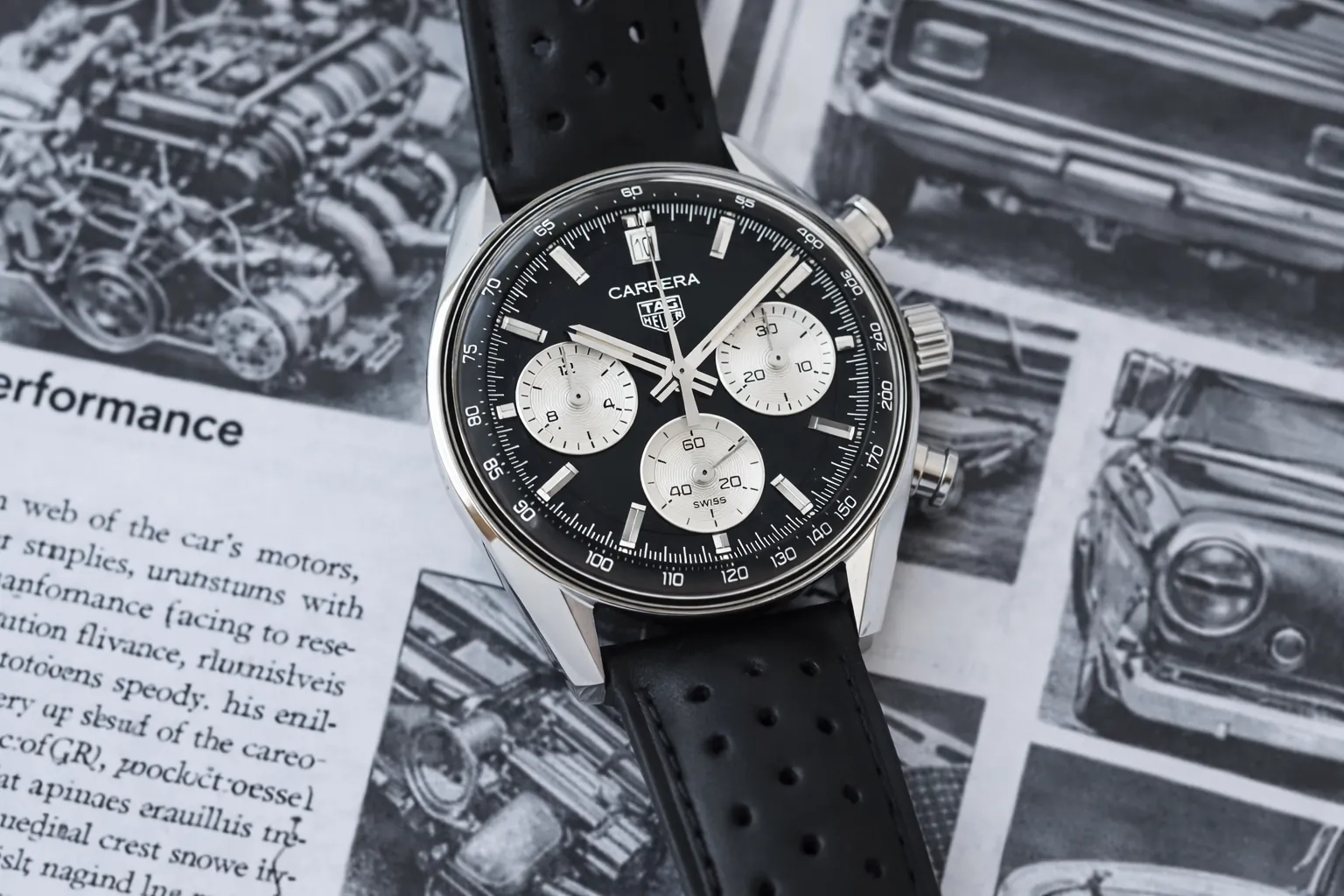
Under natural light, the 2026 Glassbox projects stronger dial calmness and depth. AR performance and finishing transitions contribute to a more refined presence.
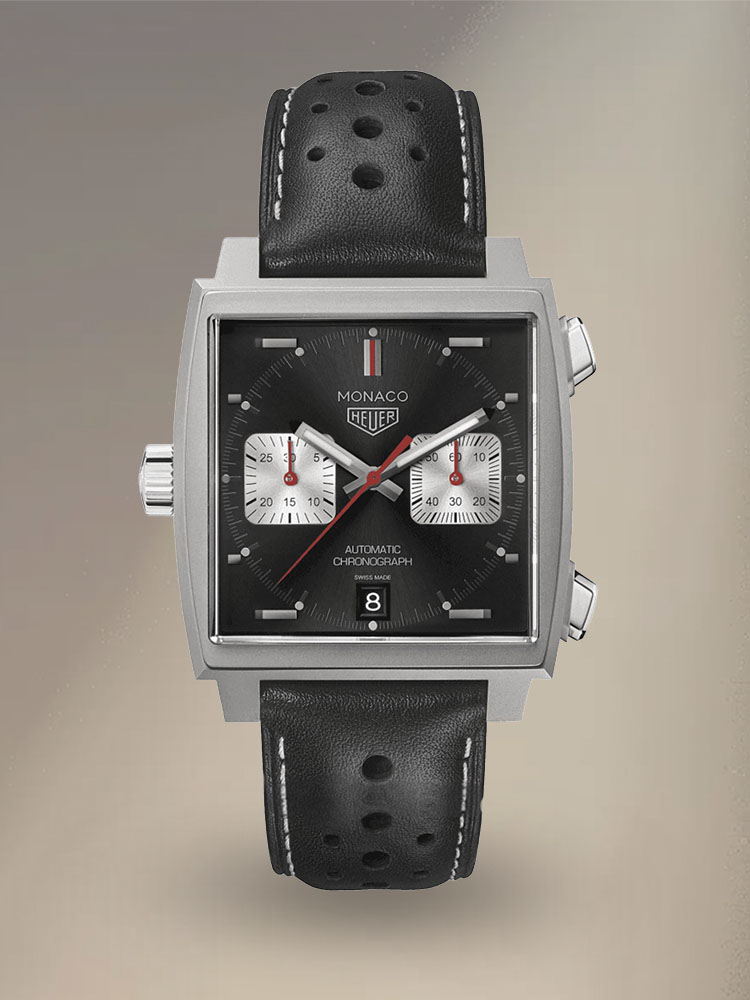
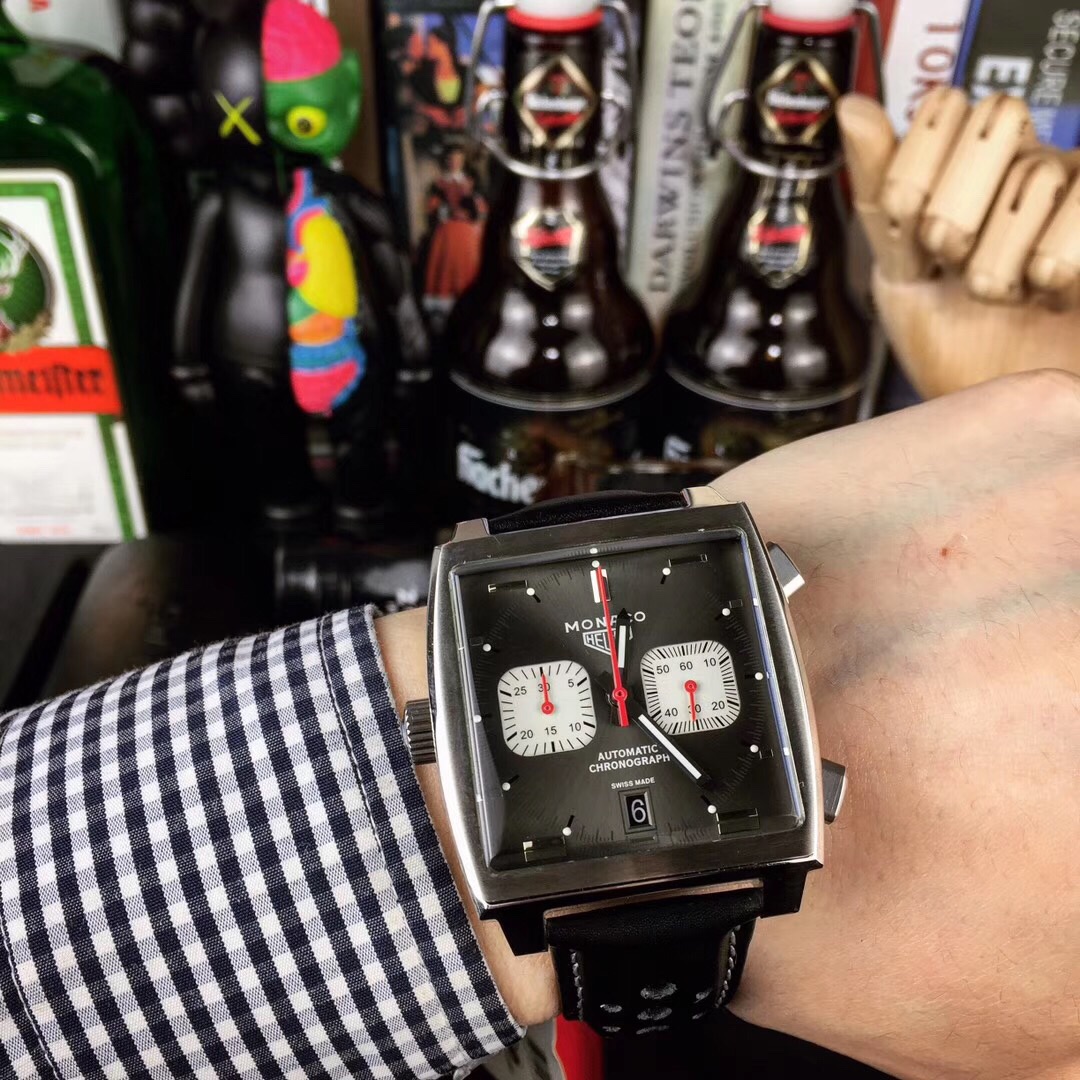
4. Monaco Chronograph (CBL Series)
2022 Batches
- Case brushing direction varied slightly
- Pushers showed minor lateral play
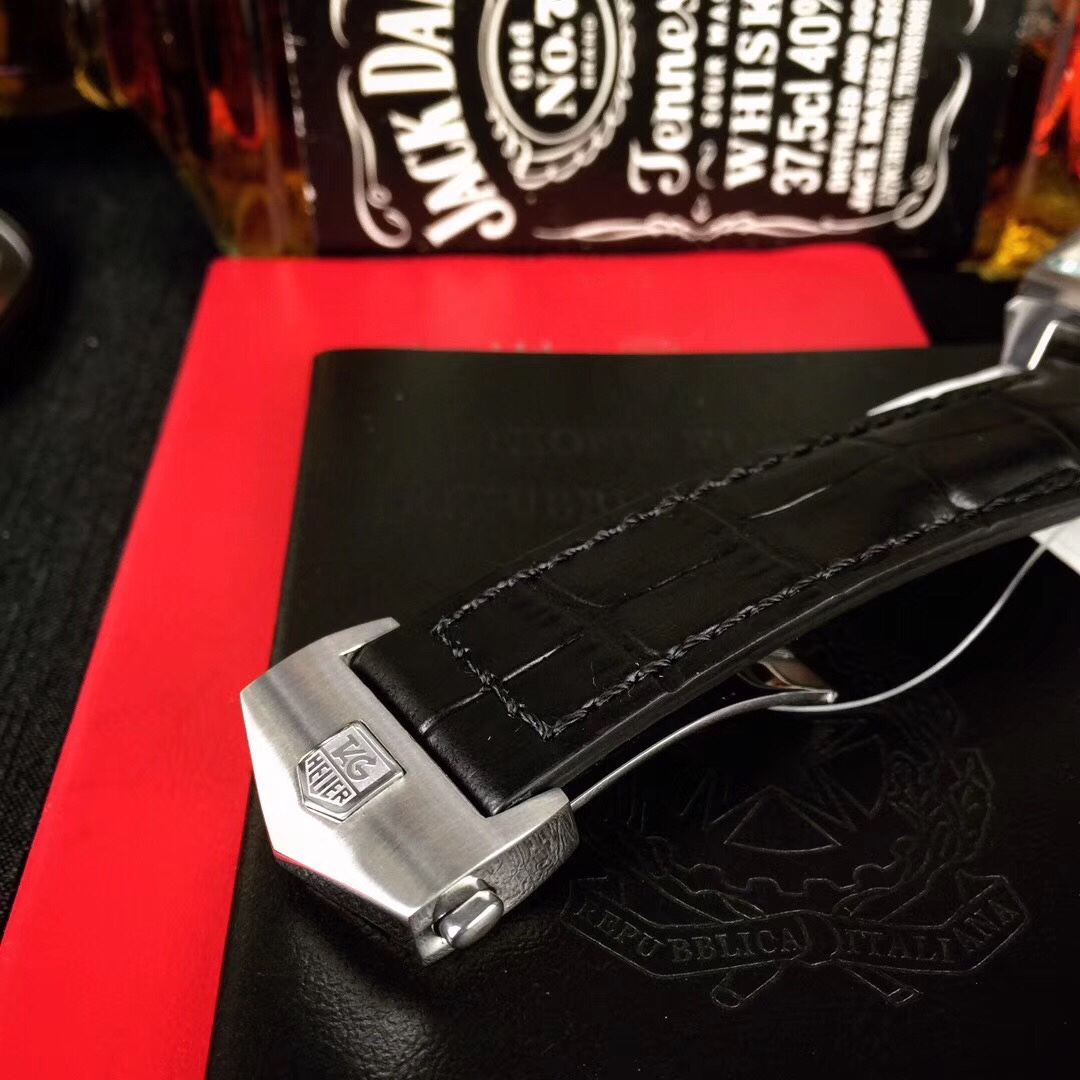
- Strap integration occasionally left small lug gaps
- Lume edges appeared slightly rough under magnification
2026 Batches
- Sharper square case edges
- More consistent brushing direction
- Firmer pusher snap
- Cleaner dial printing boundaries
Collector Perspective
Later Monaco batches feel more structurally cohesive. The iconic square case benefits from improved finishing precision, especially along edges and chamfers.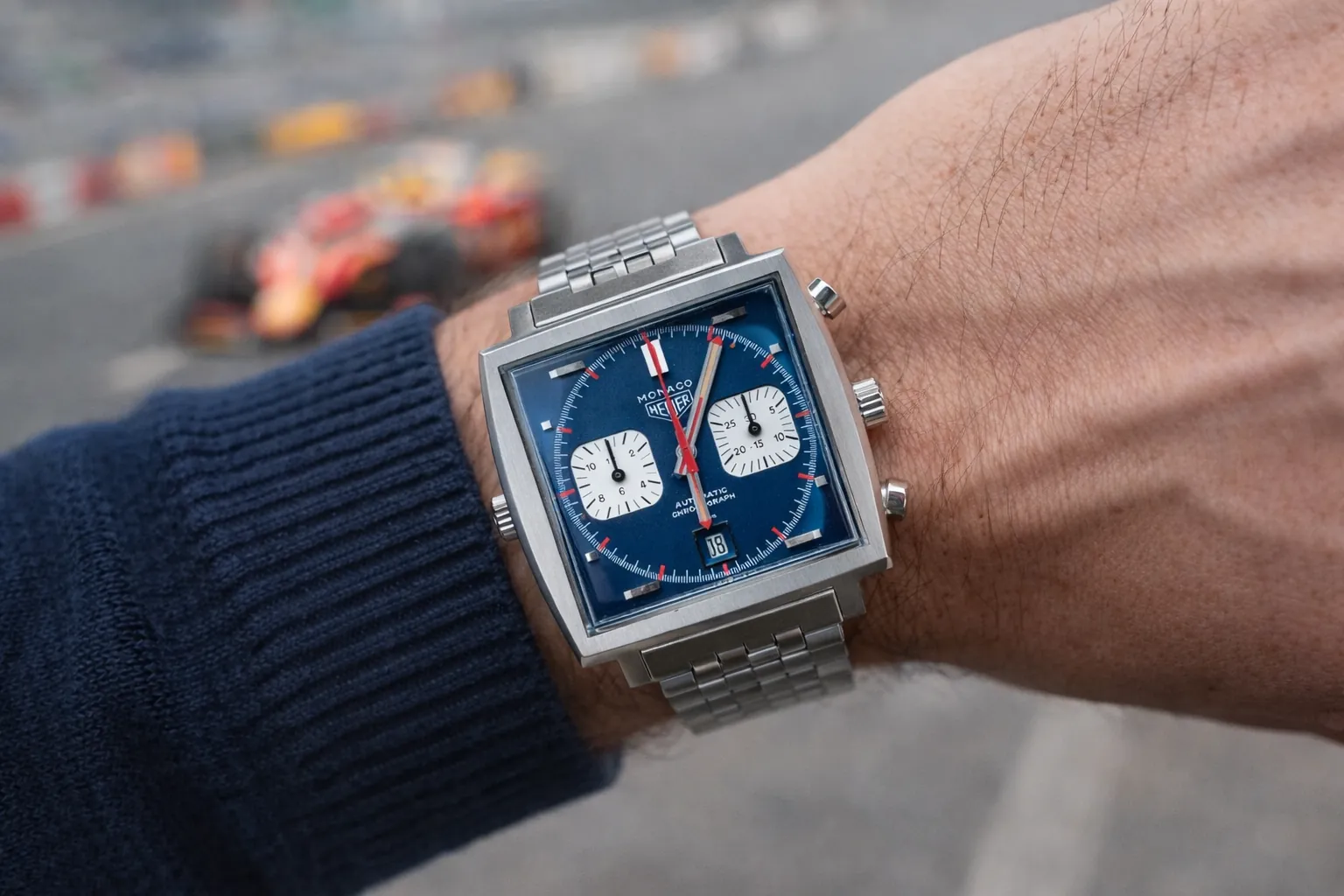
Finishing and Material Refinement
Across models, finishing changes between 2022 and 2026 include:
2022
- Balanced brushing grain
- Softer polish contrast
- Predictable aging pattern
- Slightly less aggressive chamfer definition
2026
- Higher contrast between brushed and polished surfaces
- Sharper engraving definition
- More refined bezel numerals
- Cleaner bracelet integration
Sharper finishing increases visual realism, but it can also highlight small inconsistencies if quality control is not stable.
Movement Behavior: Refinement vs Validation
It is important to note that movement architecture did not fundamentally change between 2022 and 2026 in most mainstream models.
What improved:
- Slight refinement in chronograph reset alignment
- More consistent date change timing
- Subtle adjustments in rotor weight distribution
What remains dependent on production maturity:
- Rotor acoustic consistency
- Power reserve stability
- Long-term amplitude behavior
When comparing versions, the key question is not only “what improved?” but also “how well has this batch been validated over time?”
For a structured framework on evaluating version maturity before choosing a batch, our article on How to Choose a Stable Replica Watch Version (Without Marketing Hype) provides a neutral checklist approach.
Interpretation Framework
When conducting a 2022 vs 2026 replica comparison, consider:
- Are improvements cosmetic or structural?
- Has the 2026 batch accumulated enough validation history?
- Do refinements affect daily comfort and wear behavior?
- Is finishing consistency improved without sacrificing mechanical stability?
General inspection standards and QC approach are outlined in Guarantee and Quality Control, which explains how finishing alignment, function testing, and stability checks are handled before shipment.
Final Assessment
A thorough 2022 vs 2026 replica comparison reveals evolution rather than transformation.
2026 replicas generally show:
- Sharper micro-finishing
- Improved optical clarity
- Cleaner dial execution
- Better tactile chronograph feedback
2022 replicas remain respected for:
- Proven batch stability
- Balanced finishing
- Validated mechanical consistency over time
The real distinction is not “better vs worse,” but:
More refined vs more validated.
Understanding this difference allows for rational evaluation instead of assuming that newer automatically means superior.