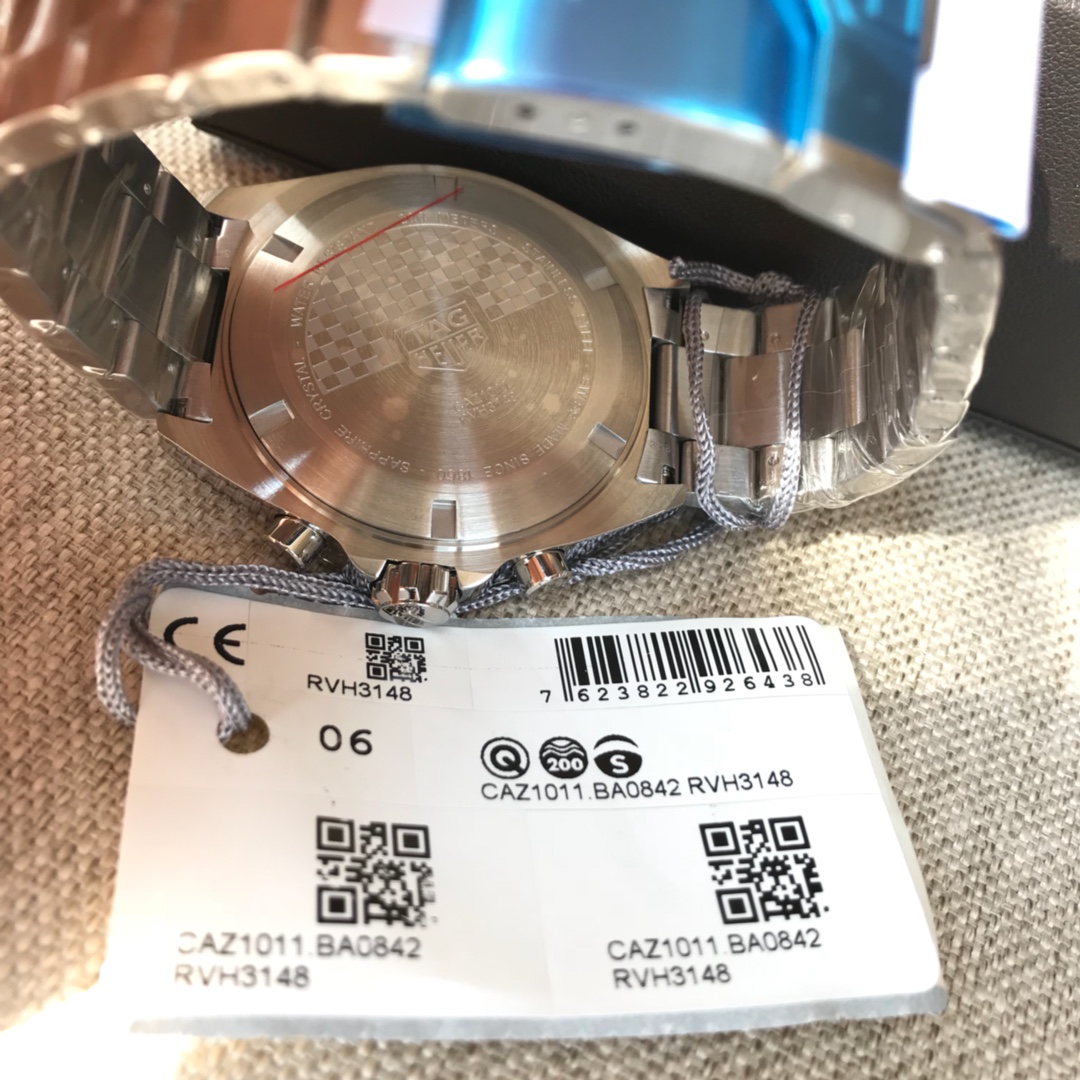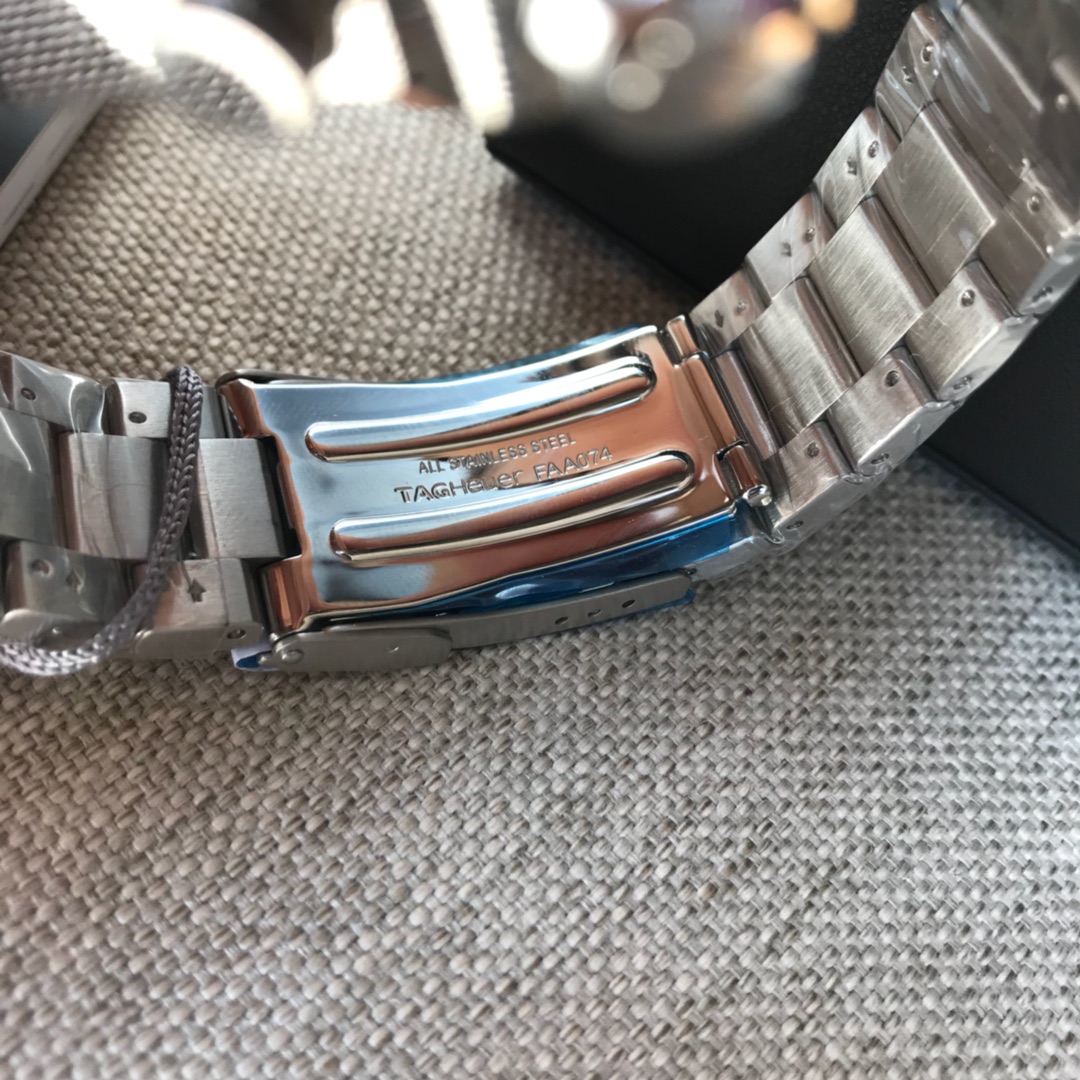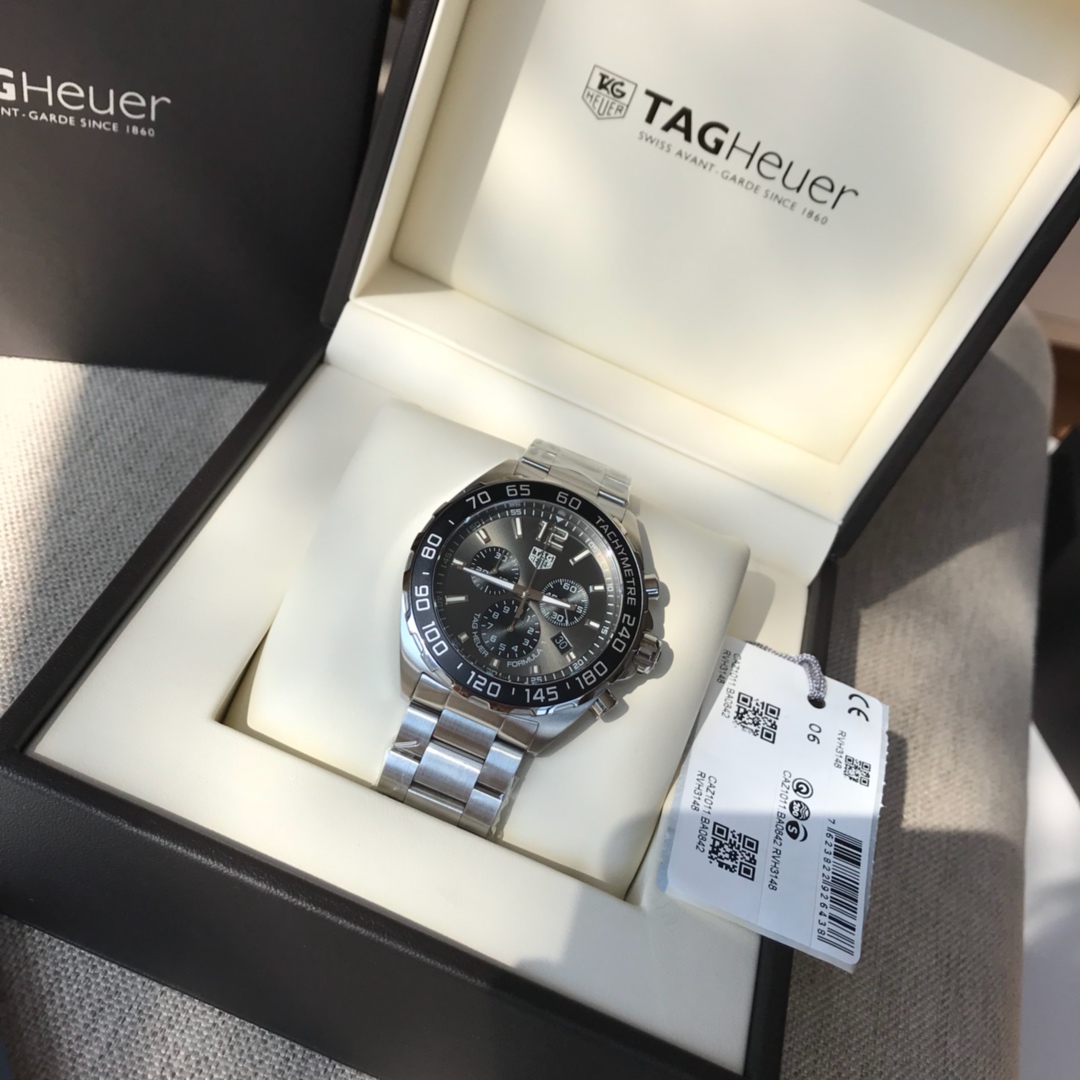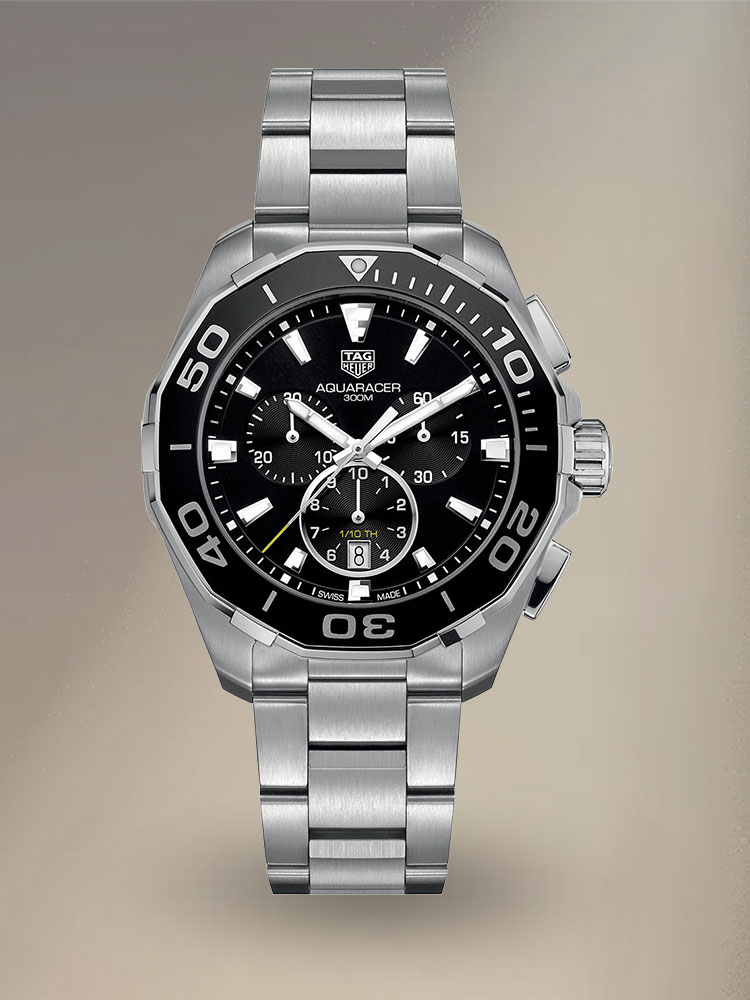
When collectors evaluate a watch, diameter is usually the first number discussed — 40mm, 41mm, 43mm.
However, diameter alone rarely determines how a watch actually wears.
In serious structural analysis, replica watch proportions explained must examine three interconnected dimensions:
- Case thickness (vertical axis)
- Lug-to-lug distance (horizontal span)
- Lug curvature and geometry (wrist integration)
These elements define wrist presence — the physical and visual space a watch occupies on the wrist.
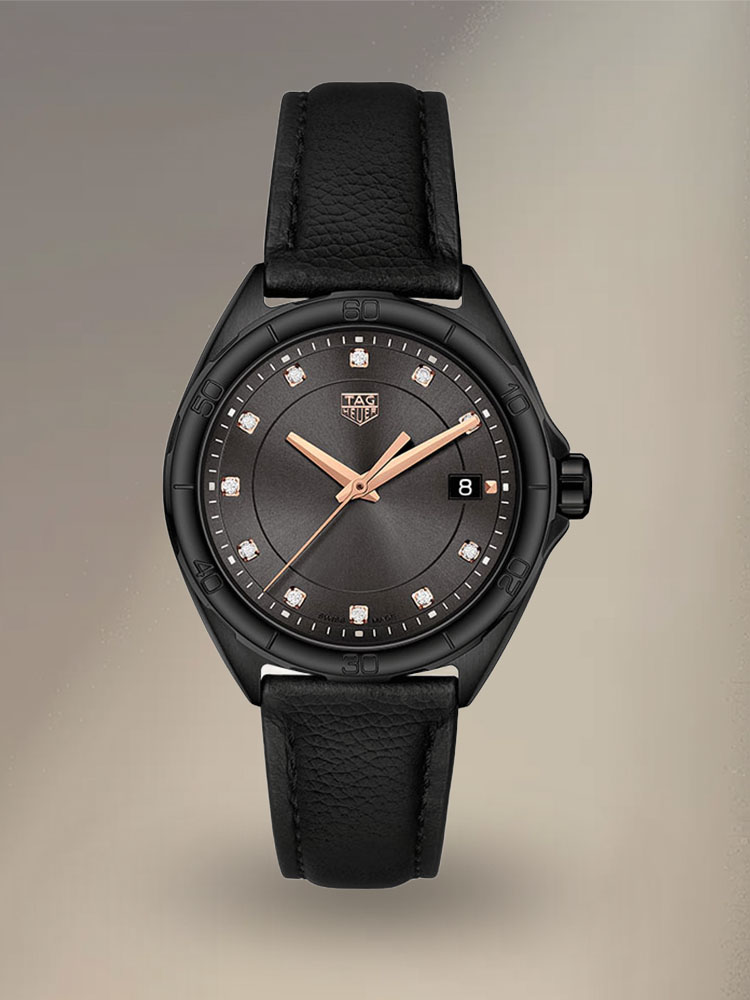
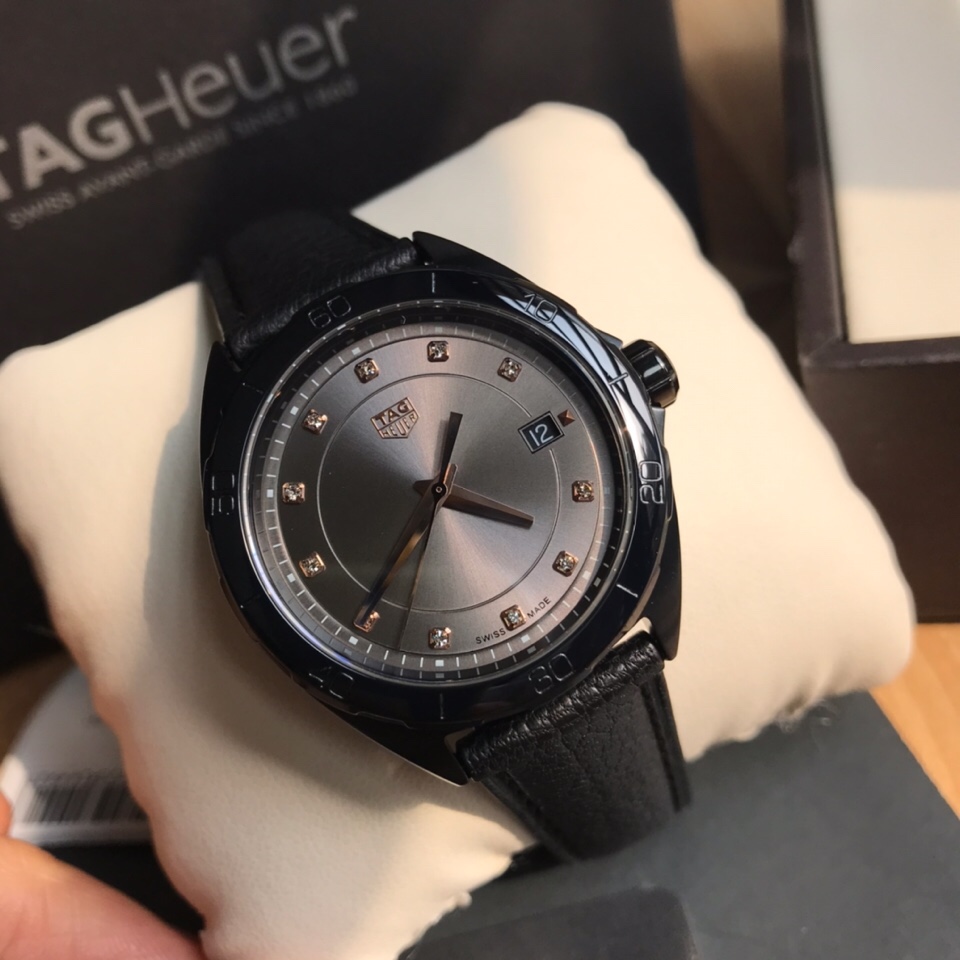
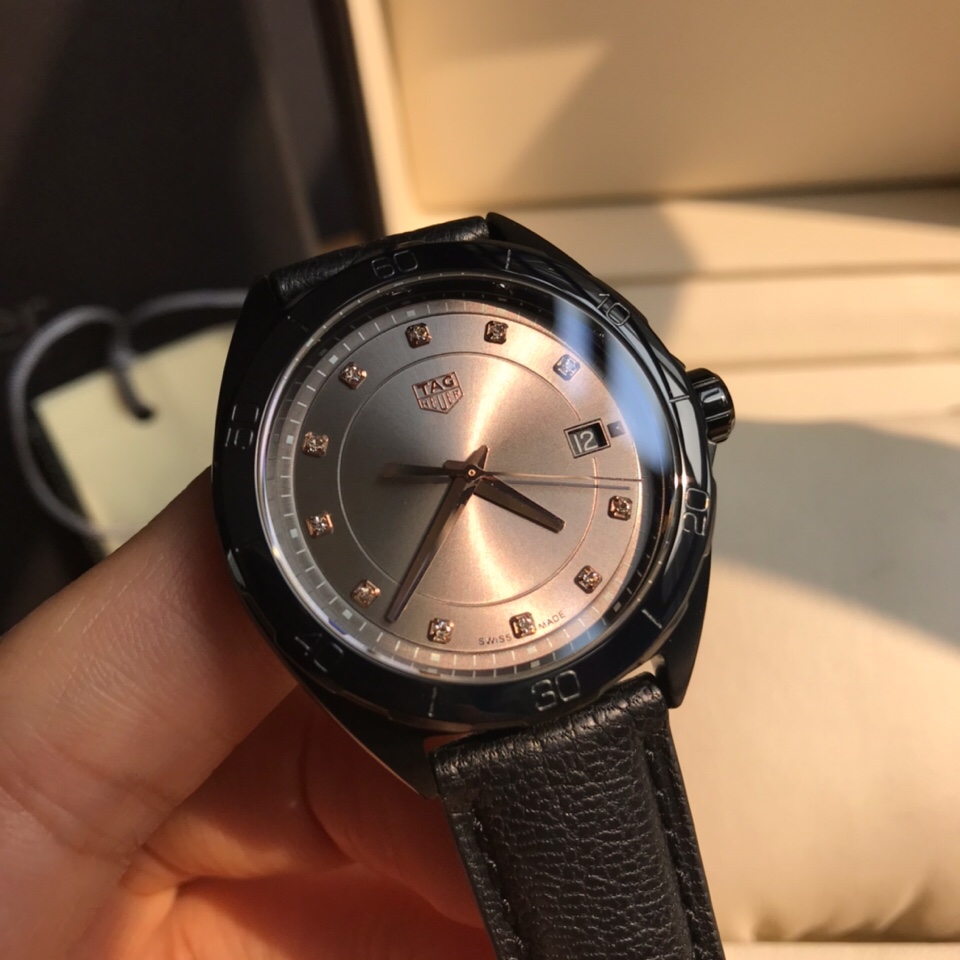
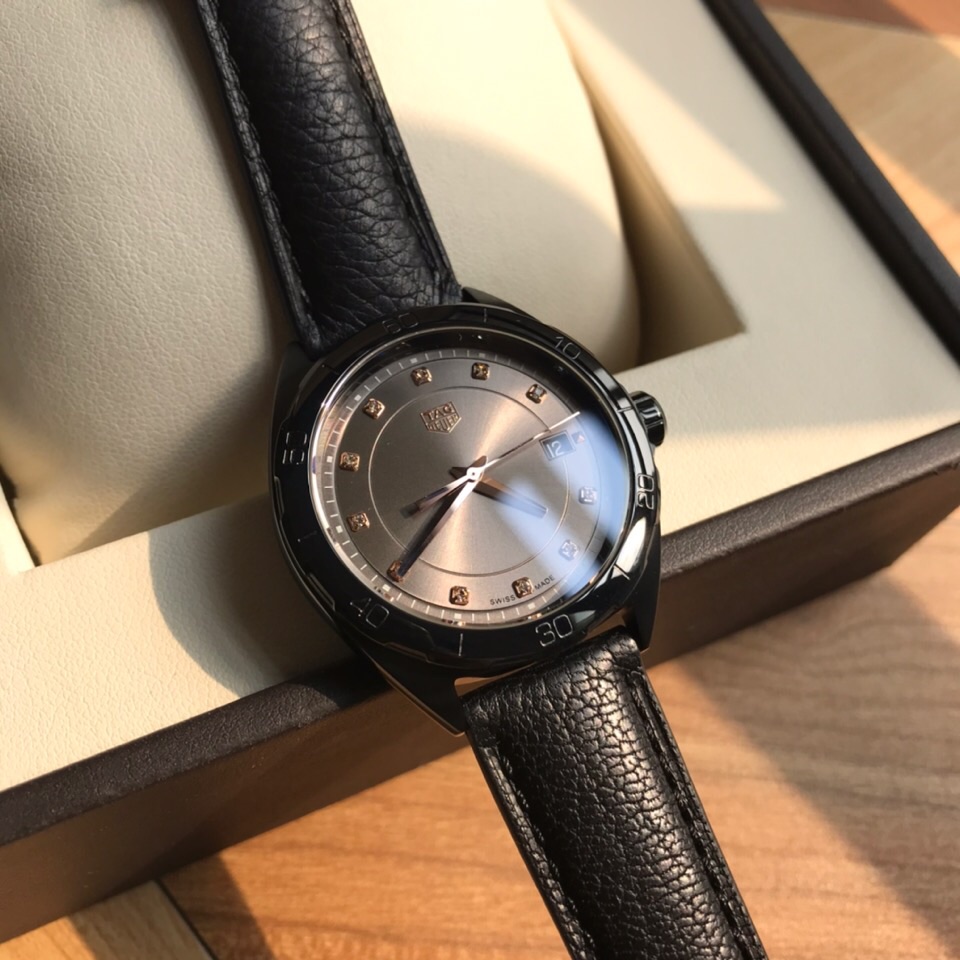
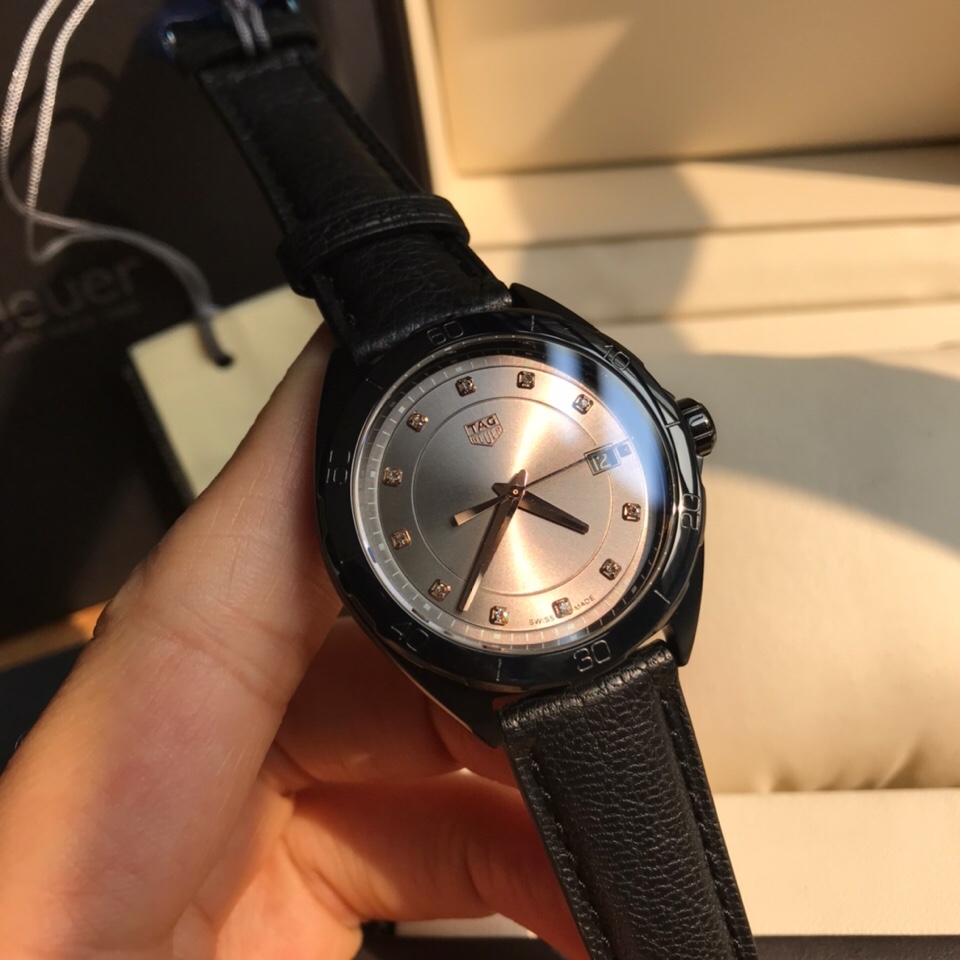
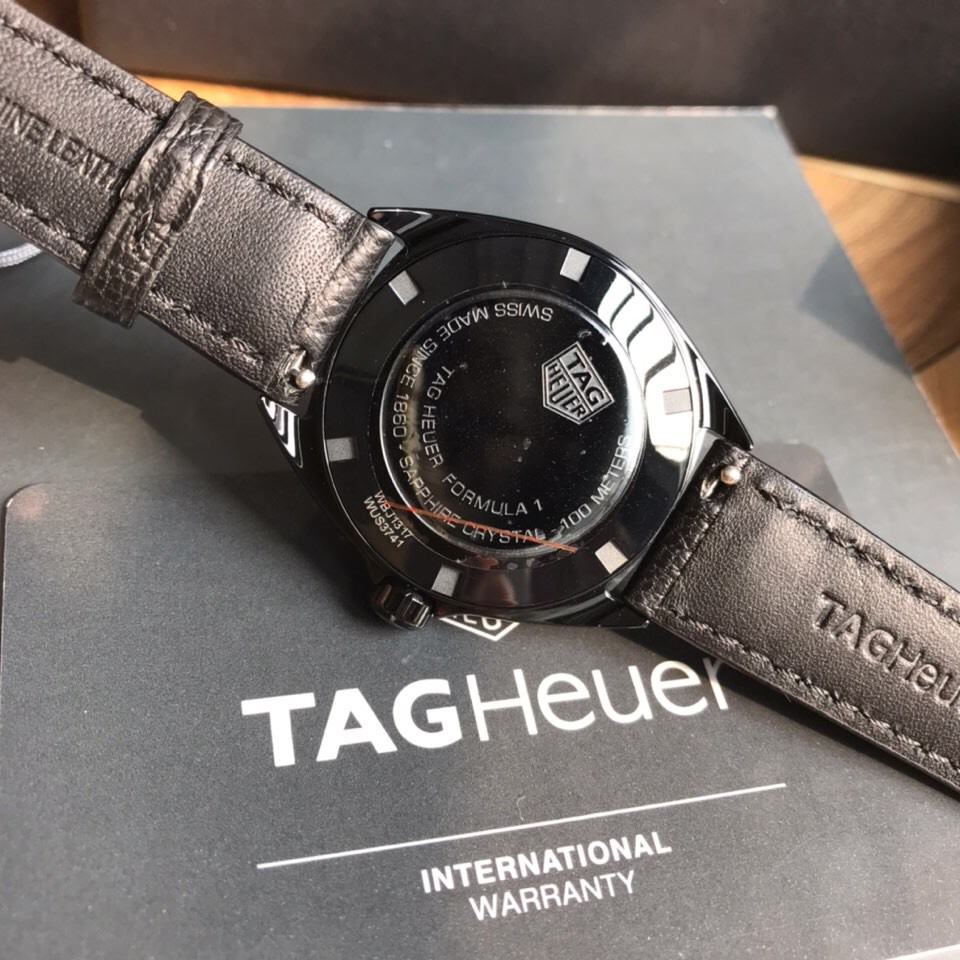
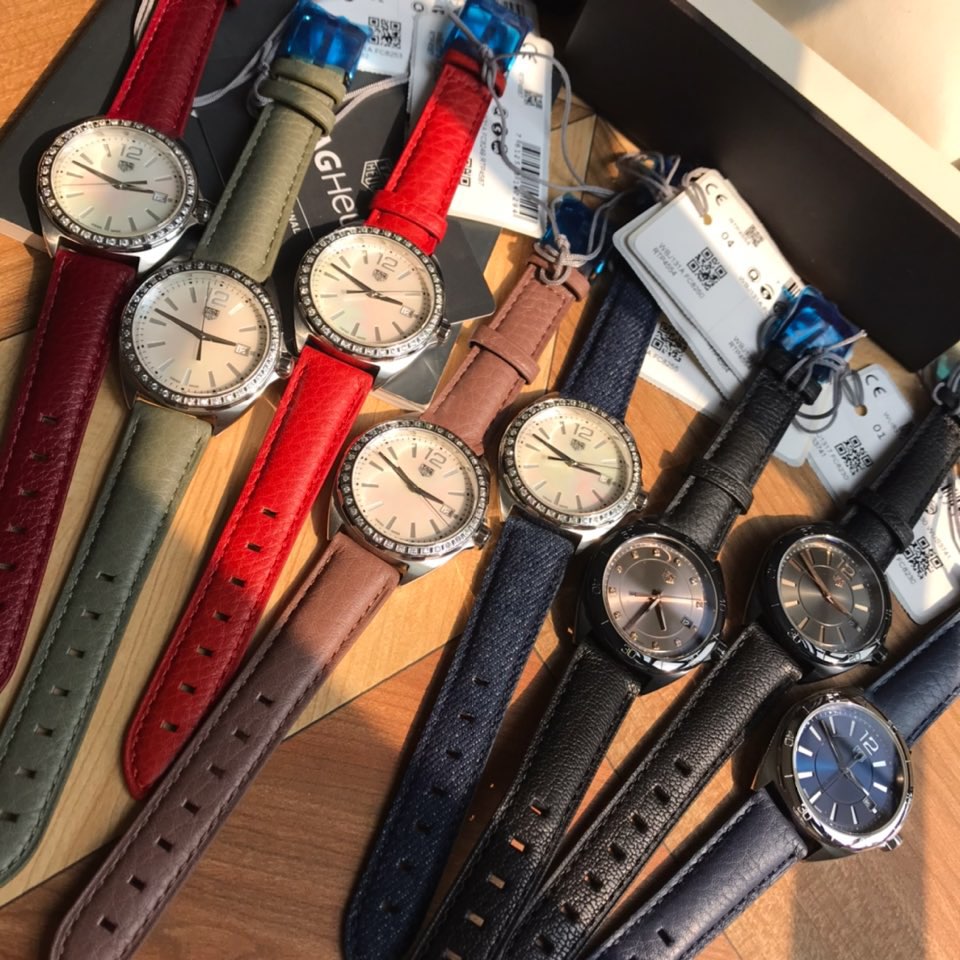
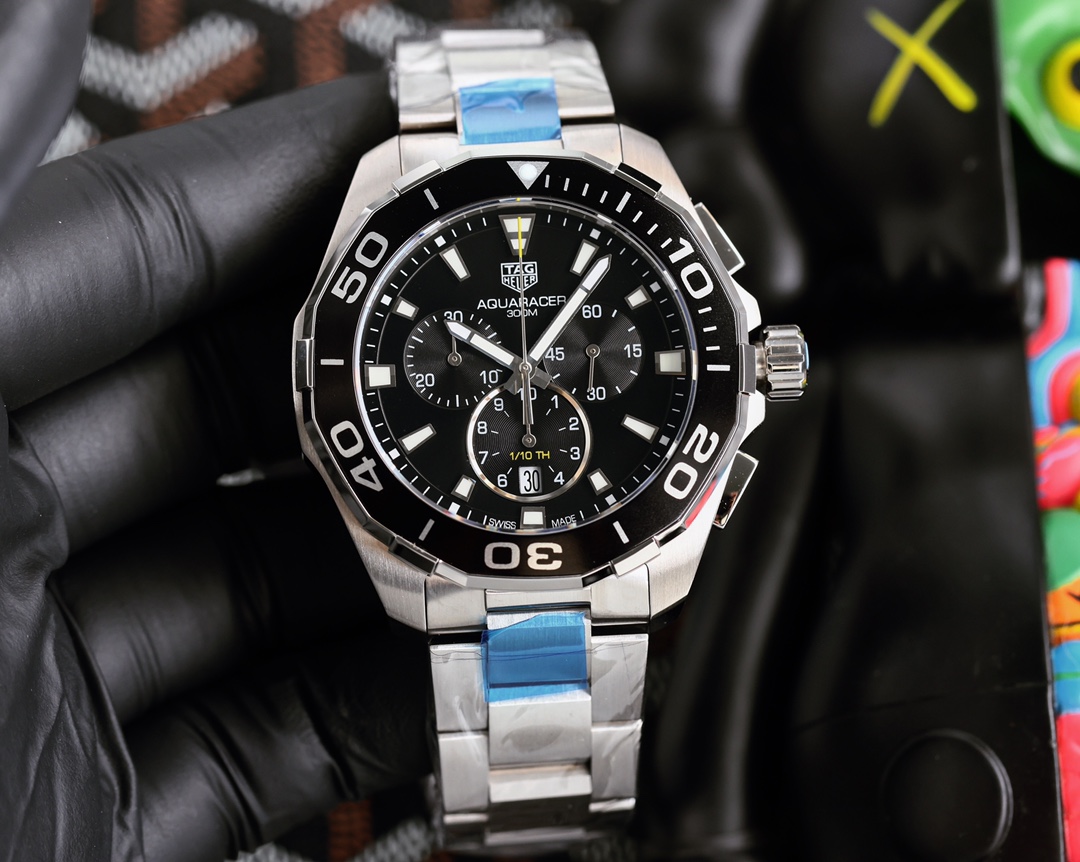
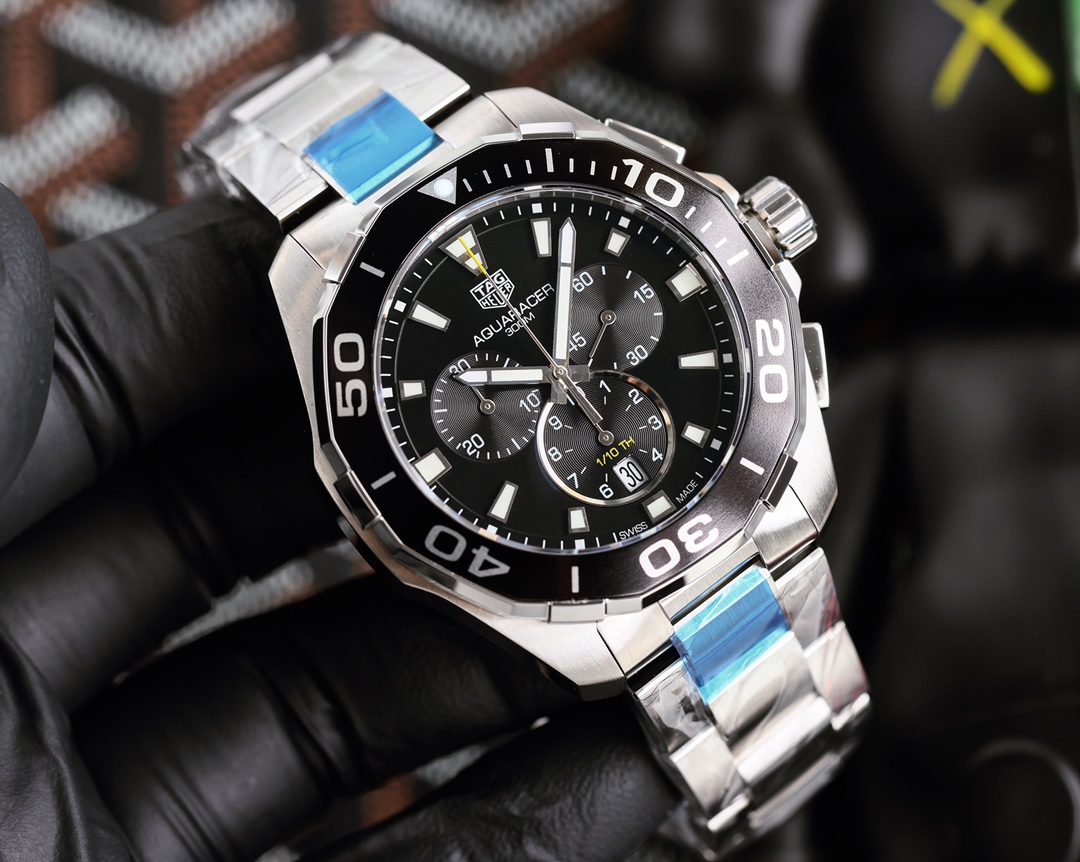
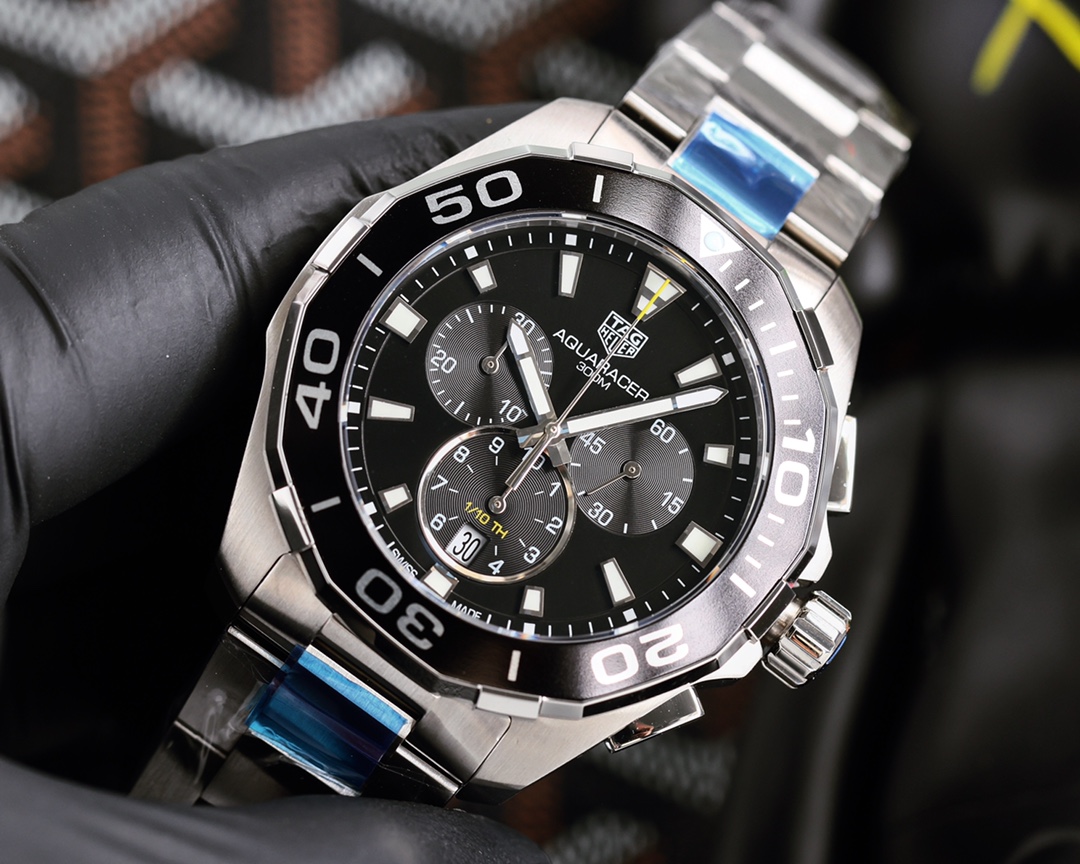
This guide provides a structural framework for understanding proportion, particularly in Tag Heuer replica sports models such as Aquaracer, Carrera, Monaco, and Formula 1.
Why Proportions Matter More Than Diameter
Diameter is a flat measurement. Wrist presence is three-dimensional.
A watch’s perceived size depends on:
- Case thickness – adds vertical mass
- Lug-to-lug distance – determines wrist coverage
- Lug shape and curvature – controls wrap and balance
A 43mm watch with short lug-to-lug and slim profile can wear smaller than a 39mm case with long, flat lugs and excess thickness.
In replica production, even small dimensional deviations — such as +1–2mm thickness or +2–3mm lug extension — can alter perceived size and comfort significantly.
Understanding this structural relationship is central to replica watch proportions explained at a professional level.
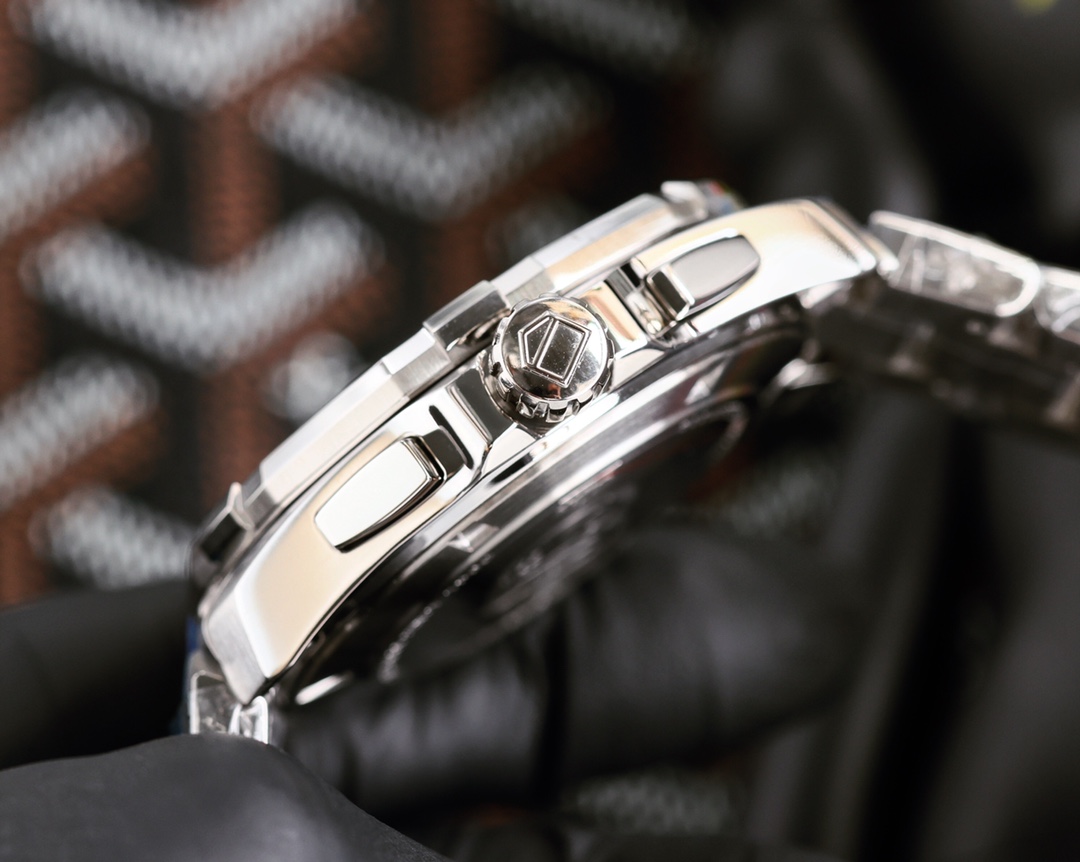
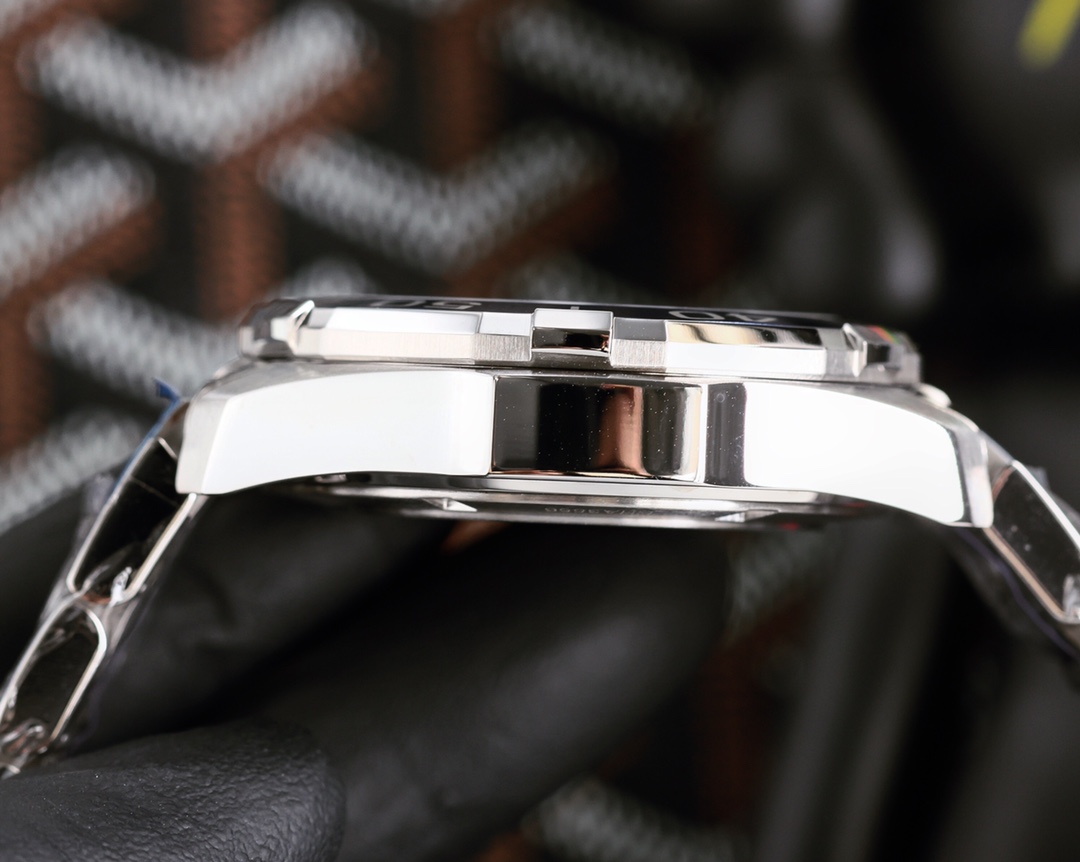
Case Thickness: The Z-Axis Impact
Thickness is measured from crystal surface to caseback base.
It is the most underestimated dimension in watch proportion analysis.
How Thickness Changes Perceived Size
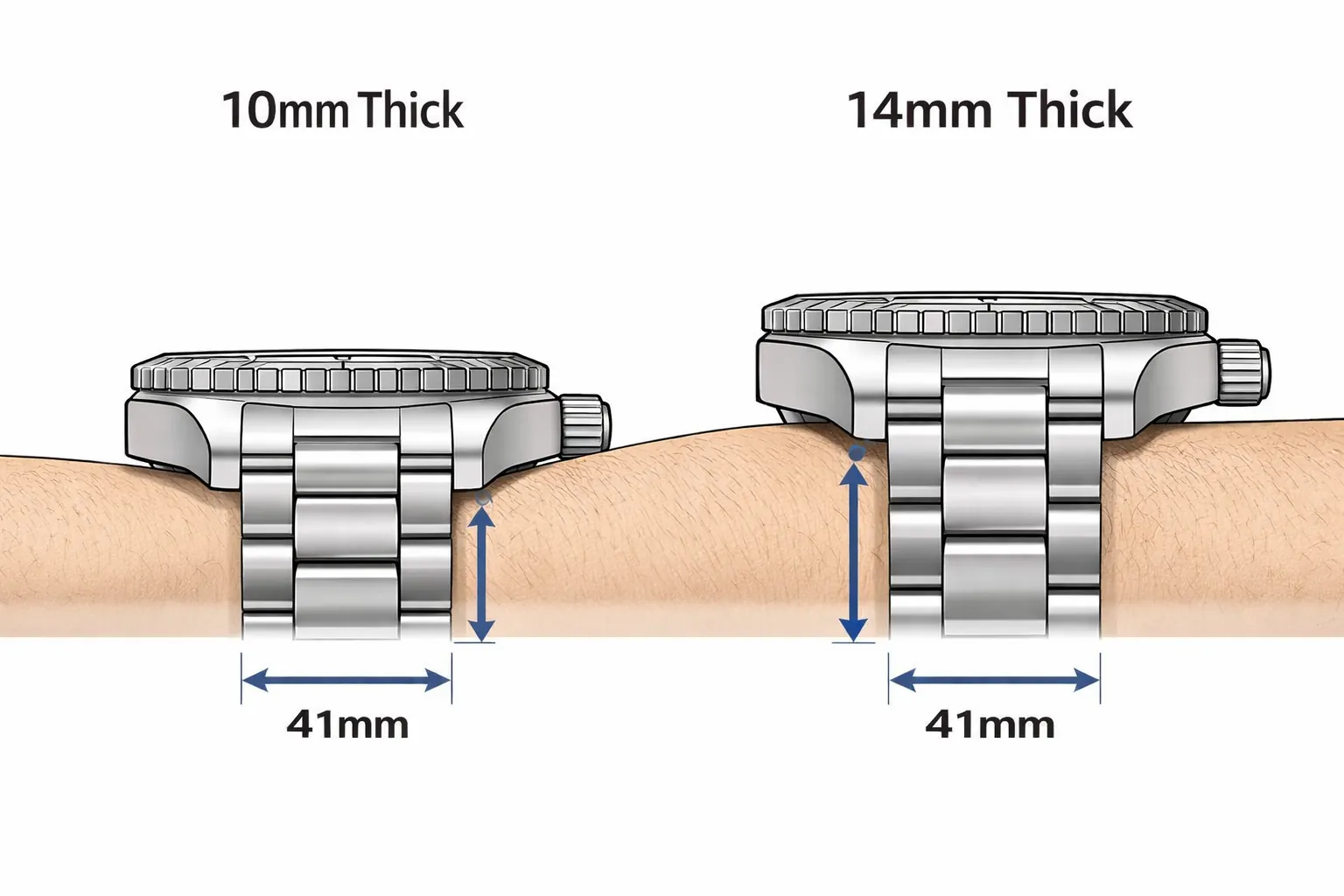
Two 41mm watches can feel dramatically different:
- 10mm thickness → compact, office-friendly
- 14mm thickness → bold, tool-oriented
Even without increasing diameter, added vertical height increases visual dominance.
Ideal Thickness Ranges by Category
While design variations exist, structural norms typically fall into:
- Dress watches: 7–9mm
- Slim sports watches: 10–12mm
- Divers / tool watches: 11–14mm
- Chronographs: 14–16mm
Chronographs require additional movement stacking, explaining increased height.
Replica Batch Observations
Earlier or lower-tier batches sometimes add 1–2mm extra thickness due to:
- Movement adaptation layers
- Spacer plates
- Structural tolerance adjustments
On slimmer wrists (<17cm), this difference becomes noticeable.
Thickness above 14mm generally shifts a watch toward tool-watch territory.
Under 10mm aligns better with formal or daily office use.
In Tag Heuer replicas such as Aquaracer or Carrera chronographs, later refined batches often align closer to authentic thickness ranges (around 12–13mm for many 41–43mm sports models), improving overall proportion without compromising structural feel.
Thickness forms the vertical foundation of replica watch proportions explained.
Lug Architecture: The True Fit Determinant
If thickness defines height, lugs define footprint.
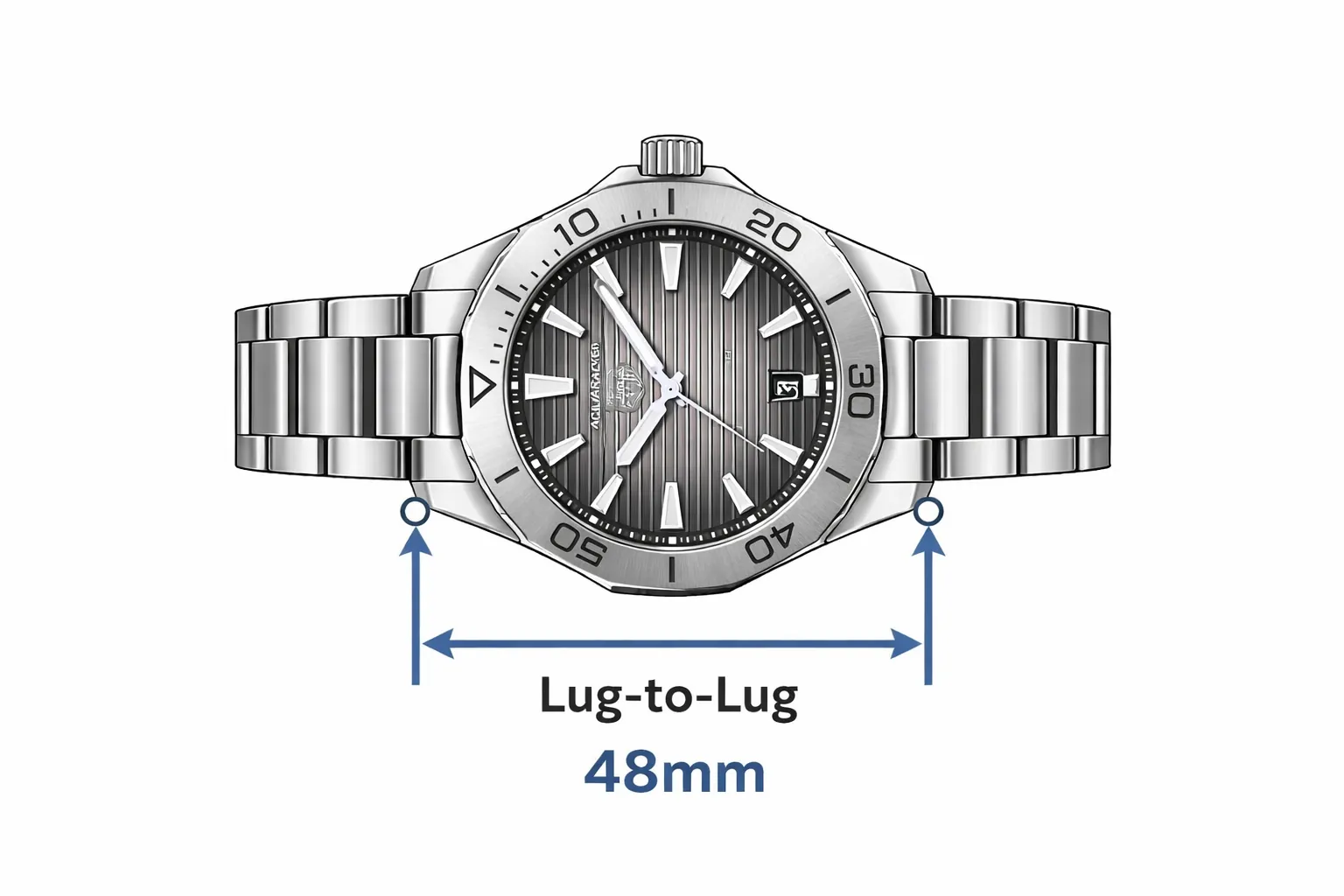
Lug-to-Lug Distance
Measured tip-to-tip.
Typical wrist width (bone to bone):
- Small wrists: 45–48mm
- Average wrists: 48–52mm
- Larger wrists: 52–55mm
If lug-to-lug exceeds wrist width, overhang occurs, making the watch appear oversized.
A 41mm watch with 50mm lug span can wear larger than a 43mm watch with 47mm span.
Lug Curvature and Angle
Downward-curving lugs:
- Reduce effective span
- Improve wrist integration
- Lower perceived size
Flat lugs:
- Increase footprint
- Amplify visual size
- Create top-heavy feel
Even small curvature refinements significantly improve wrist wrap.
Lug Width and Visual Flow
- 18–20mm lug width → refined
- 21–22mm lug width → sport emphasis
Wider lugs add structural mass.
Replica-Specific Variations
Some versions extend lug length slightly to stabilize internal architecture, increasing effective lug span by 1–3mm.
Improved batches often correct:
- Curvature angle
- Lug length
- Bevel transitions
These refinements improve natural wrist integration.
This structural evaluation is a key component of replica watch proportions explained.
Bezel-to-Dial Ratio: Visual Framing
The relationship between bezel width and dial opening influences perceived size.
- Wider bezel → compact dial look
- Thinner bezel → open dial feel
Divers naturally have stronger bezel framing.
Racing chronographs emphasize dial surface.
For deeper dial symmetry analysis: Dial Proportions & Layout Balance
Wrist Presence: Structural Integration
Wrist presence is the combined effect of:
- Thickness
- Lug span
- Curvature
- Bezel framing
- Bracelet integration
Balanced proportions should:
- Sit flat
- Avoid overhang
- Maintain side-profile layering
- Distribute weight evenly
Tag Heuer Replica Proportion Examples
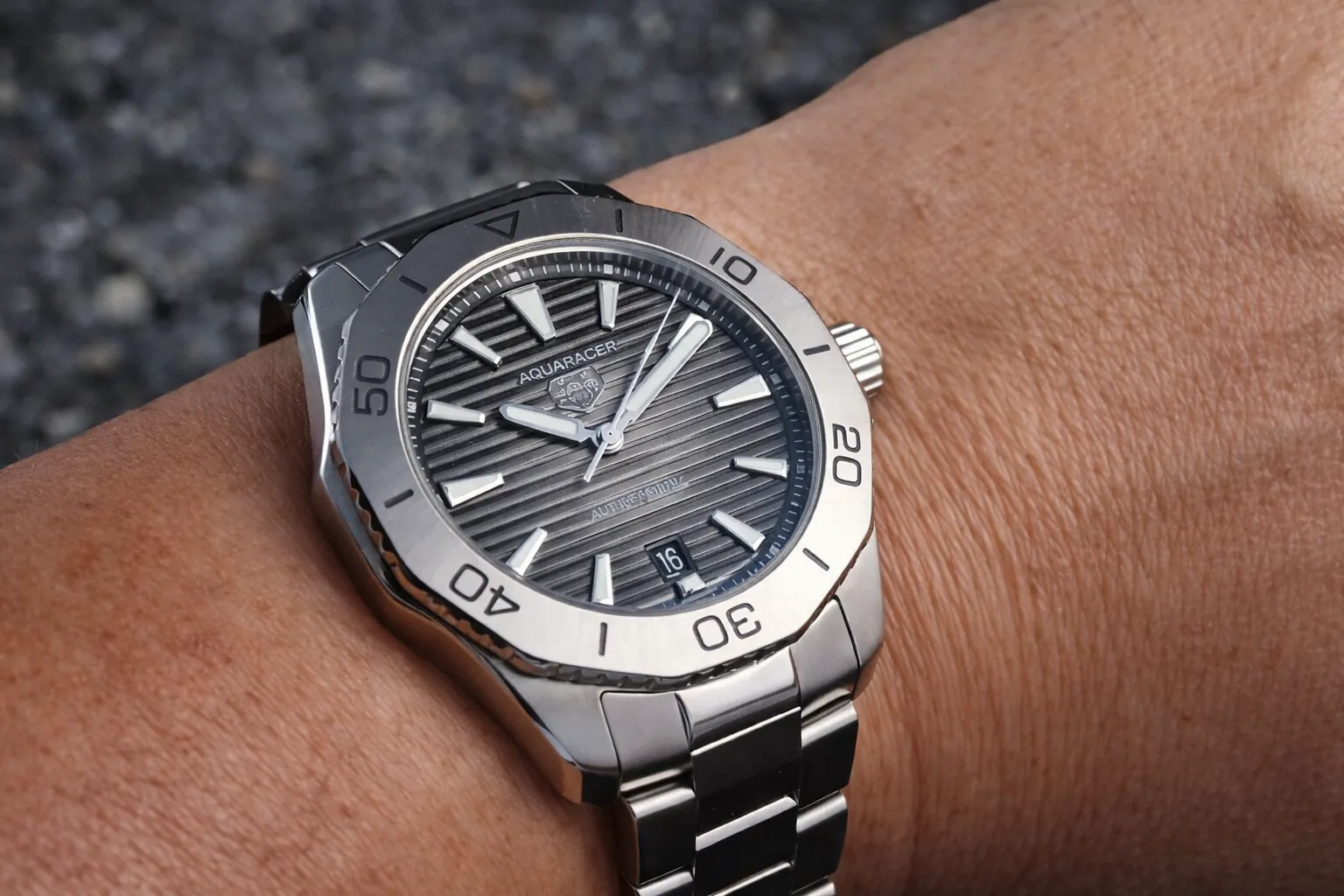
Aquaracer (41–43mm)
- Thickness: ~12–13mm
- Lug-to-lug: ~48–50mm
- Result: Solid but controlled presence
Monaco (39mm × 39mm Square)
- Lug-to-lug: ~47mm
- Thickness: ~15mm
- Effect: Vertical presence with compact horizontal span
Square geometry increases perceived surface area.
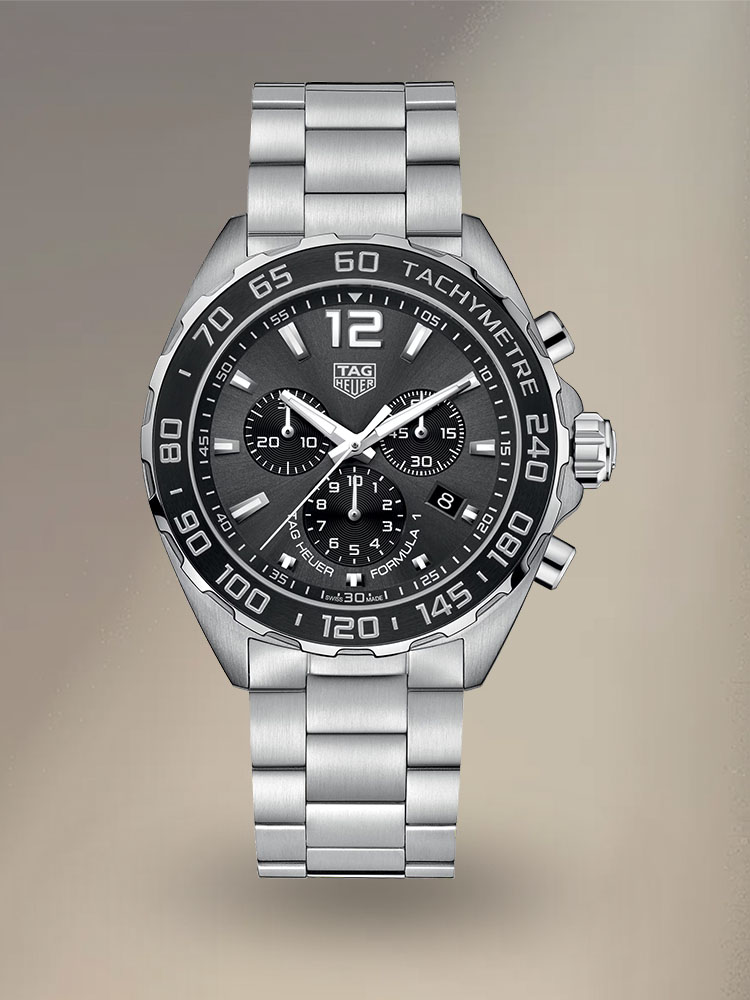
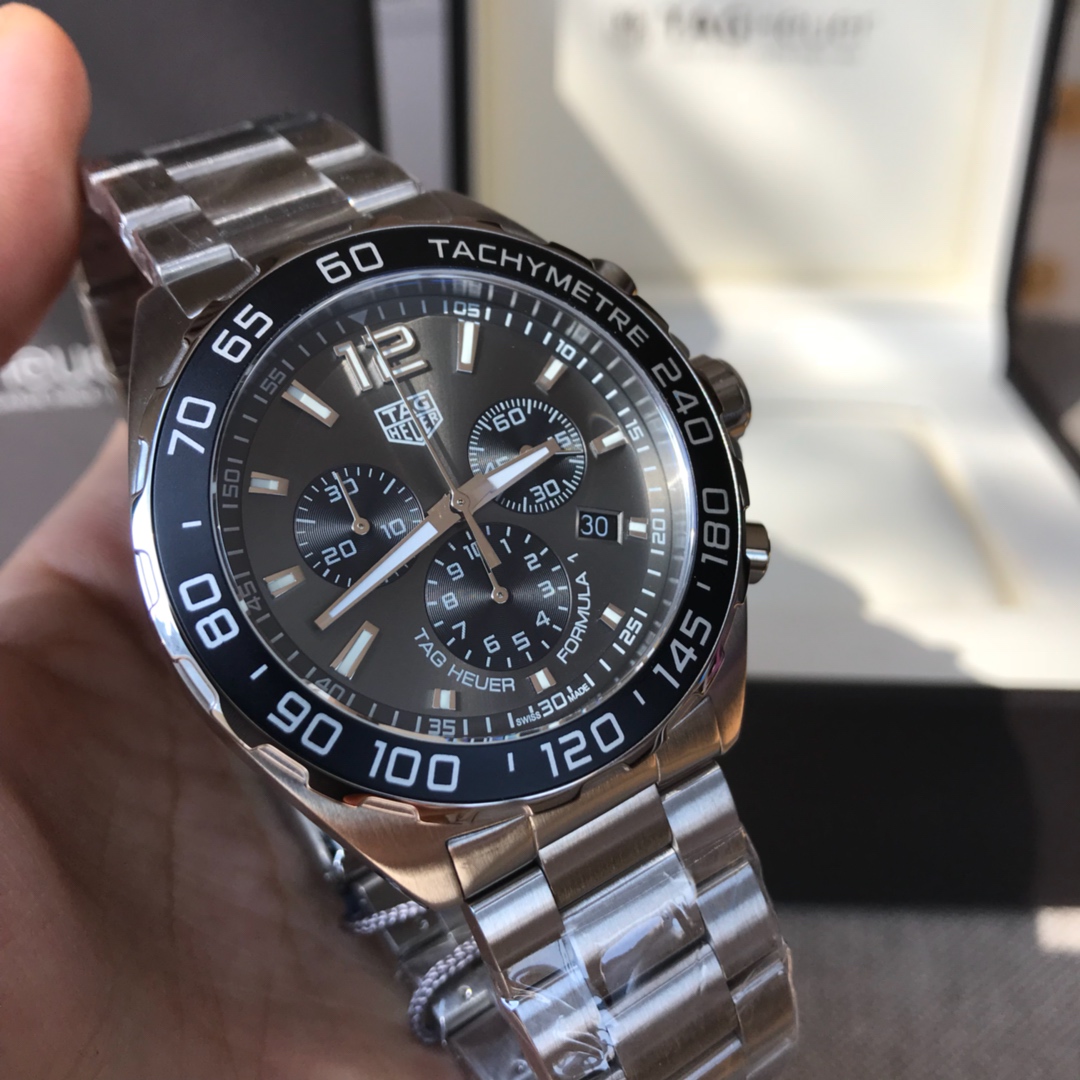
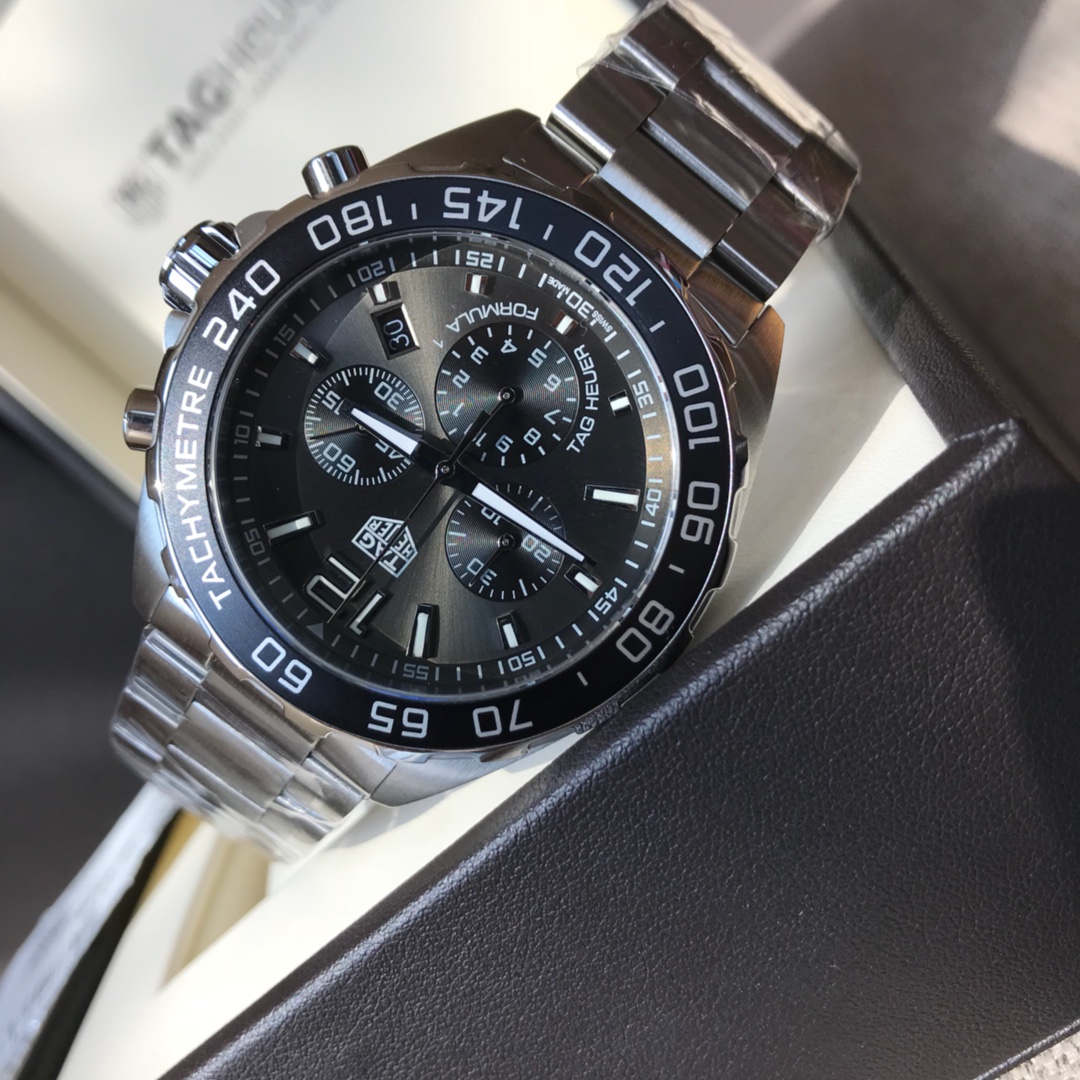
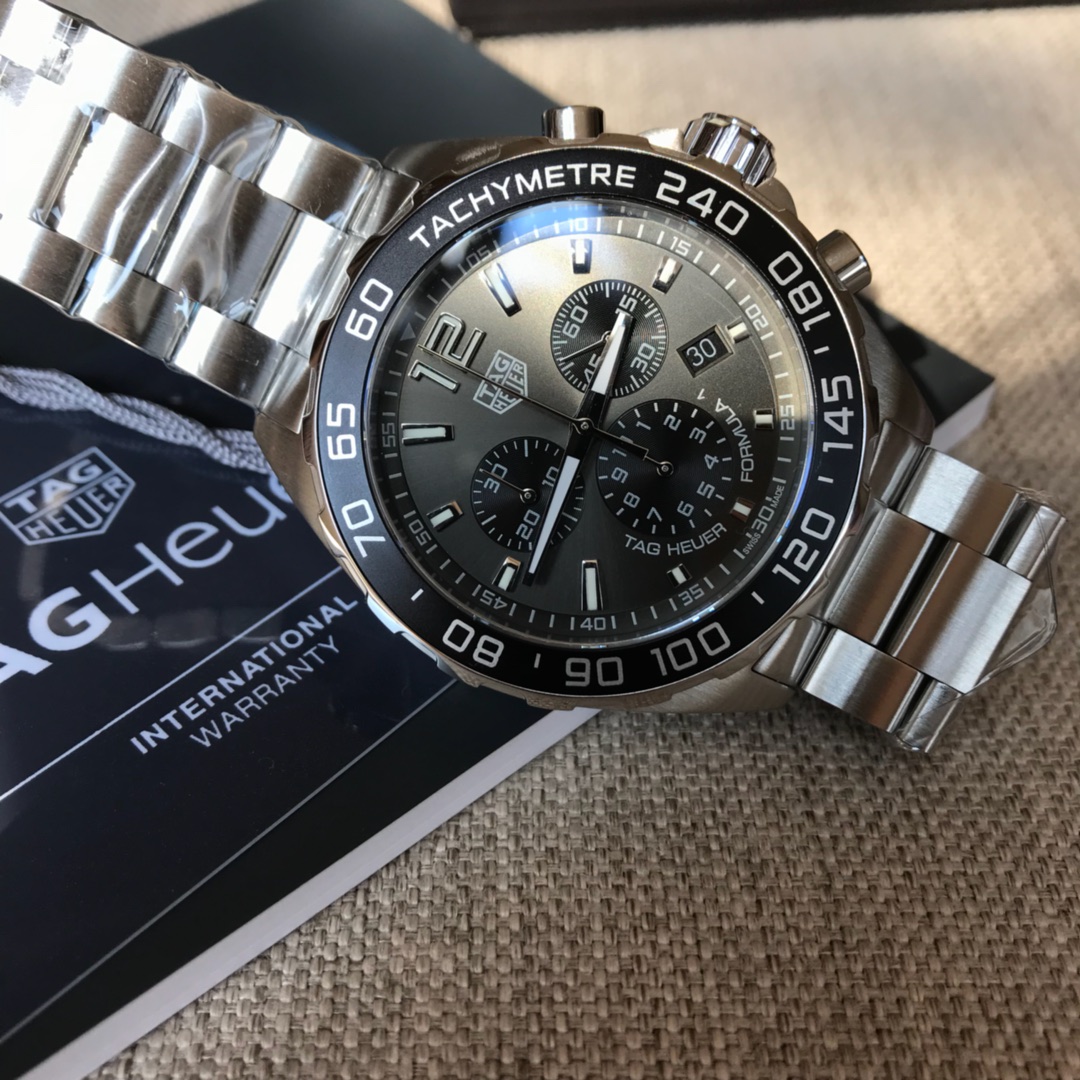
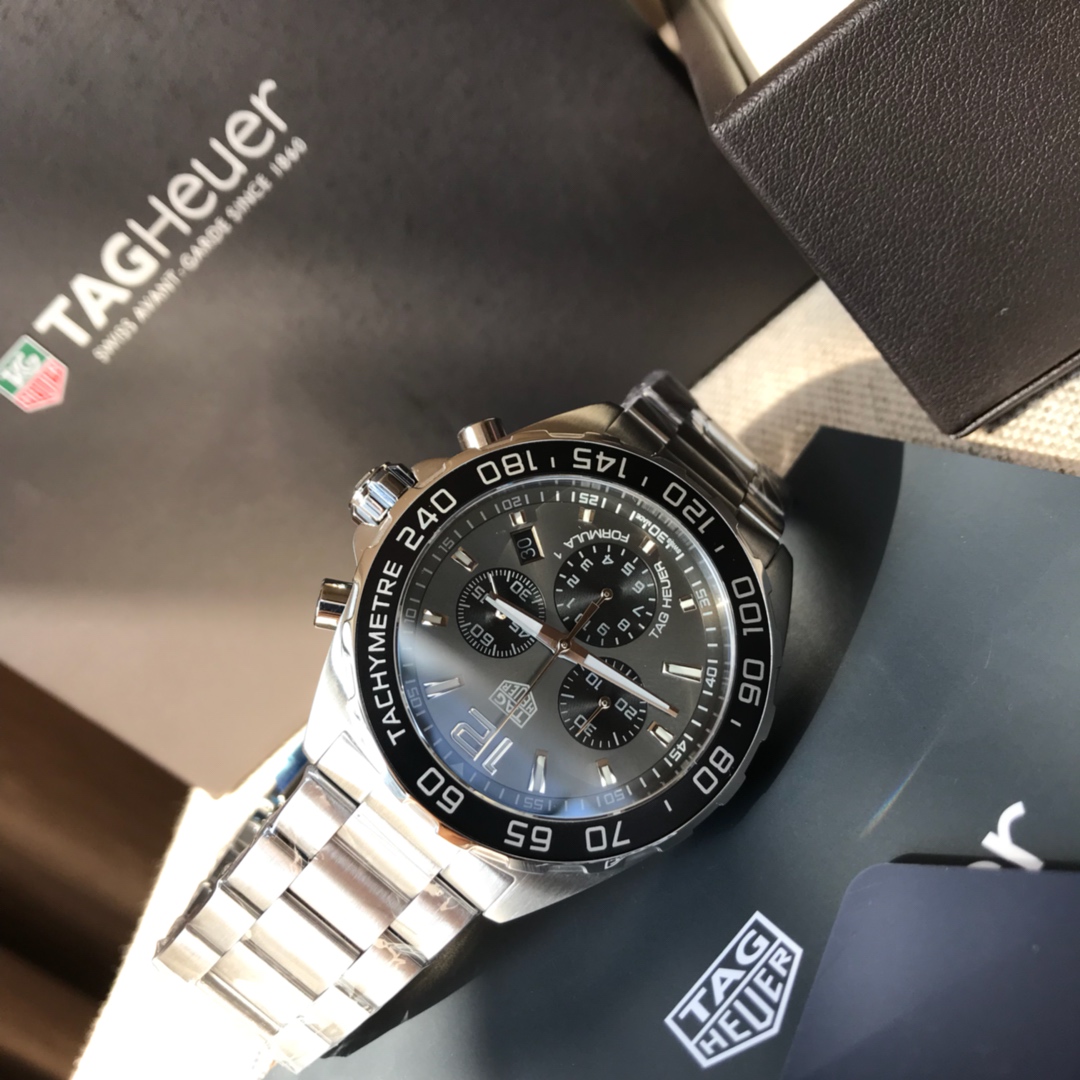
Formula 1 Chronograph (43mm)
- Thickness: ~14mm+
- Sport-oriented lugs
- Strong tool-watch character
Refined curvature improves balance.
Practical Proportion Evaluation Checklist
- Measure wrist width (bone to bone).
- Compare lug-to-lug measurement.
- Evaluate thickness category.
- Inspect curvature and caseback height.
- Assess side-profile layering.
This transforms replica watch proportions explained from theory into application.
Bracelet Integration and Balance
Bracelet architecture affects perceived thickness and stability.
- Integrated bracelets enhance cohesion
- Steel distributes weight
- Rubber increases vertical emphasis
For detailed integration analysis: Bracelet Integration and Comfort
Quality inspection standards are detailed here: Guarantee and Quality Control
Frequently Asked Questions (FAQ)
1. Does case thickness matter more than diameter?
Yes. Thickness dramatically affects perceived size and wrist presence. A thicker 41mm watch can wear larger than a thinner 43mm model.
2. What is lug-to-lug distance and why is it important?
Lug-to-lug measures the tip-to-tip span of the case. If it exceeds wrist width, the watch overhangs and appears oversized.
3. What thickness is ideal for daily wear?
For daily office use, 10–12mm generally offers good balance. Chronographs above 14mm lean toward sport/tool styling.
4. Why do some replicas wear larger than authentic models?
Small dimensional changes (extra thickness or longer lugs) can alter wrist integration, increasing perceived size.
5. How can I measure my wrist for proper proportion?
Measure flat wrist width (bone to bone). Compare this to lug-to-lug distance. Ensure effective span does not exceed wrist width significantly.
Conclusion
Diameter attracts attention. Proportion determines credibility.
True structural balance occurs when:
- Thickness complements diameter
- Lug span matches wrist geometry
- Curvature enhances wrap
- Bezel framing aligns with design intent
When approached analytically, replica watch proportions explained becomes a technical framework for evaluating wrist presence — not just a marketing phrase.
Balanced proportion is geometry in motion.