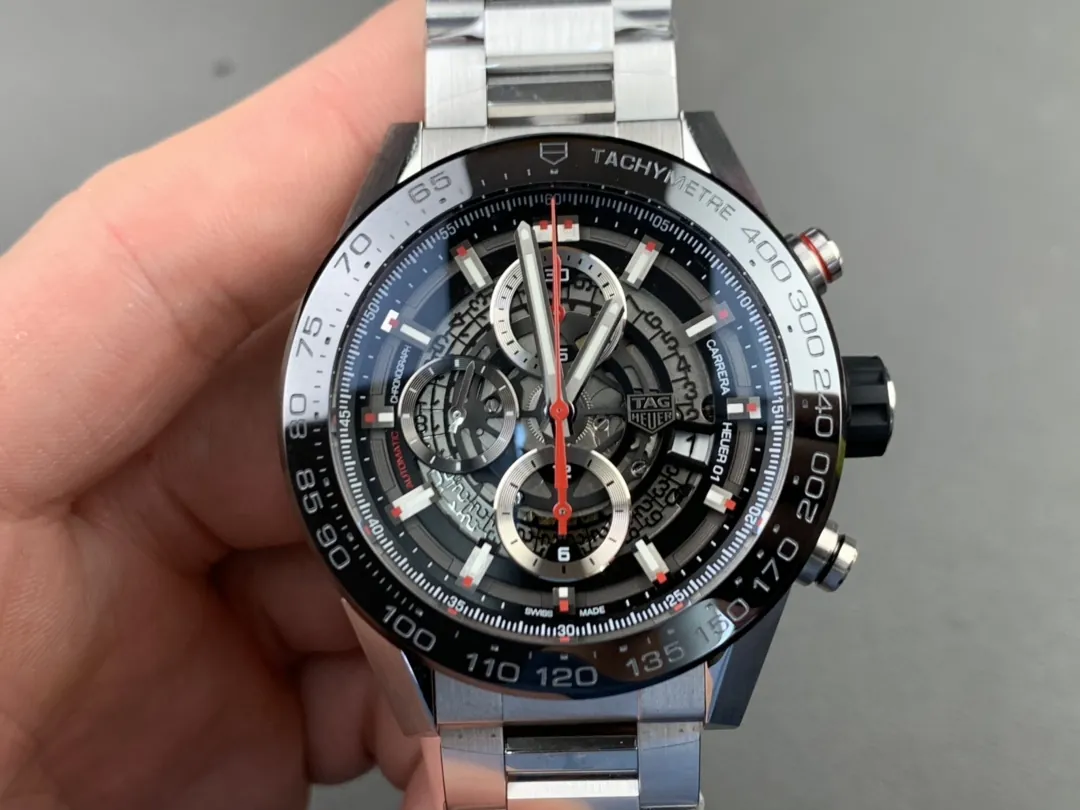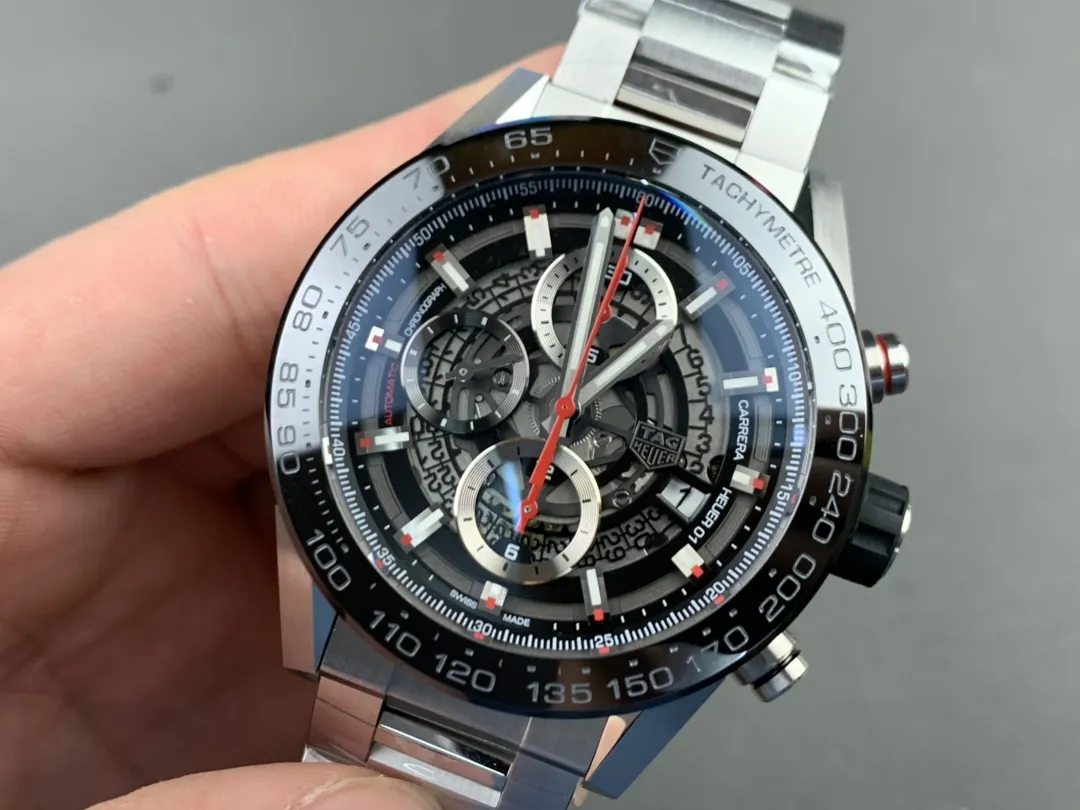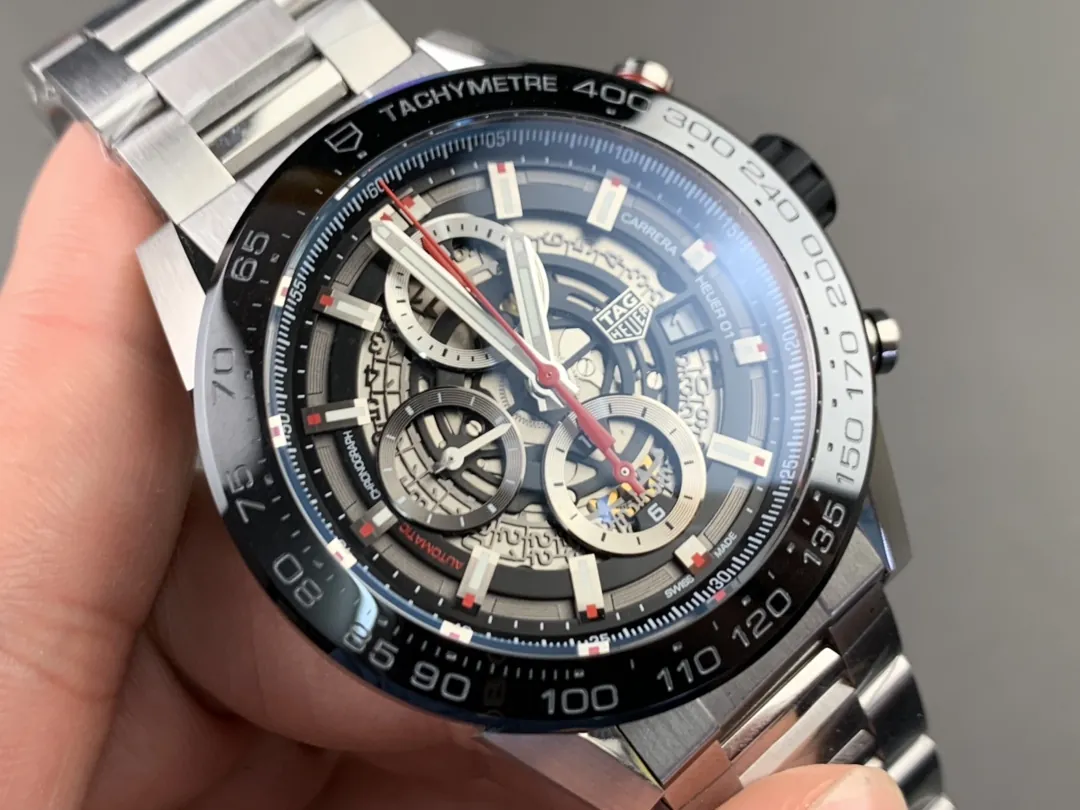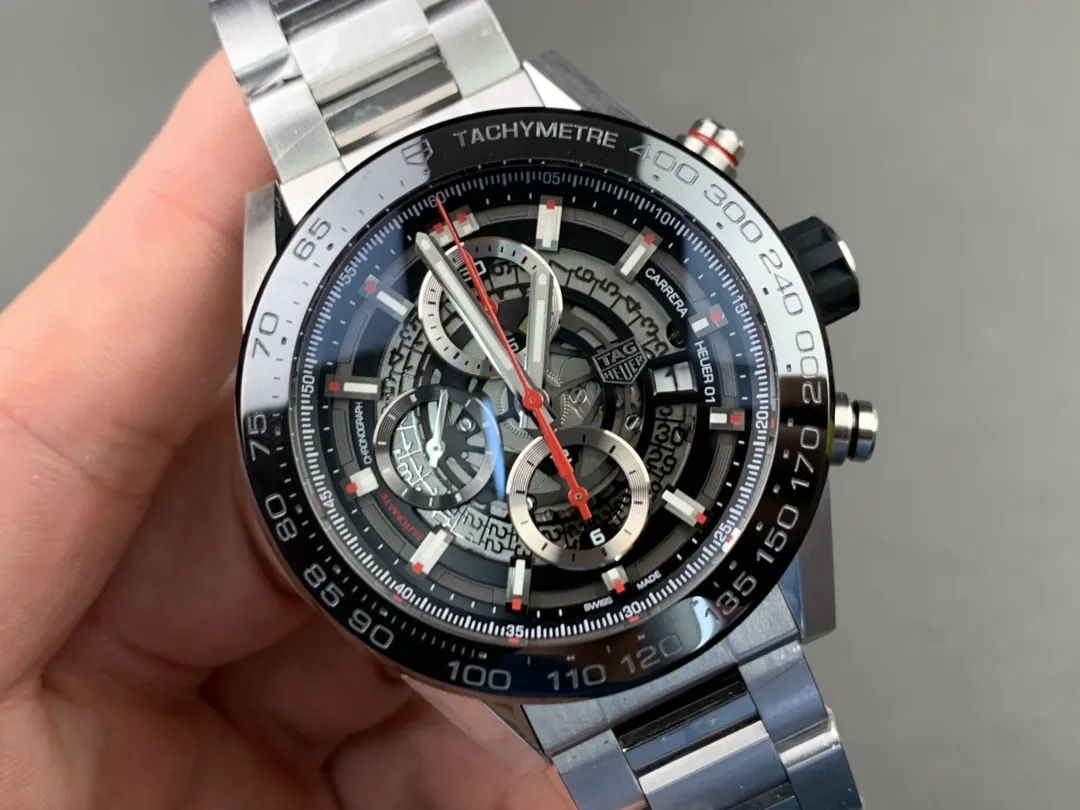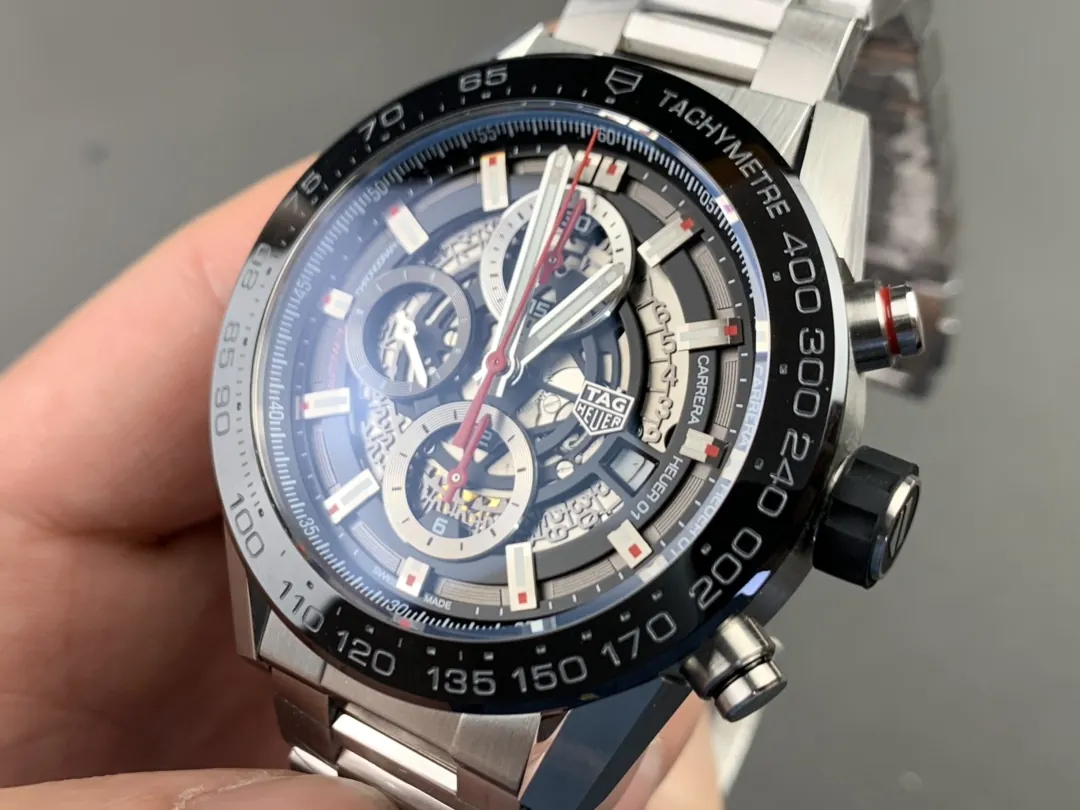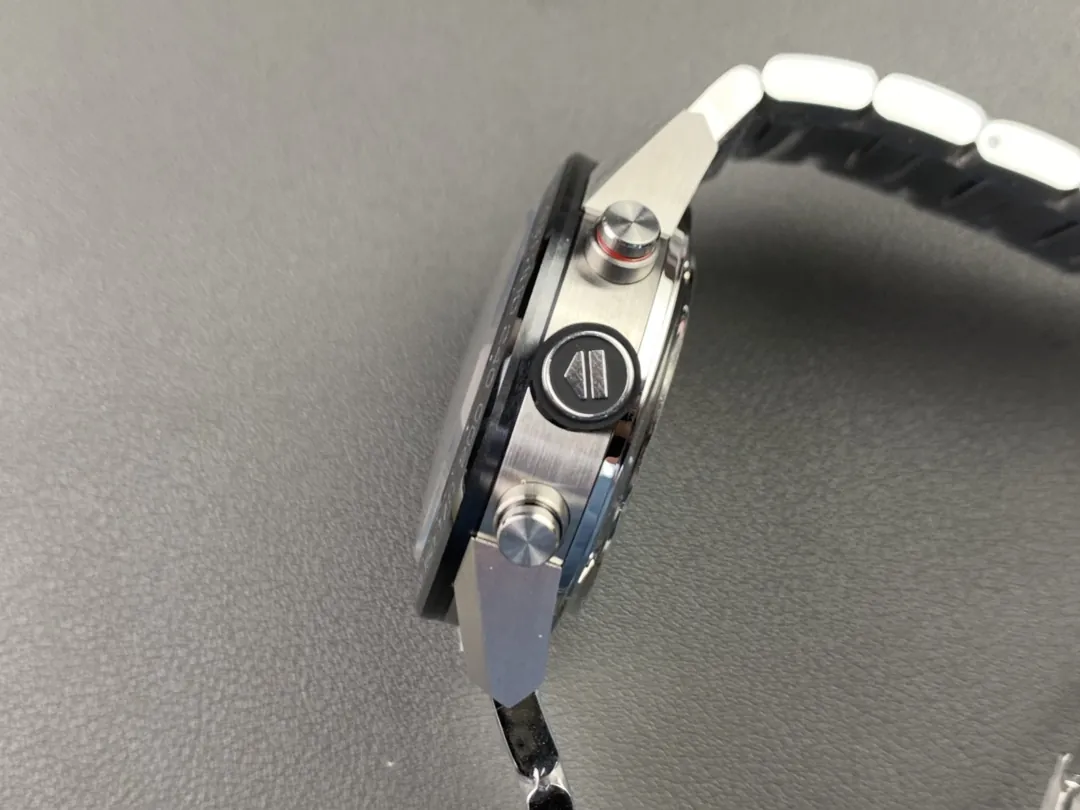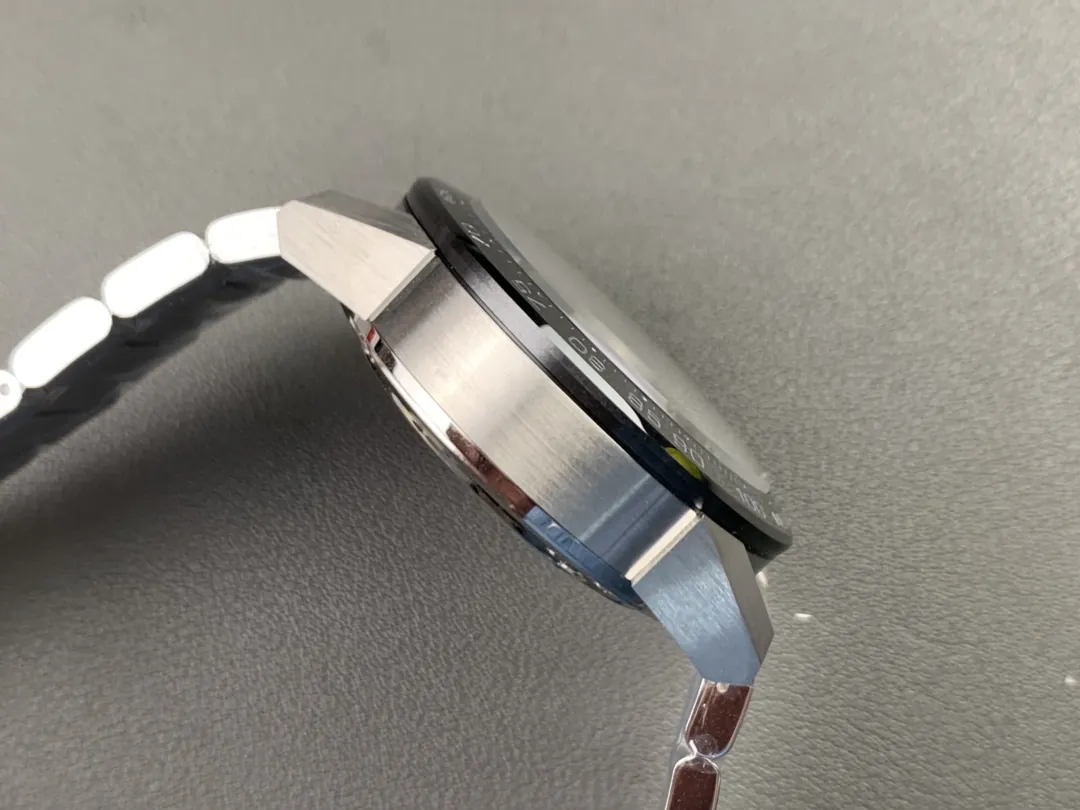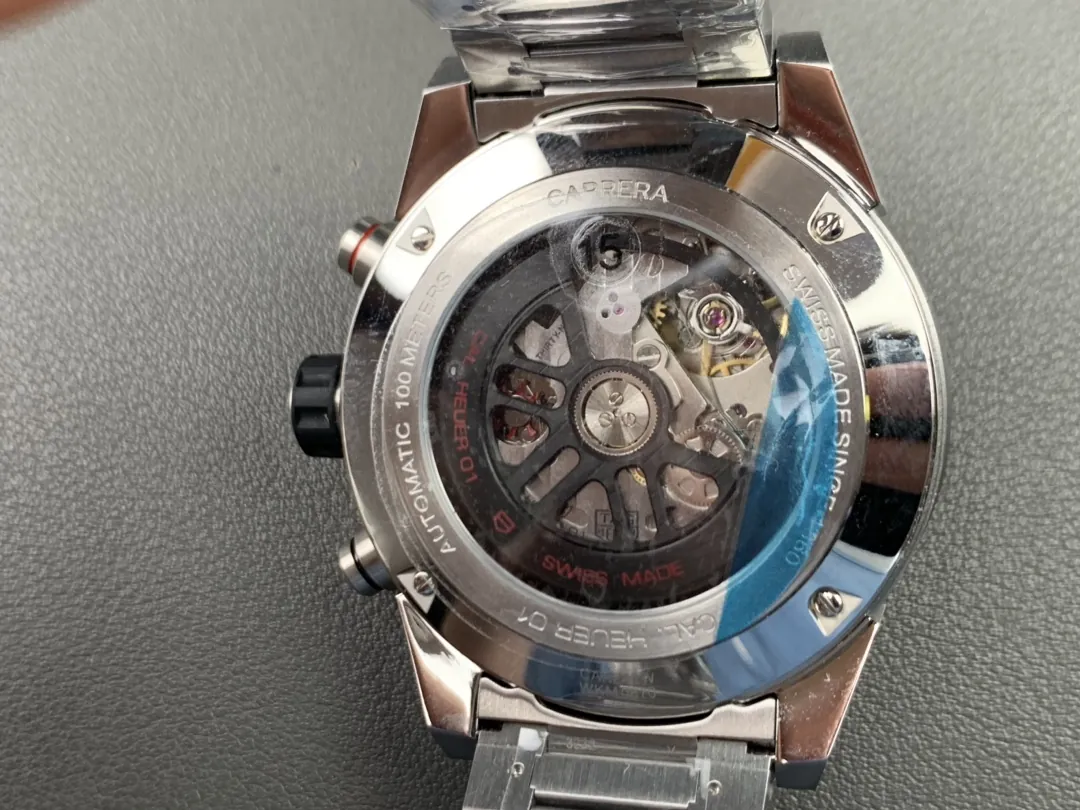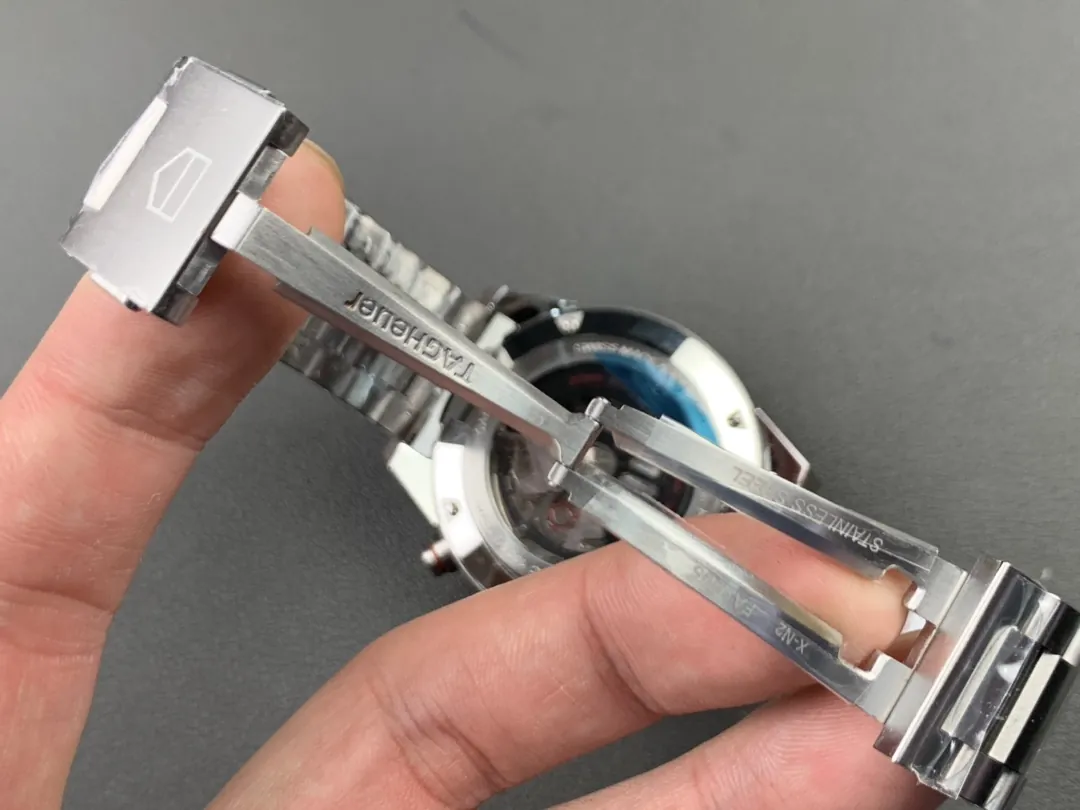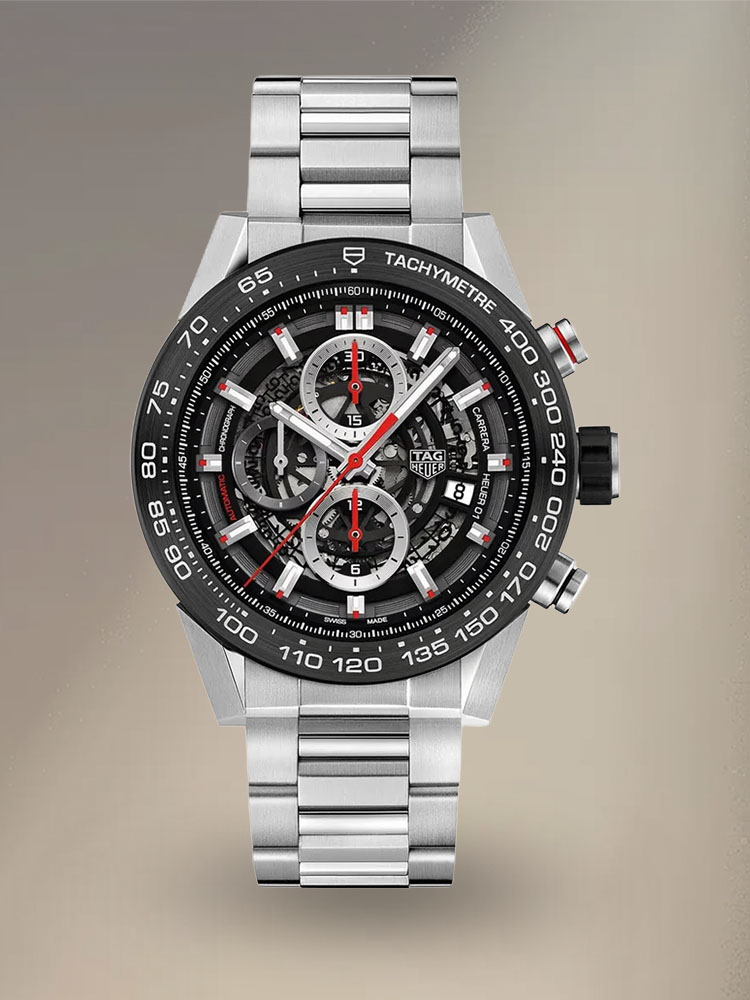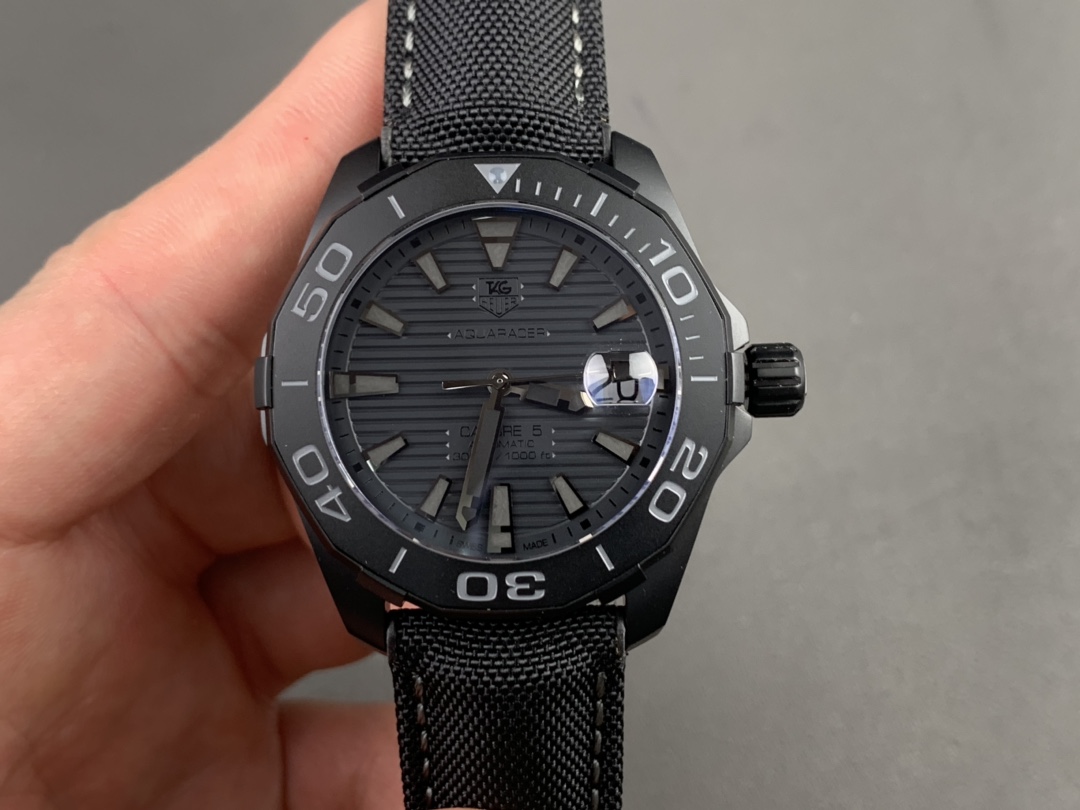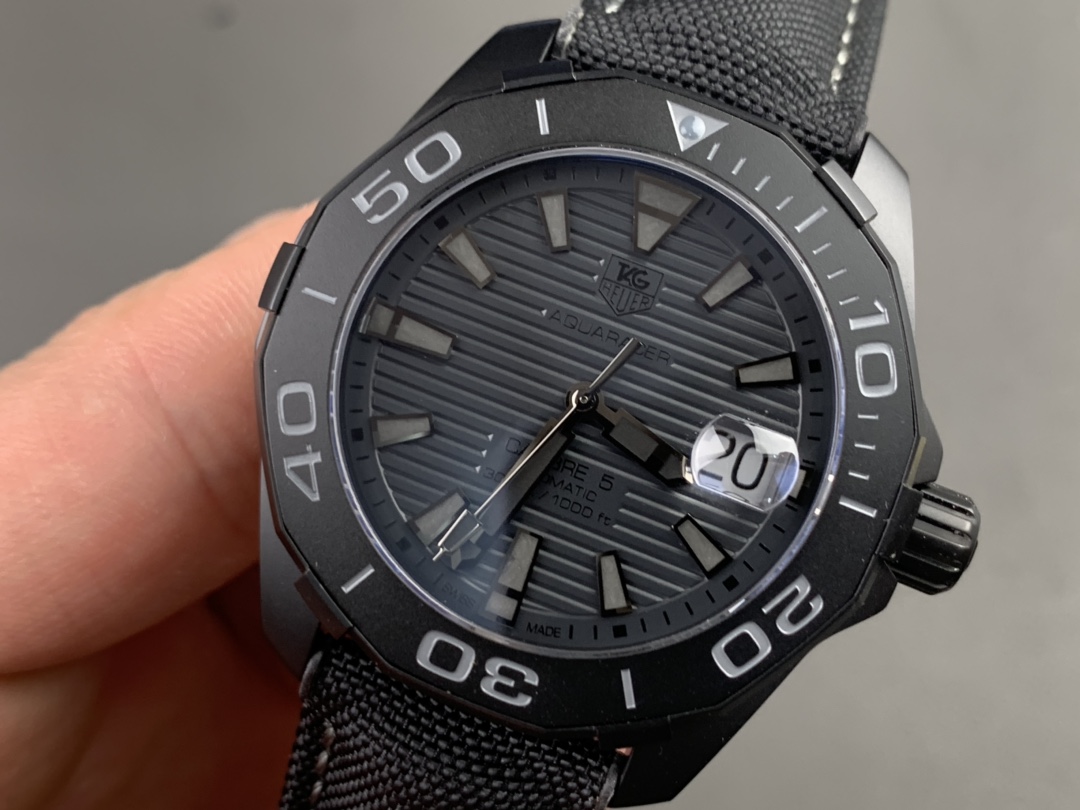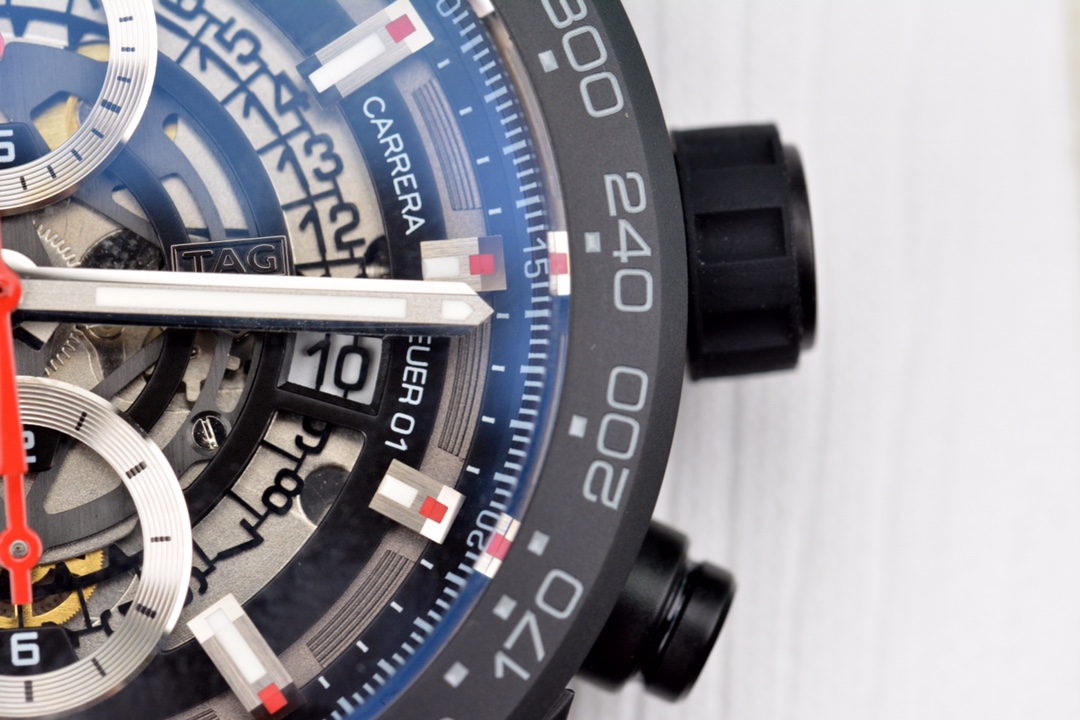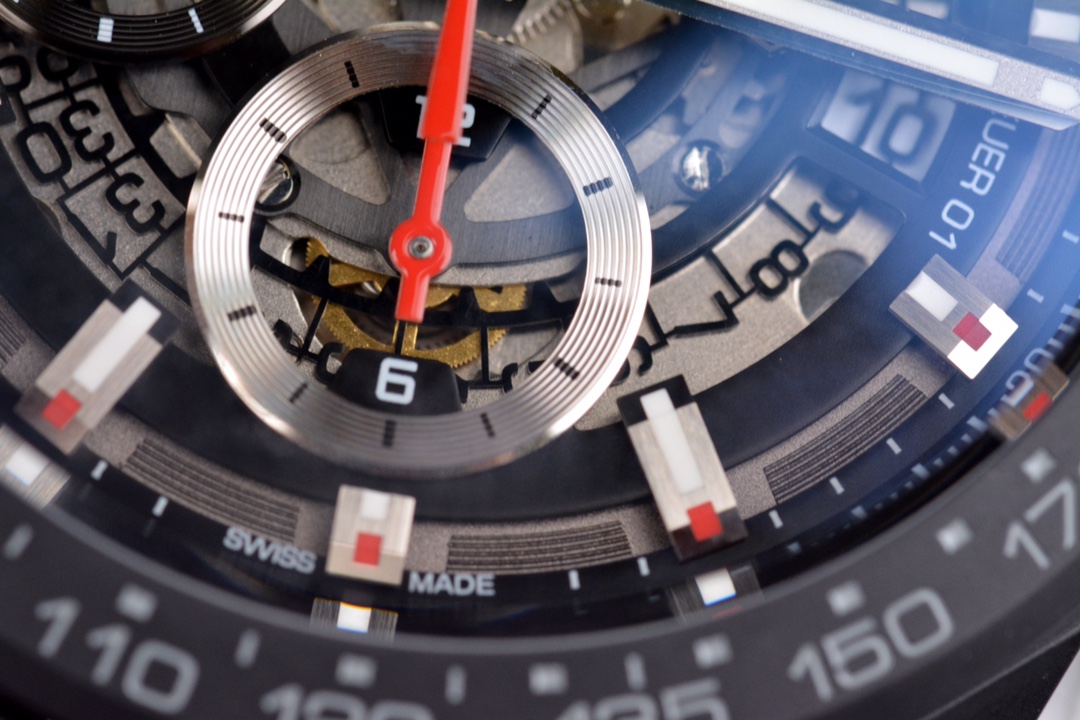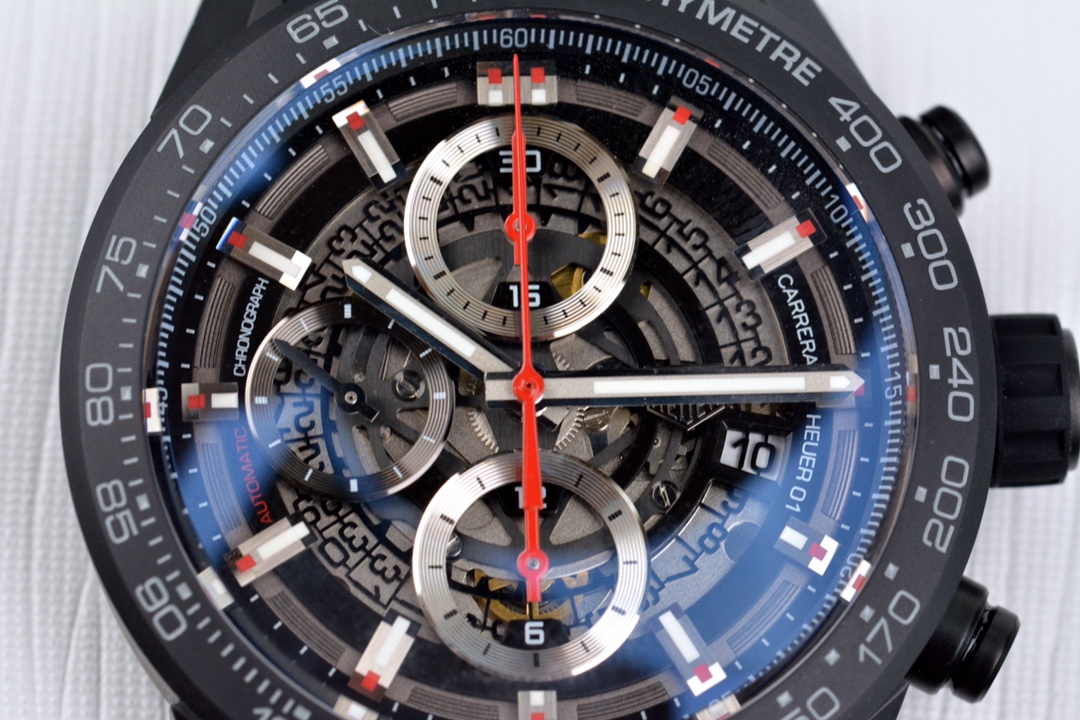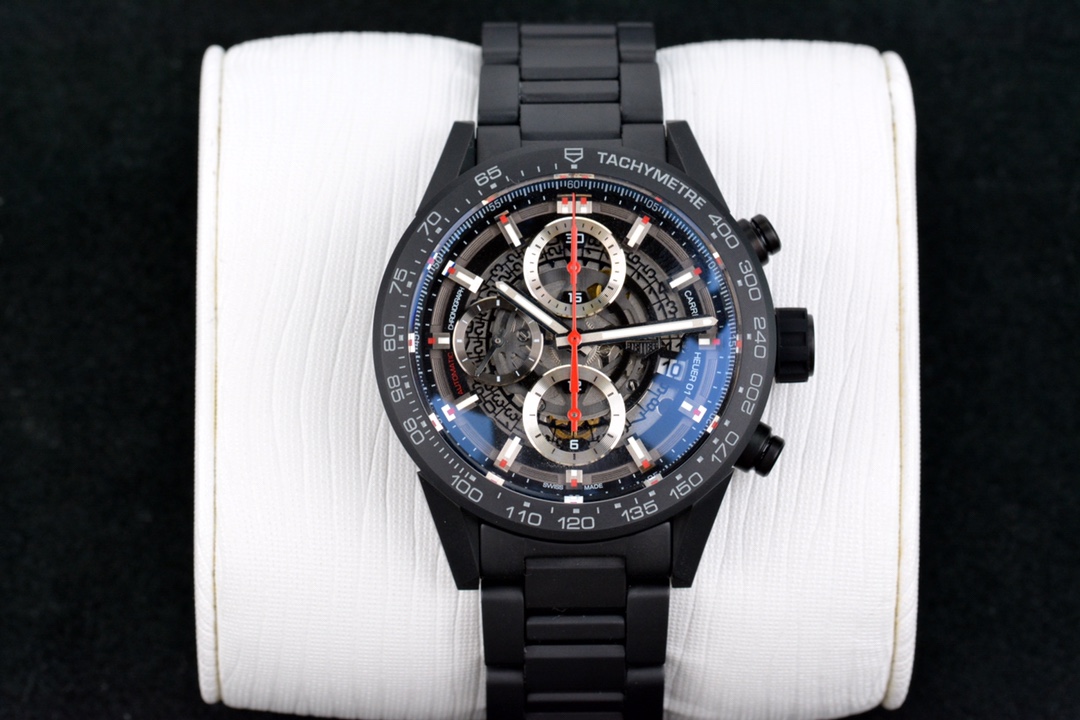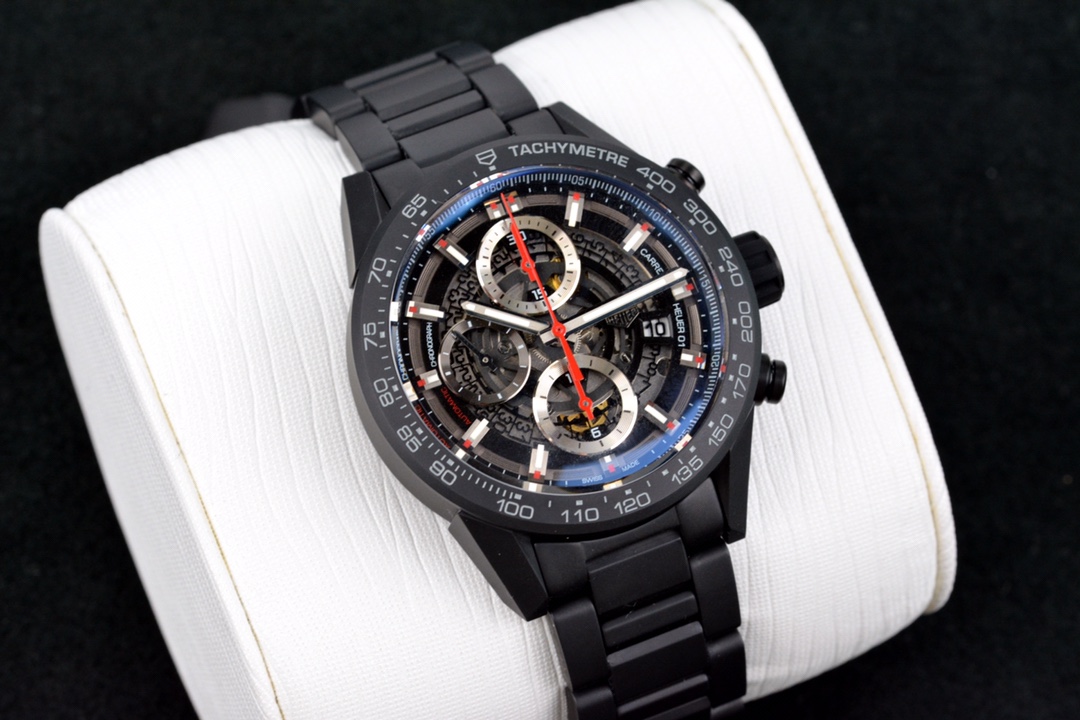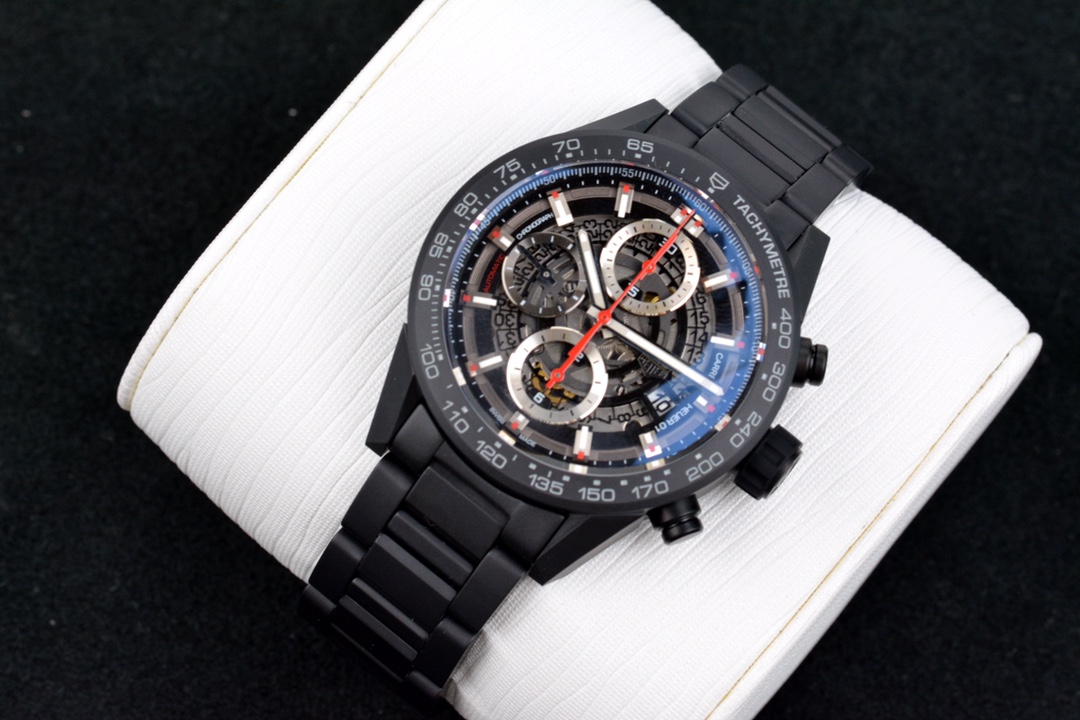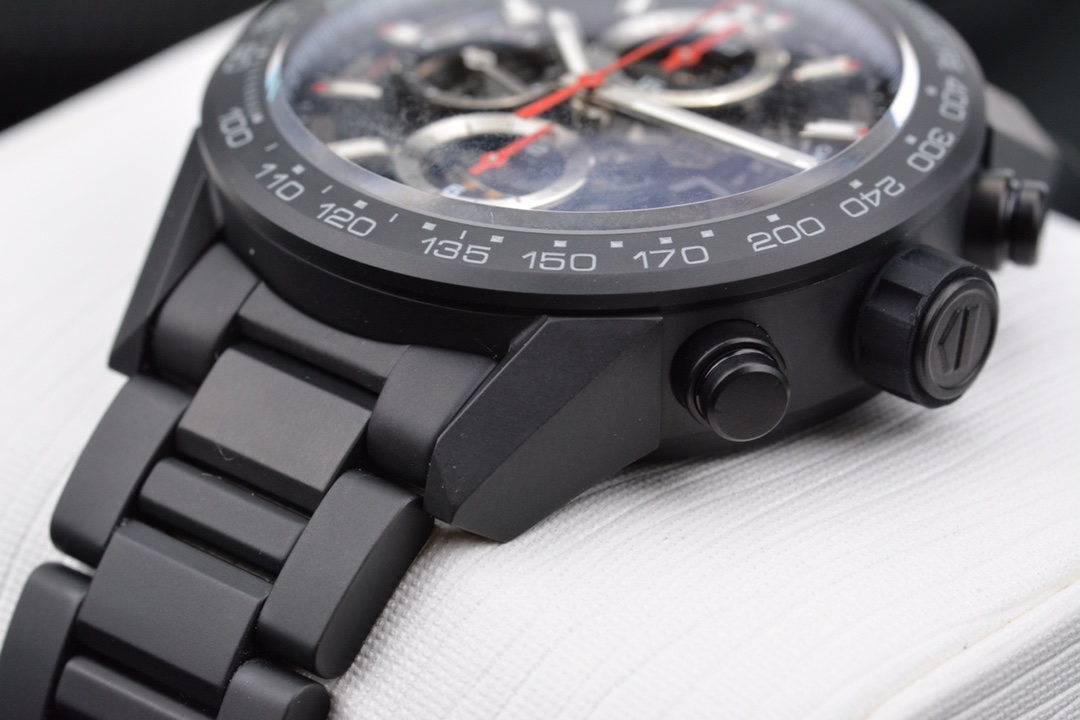
When comparing replica watches, one of the most frequently discussed topics is the movement type. Many buyers researching Tag Heuer replicas quickly encounter the question of automatic vs quartz replica watch performance.
Both movement types exist across the Tag Heuer lineup, and each has advantages depending on how the watch will be used. Some series prioritize precision and practicality, while others emphasize mechanical craftsmanship and traditional watchmaking experience.
Understanding the real differences between these movements helps set realistic expectations for accuracy, maintenance, durability, and everyday usability.
This guide explores how automatic vs quartz replica watch movements differ in practice, how they appear across Tag Heuer collections, and how experienced users typically choose between them.
Automatic vs Quartz Replica Watch (Quick Comparison)
For readers looking for a quick answer, the key differences between an automatic vs quartz replica watch can be summarized below.
| Feature | Automatic Movement | Quartz Movement |
|---|---|---|
| Accuracy | ±10–30 sec/day | ±10–20 sec/month |
| Power Source | Wrist motion (self-winding) | Battery |
| Maintenance | Periodic servicing | Battery replacement |
| Seconds Hand | Smooth sweep | One-second tick |
| Daily Convenience | Needs regular wear | Set-and-forget |
| Mechanical Experience | High | Minimal |
In simple terms:
- Automatic watches prioritize mechanical character and traditional watchmaking.
- Quartz watches prioritize accuracy and convenience.
Neither is universally better—the ideal choice depends on the wearer’s habits and preferences.
Understanding Watch Movements: Mechanical vs Electronic Timekeeping
To fully understand the automatic vs quartz replica watch comparison, it helps to first understand how each movement works.
Automatic Mechanical Movements
Automatic watches are mechanical timepieces powered by stored spring energy.
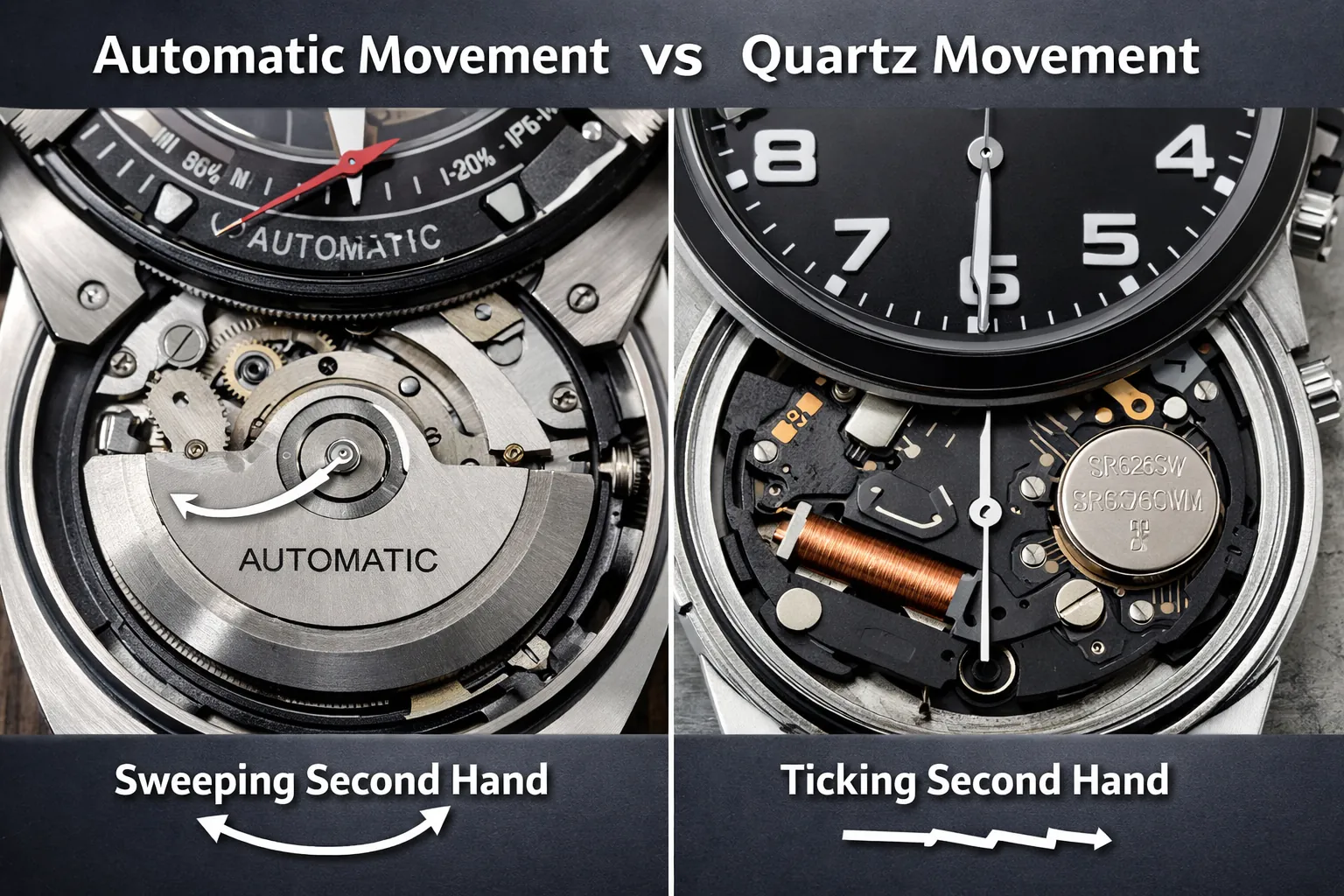
Inside the watch, a rotor spins when the wearer moves their wrist. This rotor winds the mainspring, which stores energy and gradually releases it through the gear train. The gear train drives the balance wheel, which regulates the timekeeping rhythm.
Key traits of automatic movements include:
- mechanical power source
- visible or felt rotor motion
- sweeping seconds hand
- traditional watchmaking architecture
Because the entire system operates mechanically, automatic watches are often appreciated for their craftsmanship and engineering complexity.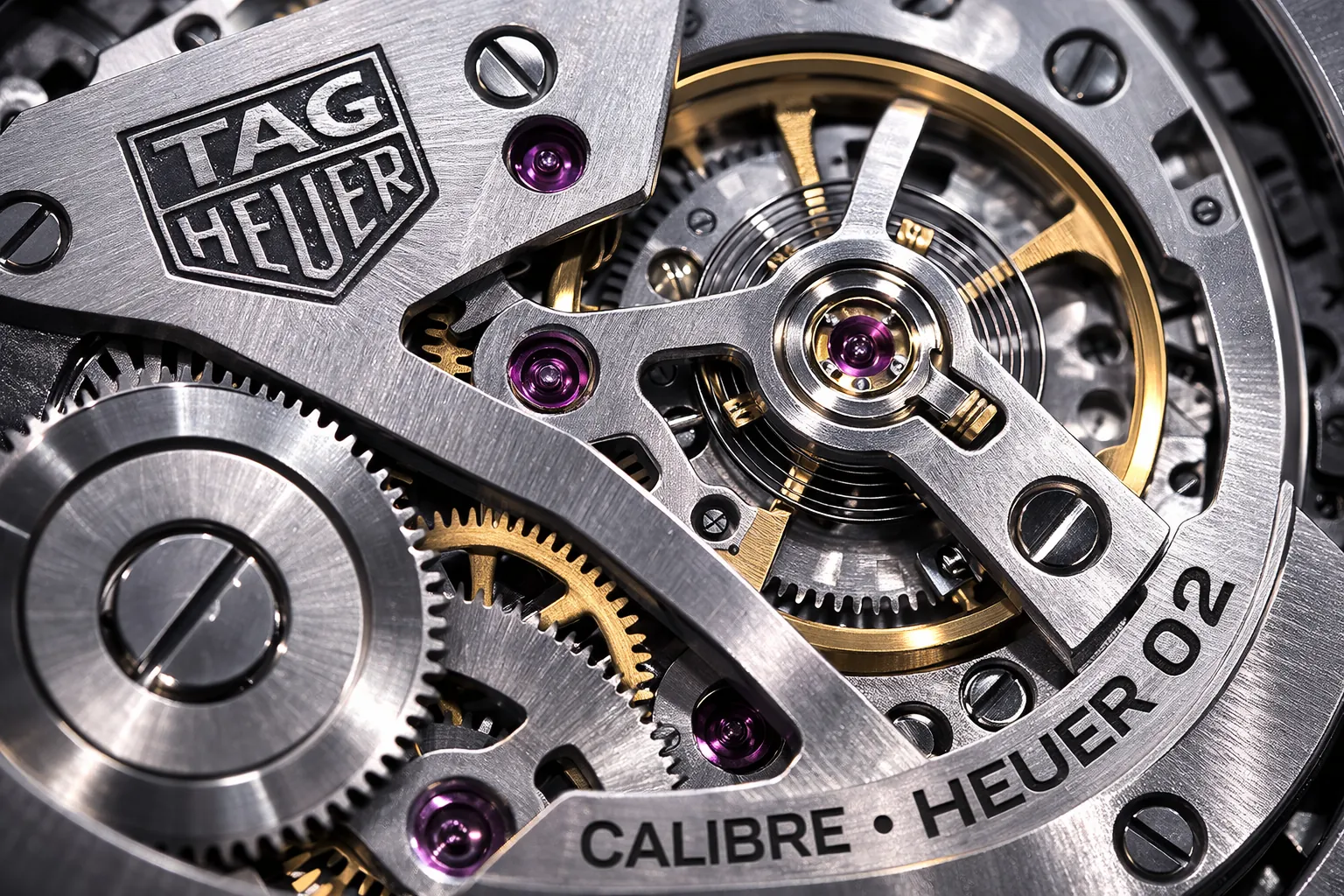
Quartz Movements
Quartz watches operate through electronic timekeeping.
A battery sends electrical current through a quartz crystal. The crystal vibrates at a very stable frequency, and these vibrations regulate the watch’s timekeeping circuit.
This circuit controls a step motor that moves the watch hands.
Typical quartz characteristics include:
- extremely stable accuracy
- minimal mechanical complexity
- battery-powered operation
- one-second ticking seconds hand
Quartz technology revolutionized the watch industry in the late 20th century because it allowed watches to maintain extremely precise time with minimal maintenance.
Automatic vs Quartz Replica Watch Accuracy
Accuracy is often the first performance metric people consider when comparing an automatic vs quartz replica watch.
Quartz Accuracy
Quartz movements typically maintain extremely stable timekeeping.
Most quartz watches operate within:
±10–20 seconds per month
This level of precision comes from the stable vibration frequency of the quartz crystal.
Automatic Accuracy
Automatic movements rely on mechanical oscillation, which is naturally affected by several factors:
- position of the watch
- wrist activity
- temperature
- lubrication condition
Typical accuracy ranges for mechanical watches are:
±10–30 seconds per day
This difference explains why quartz watches are generally considered more precise.
However, mechanical watches are valued less for absolute precision and more for the craftsmanship and mechanical interaction they provide.
Power Source and Daily Operation
Another important difference between automatic vs quartz replica watch movements is how the watch remains powered.
Automatic Power Reserve
Automatic watches store energy in a mainspring.
Most replica mechanical movements provide a power reserve between:
38–50 hours
If the watch is not worn during that period, it will eventually stop until rewound or worn again.
Some users choose to store automatic watches on watch winders to keep them running continuously.
Quartz Battery Life
Quartz watches rely on batteries for power.
Typical battery lifespan:
2–5 years
Once the battery is replaced, the watch continues operating normally.
For users who do not wear the watch daily, quartz movements are generally more convenient.
Movement Experience: Mechanical Feel vs Practical Precision
The experience of wearing the watch is another major factor in the automatic vs quartz debate.
Automatic Watch Experience
Mechanical watches provide:
- smooth sweeping seconds hand
- subtle rotor movement when worn
- tactile interaction when setting the watch
Many enthusiasts enjoy the sense of a living mechanical system working inside the watch.
Quartz Watch Experience
Quartz watches offer a simpler experience:
- precise one-second ticking
- minimal mechanical interaction
- completely silent operation
This simplicity appeals to users who want their watch to function reliably without attention.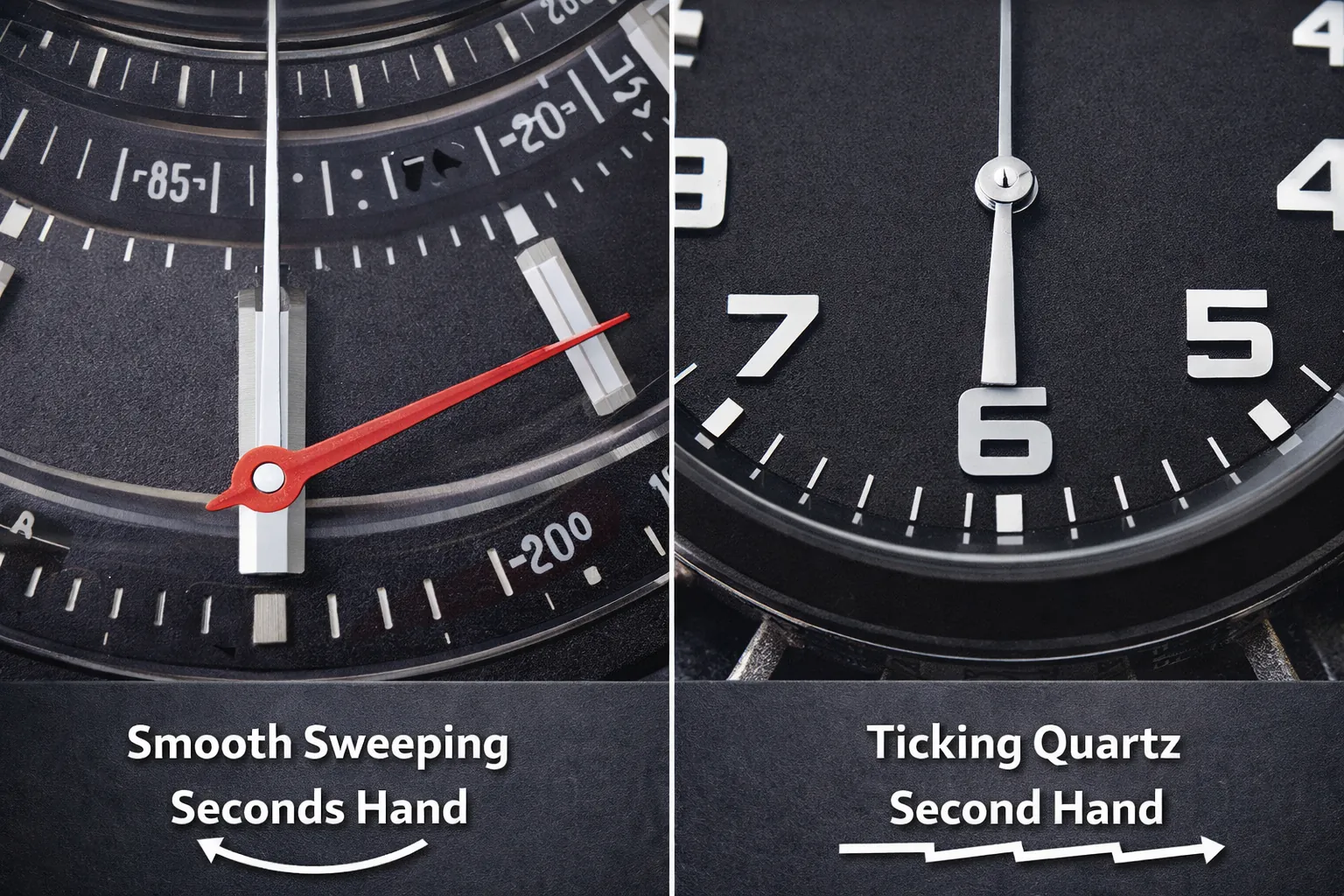
Replica Movement Stability and Batch Variations
In replica watches, movement stability can also depend on production batches and manufacturing consistency.
Mechanical replica movements are assembled systems with many moving components. As a result, performance can vary slightly between production batches depending on assembly precision and component tolerances.
Quartz movements, by contrast, are simpler electronic systems. Because they contain fewer moving parts, they tend to show more consistent performance across batches.
For this reason:
- Quartz replicas often provide more predictable accuracy
- Automatic replicas emphasize mechanical authenticity
Understanding this difference helps users form realistic expectations about replica watch performance.
Movement Distribution Across Tag Heuer Replica Series
Movement selection in Tag Heuer replicas often follows the design logic of the original brand collections.
Carrera — Primarily Automatic
The Carrera series is historically associated with racing chronographs and mechanical watchmaking.
Replica Carrera models typically feature automatic movements because mechanical chronographs align with the series' traditional motorsport identity.
Explore the collection here: Tag Heuer Carrera replica
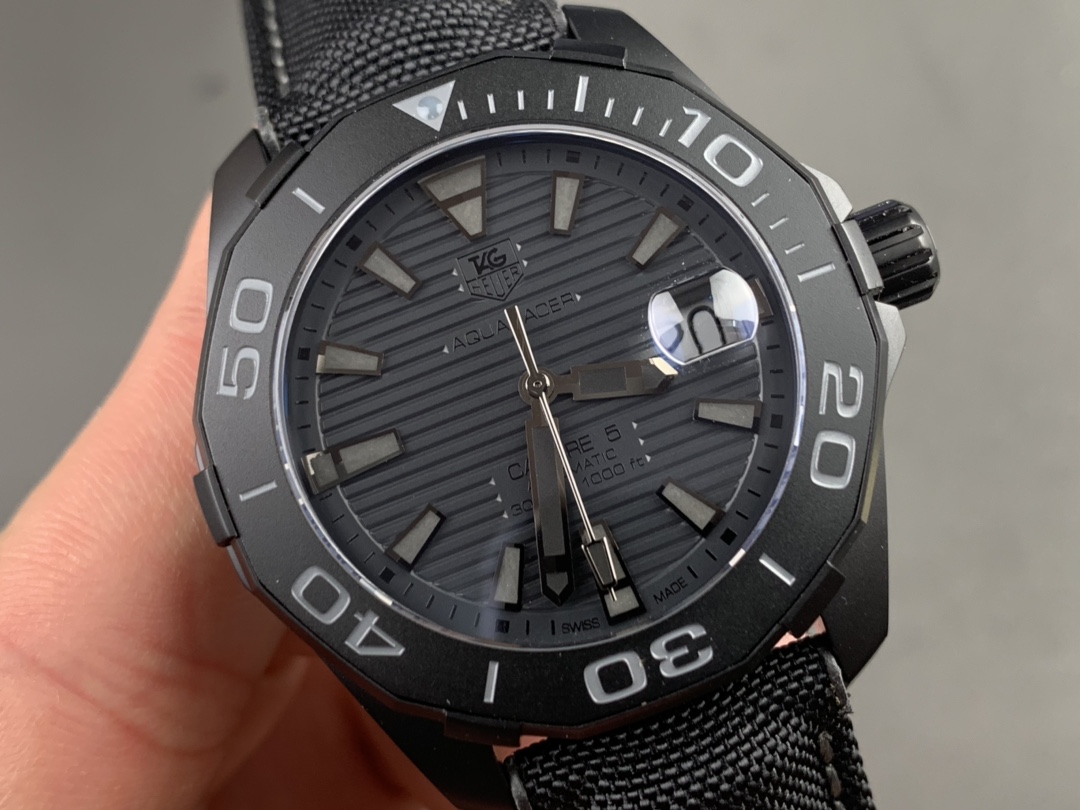
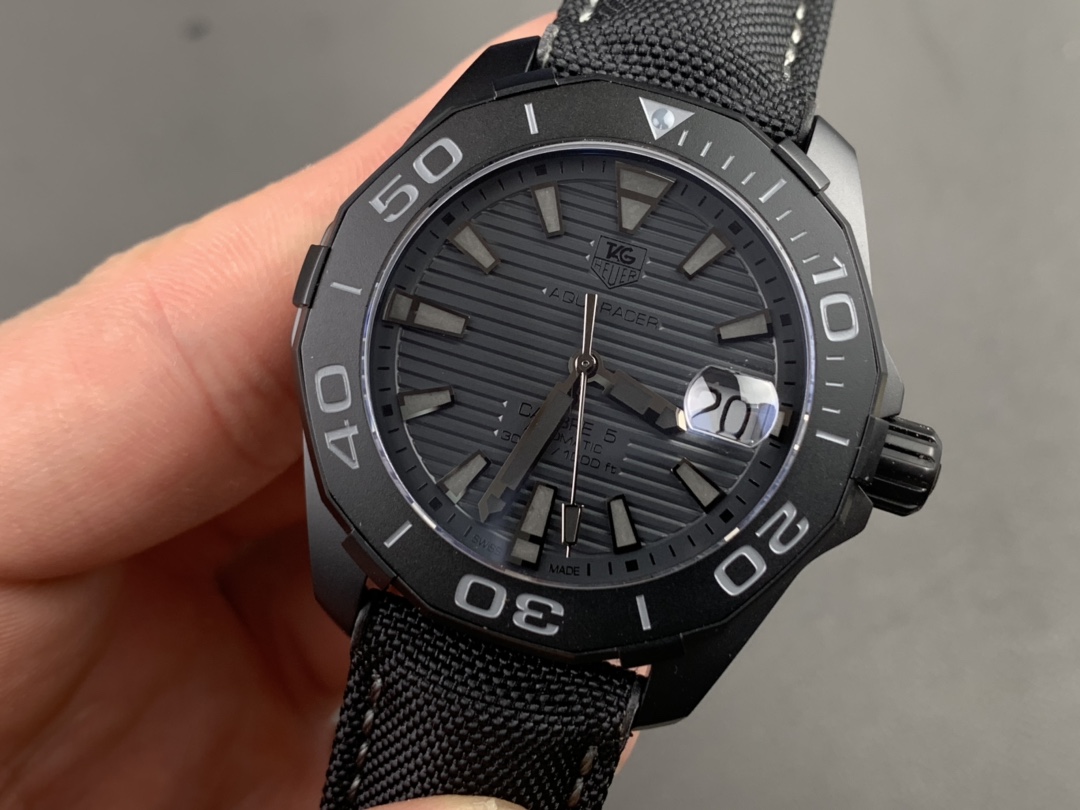
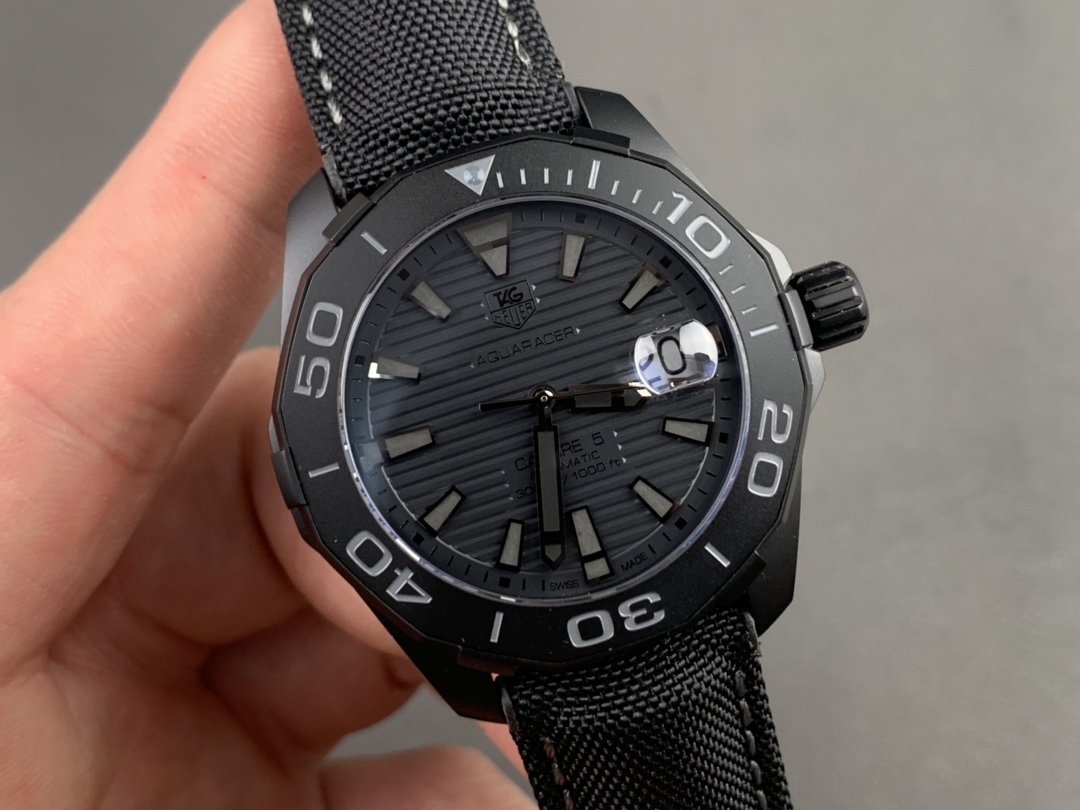
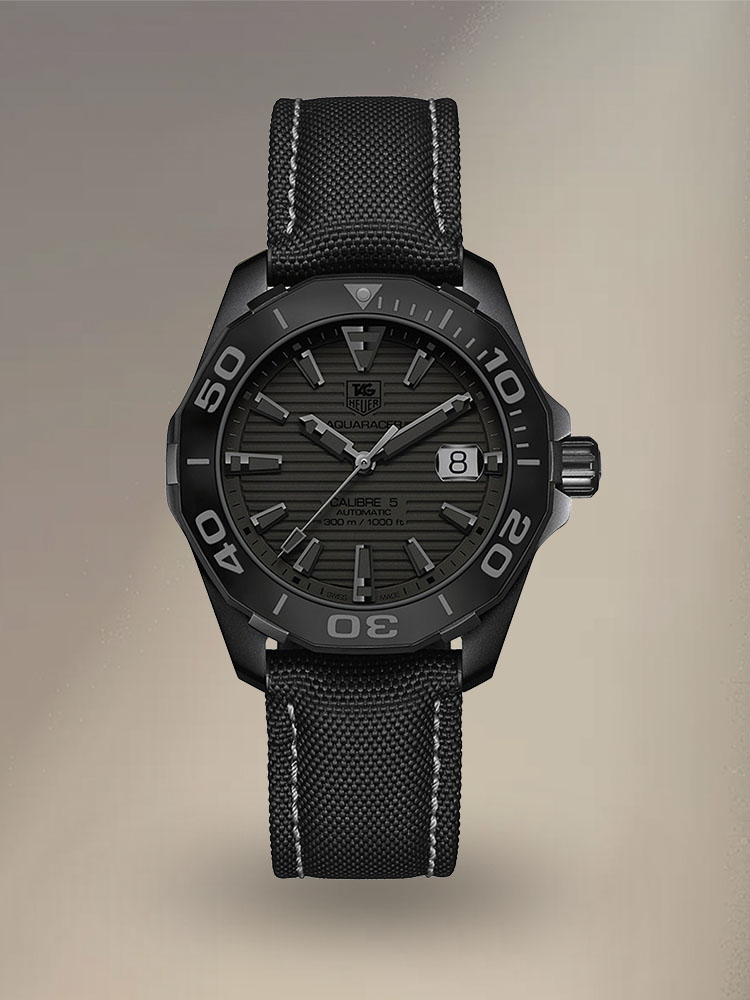
Aquaracer — Both Quartz and Automatic
Aquaracer models appear in both movement types.
Automatic Aquaracer watches emphasize traditional dive watch design, while quartz versions focus on durability and reliability in active environments.
Aquaracer collection: Tag Heuer Aquaracer replica
Formula 1 — Often Quartz
The Formula 1 series is designed as a sport-oriented collection.
Quartz movements appear frequently in Formula 1 replicas because they provide excellent reliability and require minimal maintenance.
Formula 1 collection: Tag Heuer Formula 1 replica
Pros and Cons of Automatic Tag Heuer Replica Watches
Advantages
- traditional mechanical watch experience
- sweeping seconds hand
- strong connection to classic watchmaking heritage
- commonly used in chronograph designs
Limitations
- requires regular wear or winding
- sensitive to strong shocks or magnetic environments
- accuracy varies slightly with position and activity
Automatic replicas appeal most to enthusiasts who enjoy the mechanical nature of watchmaking.
Pros and Cons of Quartz Tag Heuer Replica Watches
Advantages
- exceptional accuracy
- extremely reliable daily operation
- minimal maintenance
- resistant to shock and environmental factors
Limitations
- ticking seconds hand rather than sweeping
- battery replacement required periodically
- less mechanical interaction
Quartz replicas are often preferred for daily wear and sports environments.
Which Movement Should You Choose?
The automatic vs quartz replica watch debate ultimately depends on personal priorities.
Choose automatic if you:
- enjoy mechanical watchmaking
- wear your watch regularly
- prefer sweeping seconds hands
Choose quartz if you:
- want maximum accuracy
- prefer minimal maintenance
- wear the watch occasionally
Many experienced collectors actually own both.
Quartz watches often serve as dependable everyday pieces, while automatic watches provide a mechanical experience that many enthusiasts appreciate.
Movement Transparency and Responsible Expectations
Transparent information about watch movements is an important factor when evaluating replica watches.
Responsible sellers clearly explain:
- movement type
- realistic accuracy expectations
- maintenance requirements
Transparent descriptions help buyers understand what mechanical systems can realistically achieve and prevent unrealistic expectations about precision or durability.
For further discussion on movement behavior and daily use experience, see: Automatic vs Quartz Experience
FAQ
Is automatic or quartz better in replica watches?
Quartz movements are generally more accurate and require less maintenance. Automatic movements provide a mechanical experience and traditional watchmaking appeal.
How accurate are automatic replica watches?
Most automatic replica watches run within approximately ±10–30 seconds per day, depending on the movement and usage conditions.
Do quartz replica watches last longer?
Quartz watches often require fewer mechanical adjustments and maintain stable accuracy, but they rely on battery replacements every few years.
Which Tag Heuer replica series uses quartz?
Quartz movements commonly appear in Formula 1 models and some Aquaracer watches, reflecting the design logic of the original collections.
Final Thoughts
The comparison between automatic vs quartz replica watch movements reflects two fundamentally different approaches to timekeeping.
Automatic watches emphasize mechanical tradition, craftsmanship, and interaction. Quartz watches prioritize accuracy, reliability, and simplicity.
Neither movement type is universally better. The best option depends on how the watch will be worn and what the user values most in a timepiece.
Understanding these differences allows buyers to choose a watch that aligns with their lifestyle and expectations.