Movement Design & Usage Behavior: Automatic vs Quartz Experience
A technical, user-facing comparison of automatic mechanical and quartz movements in replica watches—focused on accuracy behavior, power logic, tactile experience, maintenance cycles, and real-world usability.Introduction: Movement Choice as a Usage-System Decision
In the replica watch domain, the choice between automatic mechanical and quartz movements is not a matter of prestige, but of usage logic. Each movement type represents a distinct system that governs accuracy behavior, power management, sensory feedback, maintenance cycles, and long-term ownership expectations.
This article provides a technical yet user-facing analysis of the Automatic vs Quartz Experience, integrating movement design principles with real-world wearing behavior—specifically within the context of modern replica watches, where stability and expectation management are critical.
1. Timekeeping Accuracy: Stability vs Variability
Quartz Accuracy: High Precision, Low Dependency
Quartz movements are defined by exceptional timekeeping stability. Typical monthly deviation ranges between ±10 to ±30 seconds, and performance remains largely unaffected by wearing habits or environmental positioning.
- Accuracy remains stable regardless of wear frequency
- No positional variance
- Minimal sensitivity to daily lifestyle factors
For users with strict accuracy expectations, quartz movements offer a clear and measurable advantage.
Automatic Accuracy: Acceptable Deviation, Behavior-Dependent
Automatic mechanical movements operate within normal mechanical tolerance ranges, typically around –10 to +20 seconds per day, with higher-grade movements performing more consistently.
Accuracy is influenced by:
- Wearing frequency and winding habits
- Positional differences during rest
- Temperature variation
- Magnetic exposure
In replica watches, understanding this variability is essential. Accuracy should be evaluated over real usage cycles, not isolated measurements.
Note: The figures above reflect typical user-facing reference ranges in this article’s framework.
2. Power Reserve and Energy Management Logic
Automatic Power Reserve: Wear-Driven Continuity
Automatic movements typically provide 38 to 80 hours of power reserve, depending on the movement design.
Implications:
- Extended non-wear leads to stoppage
- Requires manual winding or wrist motion to restart
- Encourages habitual daily wear or rotation discipline
This creates a participatory ownership model, where the watch’s performance reflects the wearer’s behavior.
Quartz Power Supply: Long-Term Autonomy
Quartz movements rely on batteries that generally last 1 to 5 years, depending on movement type and complication load.
- No daily intervention required
- Ideal for occasional or seasonal wear
- Consistent performance after long storage periods
This autonomy significantly reduces cognitive and behavioral friction.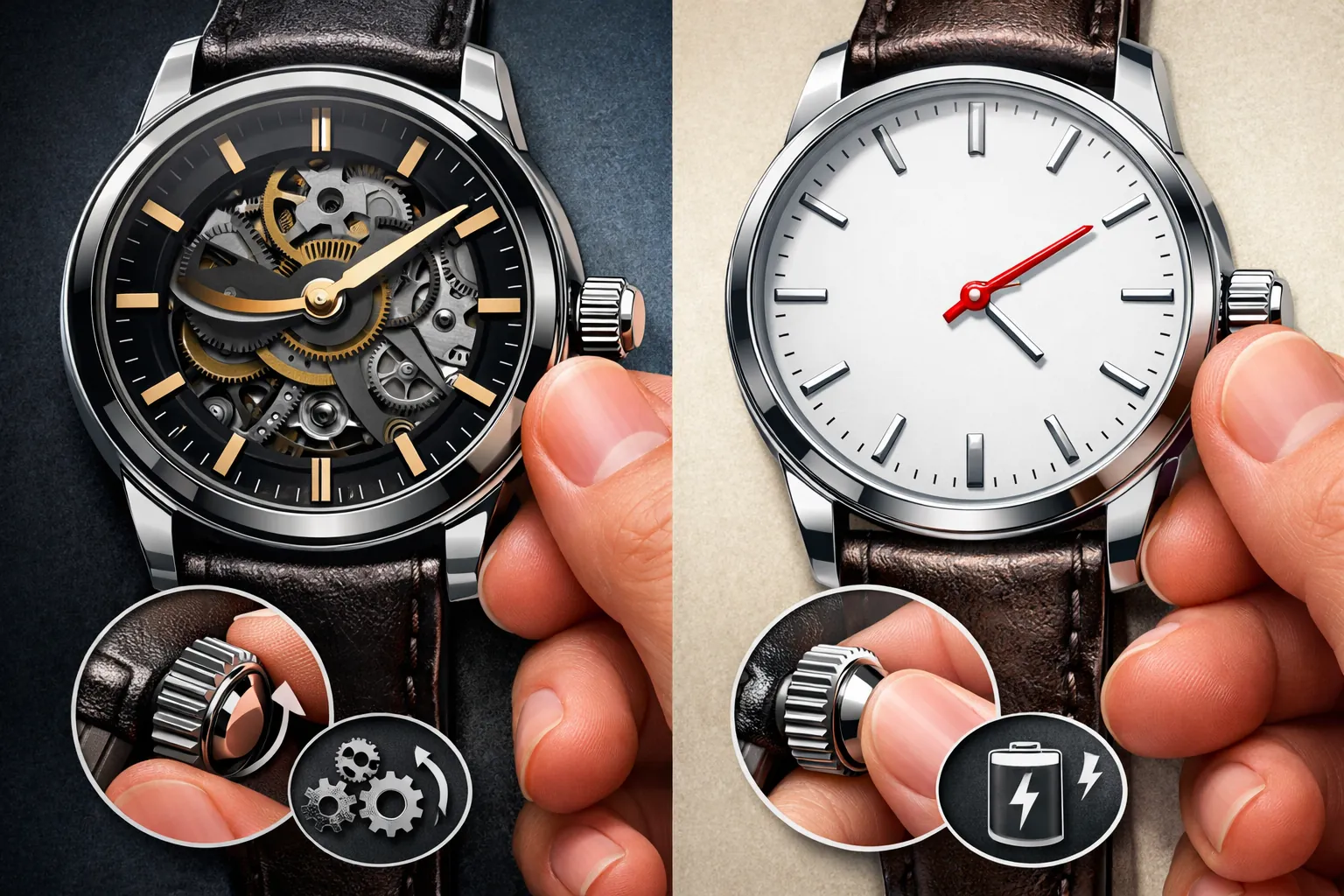
3. Sensory and Tactile Experience Differences
Seconds Hand Motion: Visual Perception
One of the most immediate distinctions lies in seconds hand behavior:
- Quartz
- Standard quartz: clear one-second ticking
- High-frequency quartz: visually smoother sweep
- Automatic
- Multi-beat sweep (typically 6–10 steps per second)
- Appears fluid and continuous to the naked eye
This visual rhythm plays a major role in perceived authenticity for enthusiasts.
Crown Interaction: Mechanical Feedback vs Functional Simplicity
Crown operation further differentiates the experience:
- Automatic Mechanical
- Noticeable winding resistance
- Increasing torque as mainspring tightens
- Clear tactile feedback during setting
- Quartz
- Light, smooth rotation
- Limited resistance
- Primarily functional interaction
These tactile cues are often cited as the reason mechanical watches feel more “alive.”
4. Maintenance Requirements and Ownership Cost
Automatic Maintenance Cycle
Automatic movements require periodic servicing, typically every 4–7 years, including:
- Cleaning
- Lubrication
- Regulation
Service intervals depend on:
- Usage environment
- Movement stability
- Wearing frequency
Replica platforms must clearly disclose these expectations to avoid misalignment.
Quartz Maintenance Simplicity
Quartz movements generally require:
- Battery replacement every 1–5 years
- Periodic gasket inspection for water resistance
Major servicing is rare outside of complex multifunction models.
5. Complications: Mechanical vs Electronic Execution
Both movement types support advanced functions, but execution differs fundamentally.
Automatic Mechanical Complications
- Chronograph
- GMT
- Perpetual calendar
- Tourbillon
All functions are achieved through pure mechanical interaction, emphasizing craftsmanship and tradition.
Quartz Complications
- Chronograph (including flyback)
- Alarm
- World time
- Perpetual calendar
Electronic control allows:
- Higher functional precision
- Easier setting and reset
- Lower operational complexity
Quartz complications often feel more intuitive in daily use.
6. Psychological and Cultural Dimensions
Mechanical Watches: Ritual and Engagement
Automatic movements appeal to users who value:
- Mechanical artistry
- Interaction and ritual
- Emotional engagement with the object
The watch feels dynamic, reactive, and participatory.
Quartz Watches: Reliability and Utility
Quartz movements resonate with users who prioritize:
- Accuracy
- Reliability
- Minimal maintenance
- Practical flexibility
The experience is defined by consistency rather than ritual.
7. Choosing Between Automatic and Quartz
The decision should be based on personal priority alignment, not hierarchy.
- Mechanical craftsmanship
- Smooth sweep seconds
- Winding ritual
- A “living” mechanical presence
- Extreme accuracy
- Low maintenance
- Environmental resilience
- Convenience for occasional wear
Many experienced collectors maintain both types, leveraging their complementary strengths.
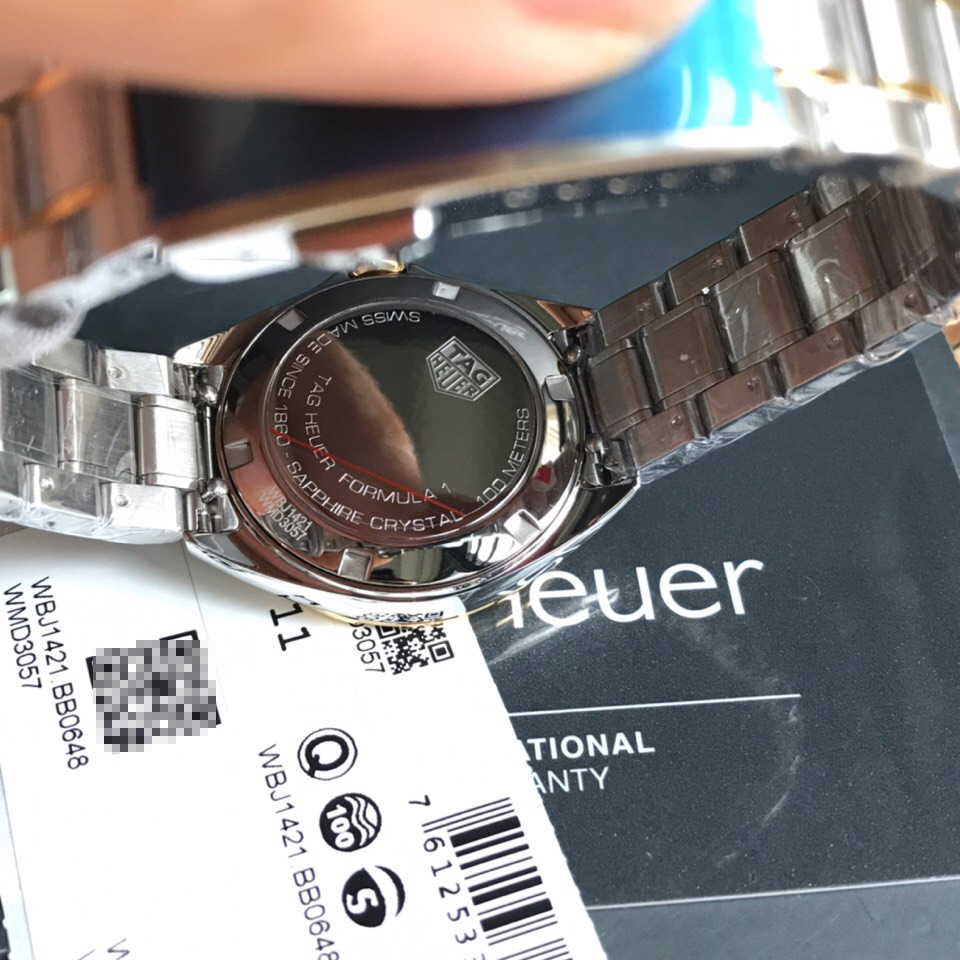
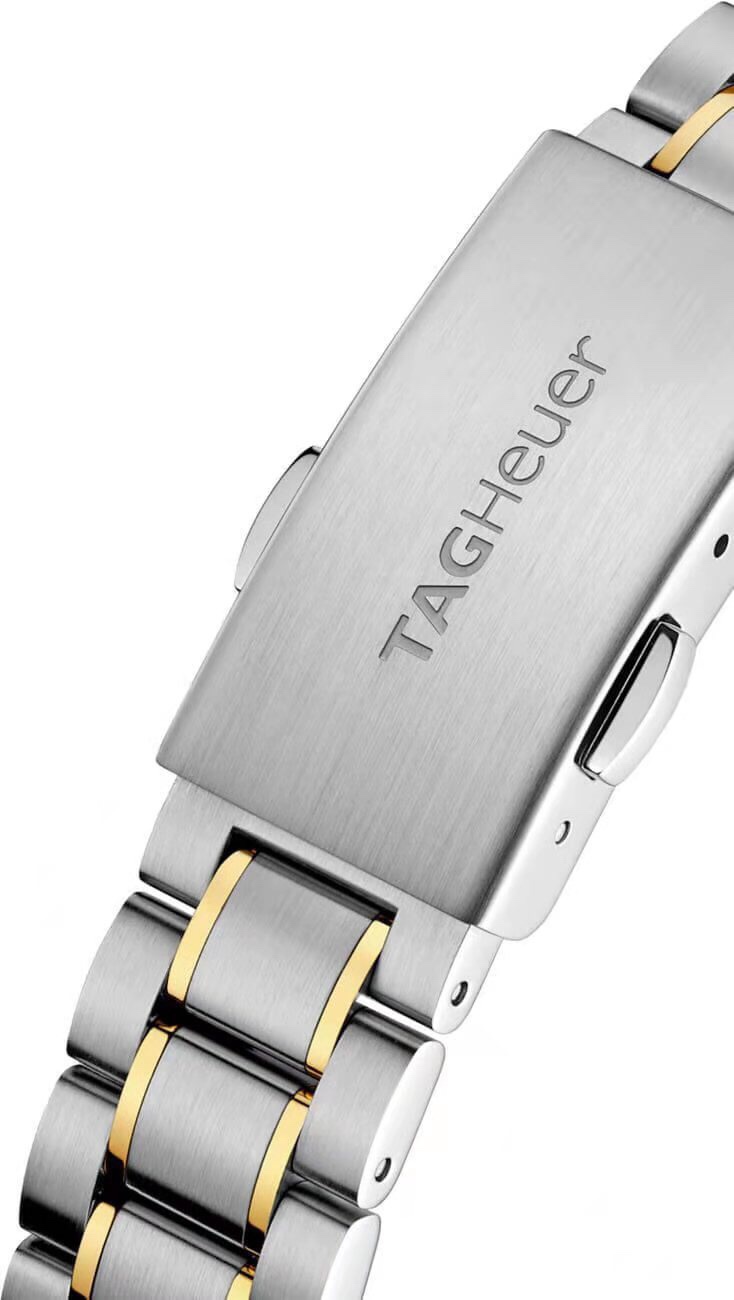
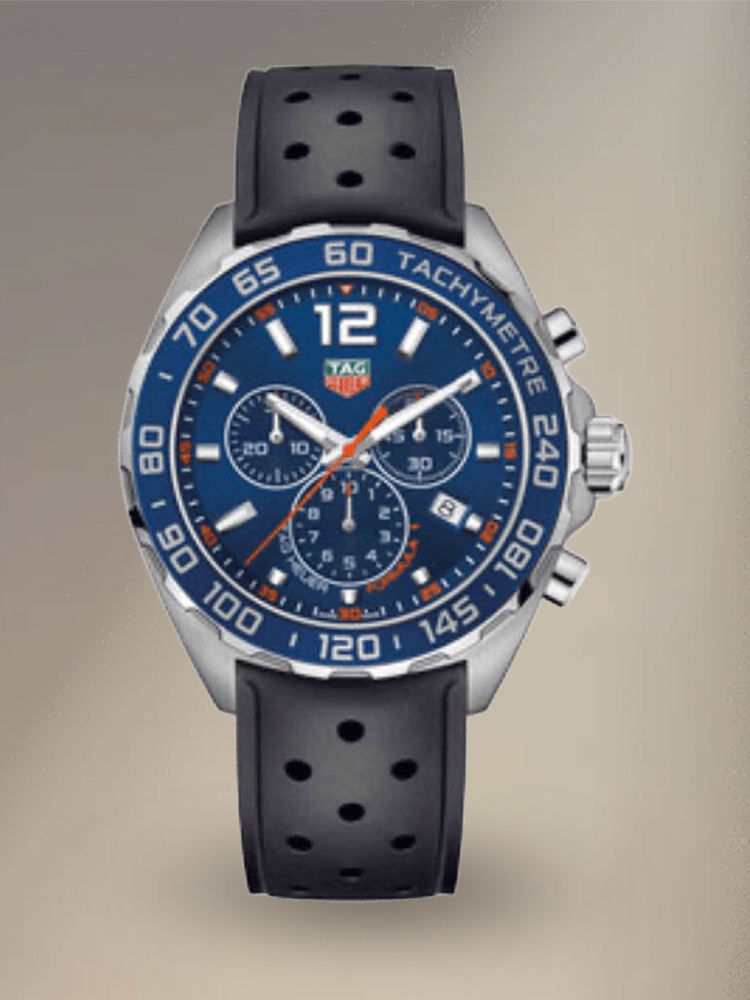
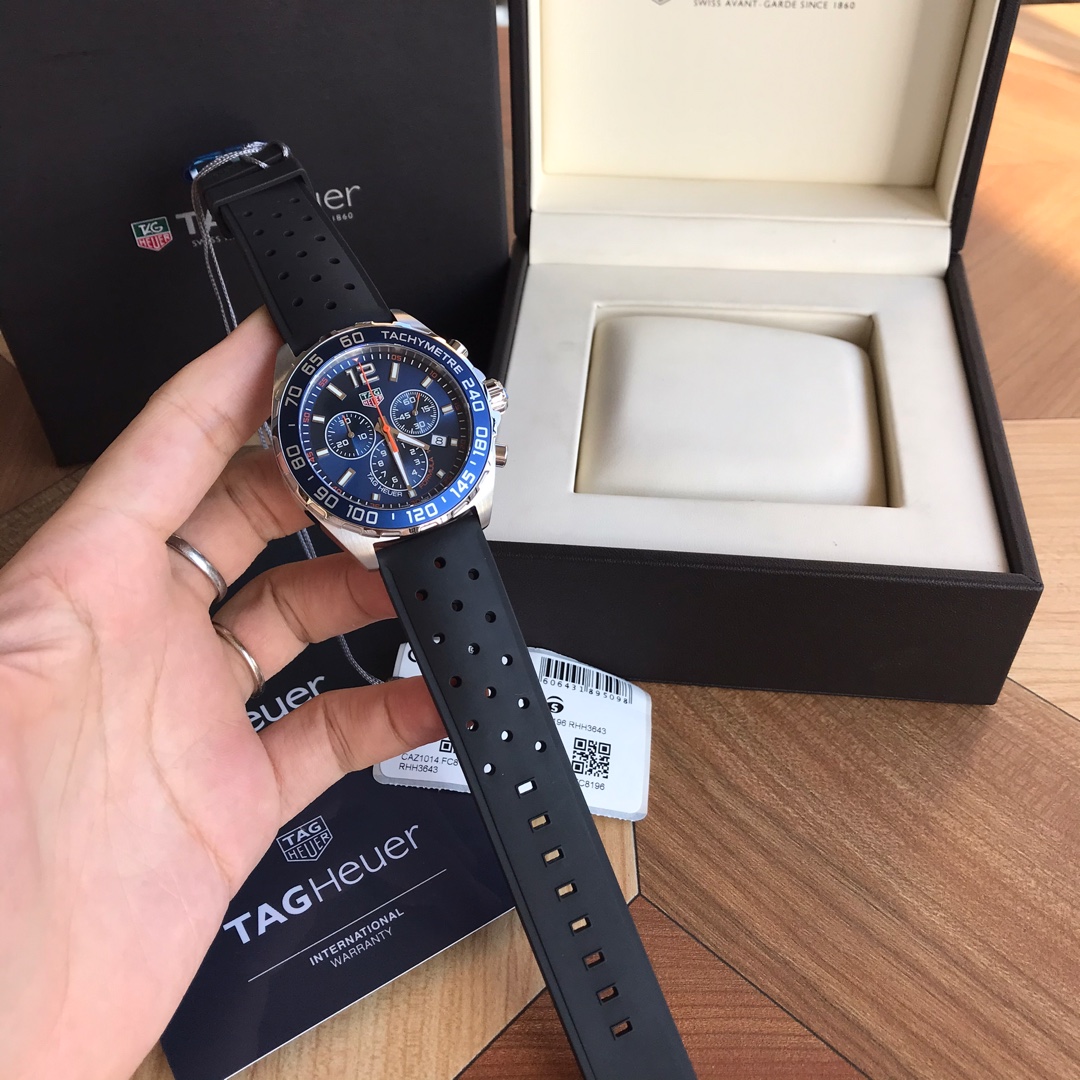
8. Real-World Replica Examples
How to Choose Between Automatic and Quartz
The final decision depends on your personal priorities and wearing habits.
Choose Automatic Mechanical if you value refined mechanical craftsmanship, a smooth sweeping seconds hand, the ritual of winding, and the unique sense that a mechanical watch feels “alive” on the wrist.
Choose Quartz if you prioritize exceptional accuracy, low maintenance requirements, reliable performance in different environments, and the convenience of occasional or rotation wear.
Many watch enthusiasts choose to own both automatic and quartz watches, allowing them to enjoy the distinctly different experiences each movement offers.
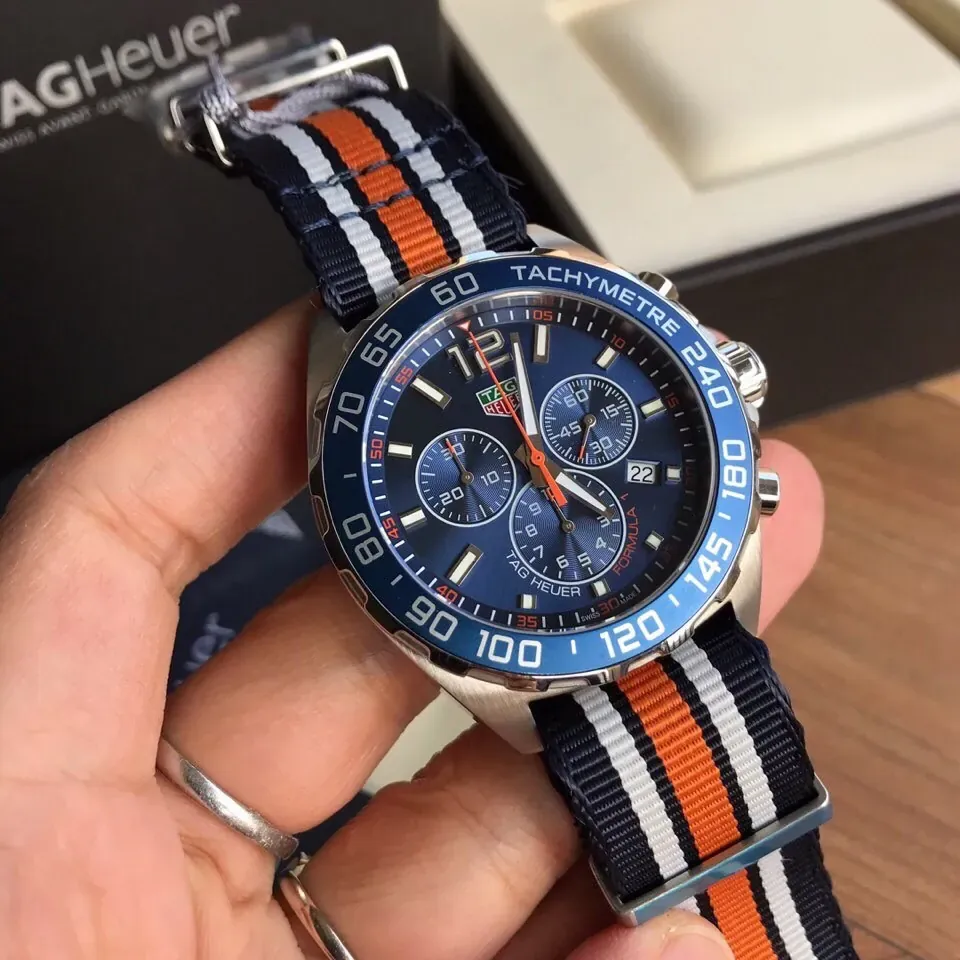
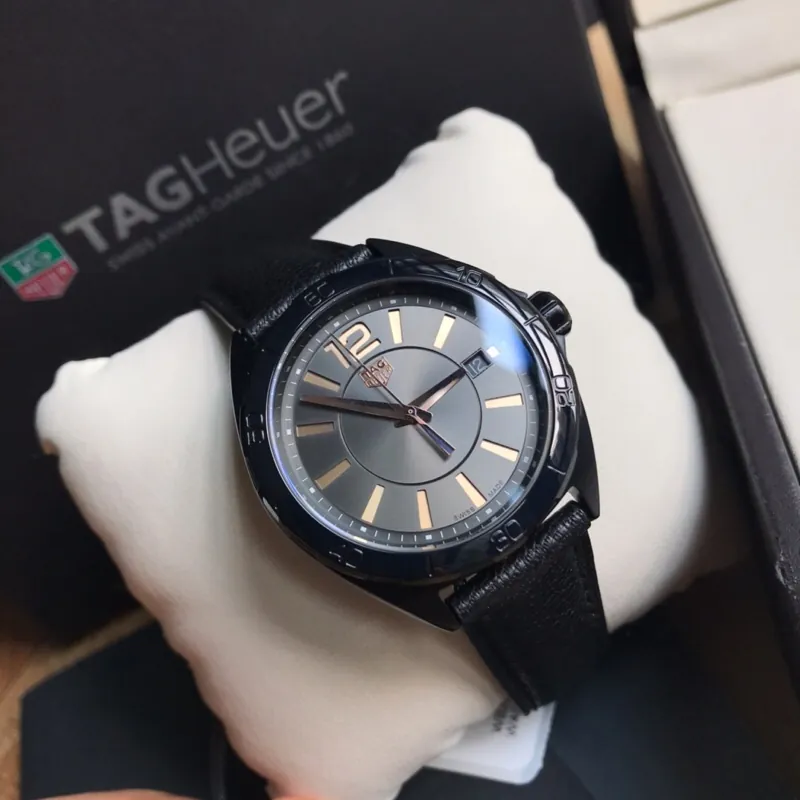
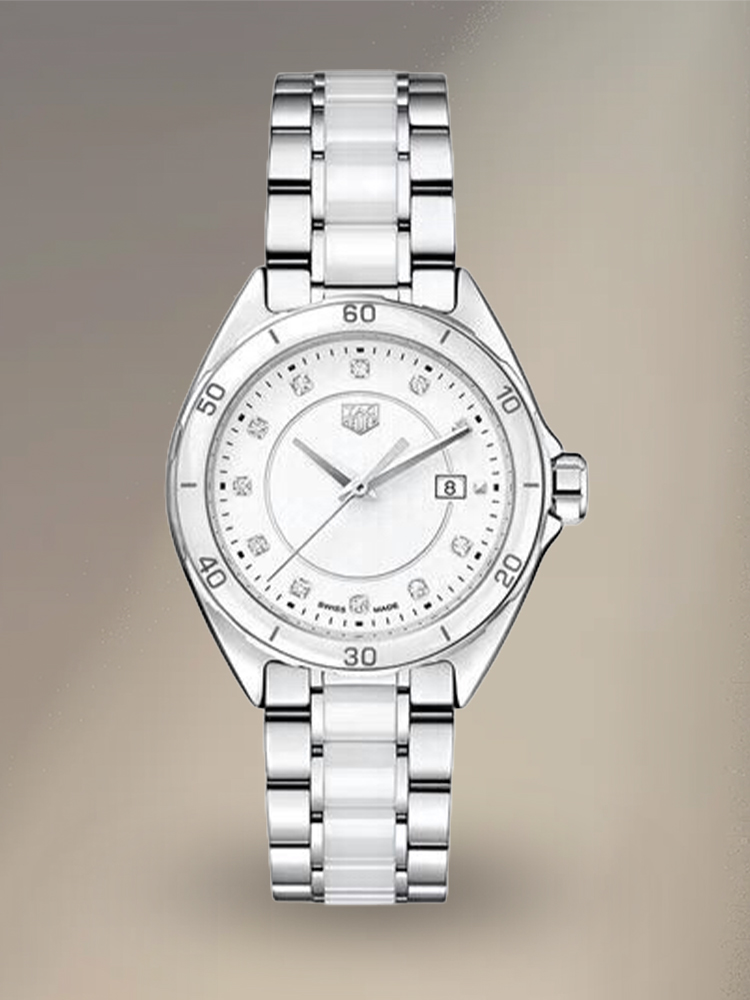
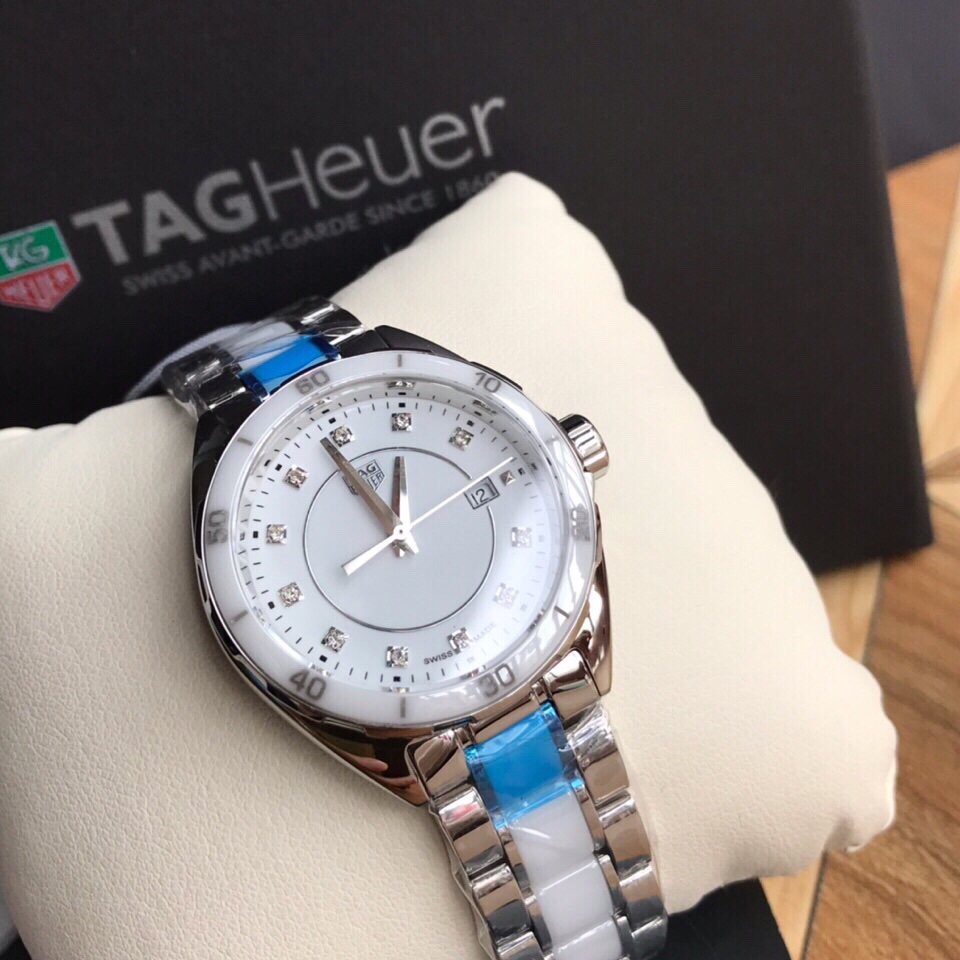
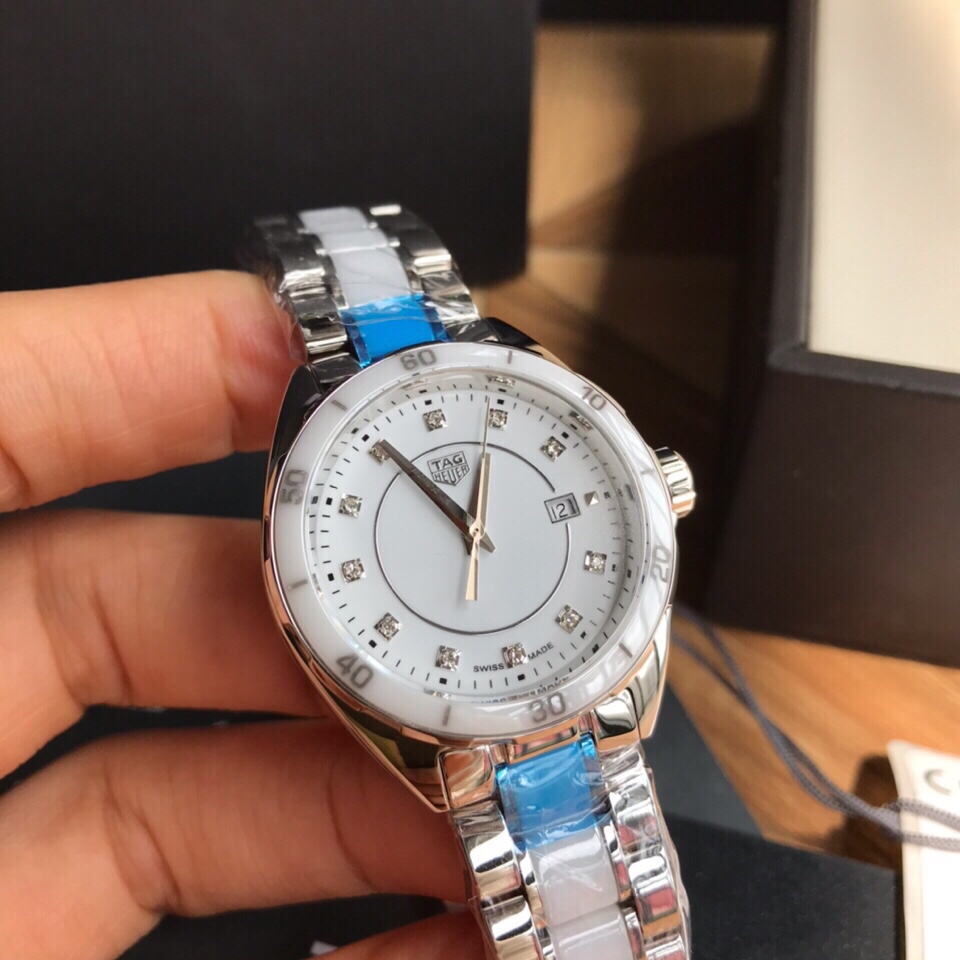
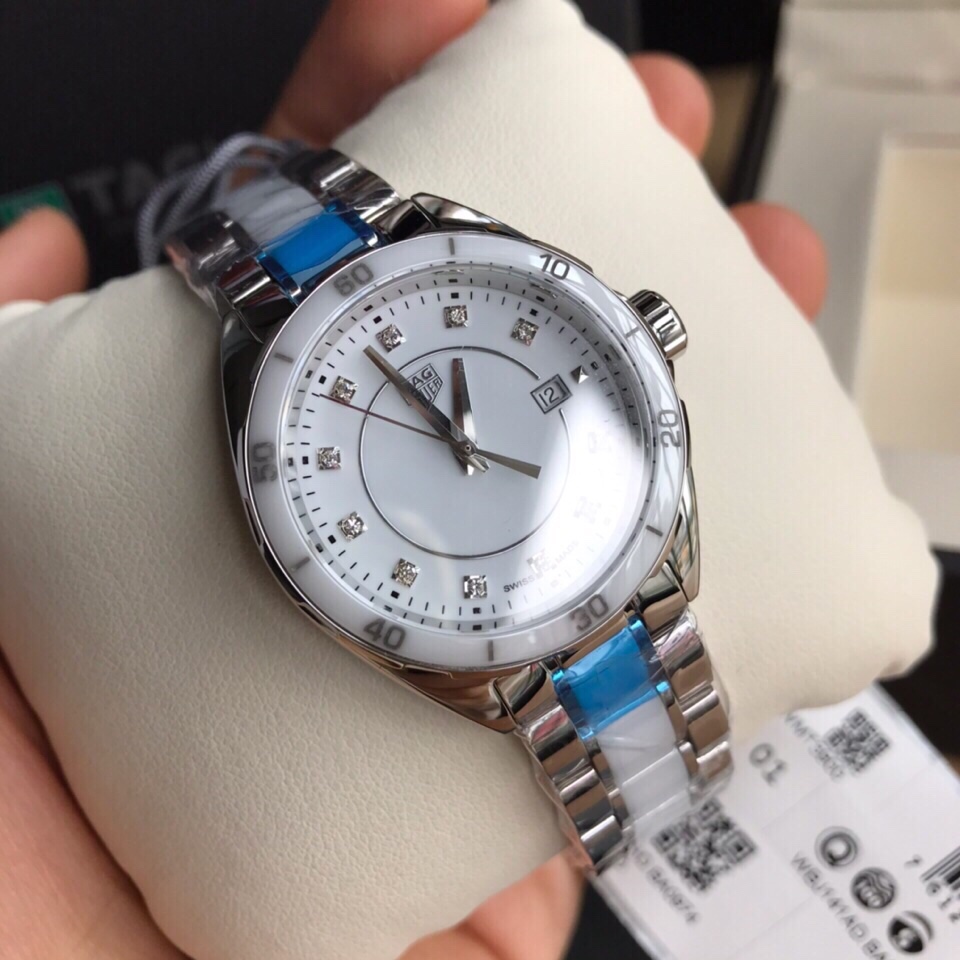
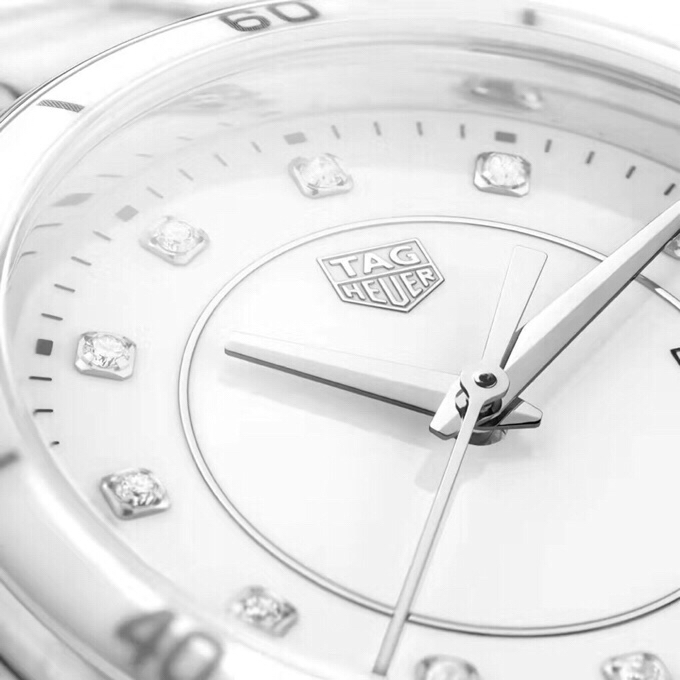
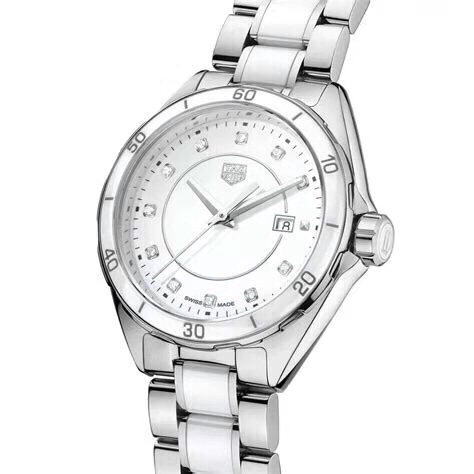
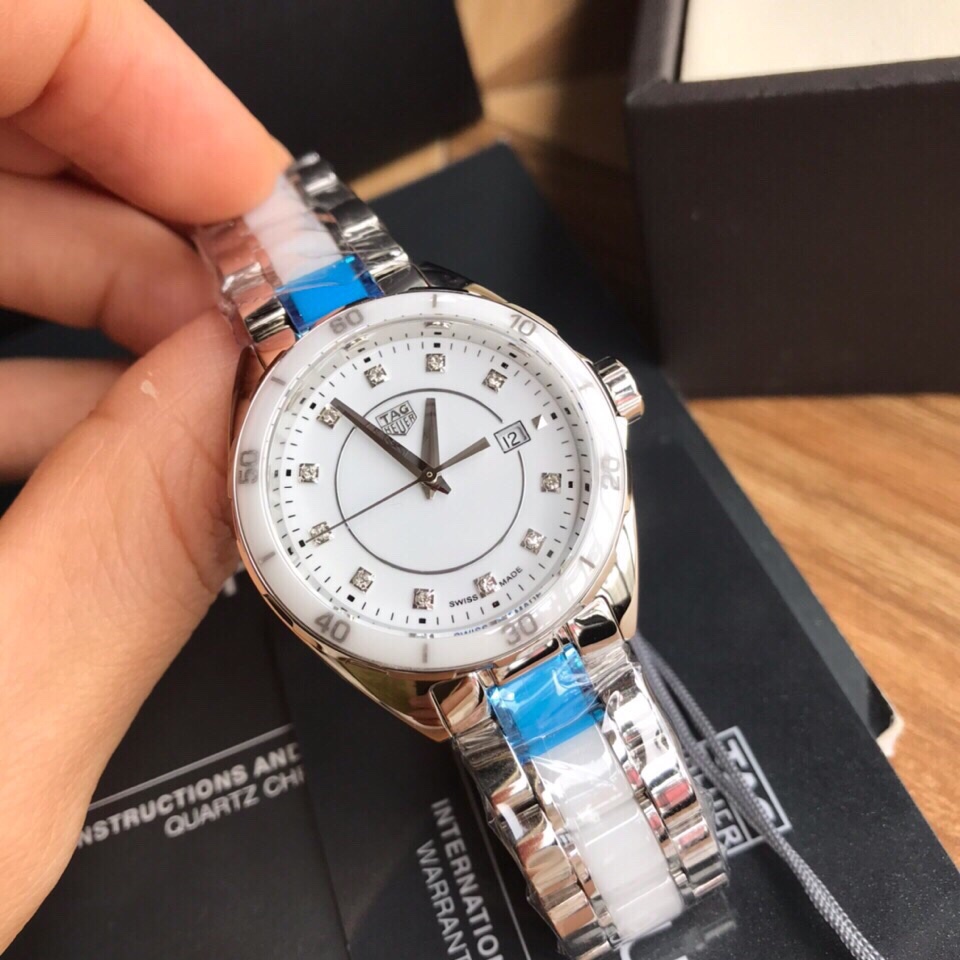
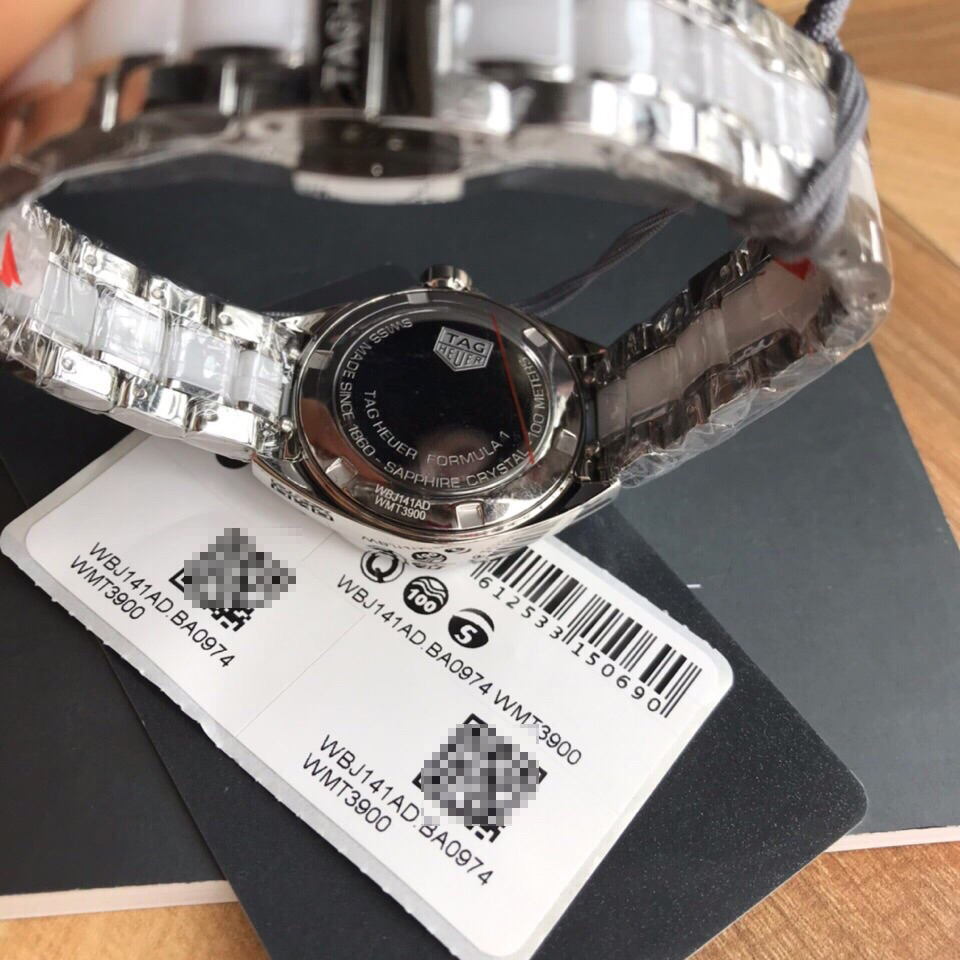
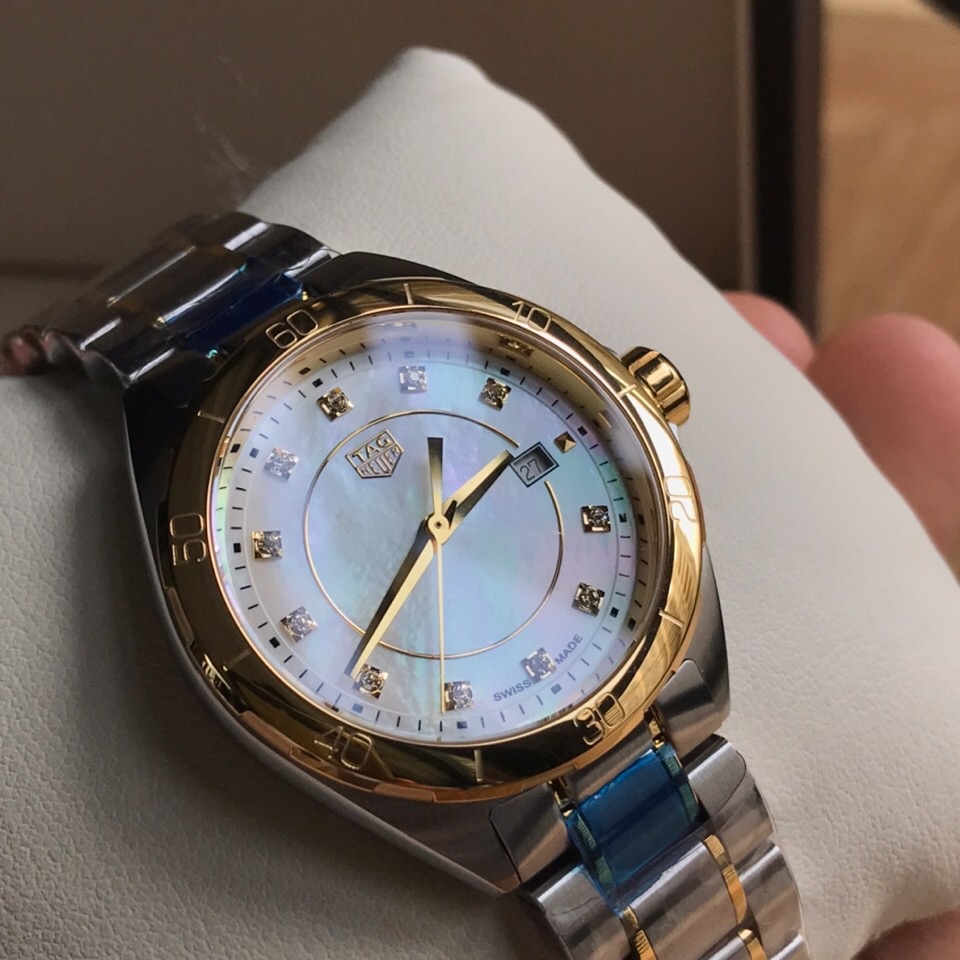
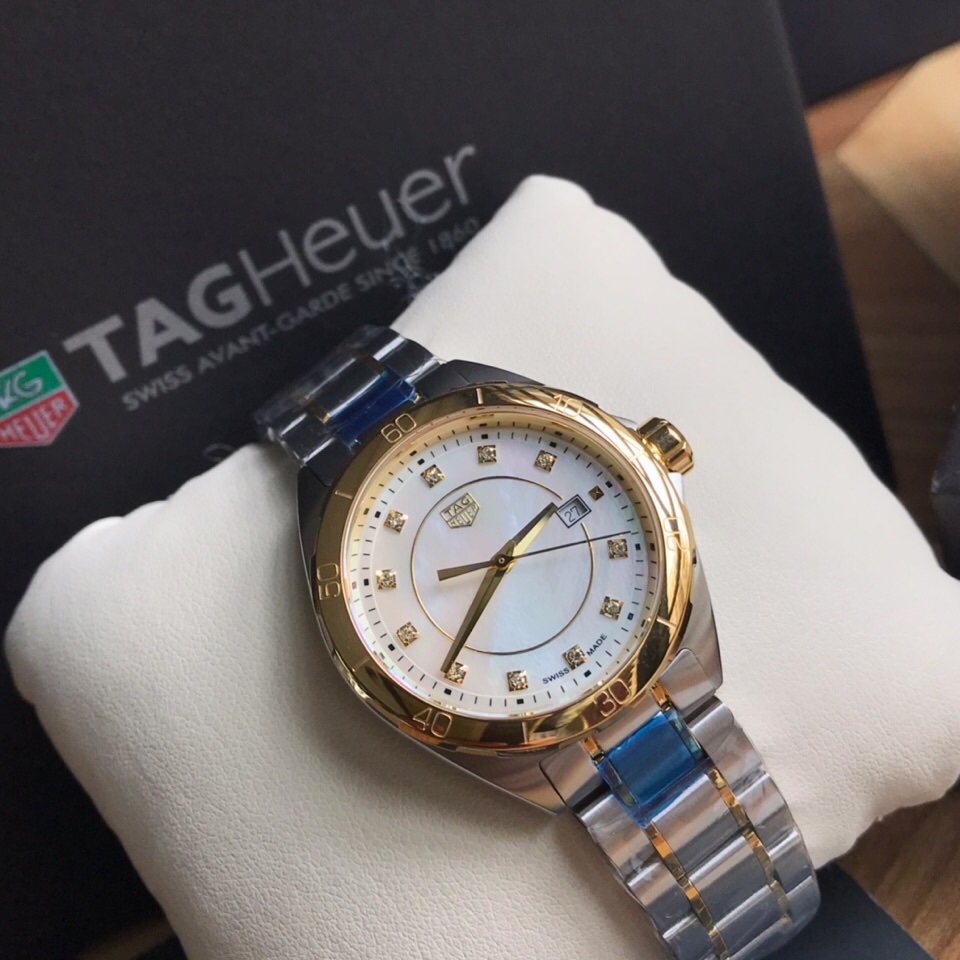
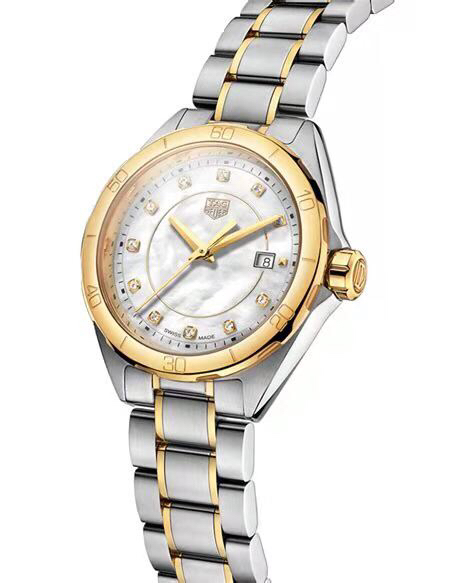
These two models clearly demonstrate how movement choice directly shapes daily experience.
Conclusion: Movement Is a Lifestyle Interface
In replica watches, movement selection is best understood as a usage-system decision.
Automatic movements deliver engagement, ritual, and mechanical character—but demand understanding. Quartz movements deliver precision, autonomy, and simplicity—with minimal behavioral requirements.
An informed choice transforms a watch from an object into a reliable, satisfying long-term companion.