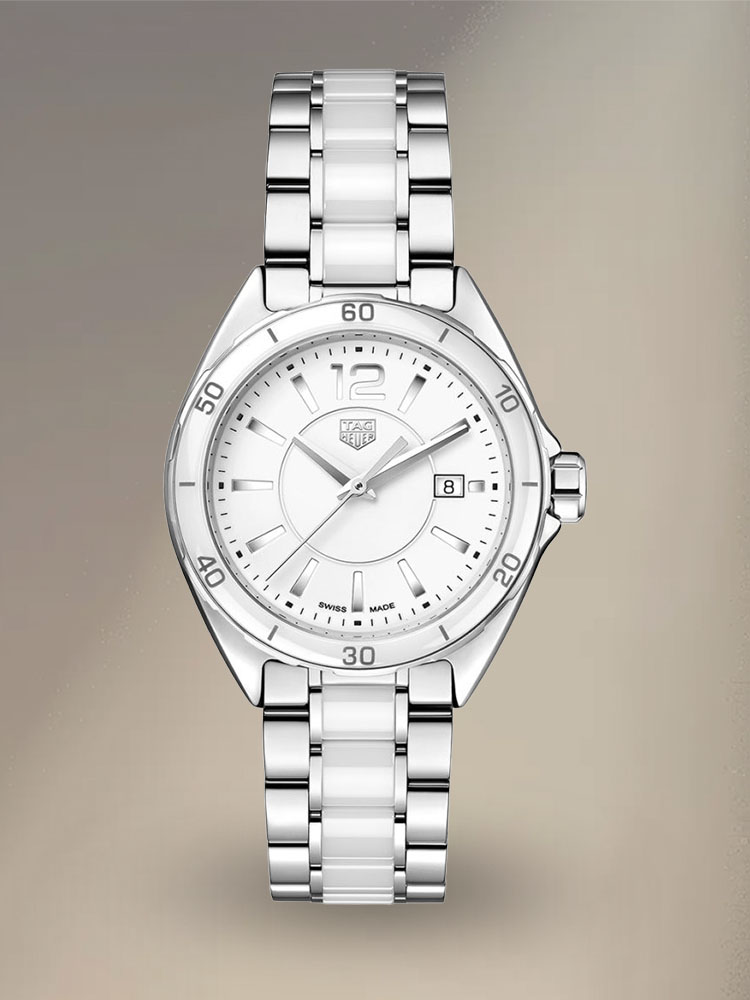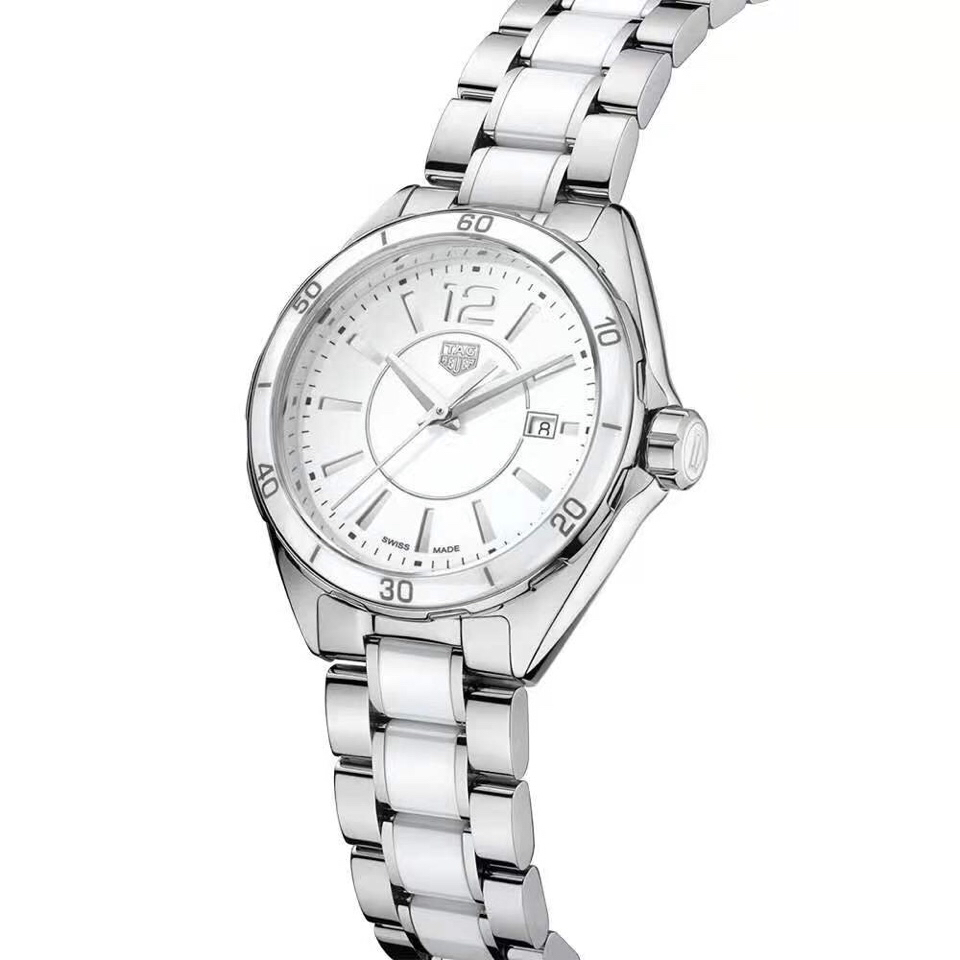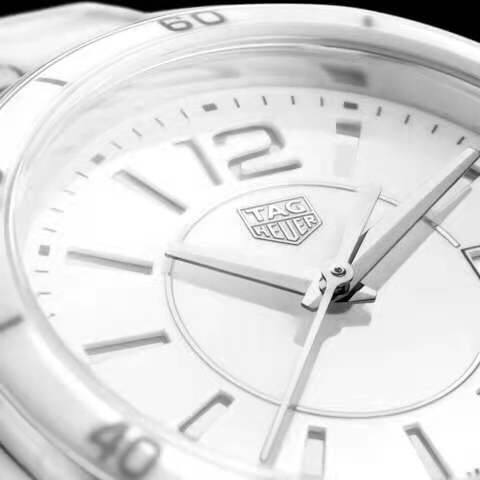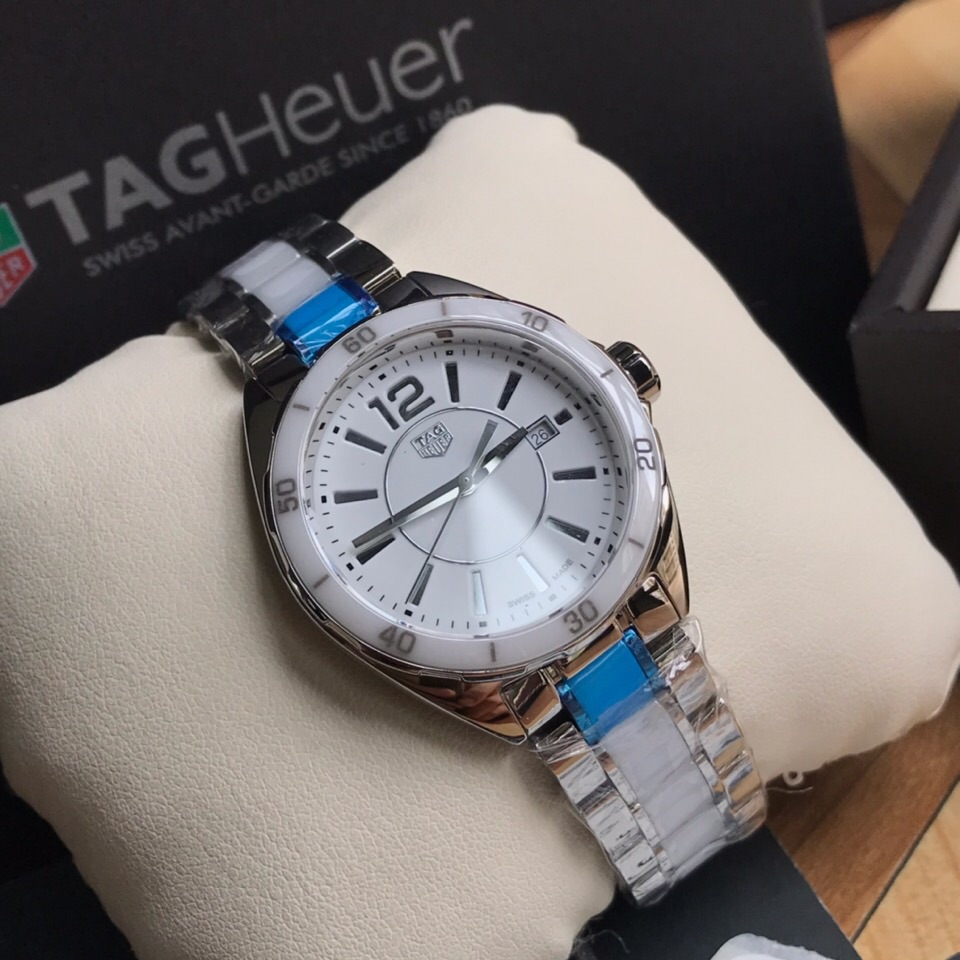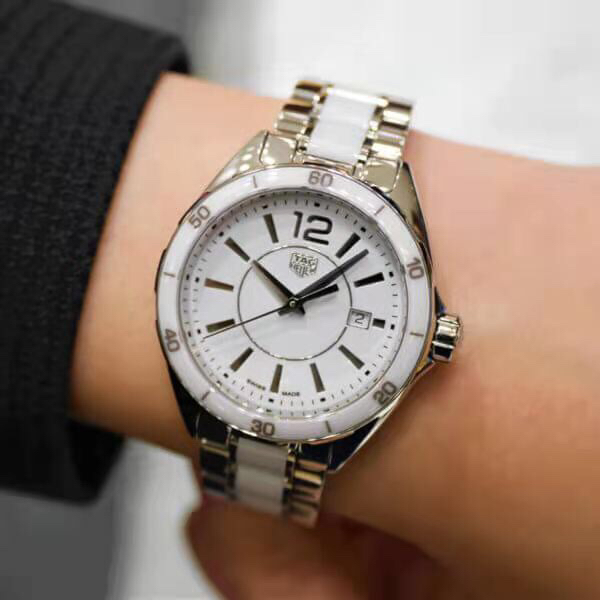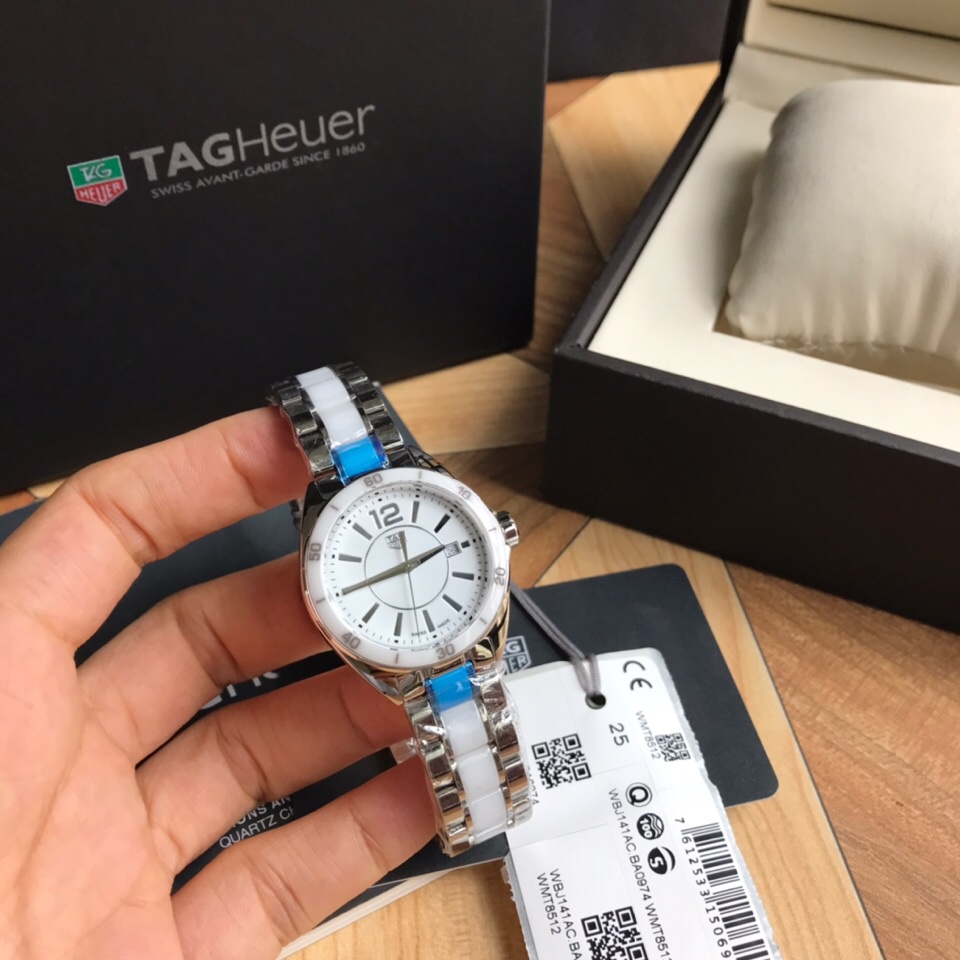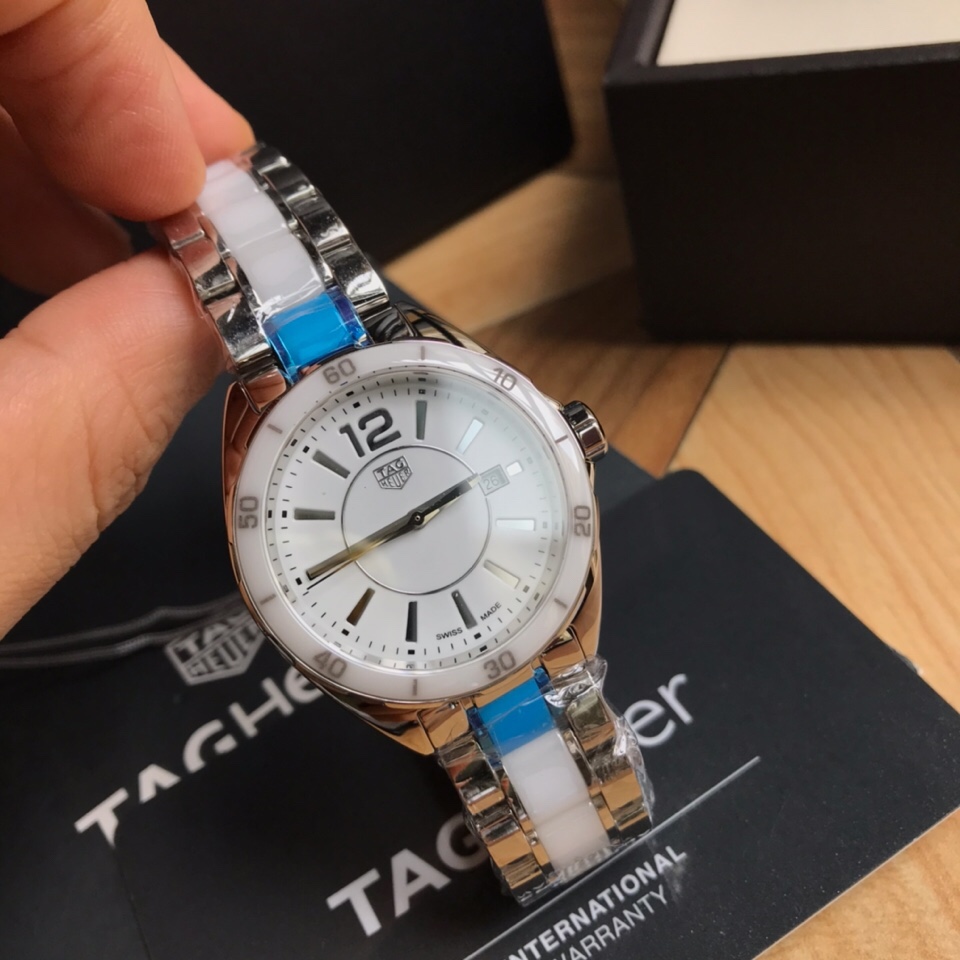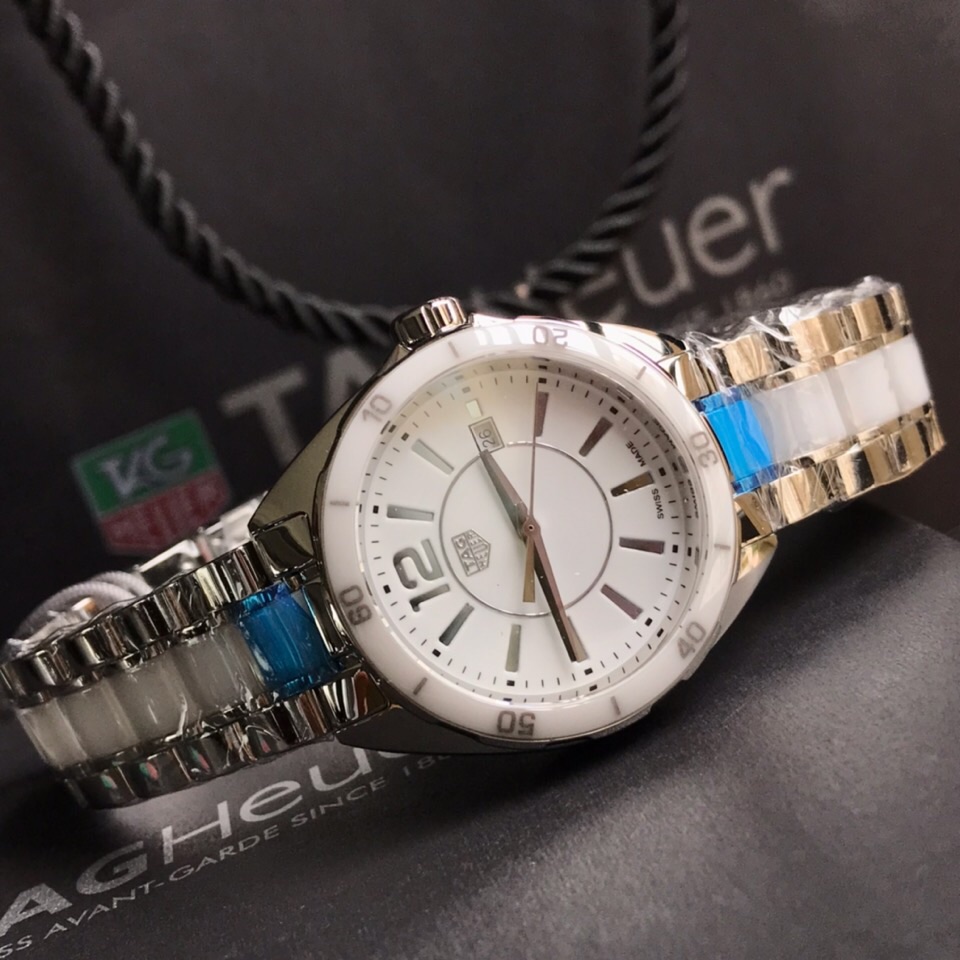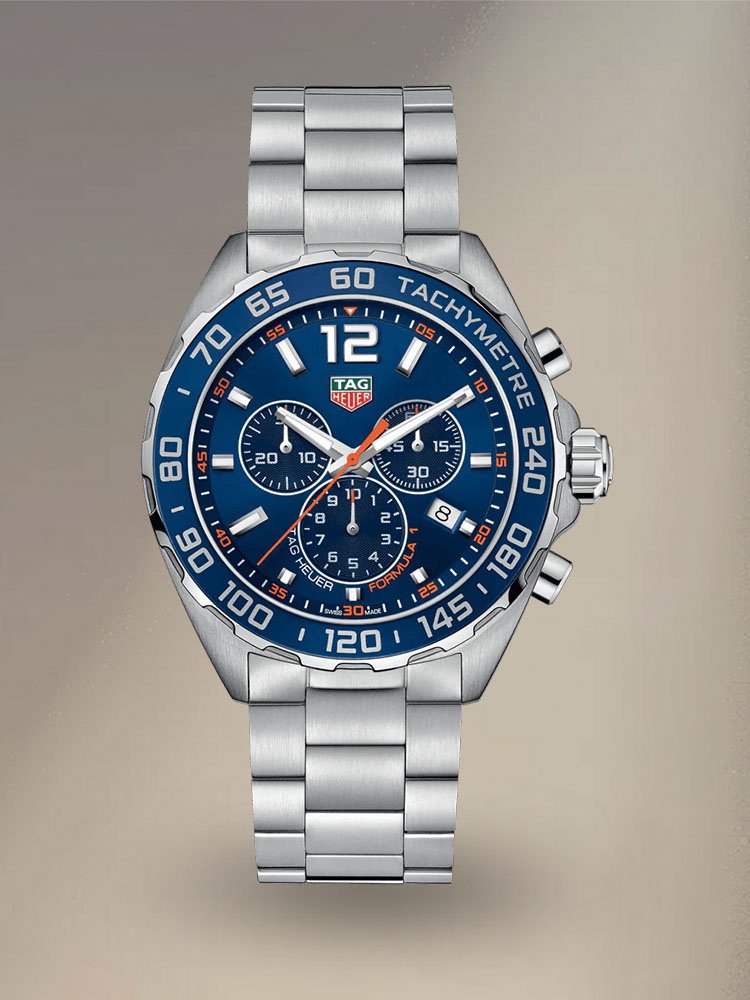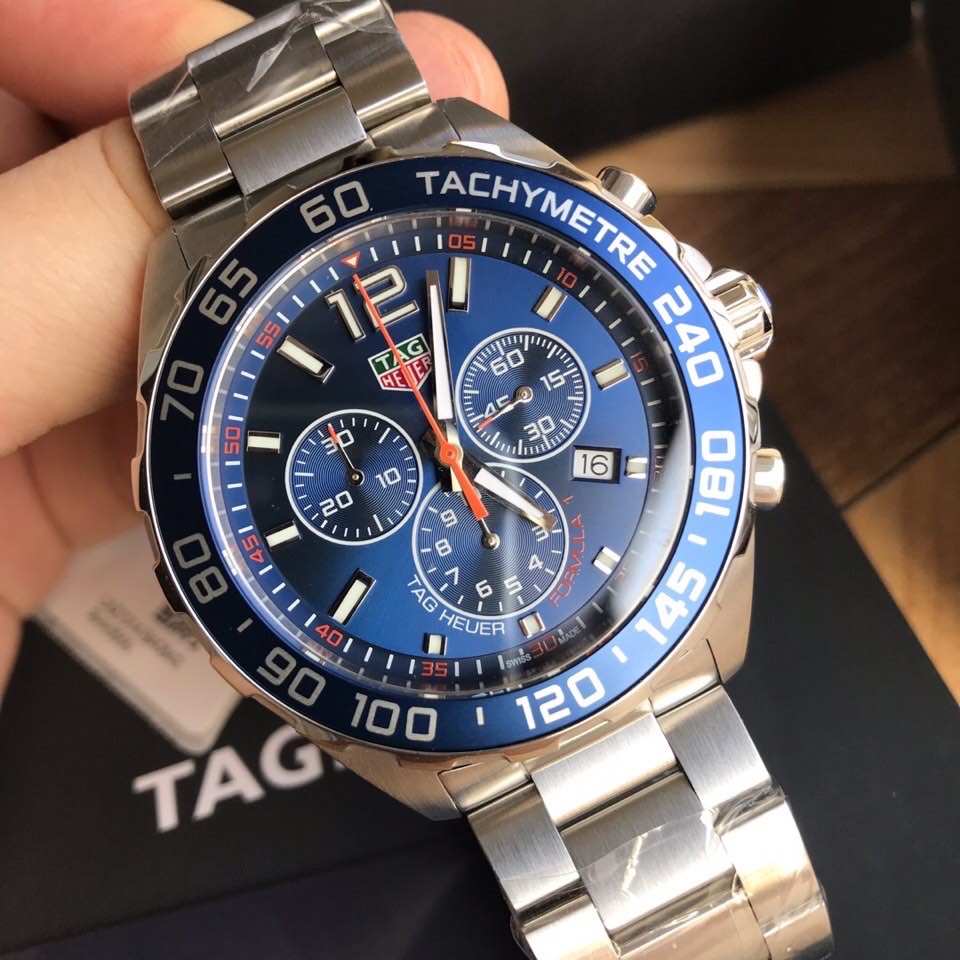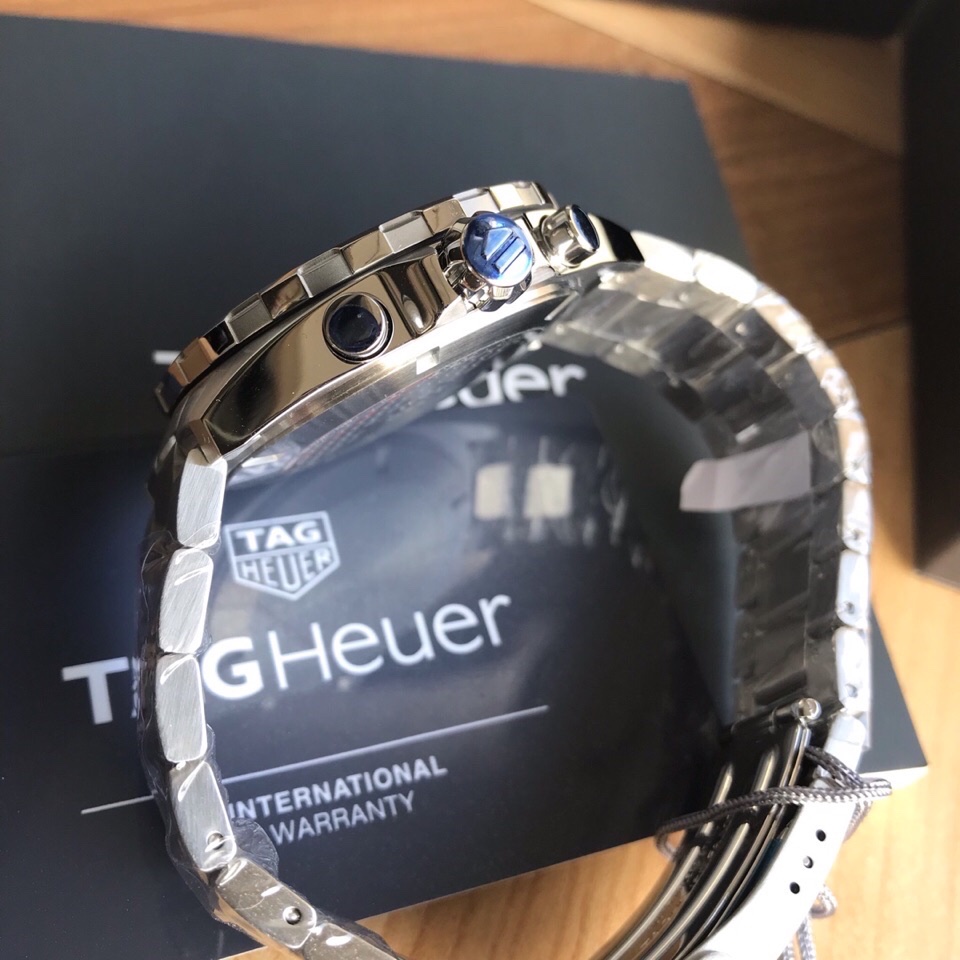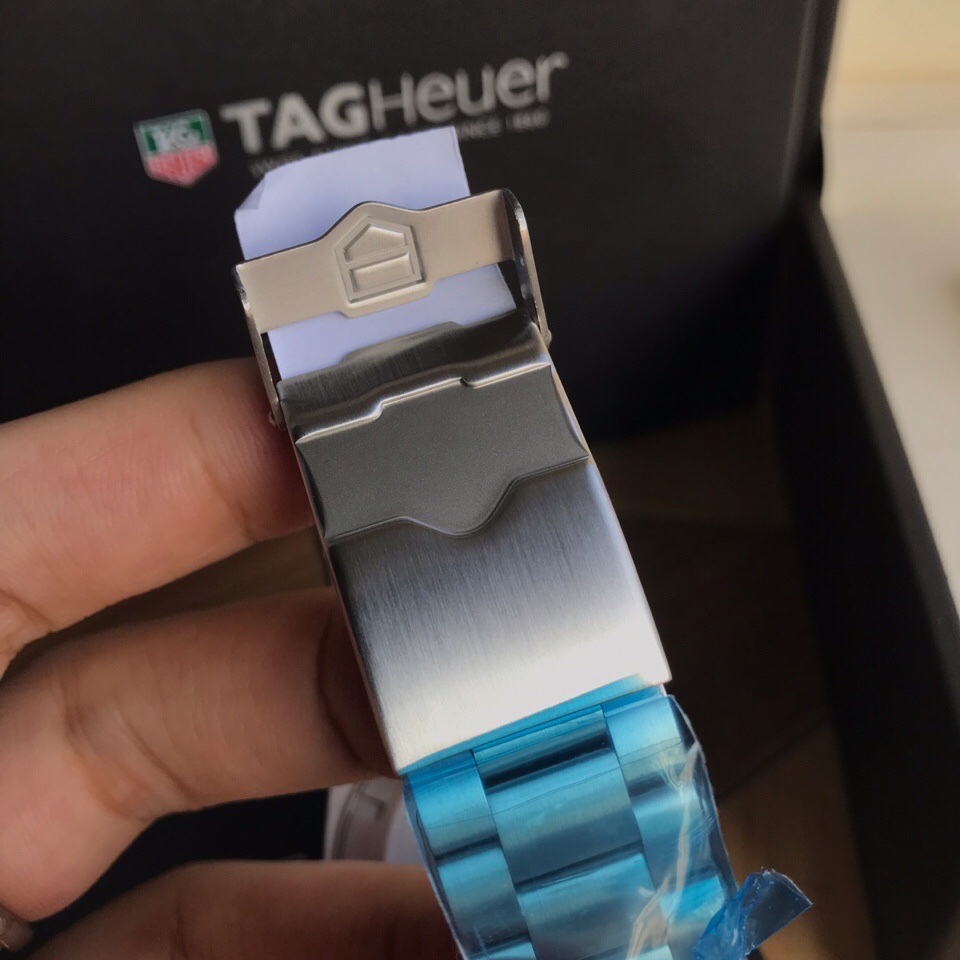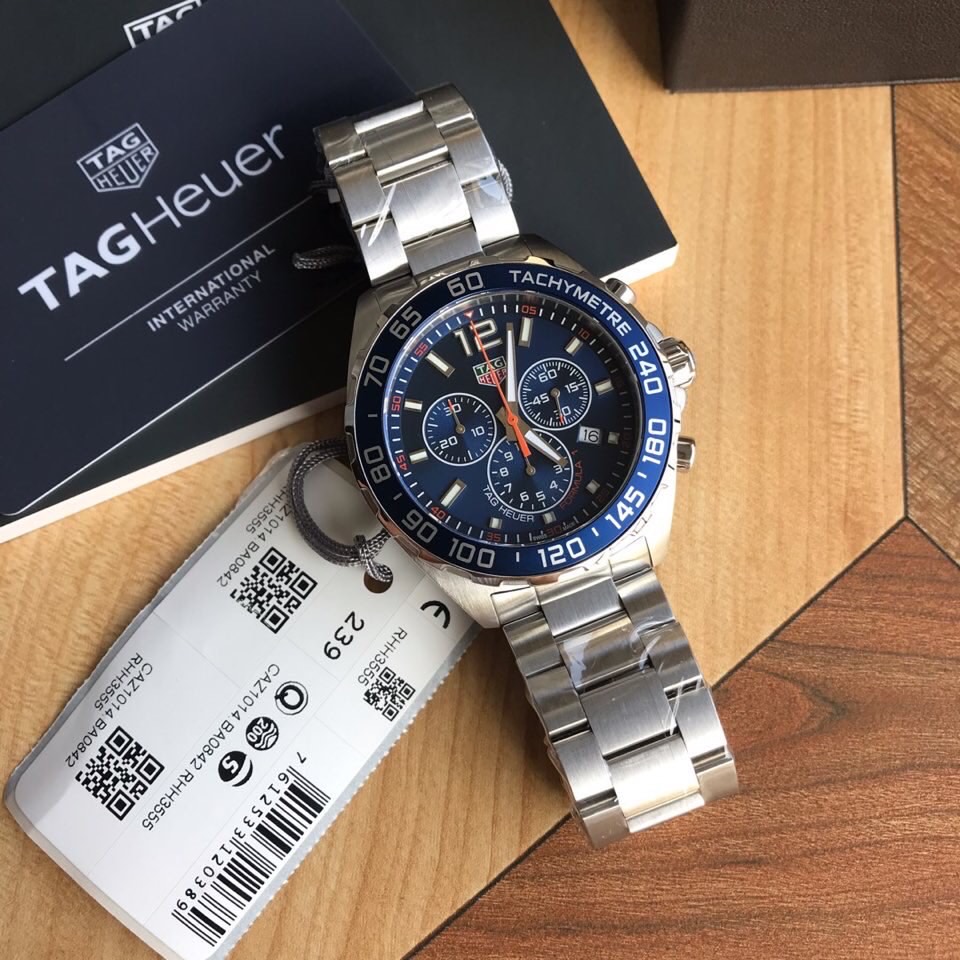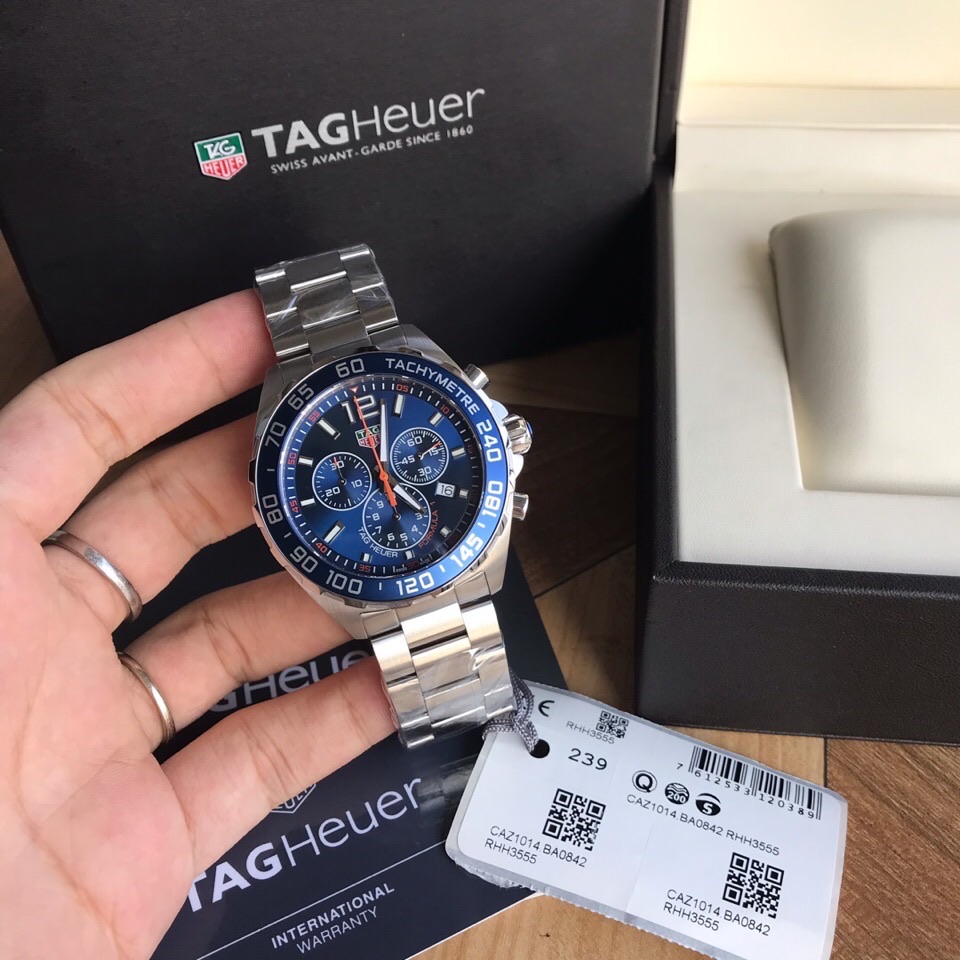
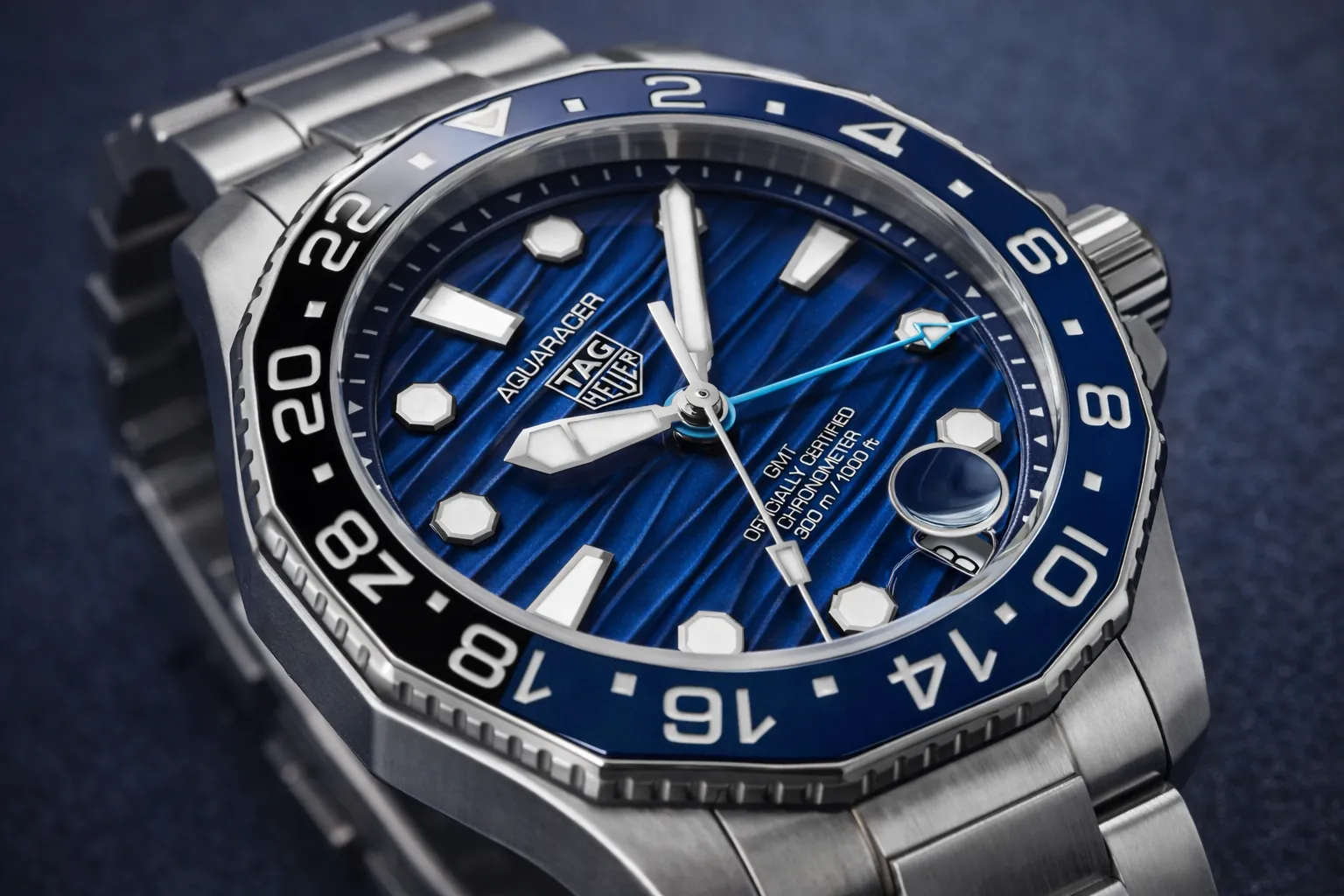
Ceramic bezels have become a defining feature in modern sports watches. Their deep gloss, crisp numerals, and stable coloration give watches a refined, technical look. More importantly, many buyers are drawn to one core promise: ceramic bezel scratch resistance.
But how does ceramic actually perform outside of showroom lighting?
Does ceramic bezel scratch resistance truly hold up in daily life?
This article examines ceramic from a material science perspective, compares it with other bezel materials, and explains what owners should realistically expect in real-world wear.
Understanding Ceramic as a Watch Material
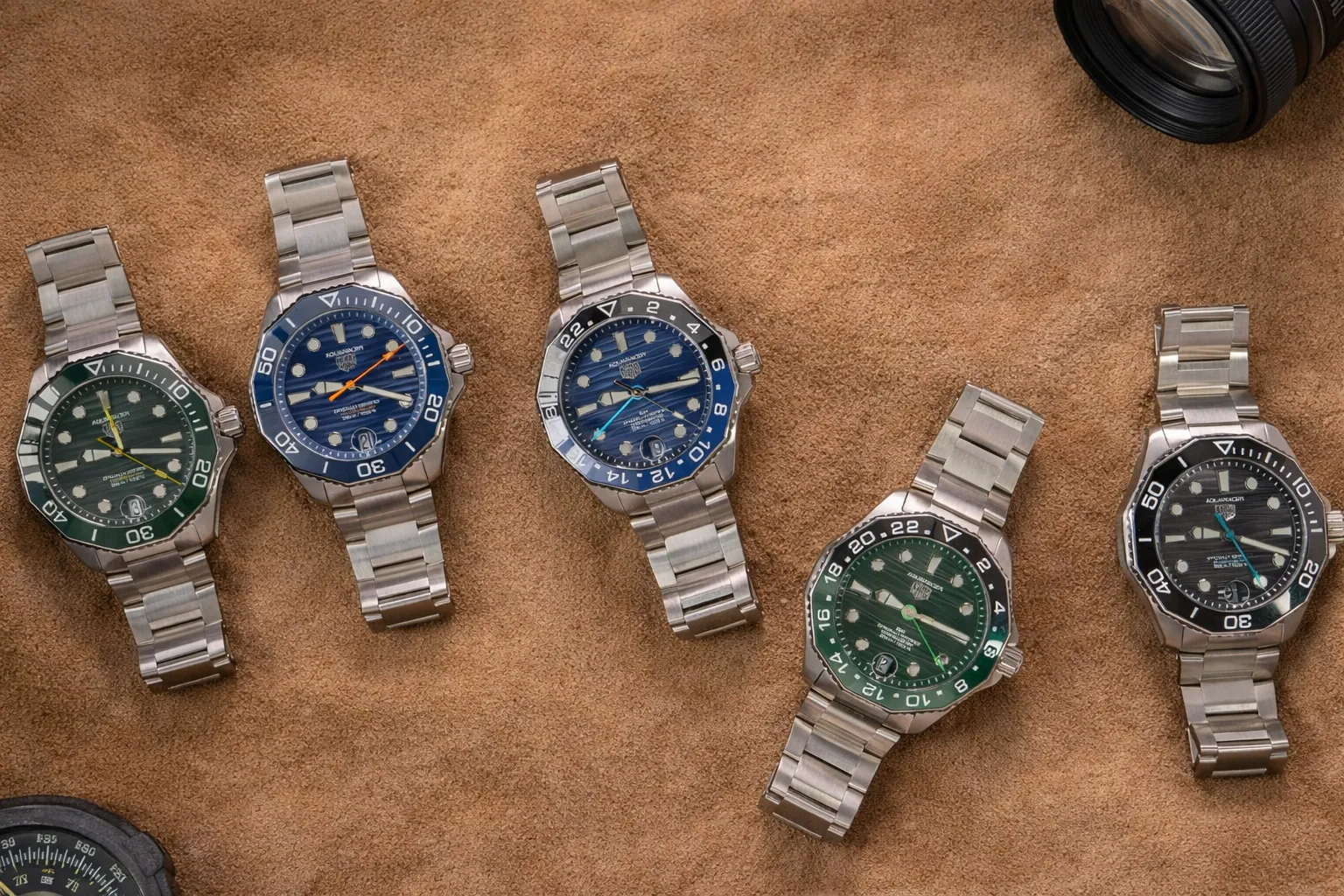
Technical ceramic used in watch bezels is a high-density composite material engineered for hardness and stability. Unlike coated metals, its color is integrated throughout the material rather than applied as a surface layer. This structural difference explains several long-term advantages.
Hardness and Abrasion Resistance
Ceramic ranks approximately 8–9 on the Mohs hardness scale:
- Stainless steel: ~4–5
- Titanium: ~6
- Sapphire crystal: 9
- Diamond: 10
This high hardness is the foundation of strong ceramic bezel scratch resistance. In practical terms, ceramic resists superficial abrasions that would easily mark steel or aluminum.
Vickers hardness testing further illustrates the difference:
- Ceramic inserts: ~1200–1500 HV
- 316L stainless steel: ~600 HV
That near doubling in hardness explains why ceramic bezels maintain a smooth surface over extended wear.
Scratch Resistance vs. Impact Resistance
One of the most common misunderstandings is confusing hardness with toughness.
Hardness determines resistance to scratching.
Toughness determines resistance to cracking.
Ceramic is extremely hard.
It is not extremely impact-tolerant.
This distinction is critical when evaluating ceramic bezel scratch resistance in real-world use.
Ceramic Performs Well Against:
- Desk friction
- Keys brushing against the surface
- Fabric abrasion
- Minor daily knocks
Ceramic Is Vulnerable To:
- Direct impact onto concrete or stone
- Sharp, concentrated force on edges
- Contact with harder materials like diamond
Unlike steel, ceramic does not dent. Under severe impact, it may chip or crack instead of deforming.
In daily life, friction-based wear is far more common than high-energy impacts. That is precisely where ceramic excels.
Ceramic Bezel Scratch Resistance in Daily Scenarios
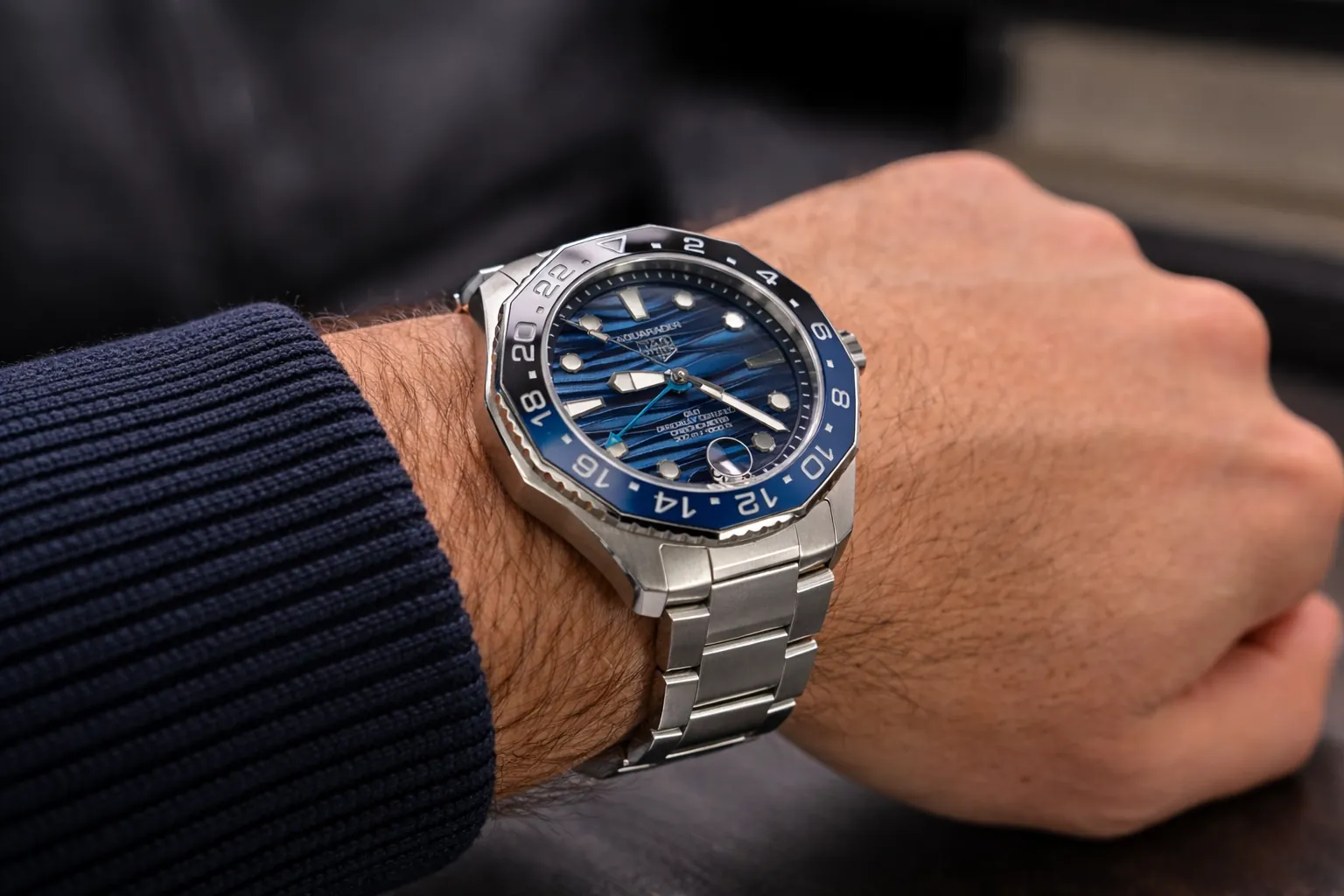
Real-world usage patterns consistently show that ceramic holds up extremely well in routine environments.
Office and Urban Wear
Users frequently report:
- No visible marks after months of desk use
- Absence of hairline scratches common on steel
- Retained gloss without polishing
In these scenarios, ceramic bezel scratch resistance provides tangible advantages. It reduces visual aging from repeated low-level contact.
Active and Travel Use
In sports watches—particularly dive-inspired designs—ceramic supports:
- Long-term legibility
- Stable bezel markings
- Resistance to discoloration
Unlike aluminum inserts, ceramic does not oxidize or fade under UV exposure or sweat. This color stability contributes to long-term visual consistency.
Real-World Observations in Sports Models
Ceramic bezels are especially common in dive-style and sport chronograph designs. For example:
The TAG Heuer Aquaracer WAY211A with ceramic bezel features a black ceramic insert designed for long-term surface stability.
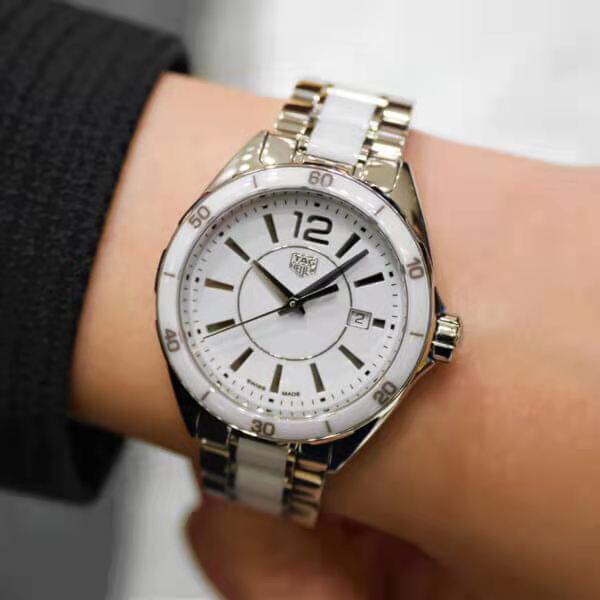
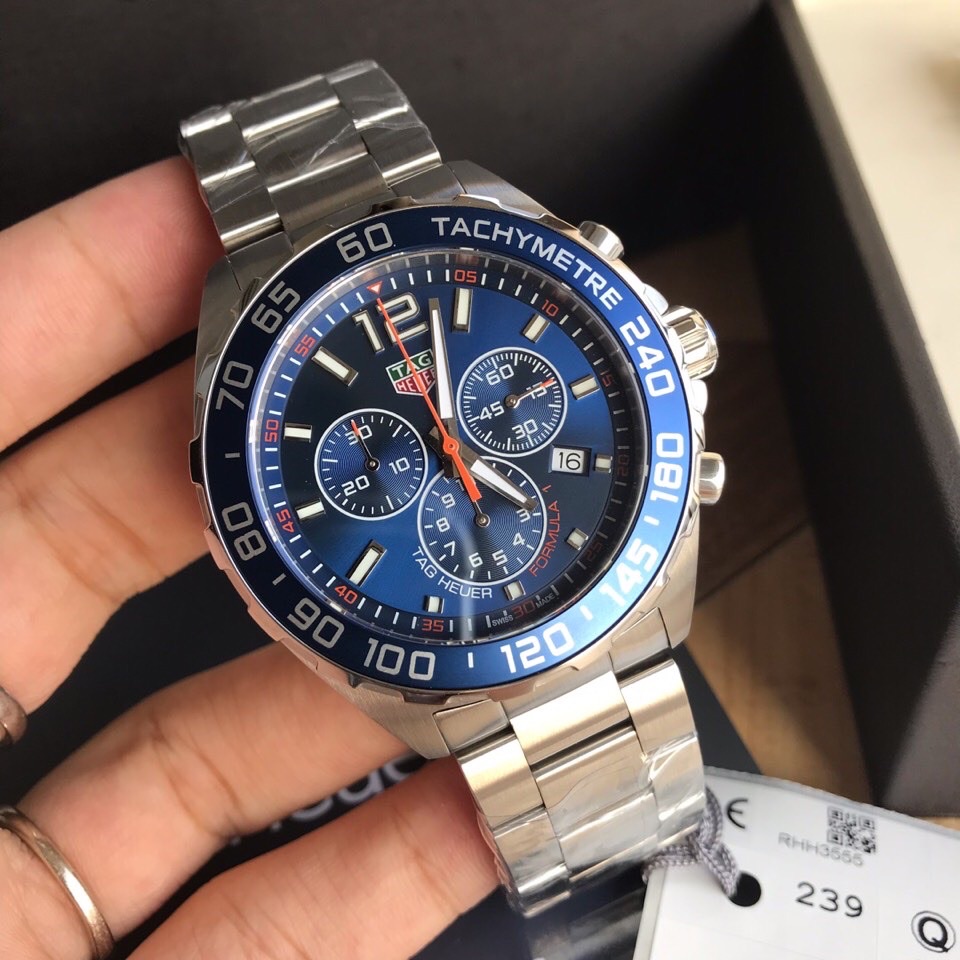
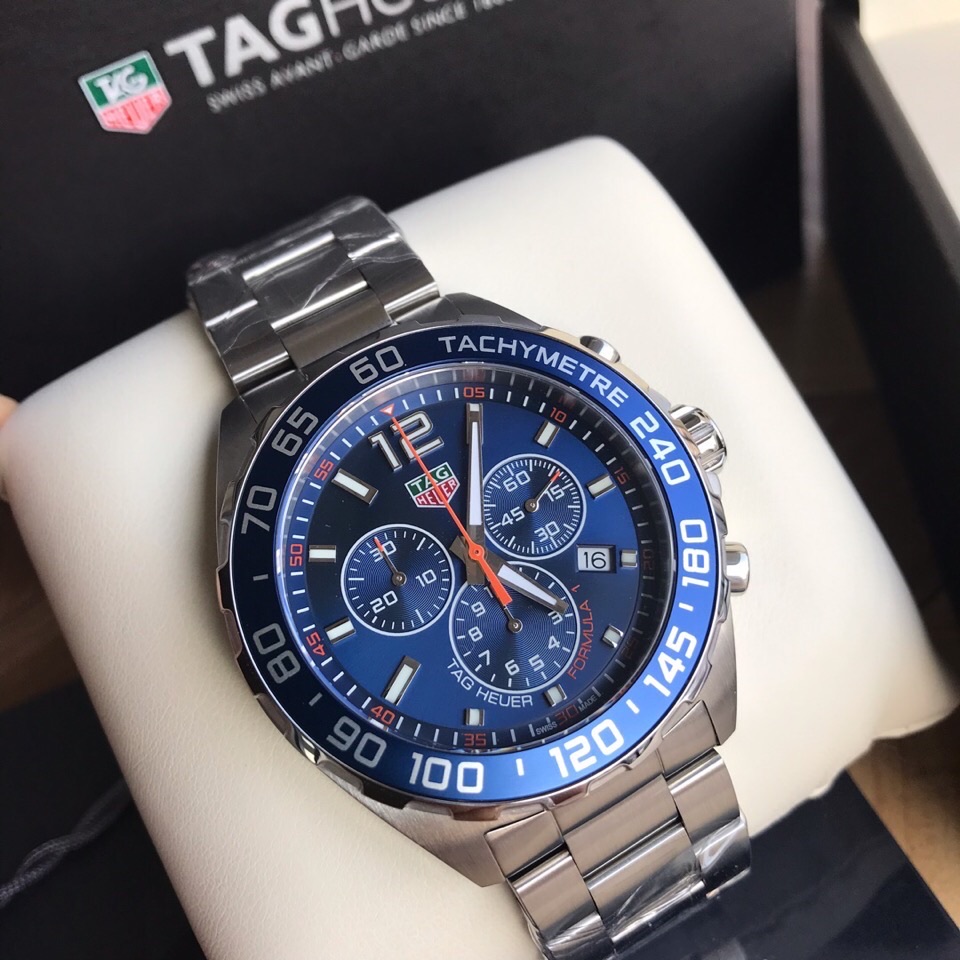
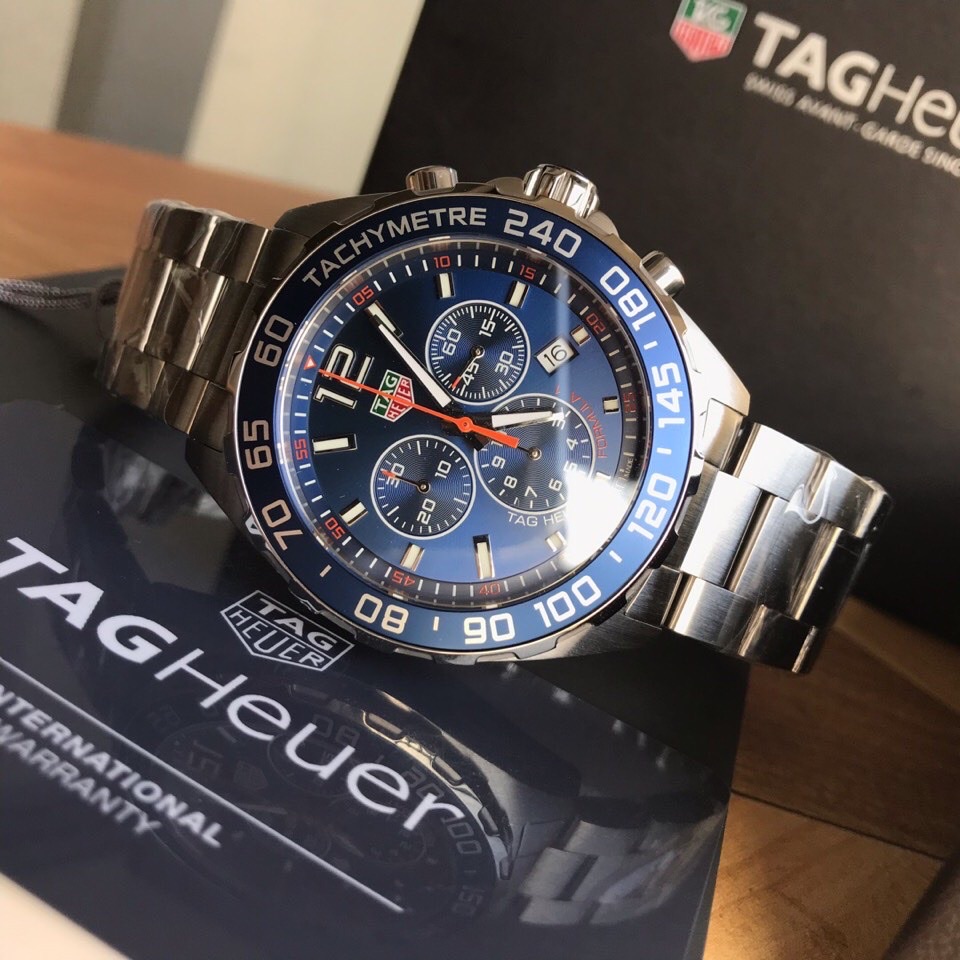
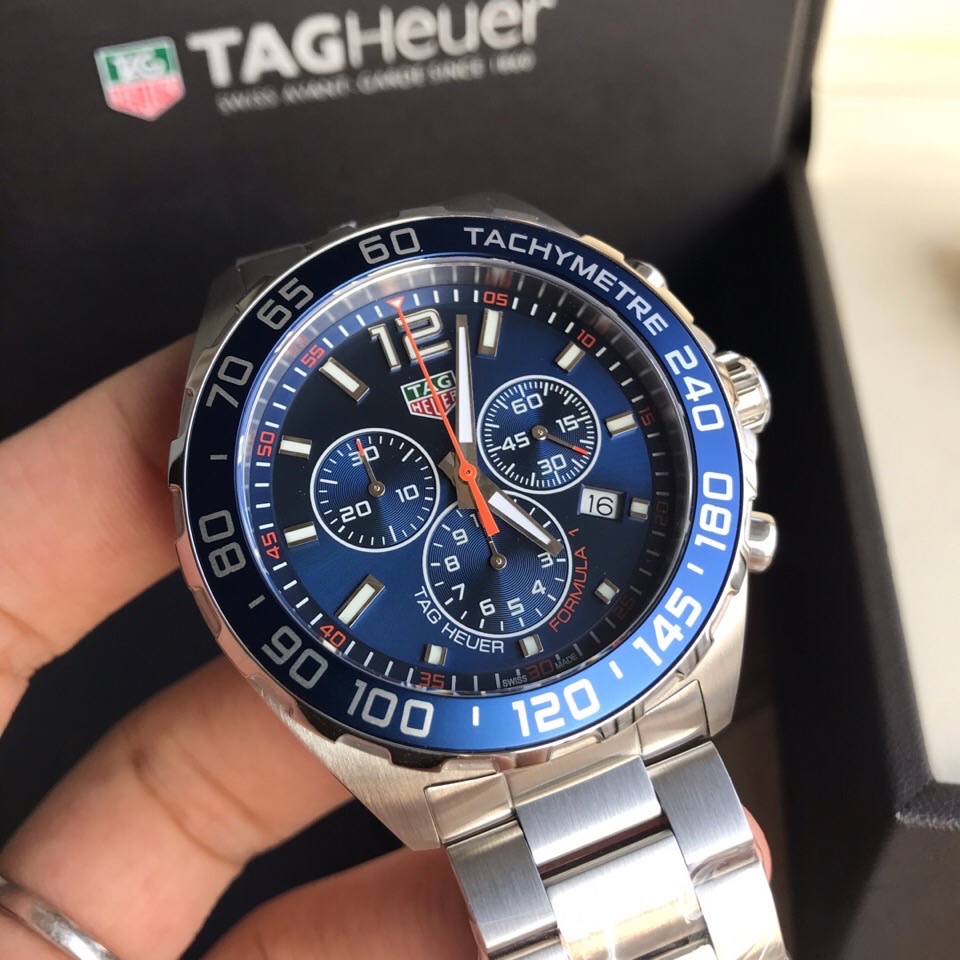
The Formula 1 CAZ101U ceramic bezel edition uses ceramic for similar durability logic.
These designs prioritize daily usability and reduced visible wear.
If you're interested in how such materials behave under actual usage conditions, our article on Real-World Authenticity Issues explores how materials present after extended wear.
Surface Finish and Visual Longevity
Ceramic bezels typically come in polished or matte finishes, and each interacts differently with light and wear.
Polished Ceramic
- High-gloss, reflective surface
- Maintains a liquid-like shine
- Rarely shows micro-abrasions
Matte Ceramic
- Diffuses light
- Slightly better at hiding dust
- Subtler visual aging
Color stability is another advantage. Ceramic pigments are integrated throughout the material, which means:
- No fading from sunlight
- No plating wear
- No surface discoloration from perspiration
This enhances the real-world value of ceramic bezel scratch resistance, as the material preserves both surface integrity and color depth.
Comparing Ceramic to Other Bezel Materials
To understand ceramic properly, it helps to place it in context.
Ceramic
- Excellent scratch resistance
- Stable color retention
- Gloss longevity
- Brittle under strong impact
Stainless Steel
- Scratches more easily
- Can be refinished
- Better impact tolerance
- Requires polishing to restore appearance
Titanium
- Lightweight
- Moderate scratch resistance
- Develops natural patina
- Lower gloss profile
Aluminum
- Prone to scratches
- Can fade over time
- Less expensive
- Oxidizes with age
In friction-based daily wear, ceramic bezel scratch resistance clearly surpasses aluminum and steel. However, steel remains more forgiving under severe impact.
Environmental Factors and Long-Term Stability
Beyond scratches, ceramic performs well under environmental stress.
UV Exposure
Ceramic resists UV degradation and does not bleach or fade.
Moisture and Sweat
The material is chemically inert and does not corrode.
Temperature Variation
Ceramic tolerates normal environmental temperature shifts well, though extreme thermal shock combined with impact can increase fracture risk.
These properties make ceramic well suited for urban, professional, and recreational use.
Maintenance and Care
Ceramic is low-maintenance compared to metal bezels.
Recommended care:
- Clean with a microfiber cloth
- Use mild soap when necessary
- Avoid abrasive compounds
- Store separately from harder objects
Unlike steel, ceramic cannot be polished to remove damage. If chipped, replacement is usually required.
Setting Realistic Expectations
Ceramic bezels are often marketed as “scratch-proof.” That description is inaccurate.
Ceramic offers strong ceramic bezel scratch resistance, but it is not immune to harder materials or severe impact. It performs best in everyday friction scenarios, not in high-force collisions.
Understanding this distinction helps align expectations with real material behavior.
Conclusion
Ceramic bezels represent a meaningful material upgrade in modern watchmaking. Their combination of hardness, color stability, and long-term gloss retention makes them particularly well suited for daily wear in urban and professional environments.
The strength of ceramic bezel scratch resistance lies in abrasion control rather than impact absorption. It excels at resisting the minor surface wear that typically ages metal bezels, helping watches maintain a clean, sharp appearance over time.
For most users, ceramic provides cleaner long-term aesthetics, lower maintenance requirements, and greater resistance to superficial scratches. When treated as a high-performance material rather than an indestructible one, ceramic delivers reliable durability and stable visual performance across years of regular wear.