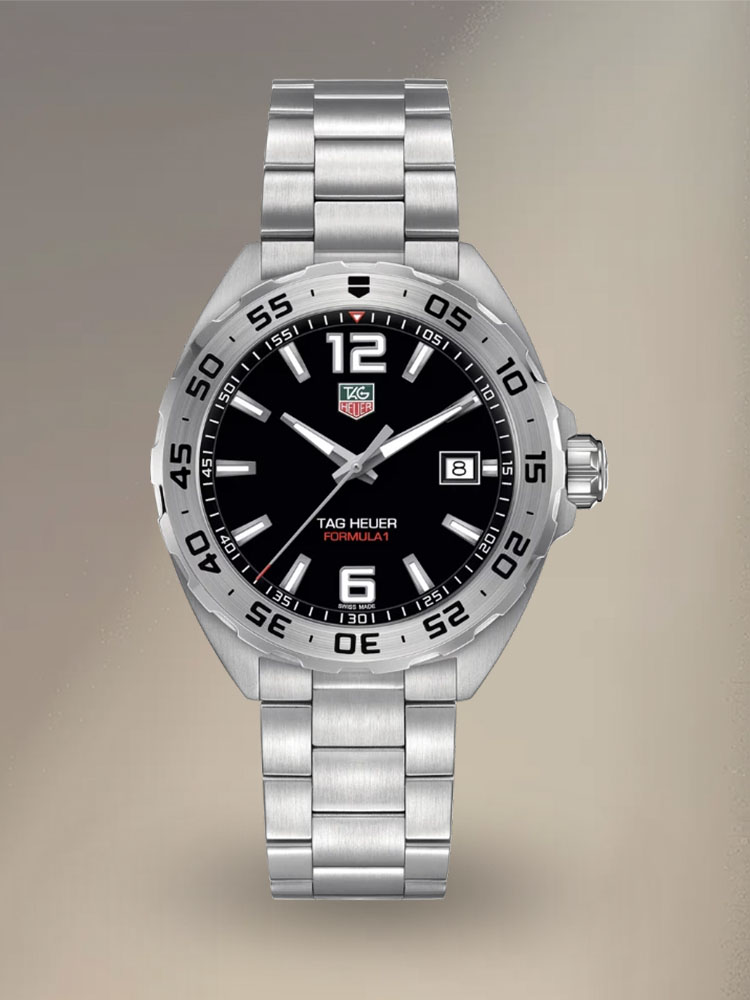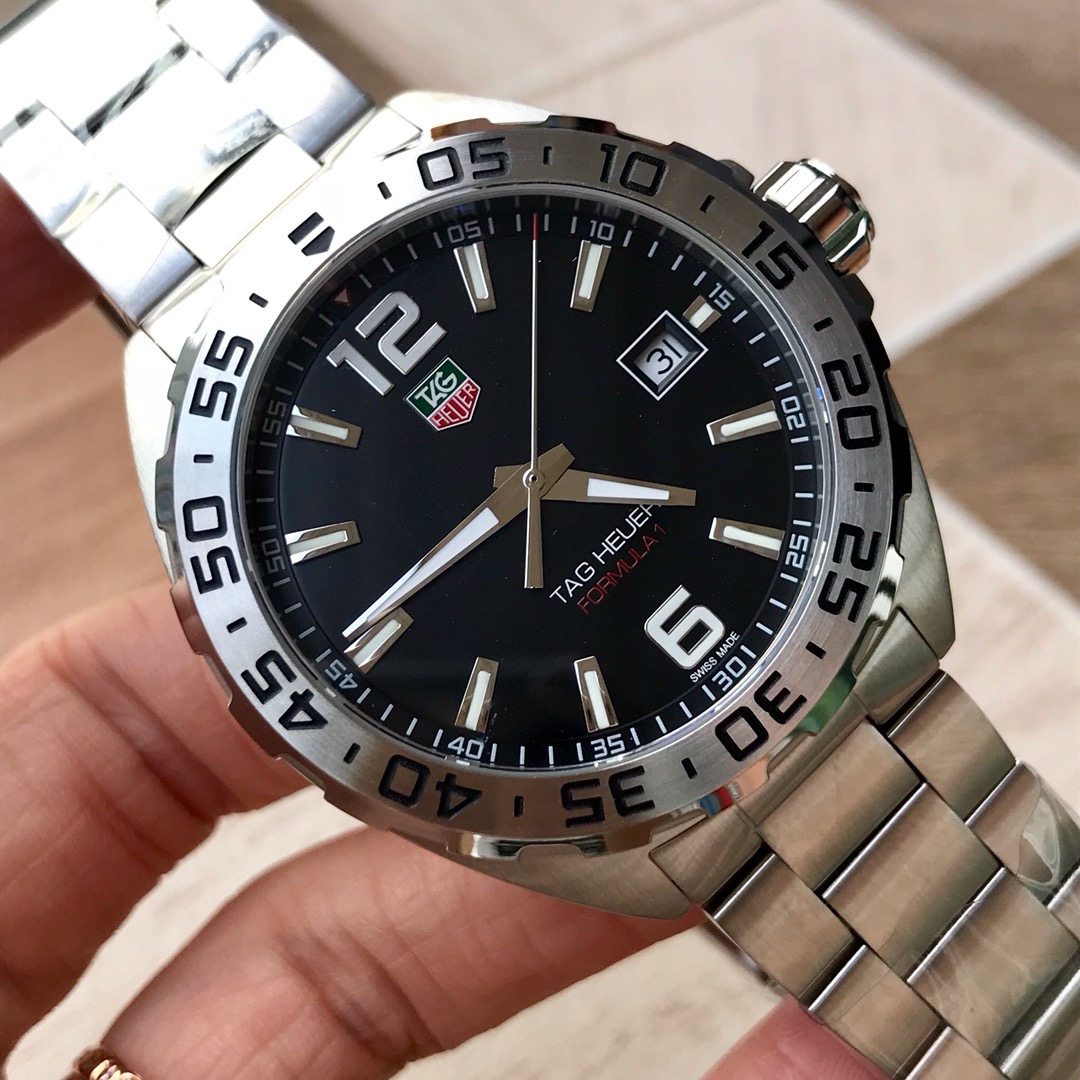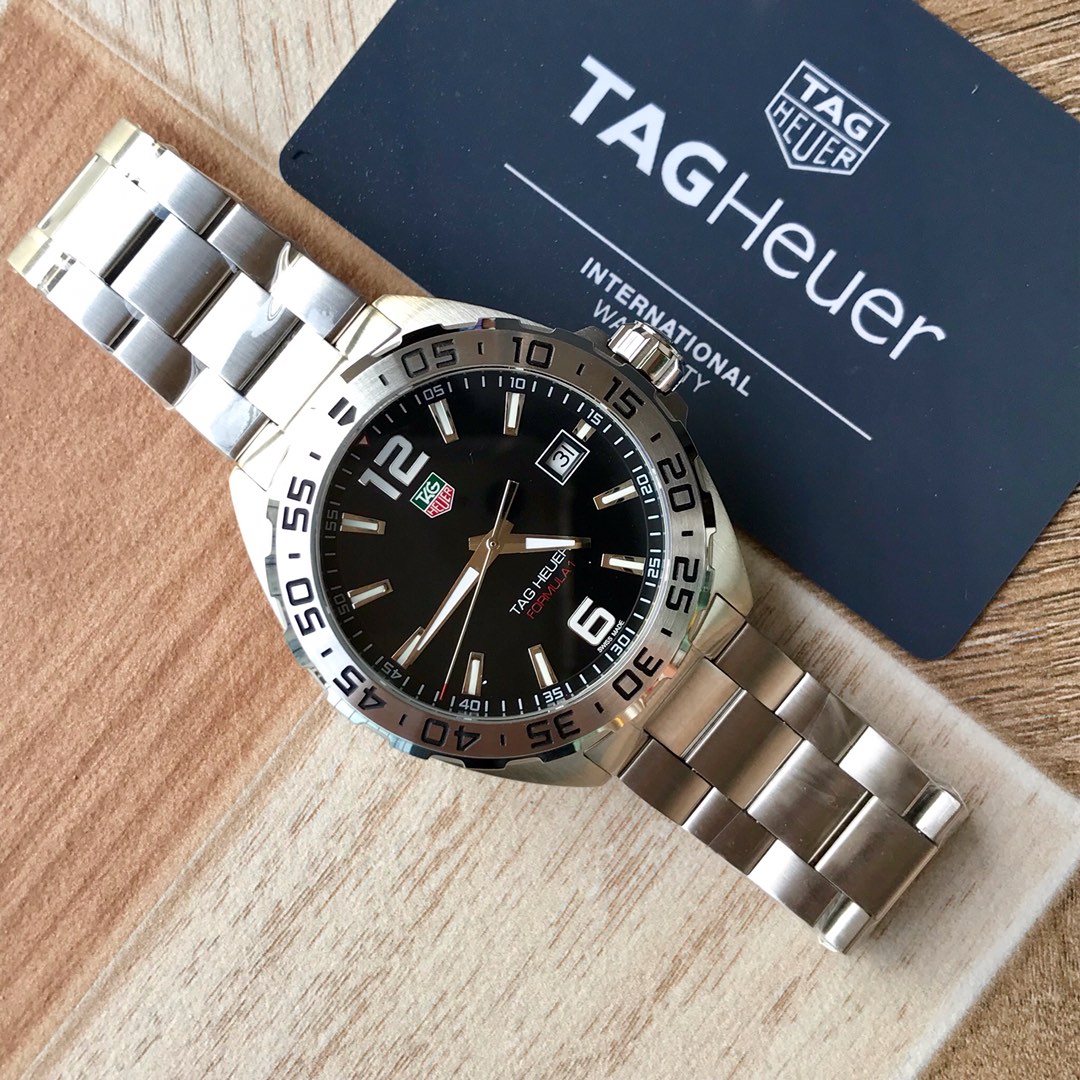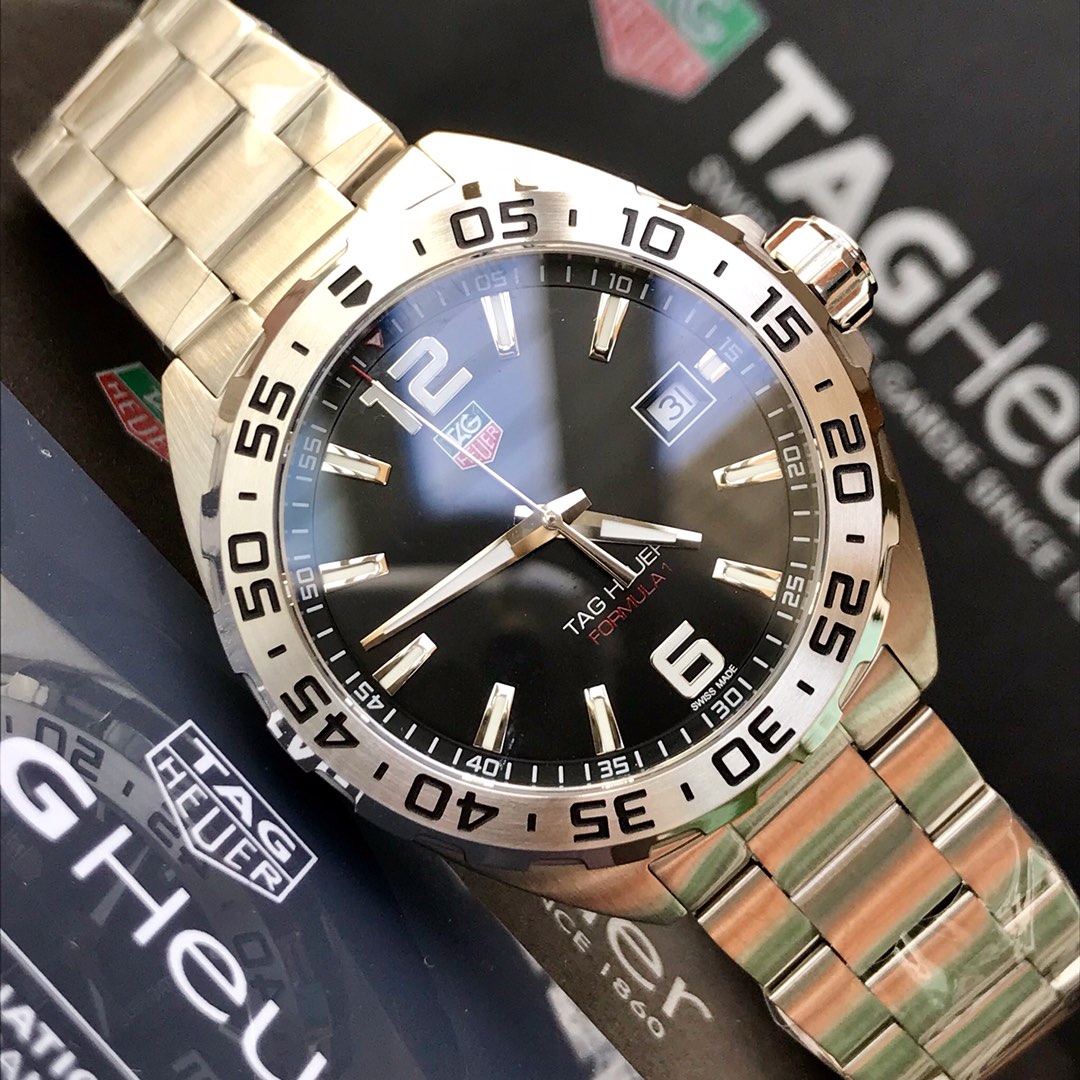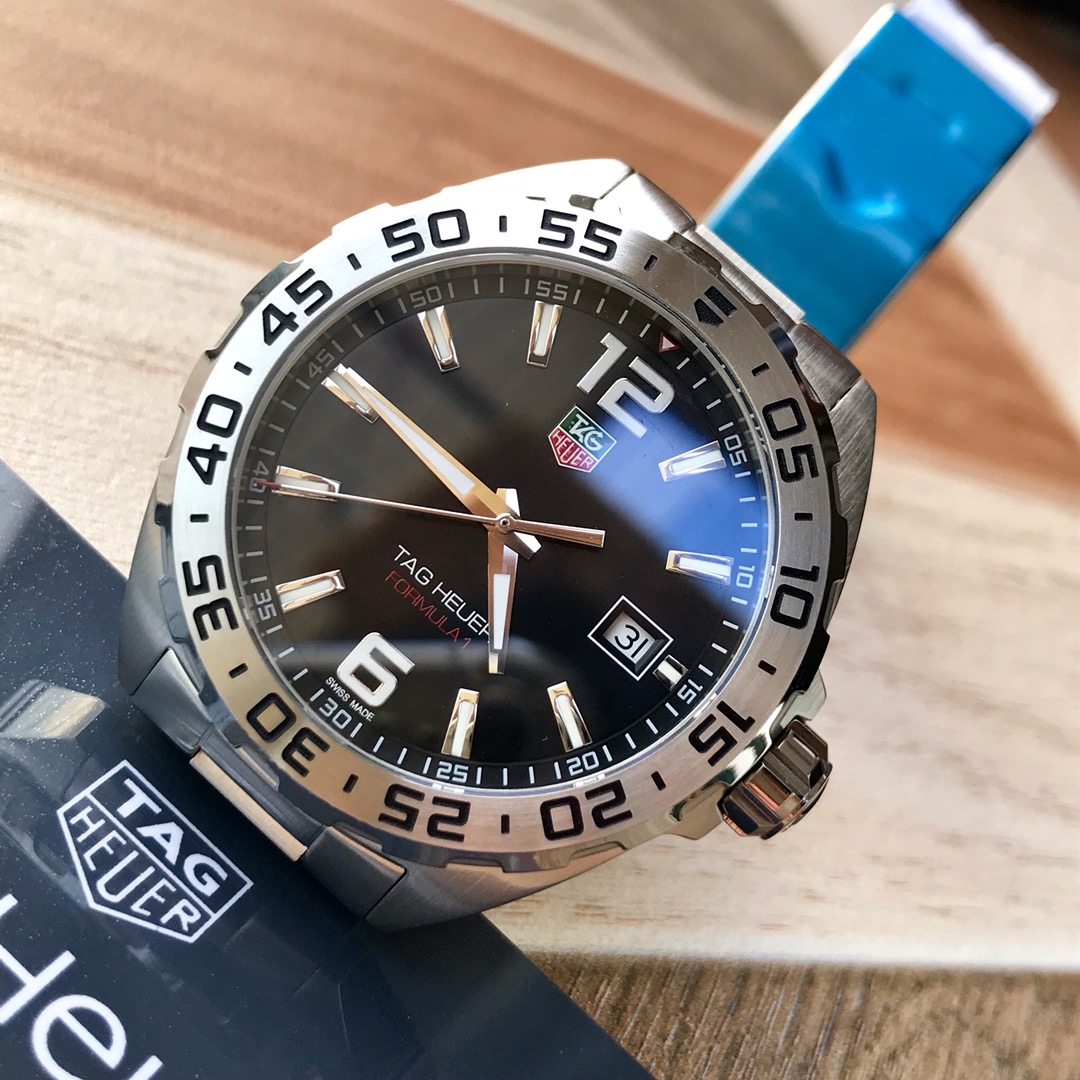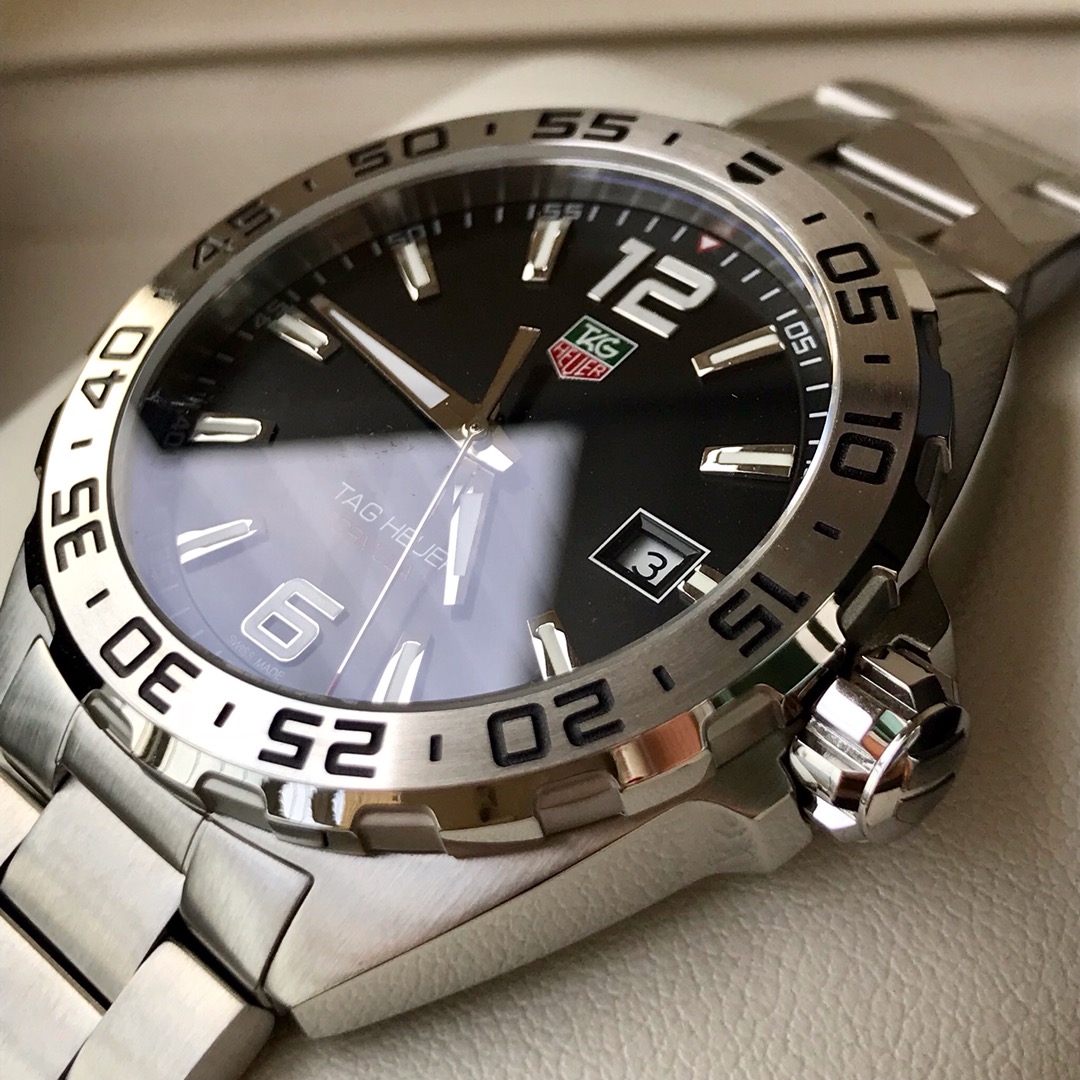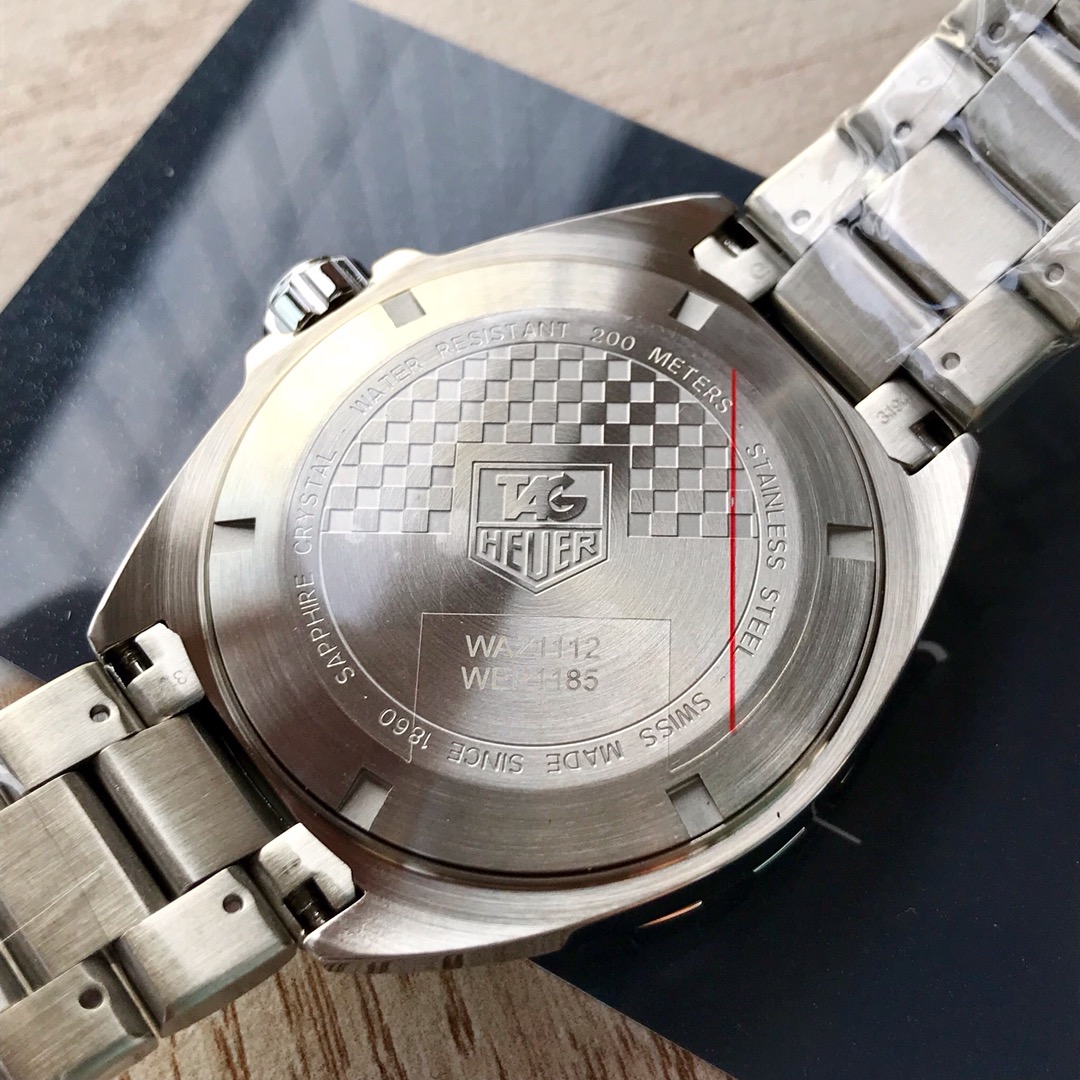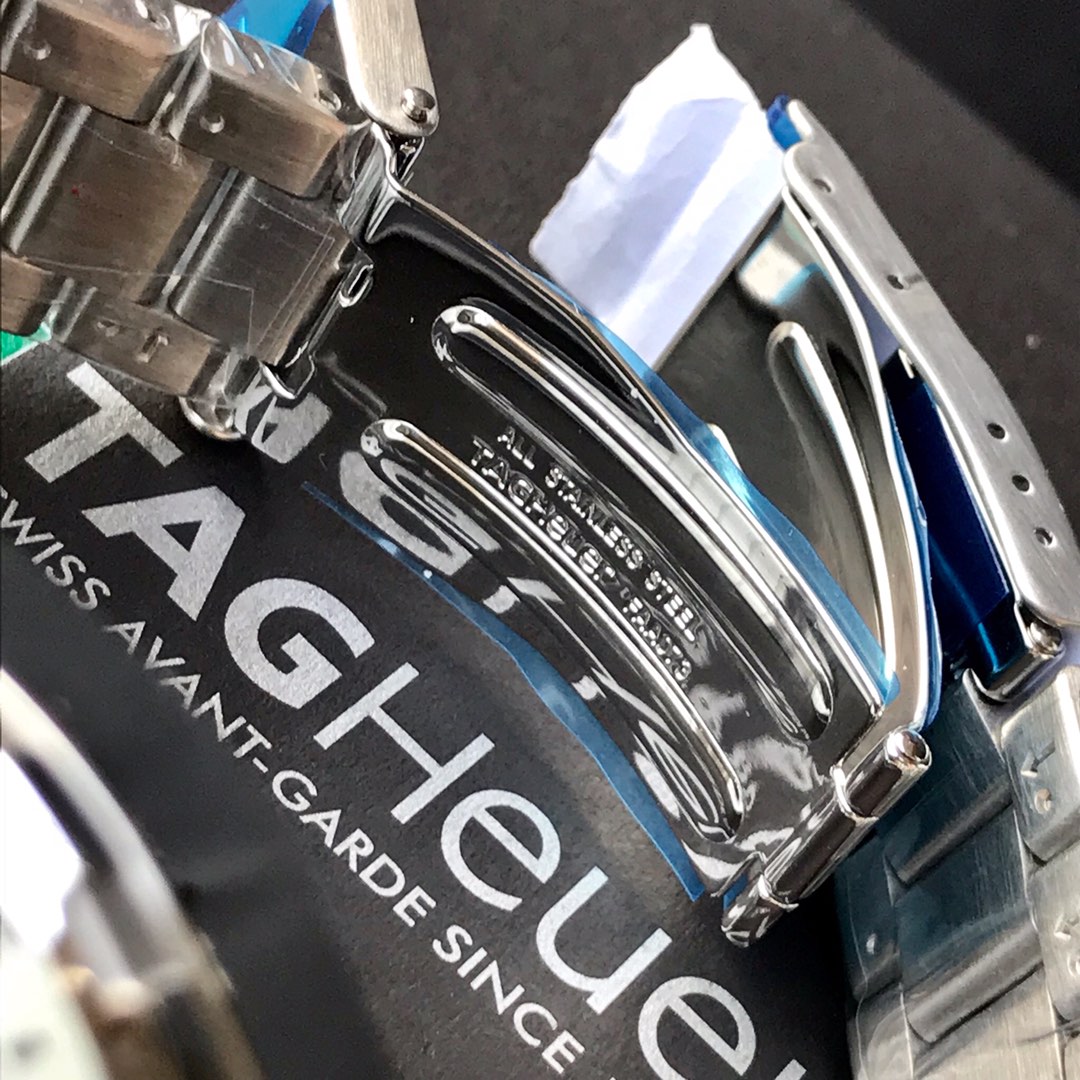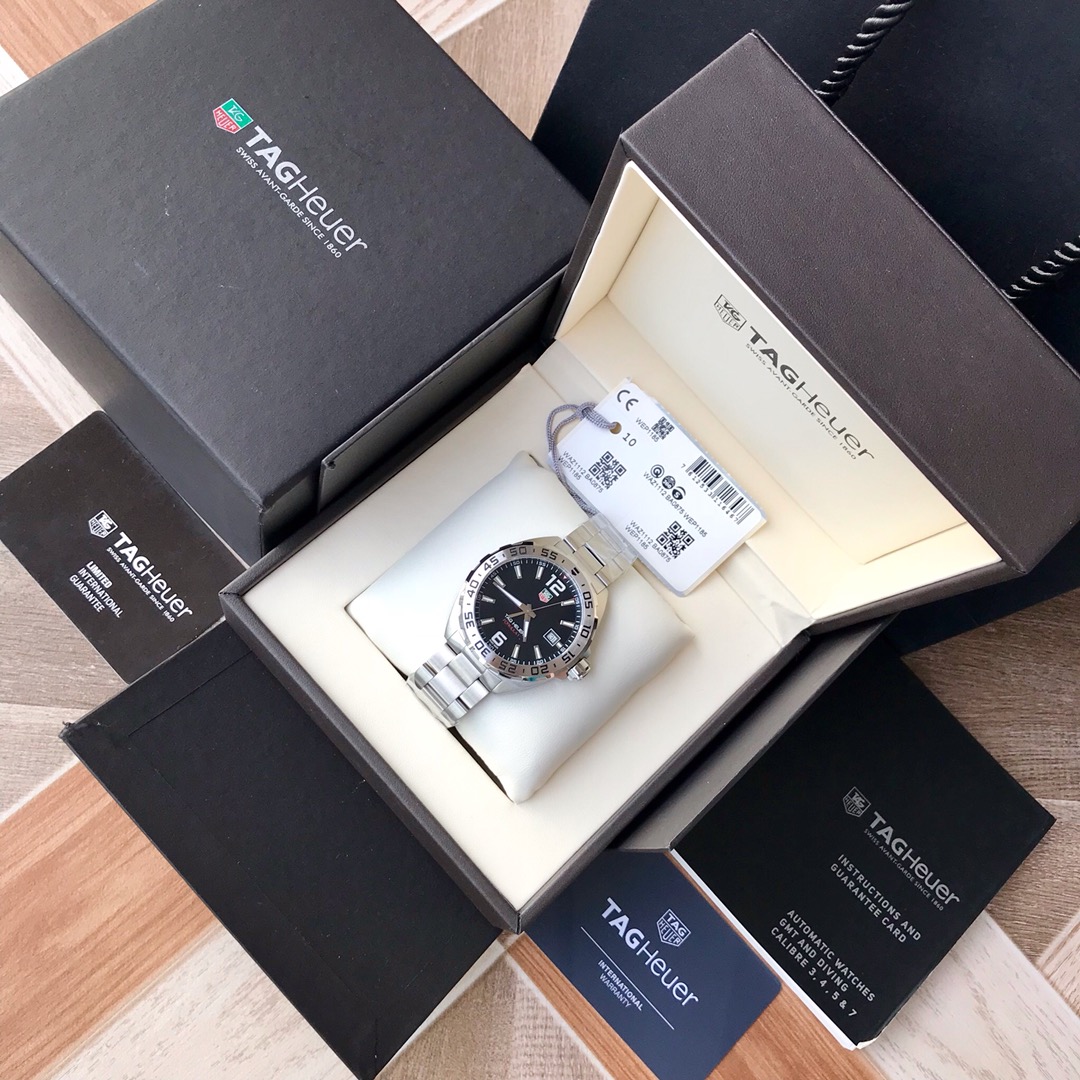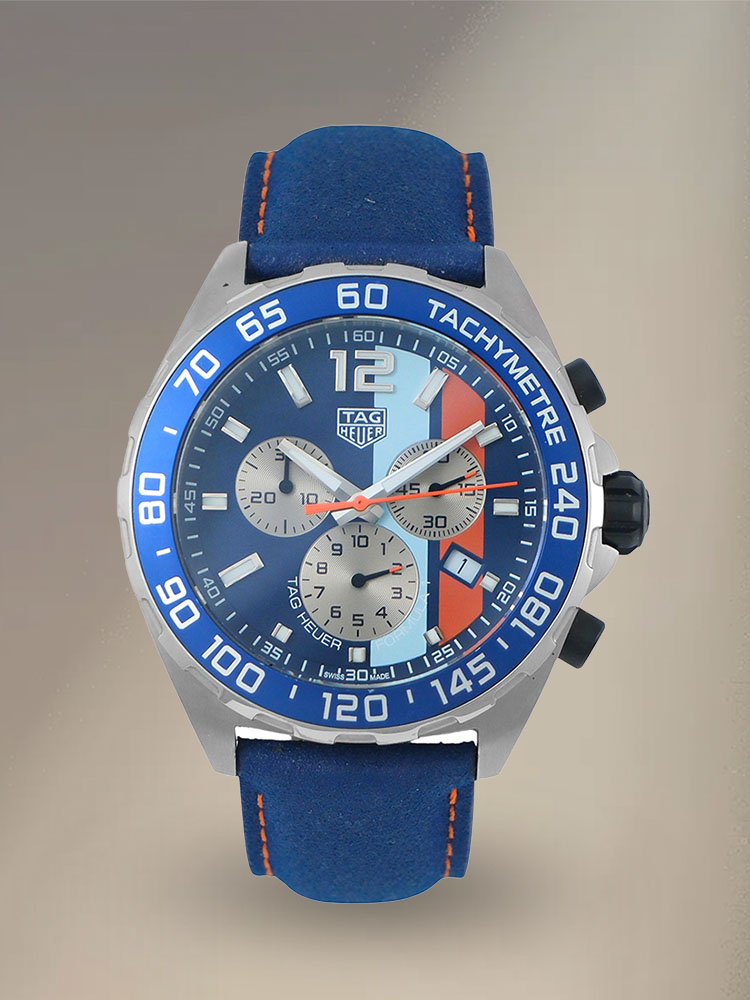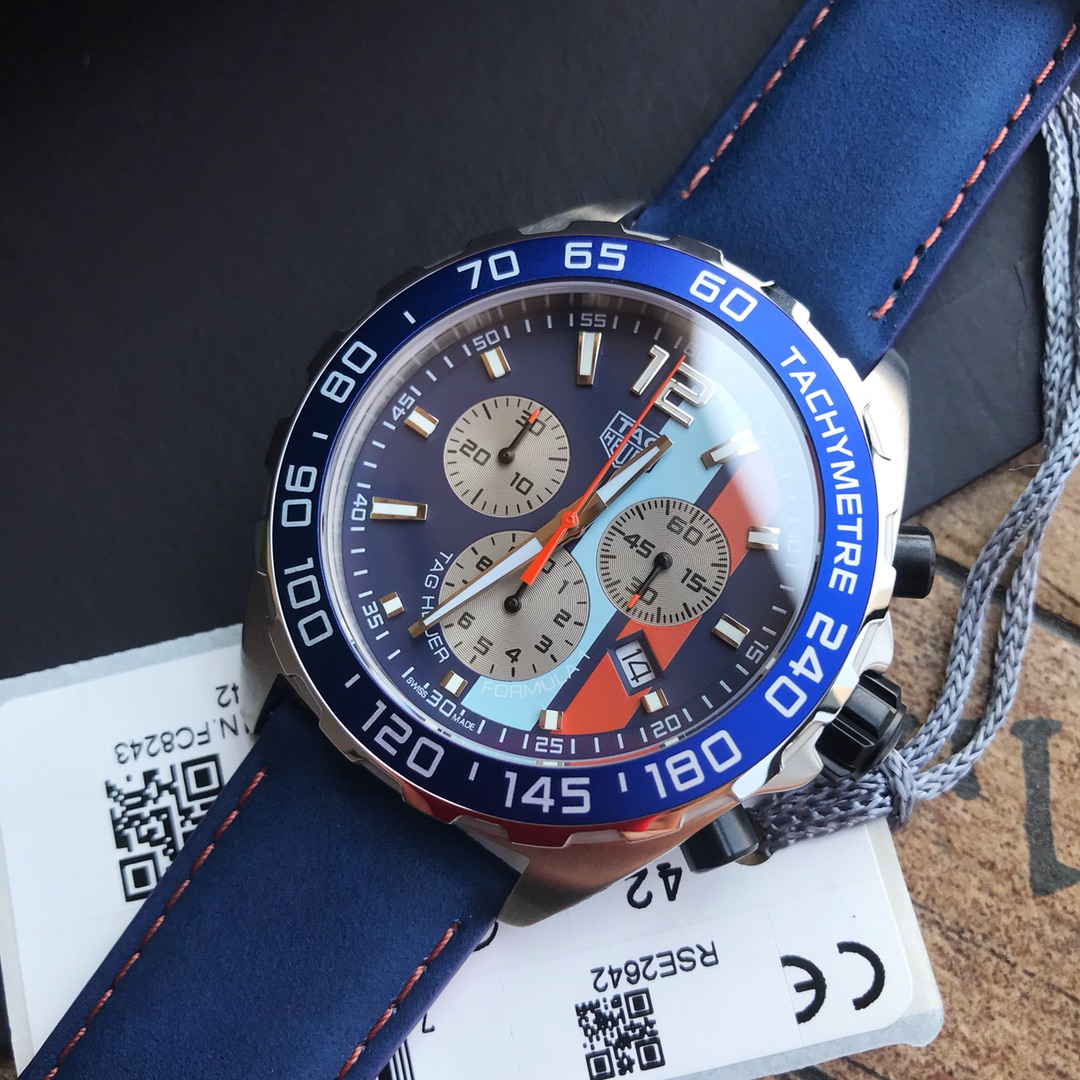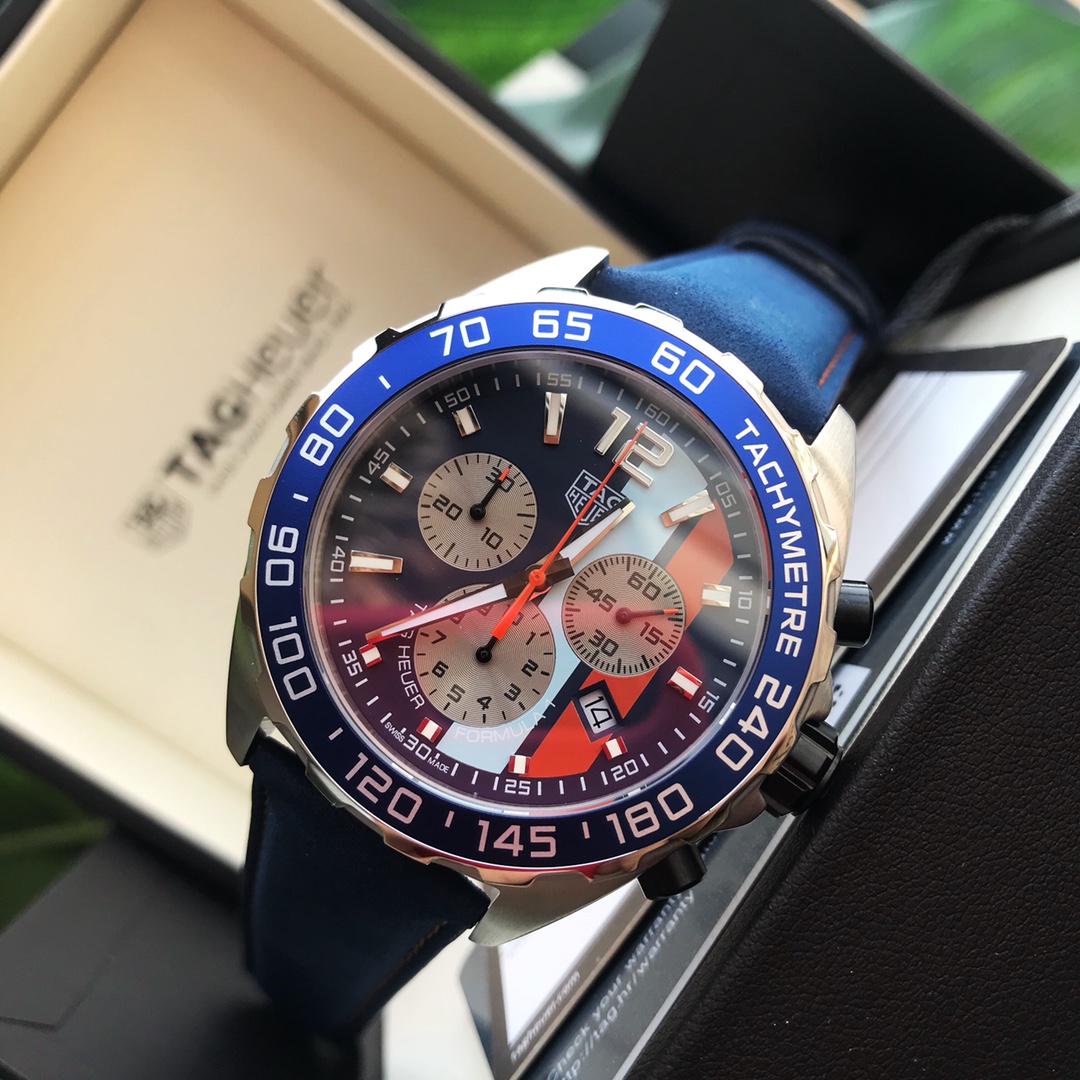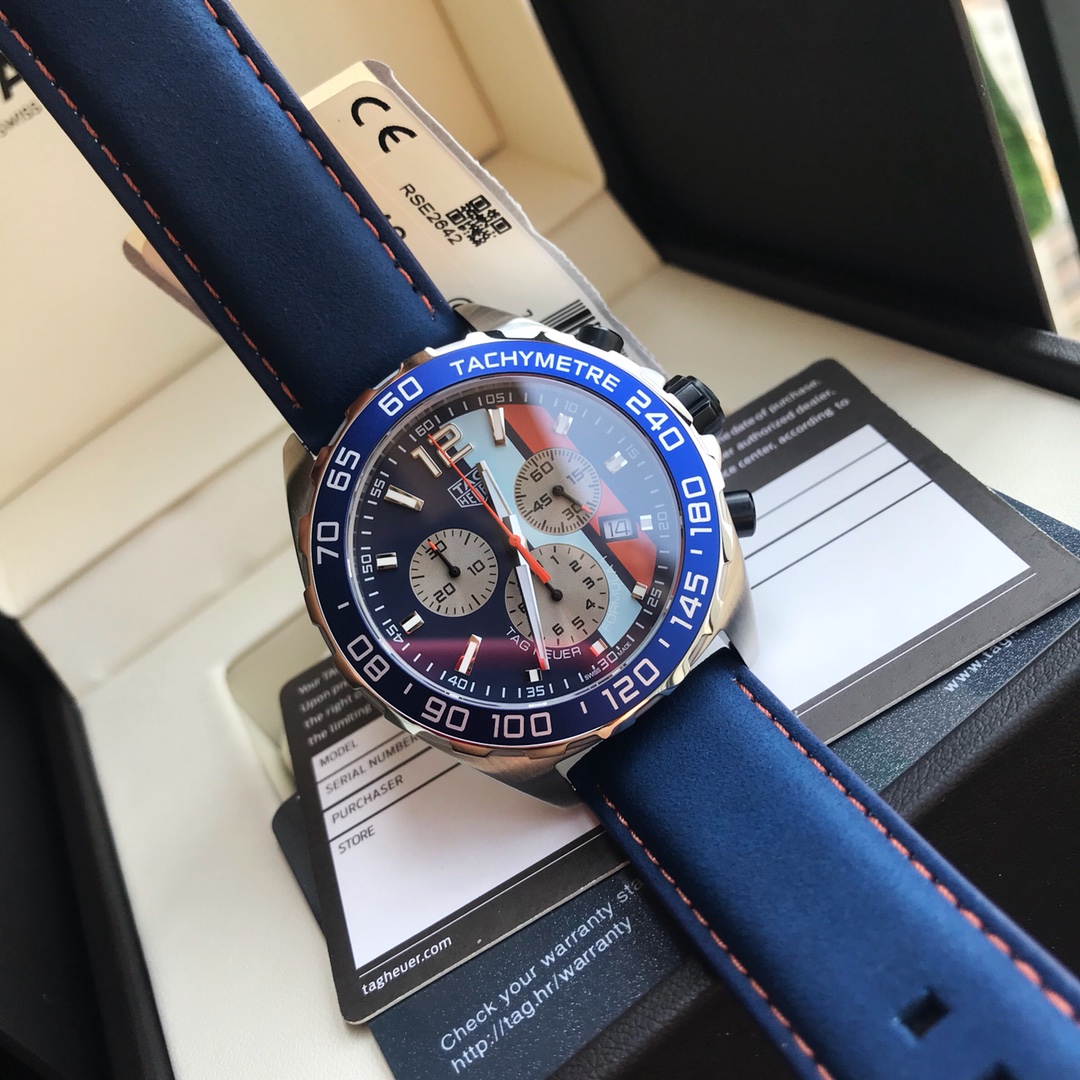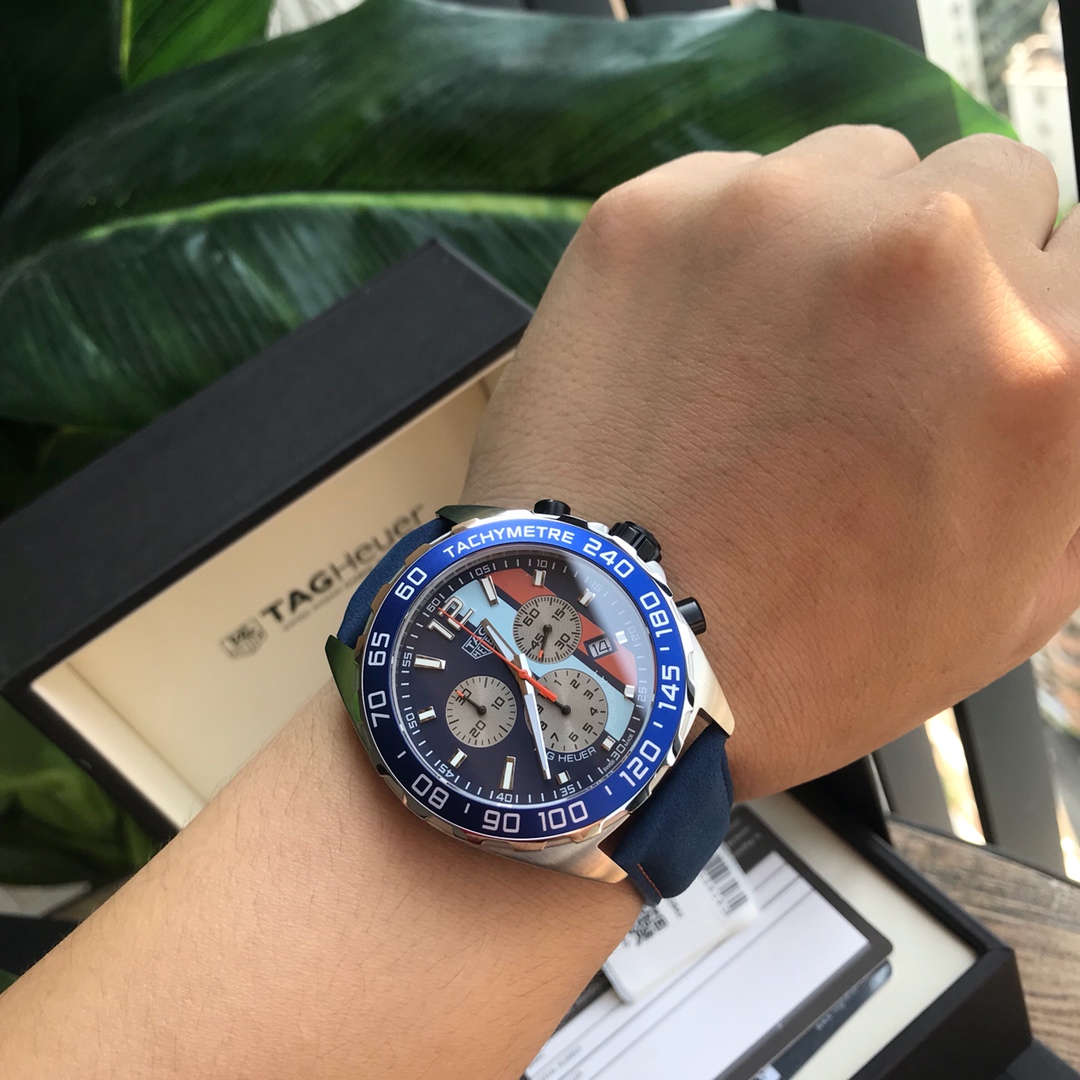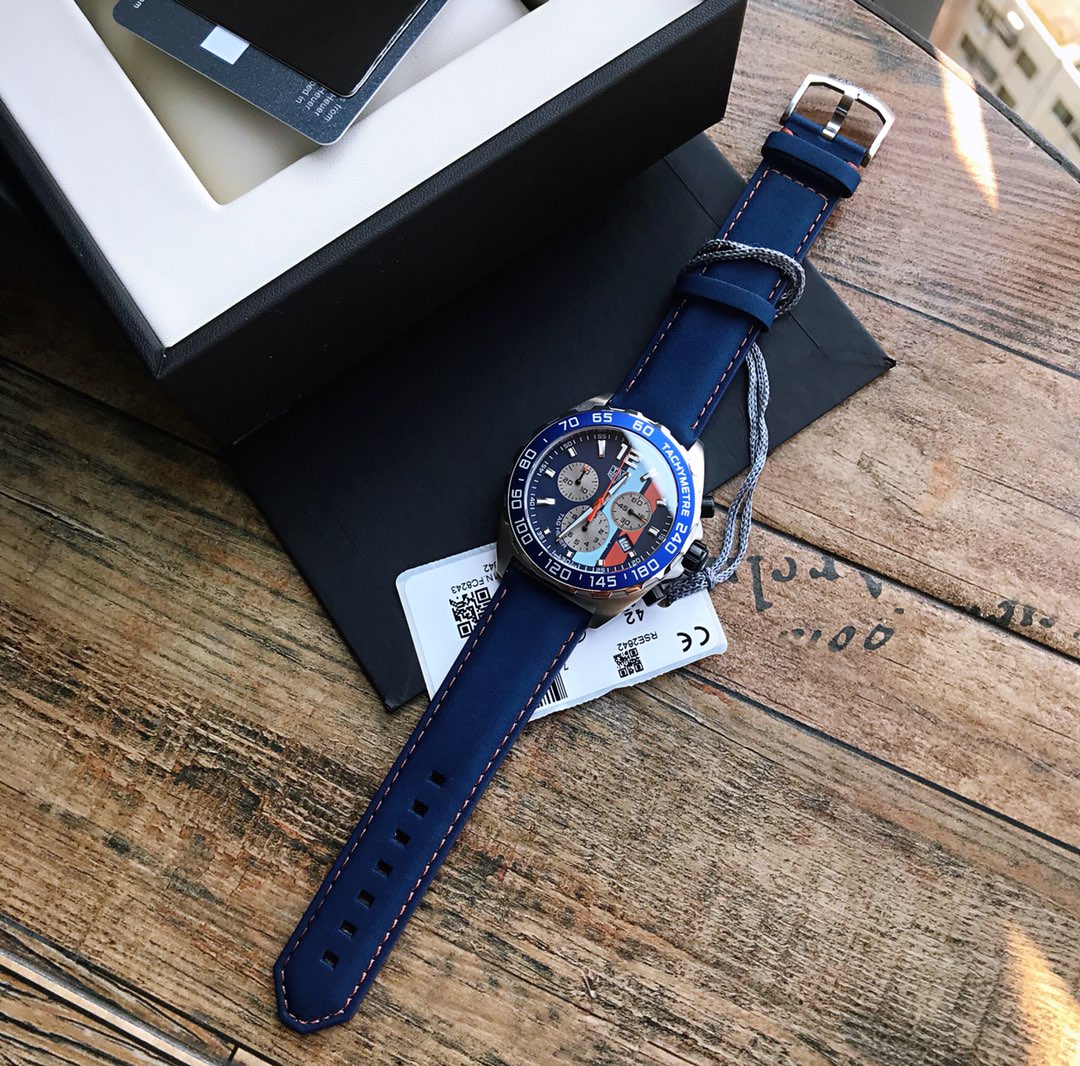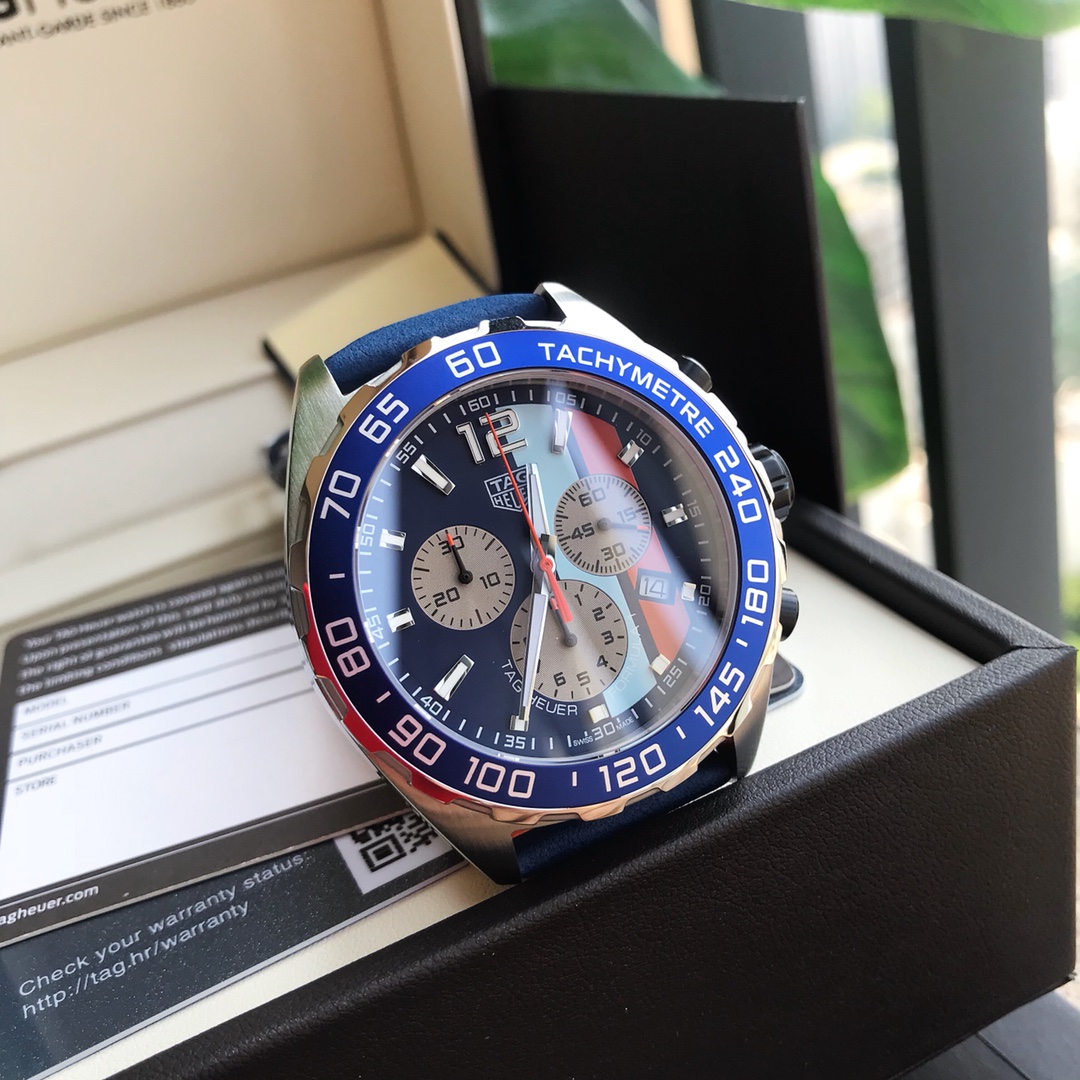
Replica watches are often chosen for design accessibility and visual appeal, but one practical question consistently comes up: what is the realistic replica watch lifespan?
Unlike marketing claims or extreme anecdotes, durability depends on measurable variables — movement stability, material quality, assembly standards, environmental exposure, and user behavior. While genuine luxury watches can operate for decades with servicing, replica watches generally offer a shorter but still meaningful functional lifespan when used responsibly.
This guide integrates industry observations, material science basics, movement behavior patterns, and real-world usage scenarios to provide a structured, experience-based understanding of replica watch lifespan.
What Determines Replica Watch Lifespan?
There is no universal number. Instead, replica watch lifespan is the result of five interacting systems:
- Movement architecture and stability
- Assembly standards and quality control
- Case materials and finishing durability
- Environmental exposure
- User handling habits
When these factors align, replicas can function reliably for multiple years. When one fails (especially water intrusion or poor assembly), lifespan shortens dramatically.
1. Movement Type and Structural Longevity
The movement is the single most important determinant of replica watch lifespan.
Quartz Movements (Battery-Powered)
Quartz replicas are structurally simpler:
- Fewer moving parts
- Minimal mechanical friction
- High shock tolerance
Typical replica watch lifespan (quartz): 3–7 years
Battery replacement is required every 1–2 years, but the movement itself rarely fails prematurely unless exposed to moisture or battery leakage.
Entry-level quartz builds tend to sit at the 3–4 year range. Mid-tier quartz models with better sealing and cleaner assembly often extend toward 5–7 years.
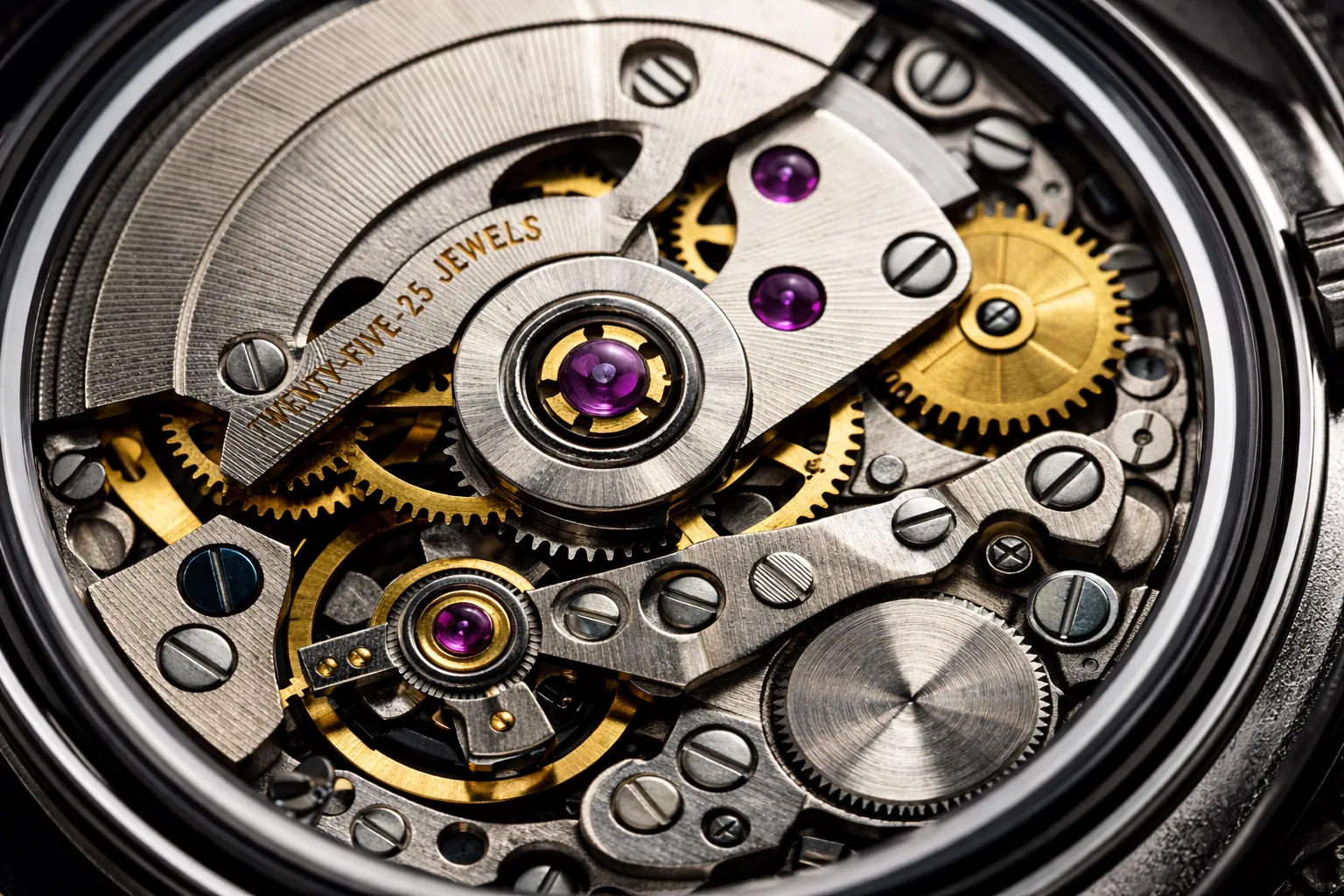
Mechanical & Automatic Movements
Mechanical replicas introduce greater complexity:
- Multiple gear trains
- Lubrication-dependent performance
- Sensitivity to shock and magnetism
Entry-Level Automatic (Basic Asian Movements)
- Expected lifespan: 2–4 years
- Susceptible to lubrication degradation
- Less tolerance to impact
Mid-Tier Automatic (Miyota 9015 / NH Series / Refined Asian Calibers)
- Expected lifespan: 3–6 years
- More consistent amplitude retention
- Improved reliability under daily wear
Higher-Grade Automatic (Refined 7750 / Improved Caliber Clones)
- Expected lifespan: 4–7+ years with maintenance
- Better case sealing
- Improved consistency across batches
However, mechanical longevity is highly dependent on:
- Winding habits
- Exposure to shocks
- Avoiding calendar adjustment during restricted hours
- Avoiding prolonged magnet exposure
Without servicing, lubrication breakdown is a primary limiting factor in replica watch lifespan.
2. Assembly Standards & Quality Control Influence
Movement quality alone does not guarantee longevity. Assembly precision significantly affects early failure rates.
Proper quality control should include:
- Timekeeping stability checks
- Power reserve testing
- Calendar alignment inspection
- Hand clearance verification
- Functional testing (chronograph reset, GMT jump, etc.)
- Visual inspection for case sealing and crown threading
Watches that pass structured inspection protocols tend to exhibit:
- Lower early mechanical failure rates
- Fewer misalignment-induced gear stresses
- Better long-term stability
For reference, our Guarantee and Quality Control framework outlines inspection logic and rejection criteria before shipment.
QC cannot make a replica indestructible — but it reduces avoidable early wear that shortens replica watch lifespan.
3. Case, Coating, and External Material Durability
Replica watch lifespan includes cosmetic longevity, not just mechanical survival.
Stainless Steel Cases (316L)
- High corrosion resistance
- Structural durability 3–7+ years under daily wear
- Minimal deformation under normal impact
PVD / Gold Plating
- Coating wear visible after 1–3 years depending on sweat exposure
- Friction points (clasp edges, crown guards) fade faster
Sapphire Crystal
- Strong scratch resistance
- Long-term clarity retention
- Rare structural degradation unless cracked by impact
Ceramic Bezels
- High scratch resistance
- Can chip under severe impact
- Better fade resistance compared to aluminum inserts
Cosmetic wear does not equal functional failure, but material selection directly affects perceived lifespan.
For deeper discussion of real-world appearance consistency under daily wear, see our real-world wear and authenticity issues on replica watches.
4. Strap and Bracelet Longevity
Often overlooked, strap degradation frequently limits practical usability before movement failure.
Leather Straps
- 1–3 years typical lifespan
- Sensitive to sweat and humidity
- Cracking near buckle area common
Rubber Straps
- 2–5 years
- UV exposure accelerates aging
Stainless Steel Bracelets
- 4–8 years structural lifespan
- Pin wear or clasp fatigue may occur first
Bracelets typically outlast leather straps, making them preferable for maximizing replica watch lifespan.
5. Water Resistance: The Primary Risk Variable
Water intrusion is the fastest way to shorten replica watch lifespan.
Most replicas:
- Are splash resistant (30–50m rating conceptually)
- Are NOT designed for swimming or hot showers
Steam exposure is particularly damaging because:
- Heat expands gaskets
- Moisture penetrates seals
- Lubricants degrade rapidly
Even a single water intrusion event can reduce mechanical lifespan from years to months.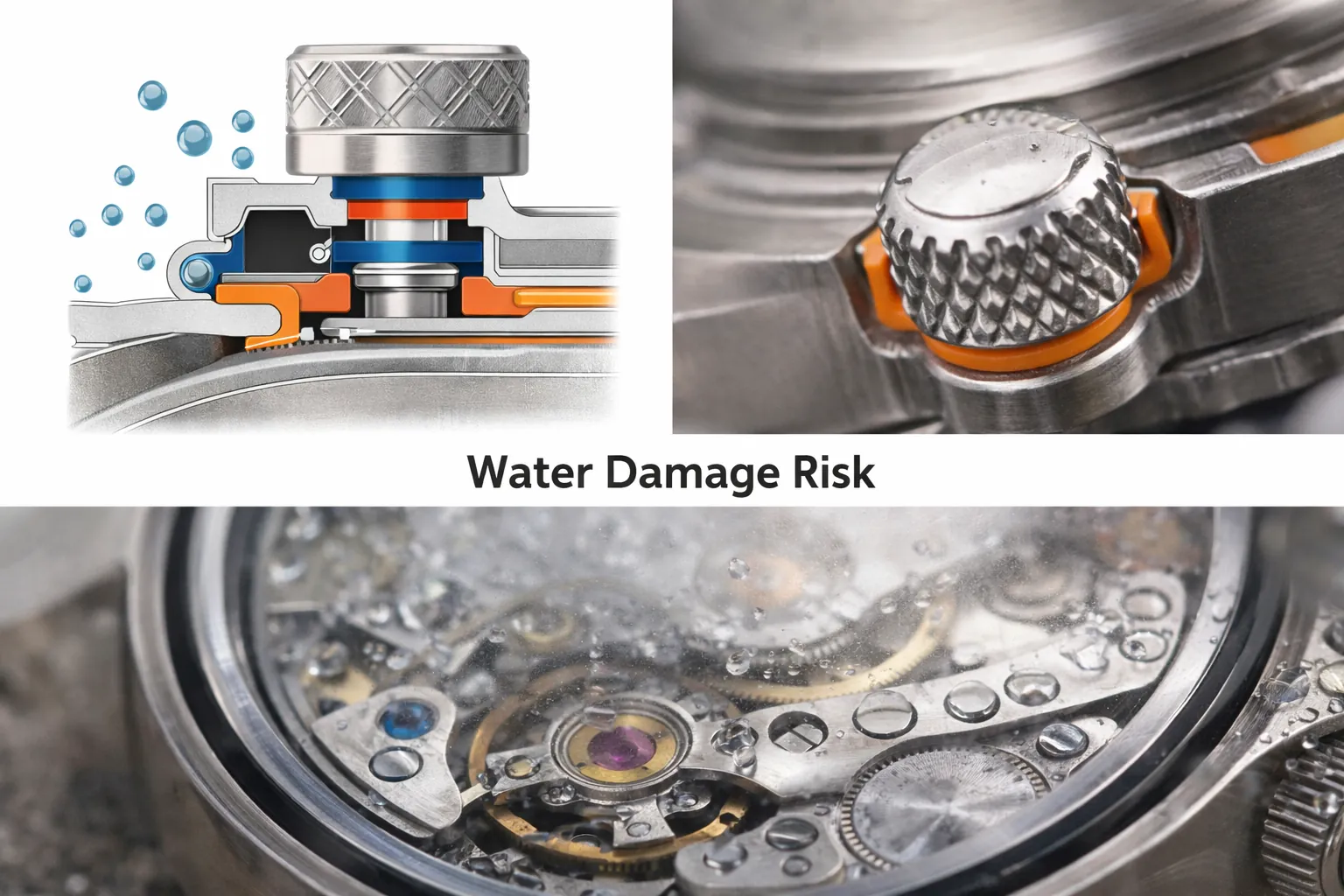
6. Environmental Stress & Magnetism
Magnetic fields from:
- Smartphones
- Speakers
- Laptop covers
- Handbags with magnetic clasps
can demagnetize balance springs, reducing accuracy and potentially increasing internal friction.
Unaddressed magnetization can:
- Reduce accuracy dramatically
- Increase wear over time
- Shorten replica watch lifespan to under 3 years
Shock exposure (motorcycles, construction vibration, frequent drops) also accelerates pivot wear and gear stress.
Realistic Replica Watch Lifespan Ranges
| Category | Expected Lifespan (Moderate Use) |
|---|---|
| Budget quartz replica | 3–5 years |
| Mid-tier quartz replica | 5–7 years |
| Entry automatic replica | 2–4 years |
| Mid-tier automatic replica | 3–6 years |
| Higher-grade automatic replica | 4–7+ years with servicing |
Overall average replica watch lifespan: 2–6 years under normal conditions.
This aligns with long-term industry observation patterns rather than promotional claims.
Entry-Level vs Premium Replicas
Budget Replicas (Under ~ $200)
- Basic movement finishing
- Minimal sealing consistency
- Lifespan: 1–3 years typical
Premium Replicas (Higher Tier Builds)
- Improved movement refinement
- Better case sealing
- Stronger QC standards
- Lifespan: 4–7 years typical
Premium builds narrow the durability gap relative to mid-range genuine watches in daily reliability — though they do not match decades-long heirloom expectations.
Maintenance and Preventive Care (Non-Technical)
To extend replica watch lifespan:
Avoid:
- High humidity storage
- Showering or swimming
- Strong magnets
- Adjusting date near midnight
Practice:
- Weekly cleaning with dry cloth
- Storage in cool, dry space
- Servicing every 2–3 years (for mechanical models)
- Avoid prolonged chronograph engagement
Preventive care often adds 1–2 additional years to functional lifespan.
For common usage questions and maintenance intervals, see our FAQ.
Can a Replica Watch Last 10 Years?
Possible — but uncommon without:
- Higher-grade movement
- Professional servicing
- Strict moisture avoidance
- Moderate usage
Even genuine mechanical watches require servicing within similar intervals. Expecting decade-long maintenance-free operation from any mechanical system is unrealistic.
Defining Longevity Correctly
A realistic definition of replica watch lifespan is:
- Stable timekeeping within reasonable tolerance
- No major structural or mechanical failure
- Cosmetic aging proportional to wear
- Usability without repeated repair cycles
Replica watches are not generational heirlooms — but when selected responsibly and worn properly, they can deliver multiple years of reliable performance.
Durability is not accidental. It is a function of structure, assembly discipline, material integrity, and user behavior working together.