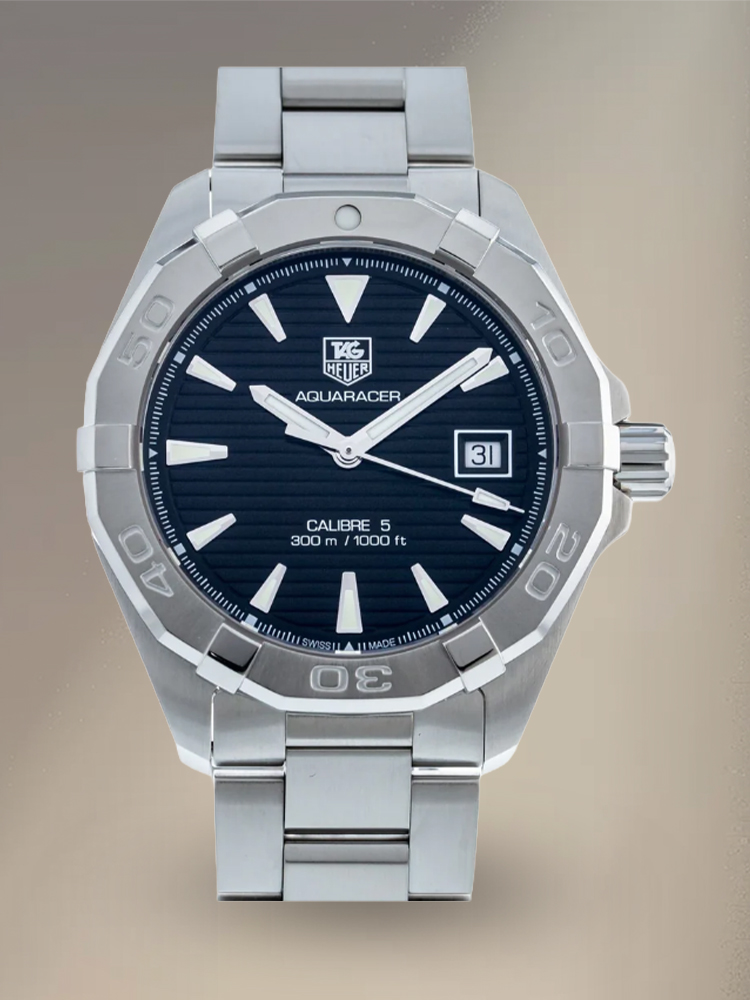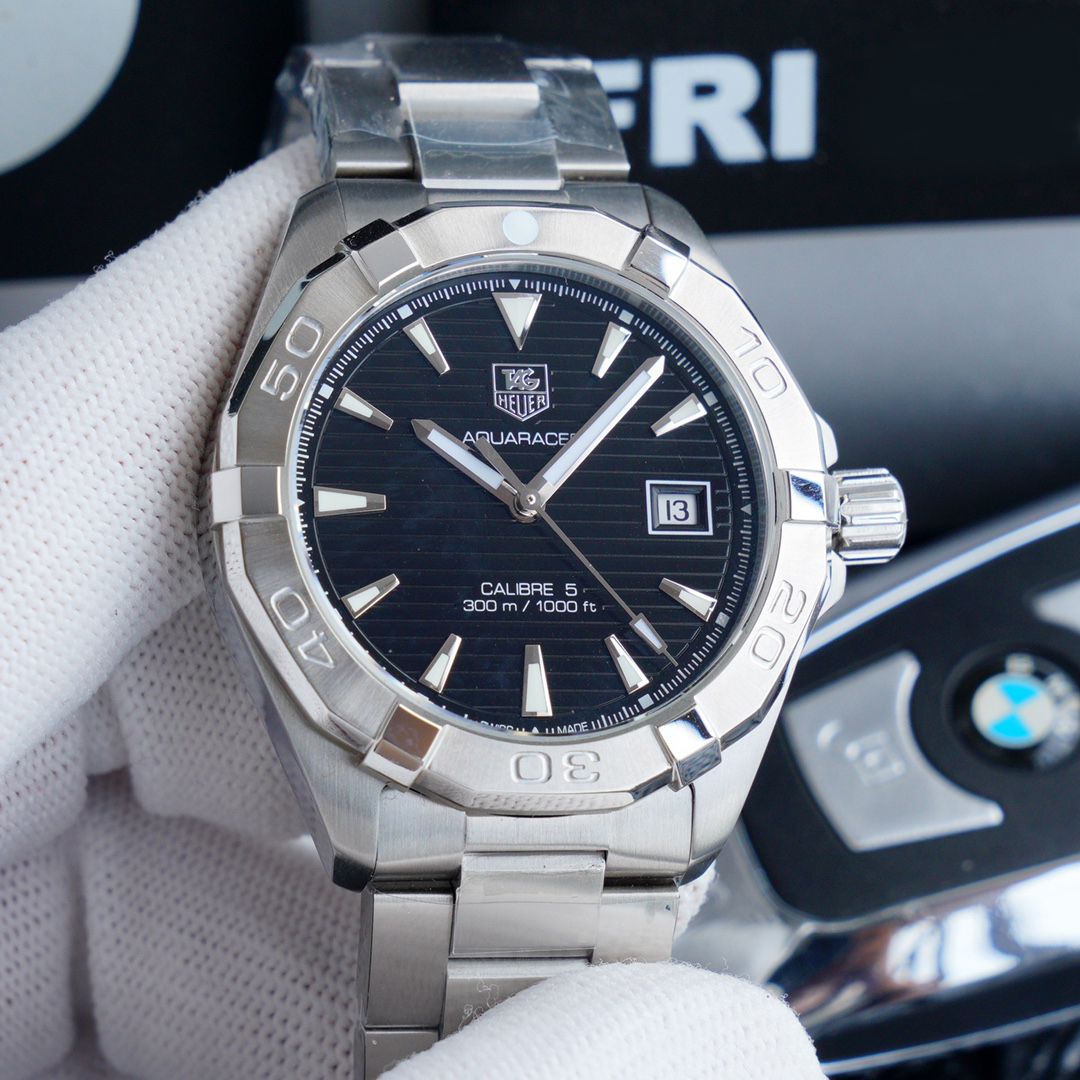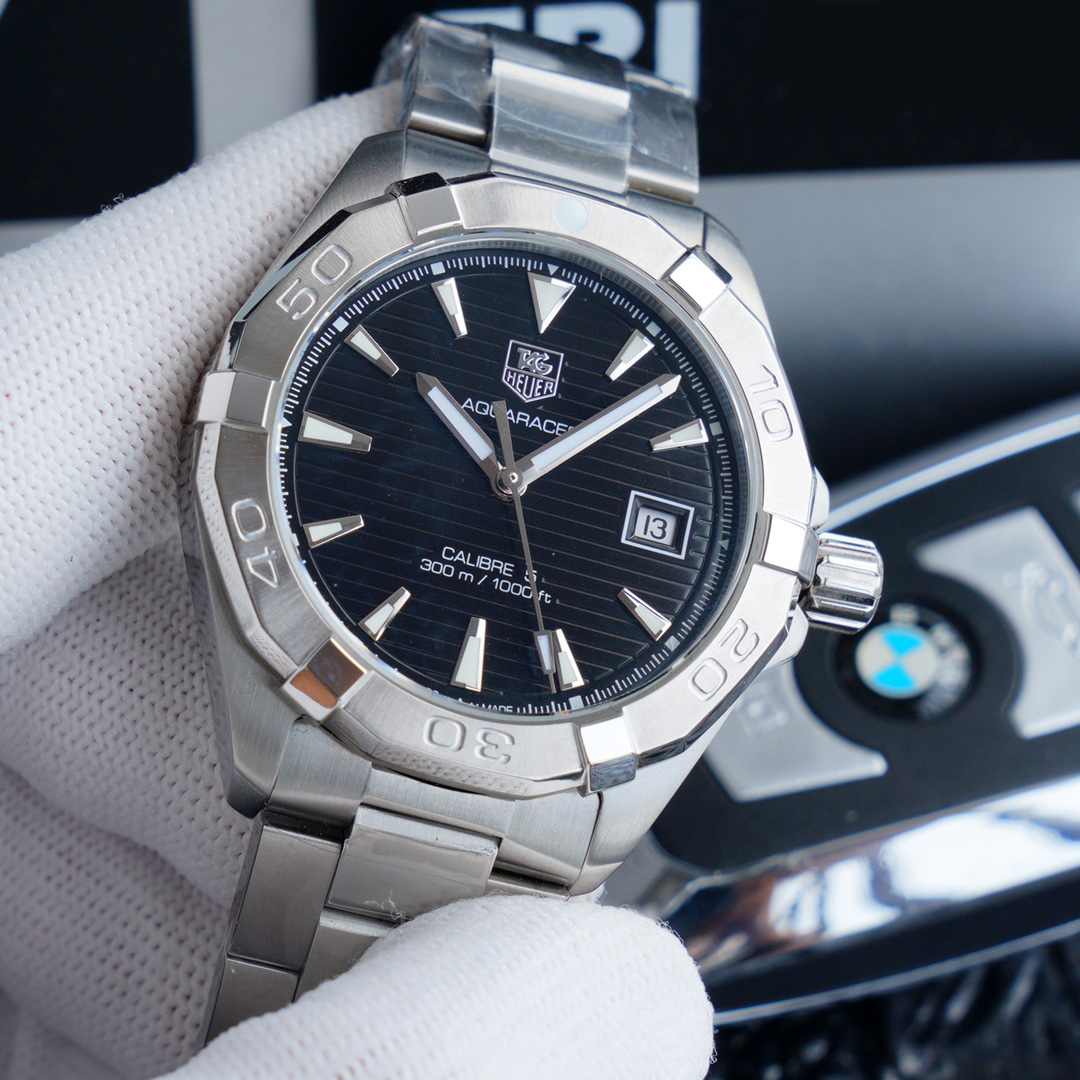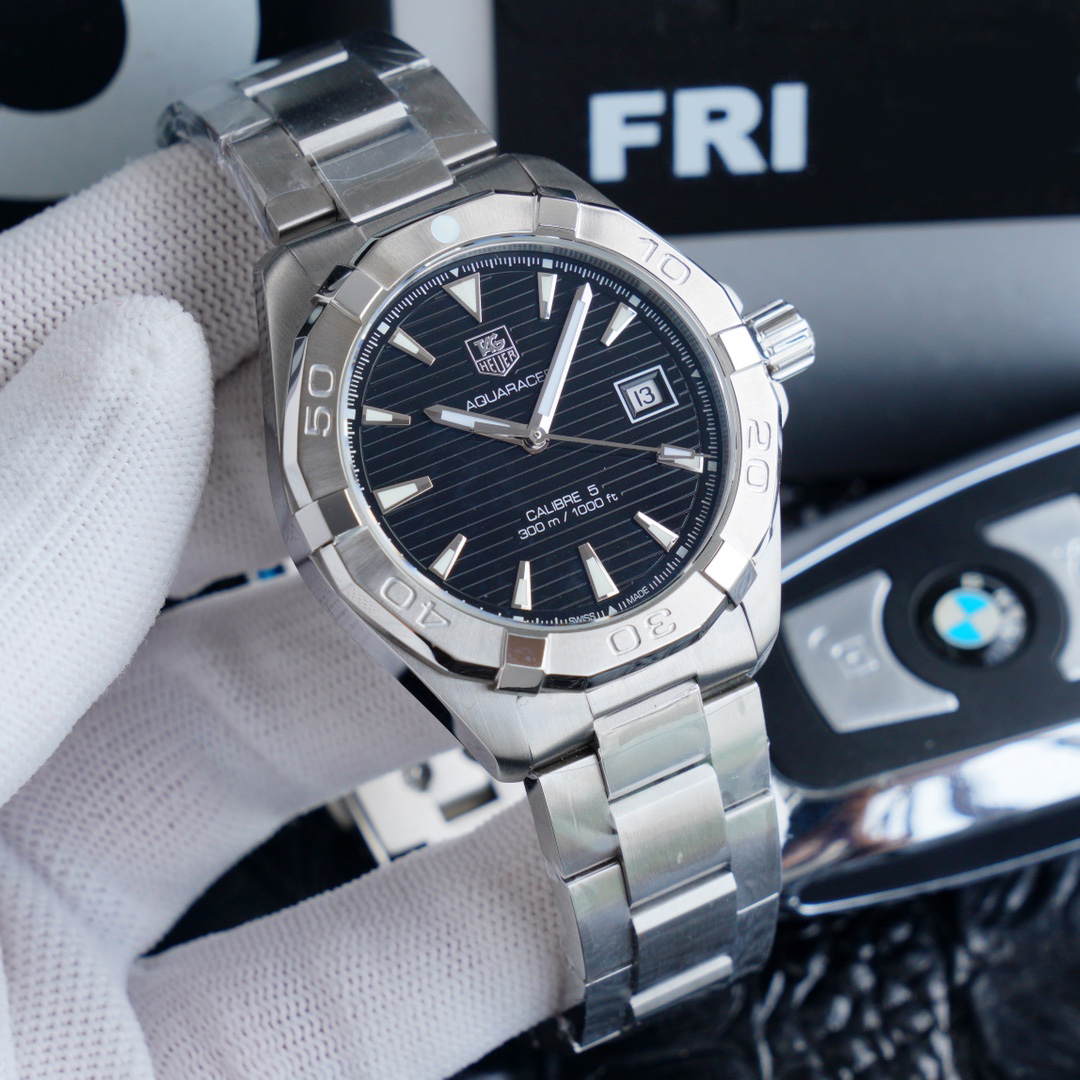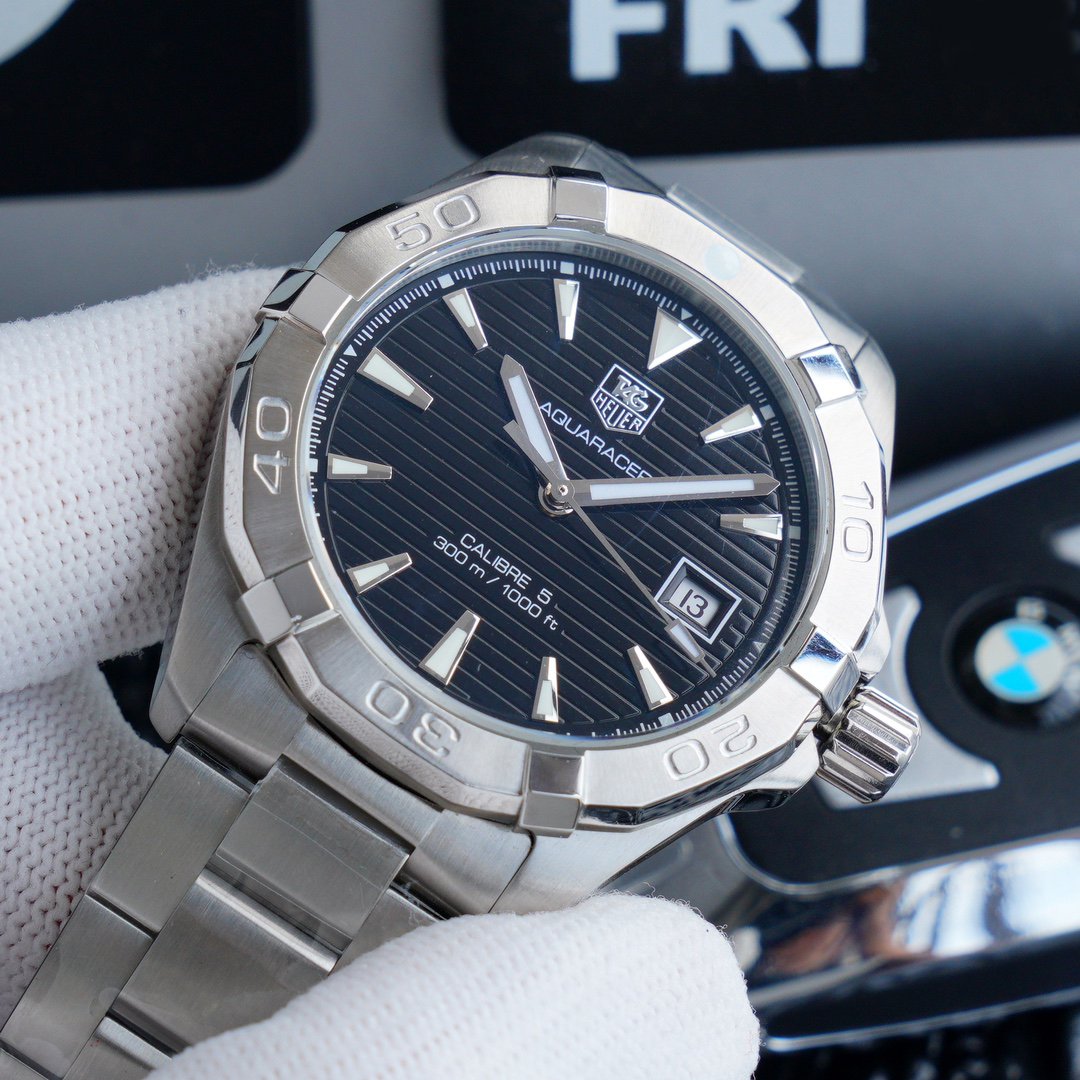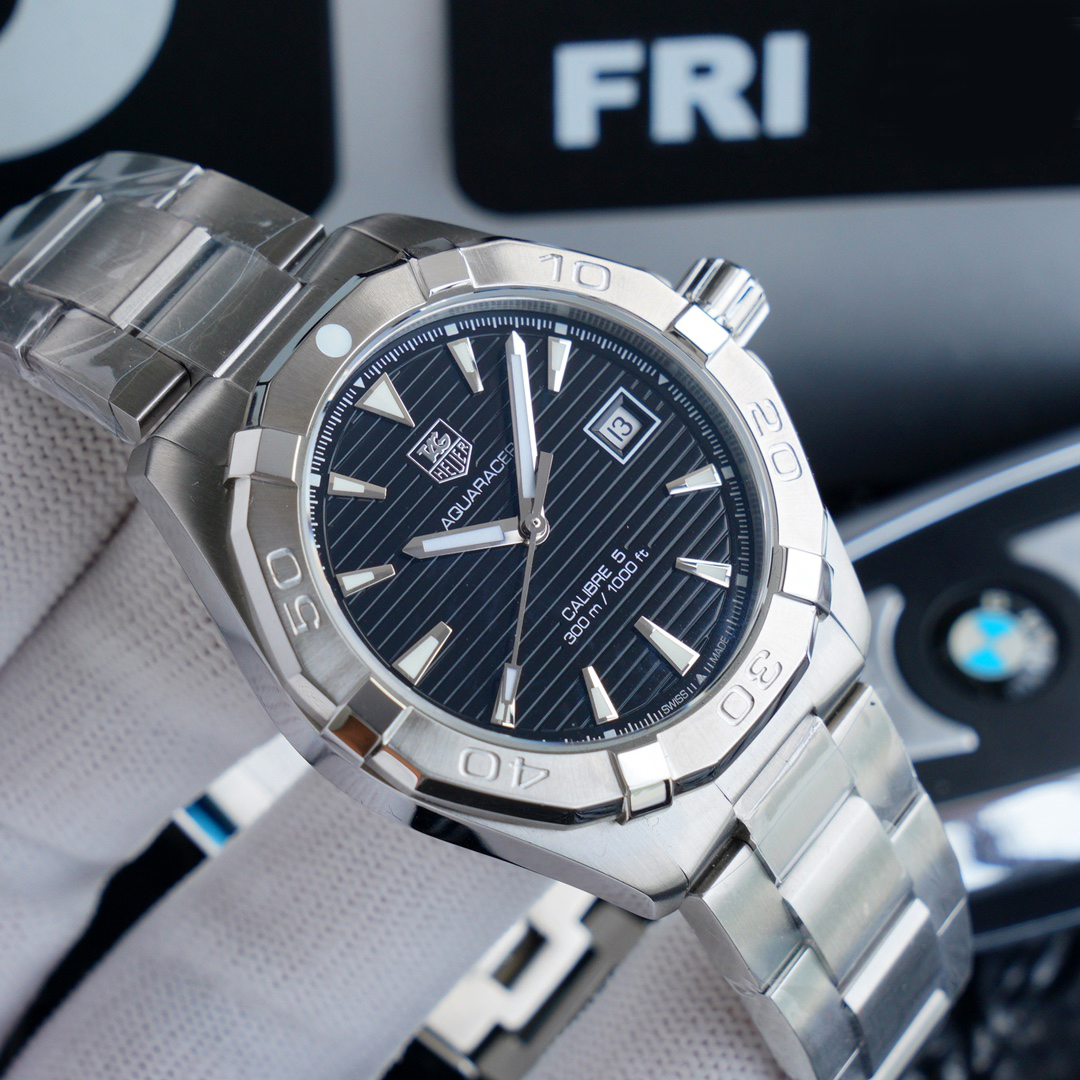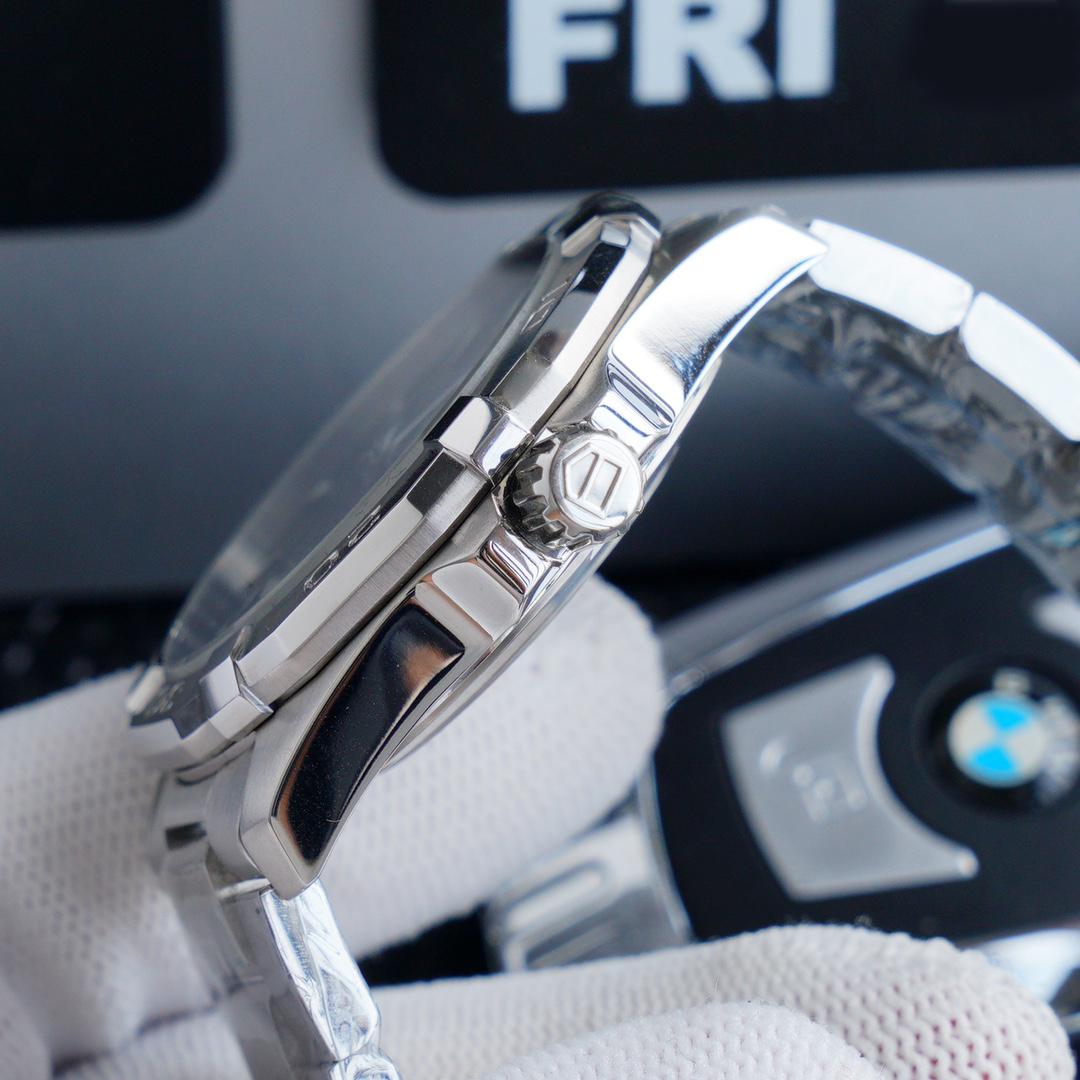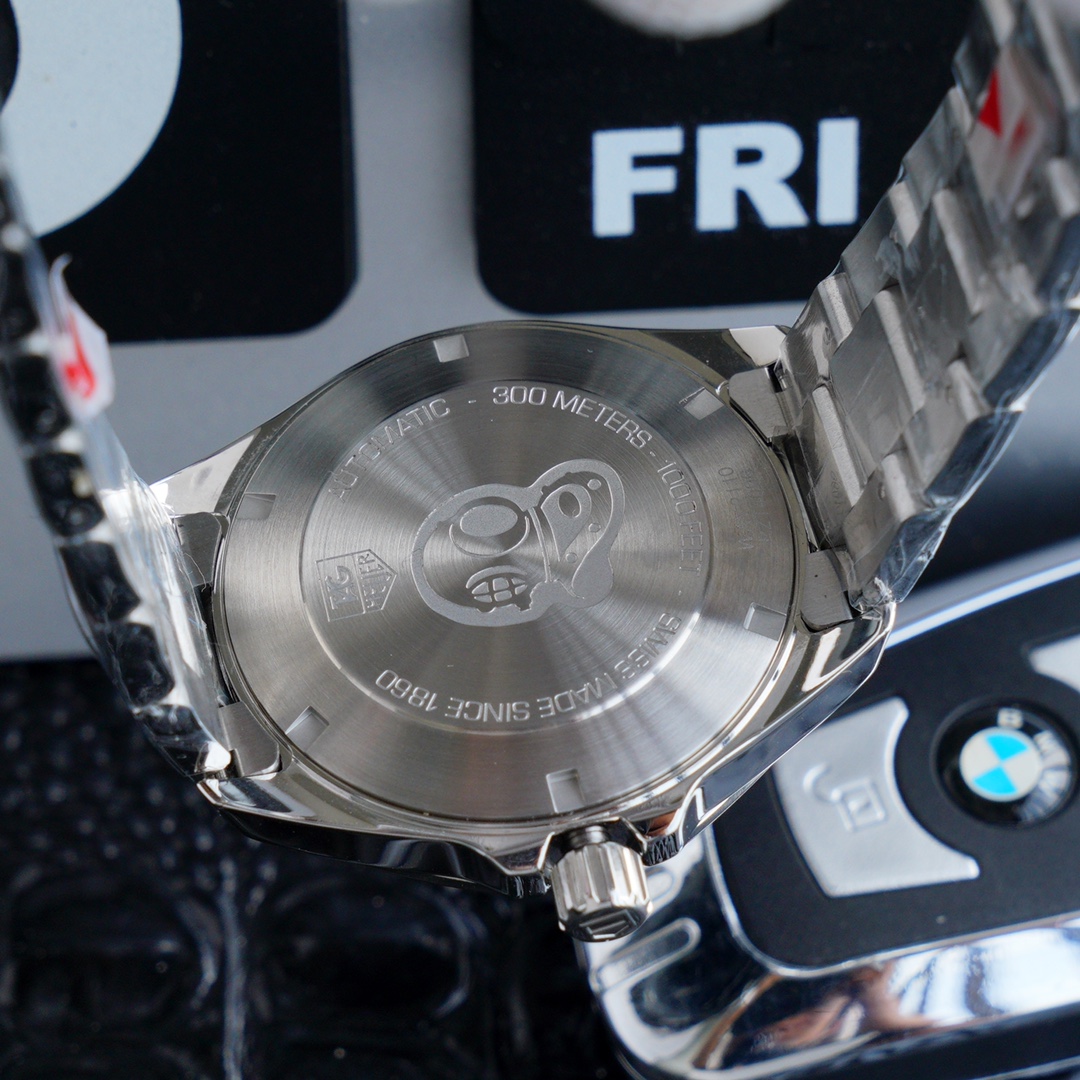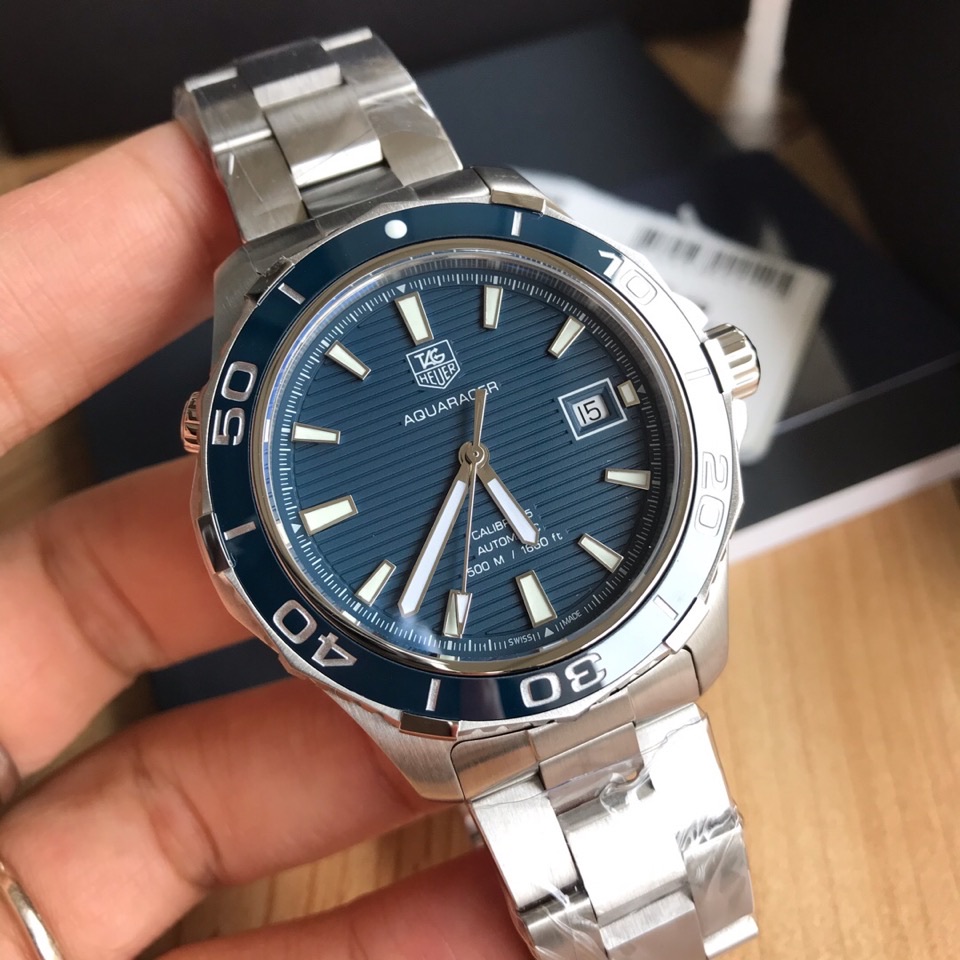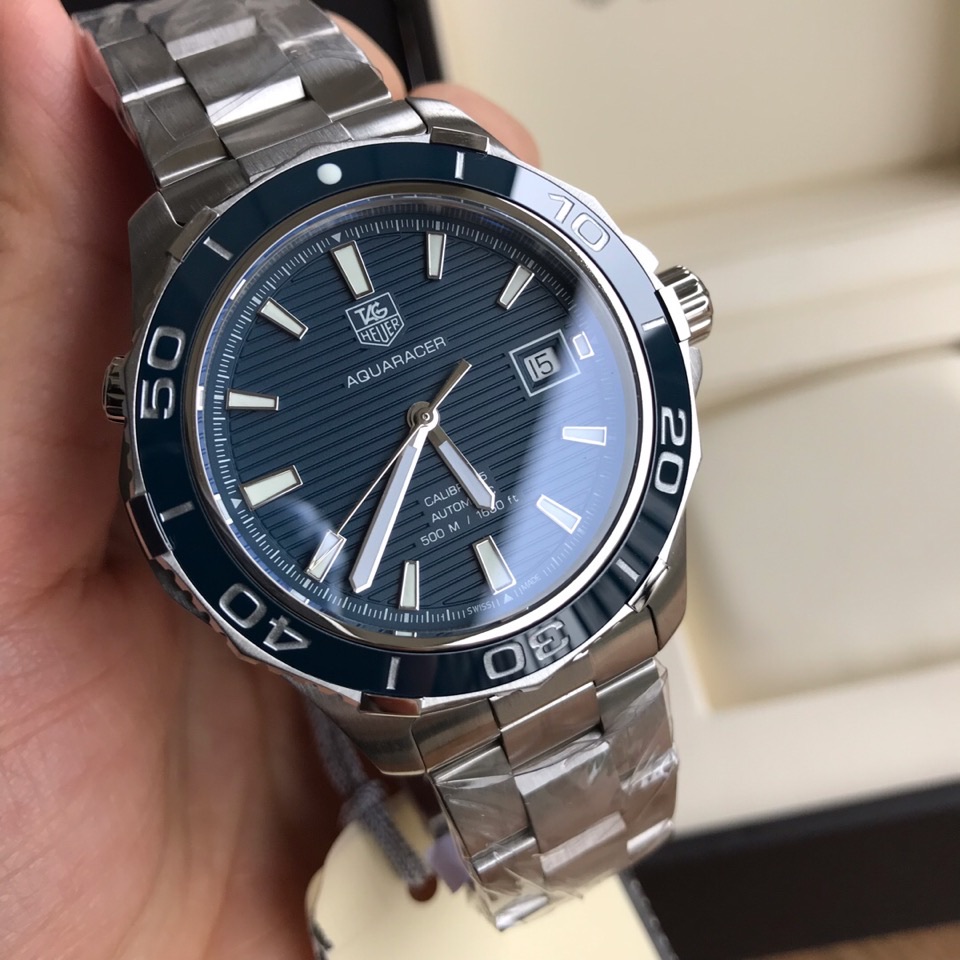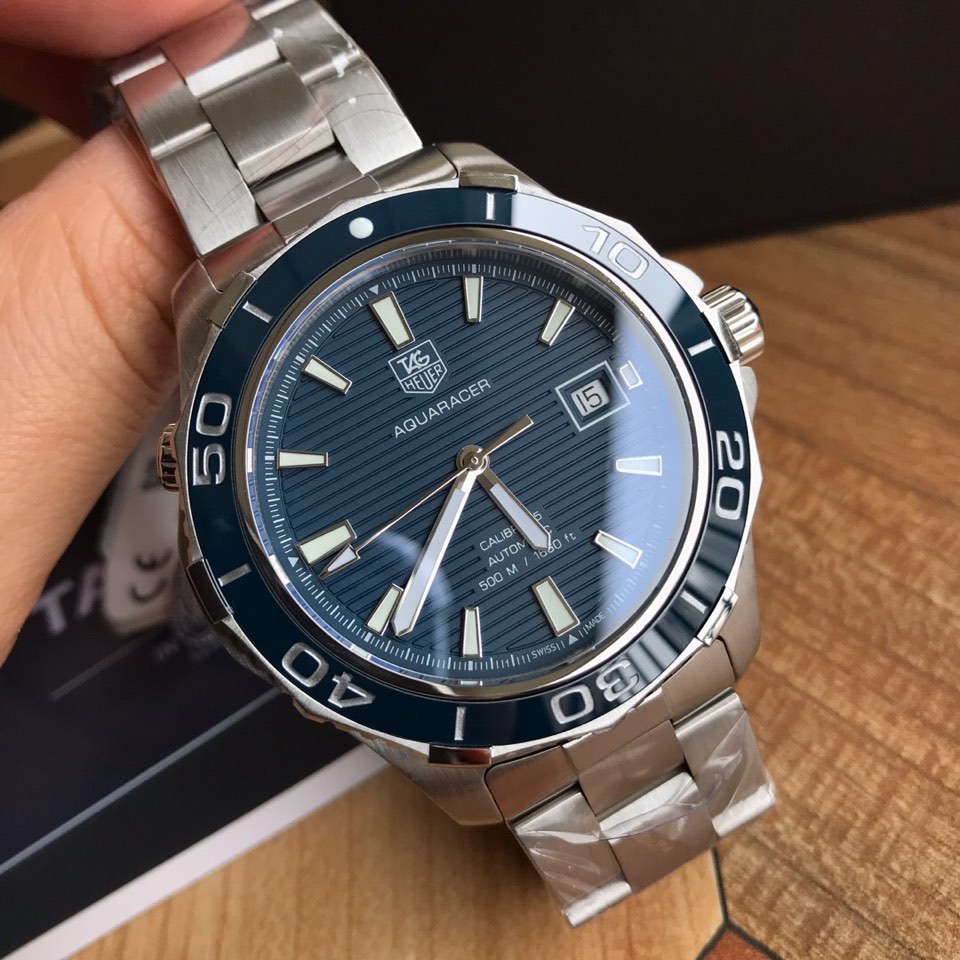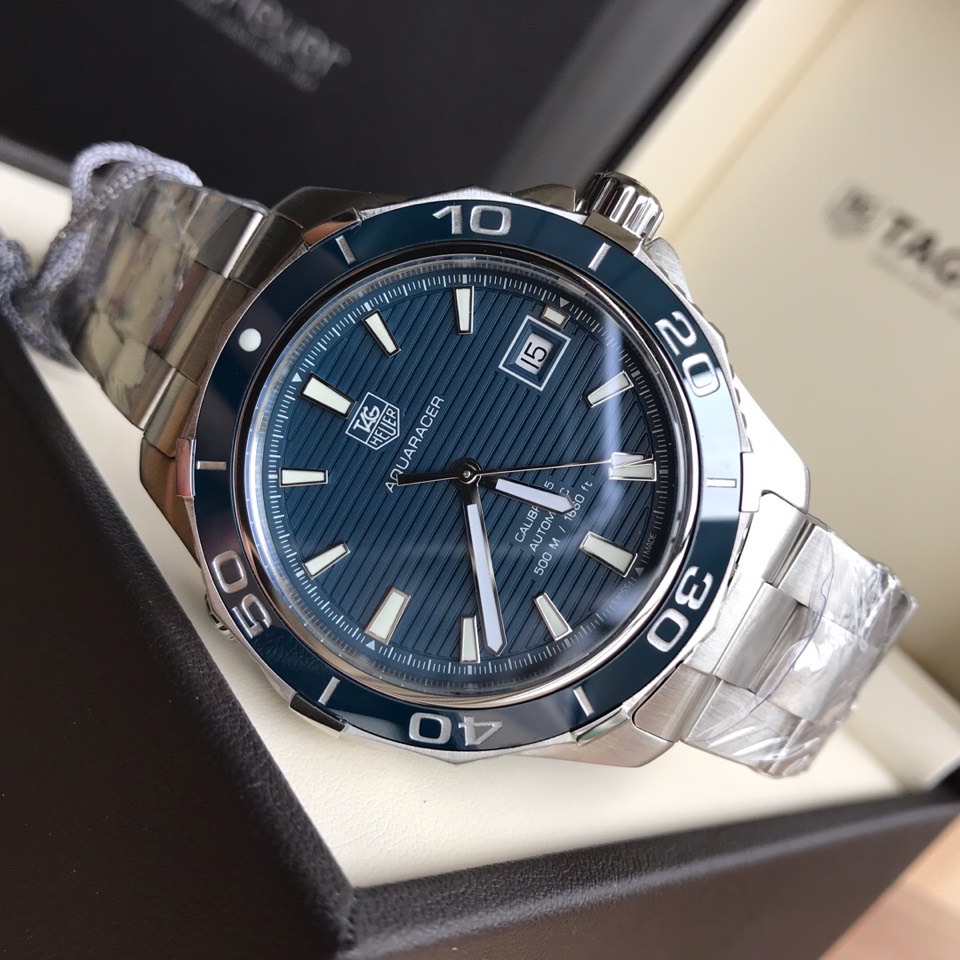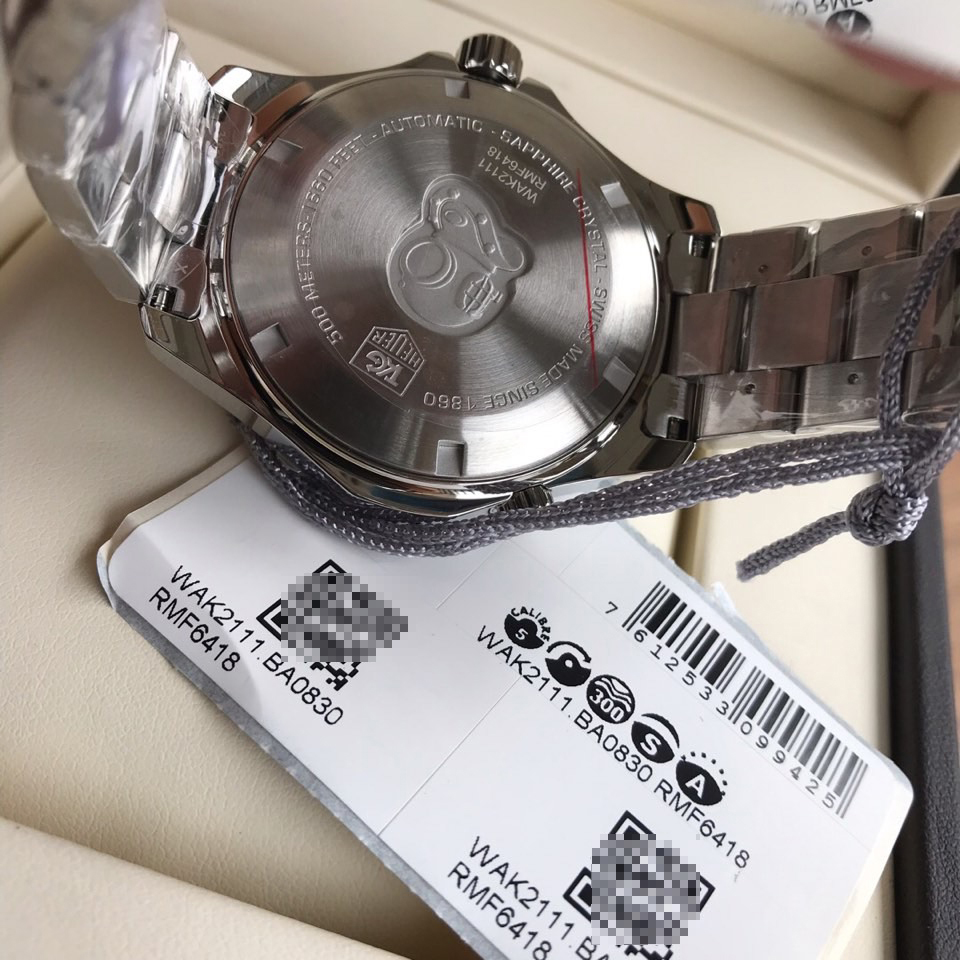
Introduction: Why Wearability Is a Technical Quality Indicator
In the replica watch industry, visual similarity is often the first evaluation layer. However, among experienced users, collectors, and long-term wearers, wearability and ergonomics become decisive indicators of actual product quality.
Wearability refers to how naturally a watch integrates into daily life over extended periods. Ergonomics focuses on how design elements—case shape, strap integration, weight balance, and control placement—align with human anatomy and movement. Together, they determine whether a watch remains comfortable, stable, and practical beyond initial inspection.
This technical reference consolidates industry-level, non-engineering knowledge to explain how wearability is formed, evaluated, and optimized in replica watches, emphasizing long-term usability rather than exaggerated specifications.
Wearability as a System-Level Attribute
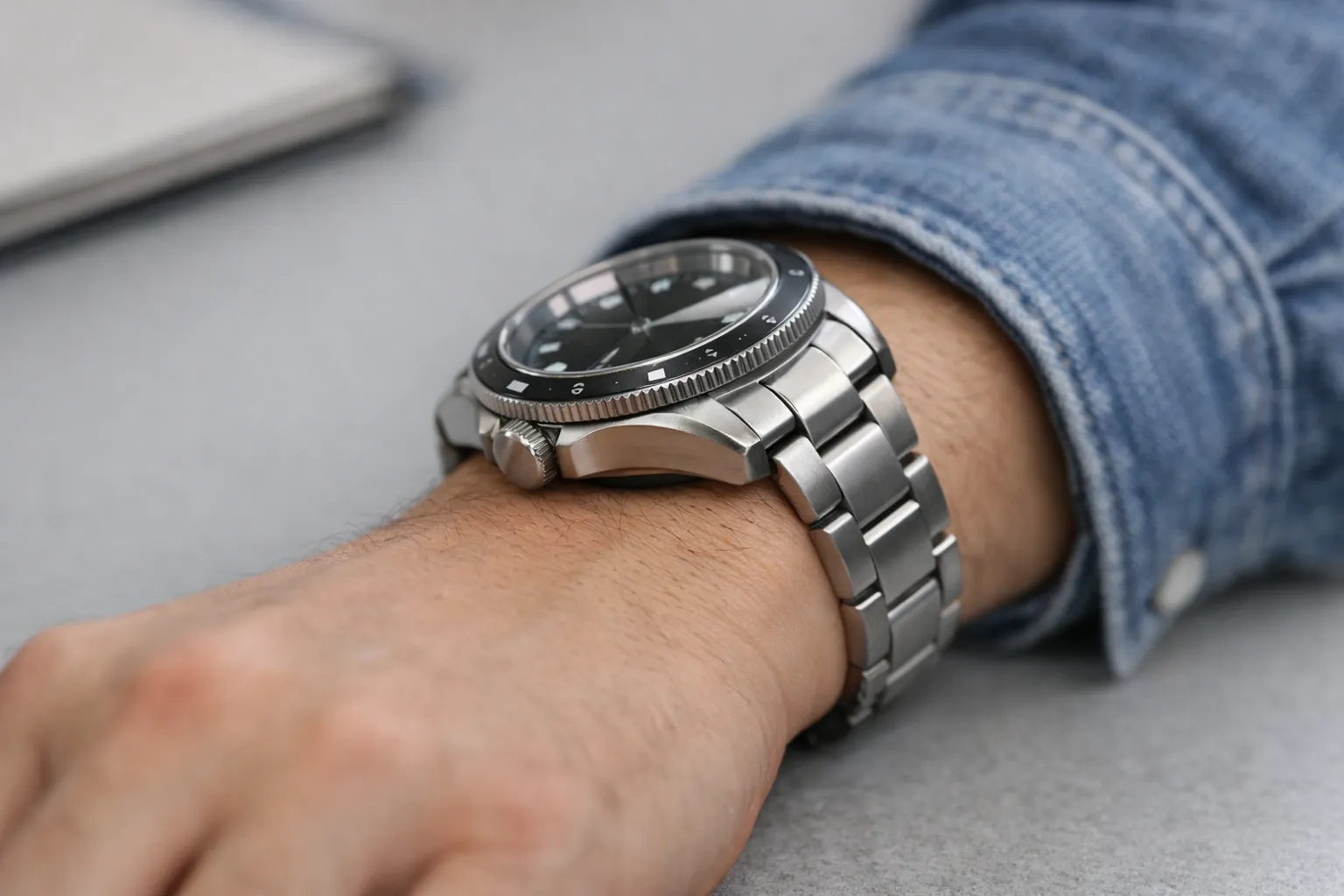
Wearability is not defined by a single specification. Instead, it emerges from the interaction of multiple variables:
- Case dimensions and geometry
- Weight distribution and center of gravity
- Materials and skin interaction
- Strap or bracelet articulation
- User behavior and wearing scenarios
From an industry perspective, wearability reflects design maturity and user-oriented refinement, not just aesthetic execution. Replica watches that perform well ergonomically tend to show higher long-term satisfaction and more consistent daily use.
Case Dimensions and Wrist Compatibility
Case Diameter, Thickness, and Perceived Size
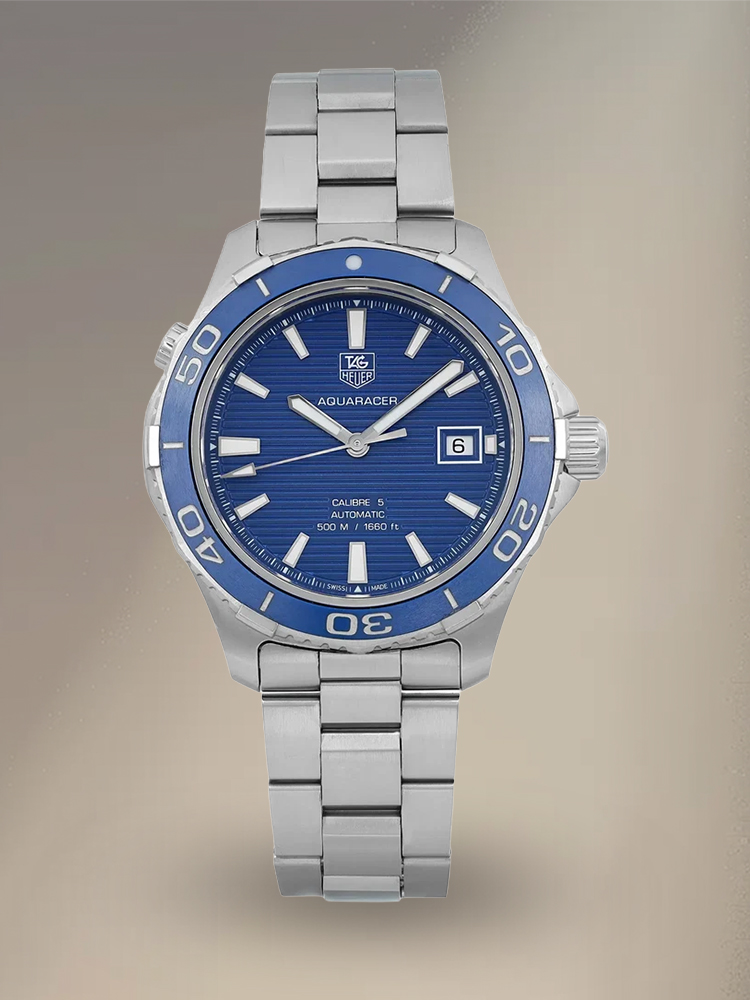
Case diameter should always be interpreted together with bezel width and dial opening. Two watches of the same diameter can feel significantly different on the wrist.
General ergonomic guidance based on wrist circumference:
| Wrist Circumference | Recommended Case Diameter | Ergonomic Rationale |
|---|---|---|
| 15–17 cm | 35–39 mm | Reduces overhang and pressure |
| 17–19 cm | 39–42 mm | Balanced presence and stability |
| 19 cm+ | 42–44 mm | Maintains visual and physical balance |
Case thickness influences interaction with clothing and wrist mobility:
- 8–12 mm: Suitable for office and formal wear, easier sleeve compatibility
- 12–15 mm: More common in sports or chronograph designs, requires balanced profile
Lug-to-Lug Distance and Stability
Lug-to-lug distance often has a greater impact on comfort than diameter.
- Measurements under 50 mm generally provide better wrist conformity for most users
- Excessive lug length increases leverage, causing rotation and instability
Accurate lug curvature replication significantly improves how a watch settles on the wrist during daily movement.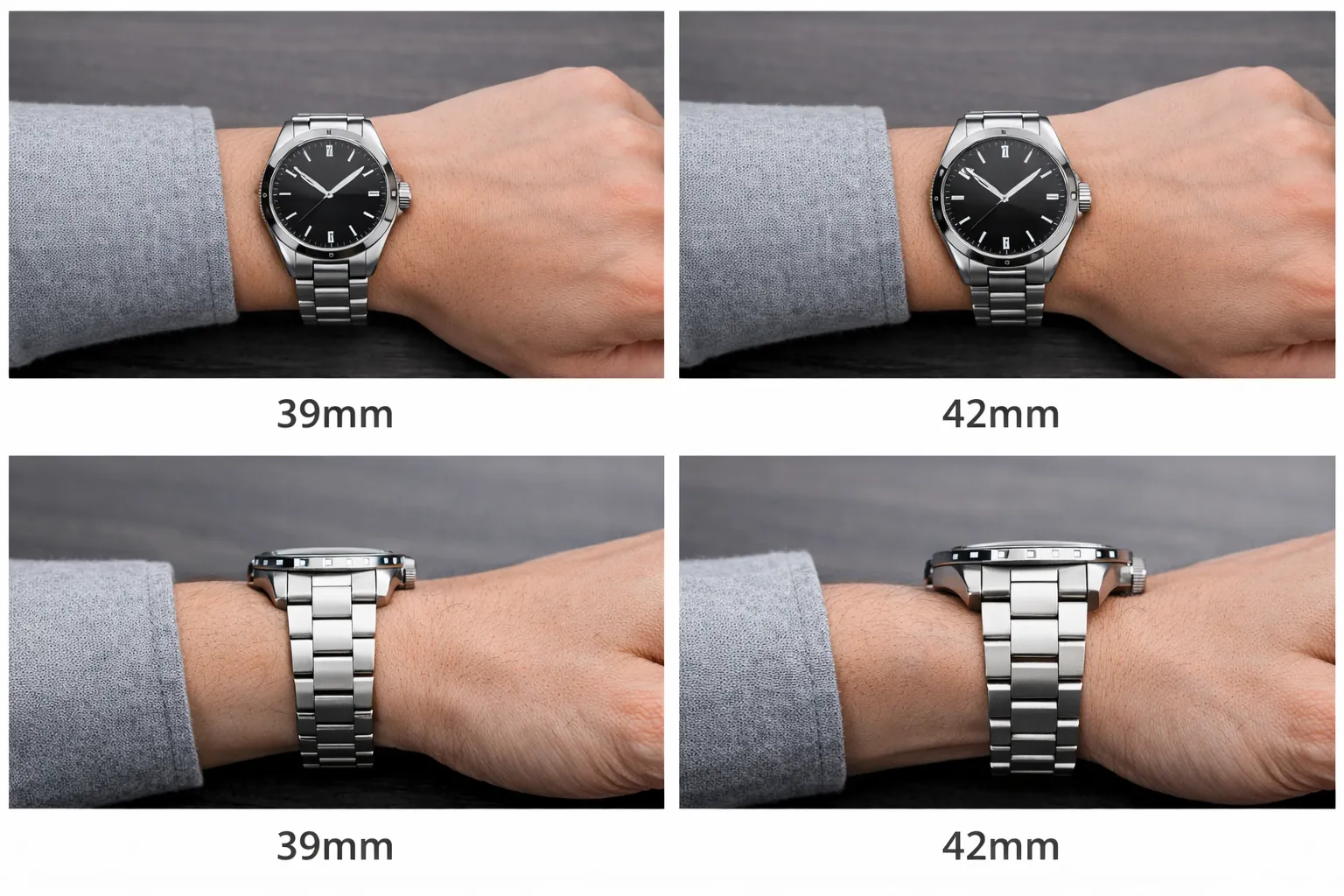
Material Selection and Skin Interaction
Materials directly affect both comfort and long-term wearability.
Common Material Characteristics
| Material | Ergonomic Properties | Daily Wear Considerations |
|---|---|---|
| Stainless Steel (316L / 904L) | Balanced weight, stable temperature | Low irritation risk, consistent feel |
| Titanium | Lightweight, fast temperature adaptation | Requires good balance to avoid “floating” feel |
| Ceramic | Scratch resistance, reduced mass | Neutral skin interaction |
| Rubber Straps | Flexible, moisture-resistant | Ideal for active or warm environments |
| Leather Straps | Soft and adaptable | Breathability varies with lining and thickness |
Industry consensus favors materials that maintain predictable skin contact and avoid irritation during prolonged wear. Regular cleaning helps preserve tactile comfort and material integrity.
Strap and Bracelet Ergonomics
Strap Length, Adjustment, and Pressure Distribution
Proper strap fit prevents sliding and uneven load.
- Steel bracelets with adjustable links allow fine-tuning (typically 1–2 cm)
- NATO and fabric straps offer adaptability but may stretch over time
- Leather straps require monitoring for humidity-related stiffness
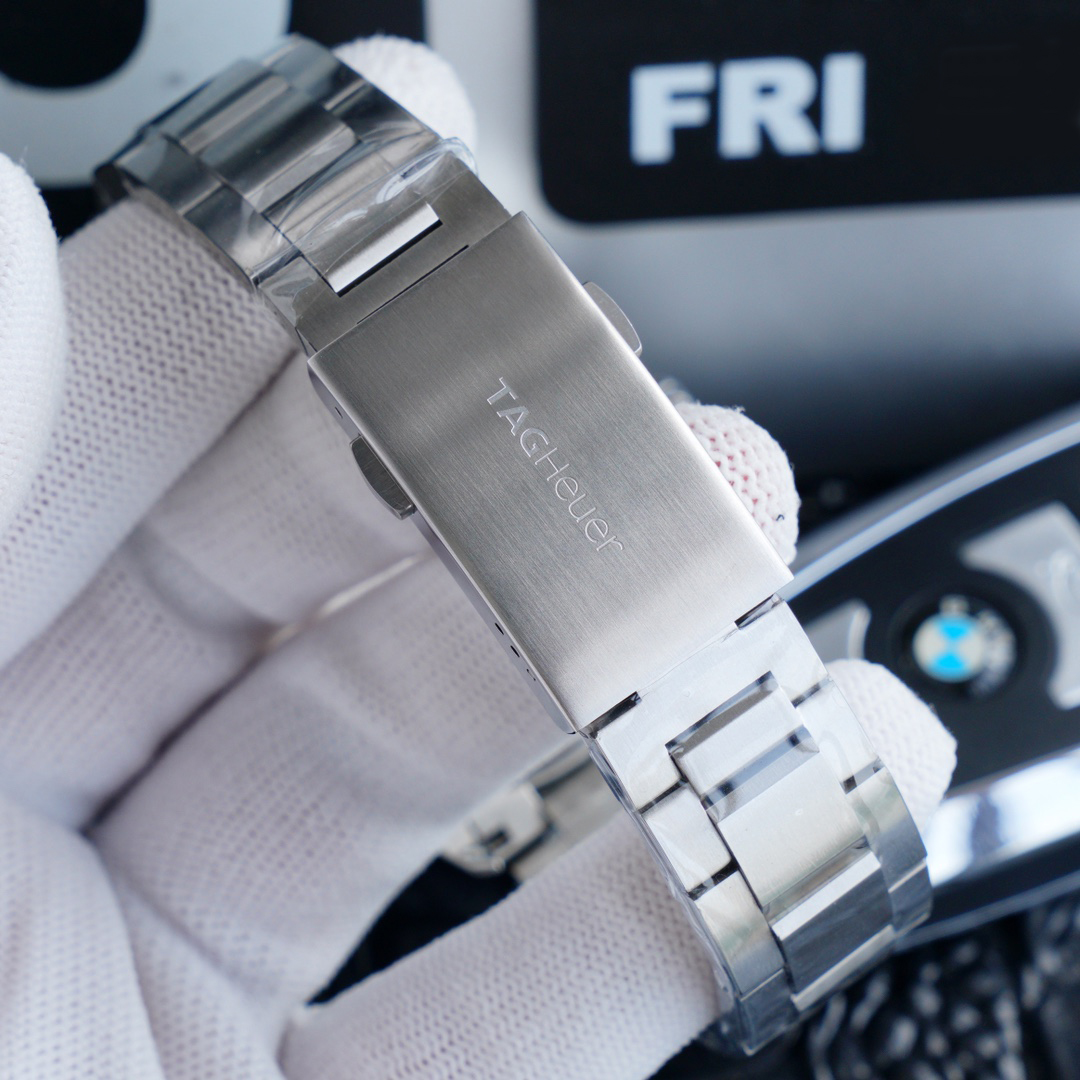
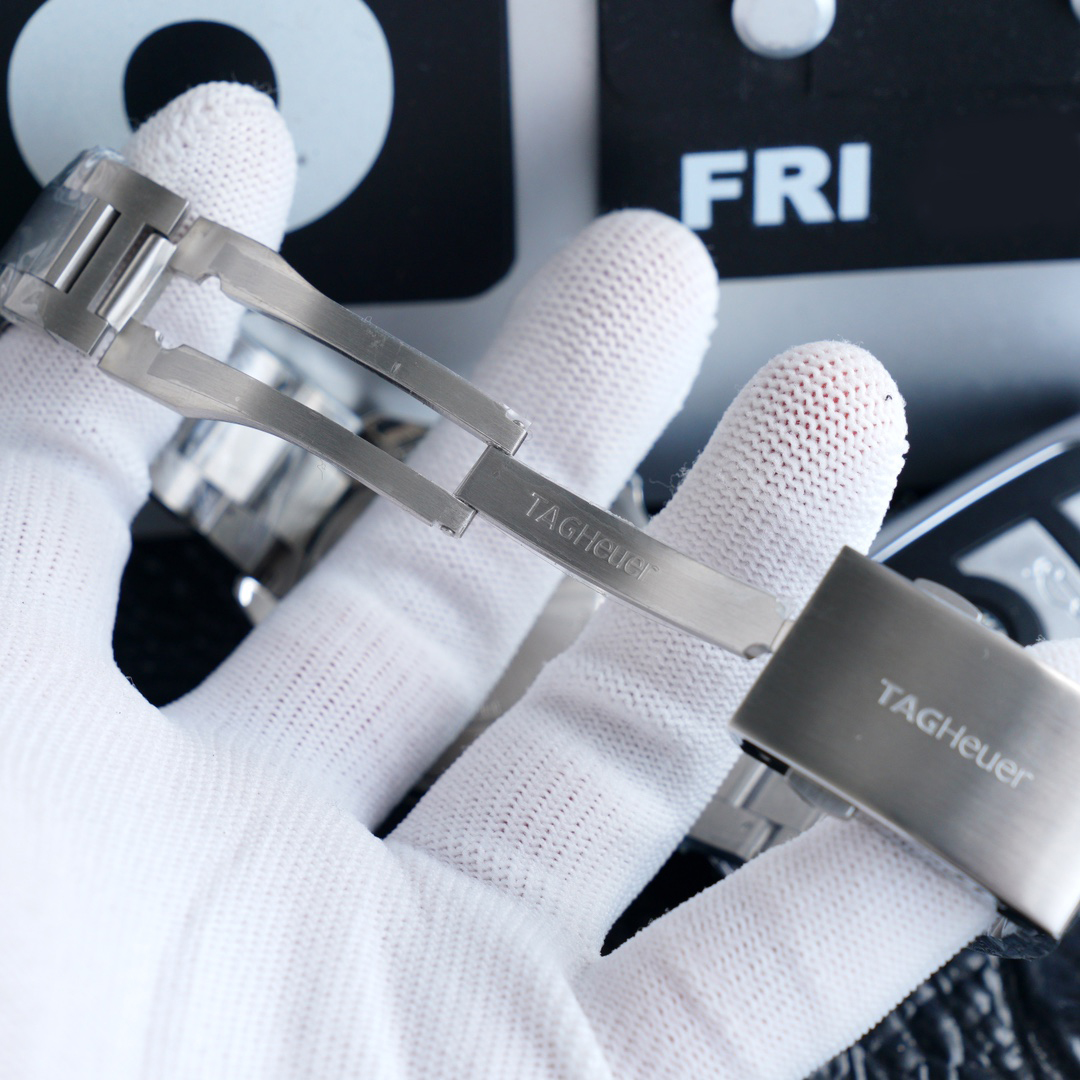
Clasp Design and Wrist Comfort
Ergonomic clasps (fold-over, butterfly styles) should secure without pinching or pressure concentration. A well-designed clasp distributes load evenly and reduces fatigue during prolonged wear.
Sport-oriented replicas, particularly dive-style models, benefit from rubber straps that enhance grip and flexibility under motion-intensive conditions.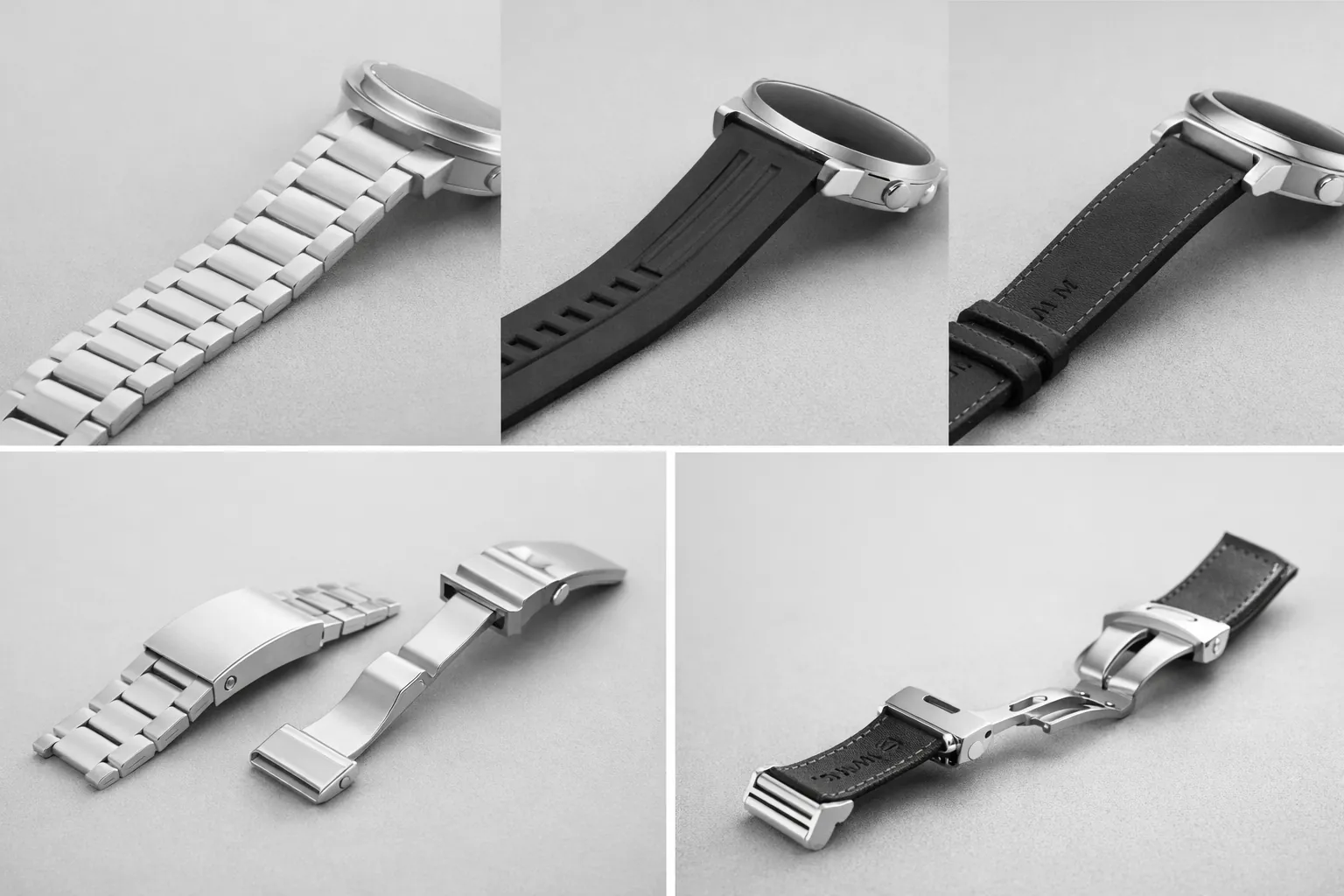
Functional Ergonomics: Crown and Control Interaction
Crown and pusher placement directly affect comfort during wrist flexion.
- Oversized or protruding crowns can cause wrist contact discomfort
- Slightly recessed or well-guarded crowns improve clearance
Chronograph pushers should provide predictable tactile feedback without excessive resistance. From an ergonomic standpoint, consistency matters more than mechanical sensation.
Movement Type and Daily Interaction
Movement choice influences how users interact with the watch.
| Movement Type | Ergonomic Impact | Typical Use Pattern |
|---|---|---|
| Automatic | Minimal manual input when worn regularly | Suits active daily wear |
| Quartz | Low interaction demand | Stable, low-maintenance use |
| Manual | Requires regular winding | Encourages deliberate interaction |
Stable movements reduce the need for frequent adjustments, indirectly improving wearability by minimizing interaction friction.
Environmental Durability and Everyday Conditions
Maintenance and Long-Term Comfort Preservation
Wearability degrades over time without basic care.
Recommended user-level practices:
- Weekly cleaning to remove sweat and residue
- Avoid prolonged exposure to chemicals or moisture
- Store in moderate environments
Periodic professional servicing (typically every 3–5 years) helps preserve smooth operation and ergonomic consistency without user intervention.
Scenario-Based Ergonomic Matching (Structured Reference)
Different lifestyles impose distinct ergonomic demands. Matching watch characteristics to usage scenarios significantly improves comfort and usability.
Ergonomic Matching by Usage Scenario
| Scenario | Ergonomic Priorities | Recommended Design Focus |
|---|---|---|
| Office / Business | Slim profile, low bulk | Thin case, moderate diameter |
| Outdoor / Sport | Stability, flexibility | Lightweight case, rubber strap |
| Travel / GMT Use | Intuitive controls | Clear crown logic, easy adjustment |
| Long-Term Rotation | Wear distribution | Multiple watches to reduce strain |
Matching watch type to actual use cases maximizes both comfort and functional effectiveness over time.
Wearability as a Marker of Design Maturity
In the replica watch ecosystem, wearability often distinguishes surface-level similarity from refined execution. While visual accuracy attracts initial attention, ergonomic consistency determines whether a watch becomes a long-term daily companion.
From an industry standpoint, strong wearability reflects deeper understanding of case architecture, human movement, and real-world usage behavior—qualities that extend beyond appearance alone.