Wearability & Daily Comfort: Why Some Watches Feel Top-Heavy
A technical, wearability-focused explanation of top-heaviness in daily use, with clear causes and practical comfort-oriented mitigation.
Introduction: Top-Heaviness Is a Balance Issue, Not a Quality Issue
When wearers describe a watch as top-heavy, they are rarely referring to total weight alone.
In professional wearability analysis, top-heaviness is understood as a balance-related phenomenon, arising from the interaction between case design, material density, strap behavior, and wrist anatomy.
This issue is especially relevant in sports and chronograph replica watches, where dimensional accuracy and realistic material use preserve not only the visual design, but also the original ergonomic trade-offs. Understanding why top-heaviness occurs allows users to evaluate comfort objectively rather than emotionally.
What “Top-Heavy” Means in Technical Wearability Terms
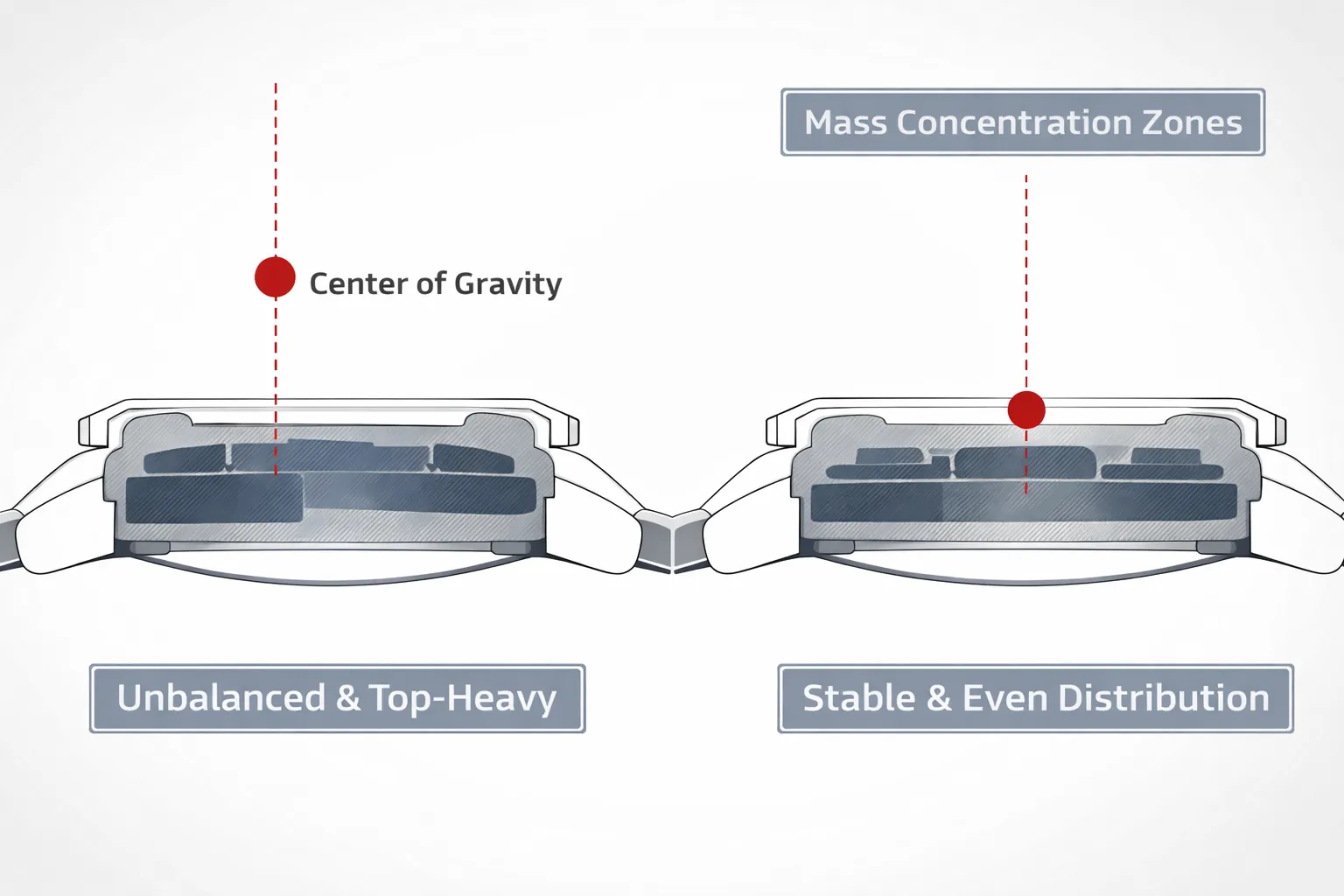
Top-heaviness describes a situation where the center of gravity of the watch head sits noticeably above the wrist’s natural rotational axis, causing the watch to feel unstable during daily movement.
It is important to distinguish between:
- Structural Top-Heaviness – objectively determined by case size, thickness, and material distribution
- Perceived Top-Heaviness – subjectively influenced by strap choice, wrist shape, and activity level
Most real discomfort occurs when these two factors reinforce each other.
Key Factors That Cause a Watch to Feel Top-Heavy
The following factors work together to determine how balanced a watch feels on the wrist in real-world use.
1. Case Design and Dimensional Proportions
Case Diameter, Thickness, and Lug-to-Lug Length
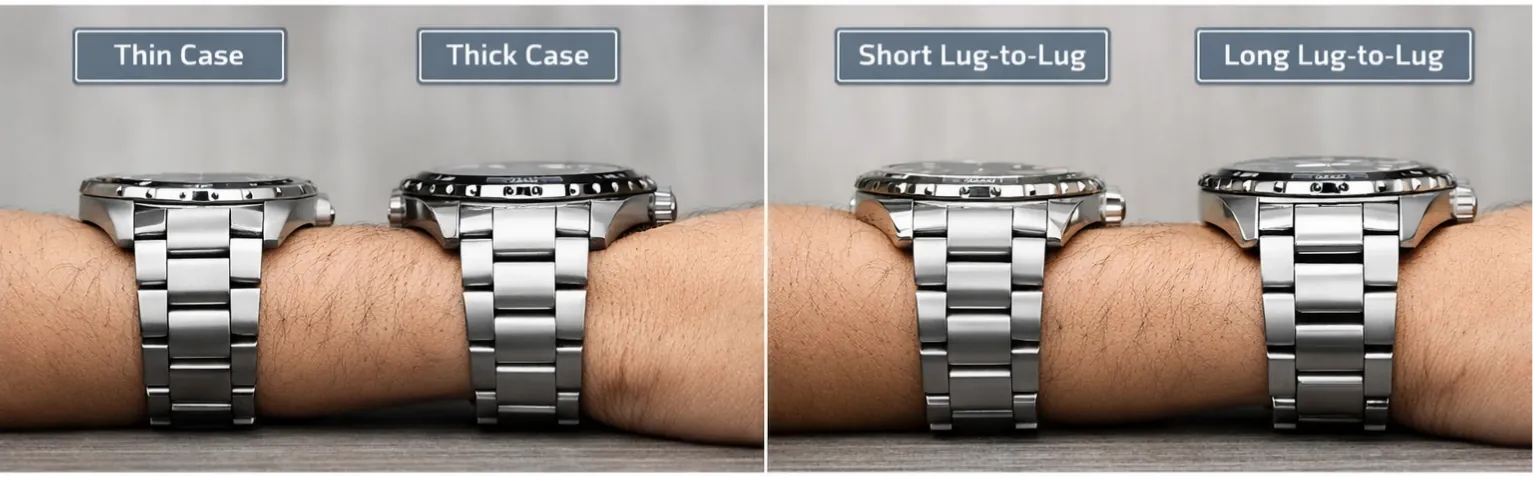
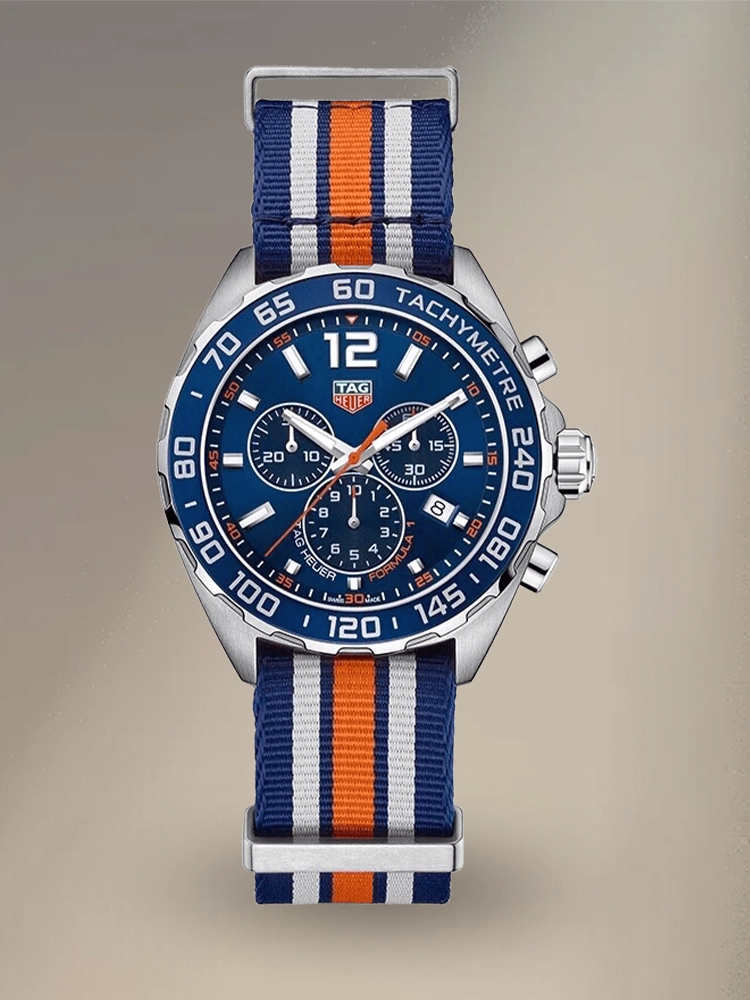
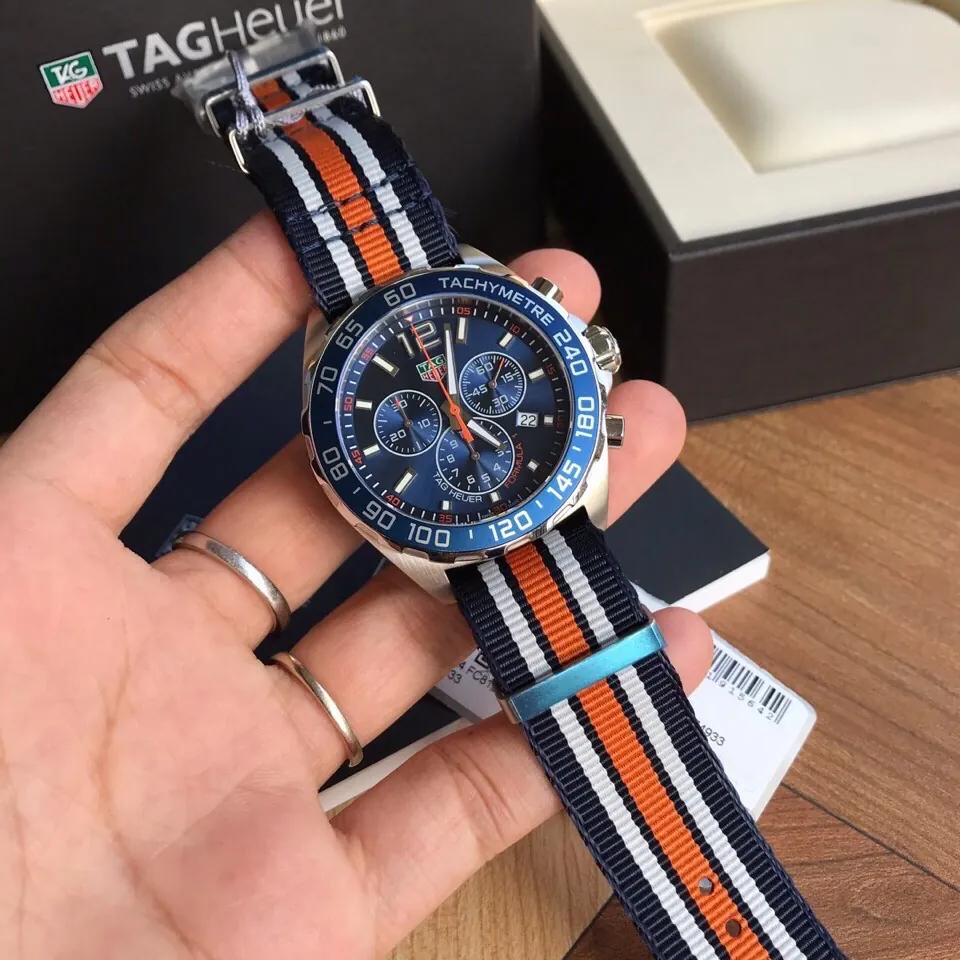
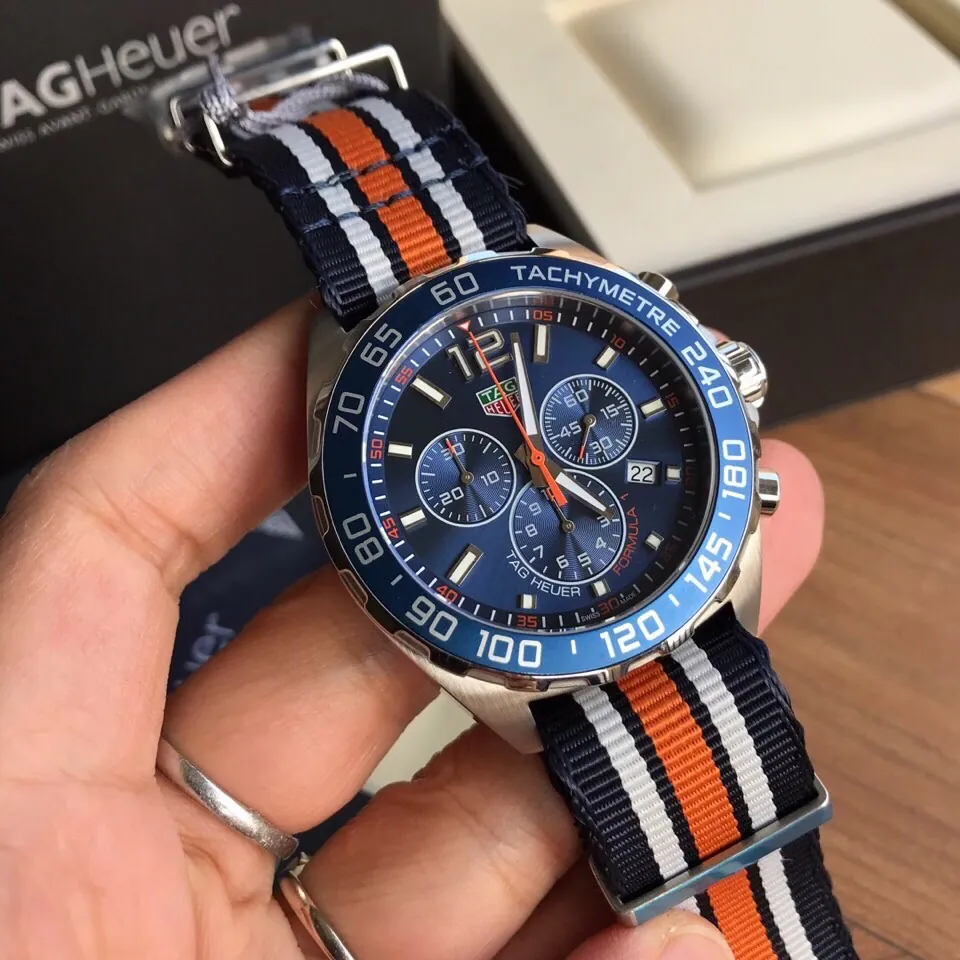
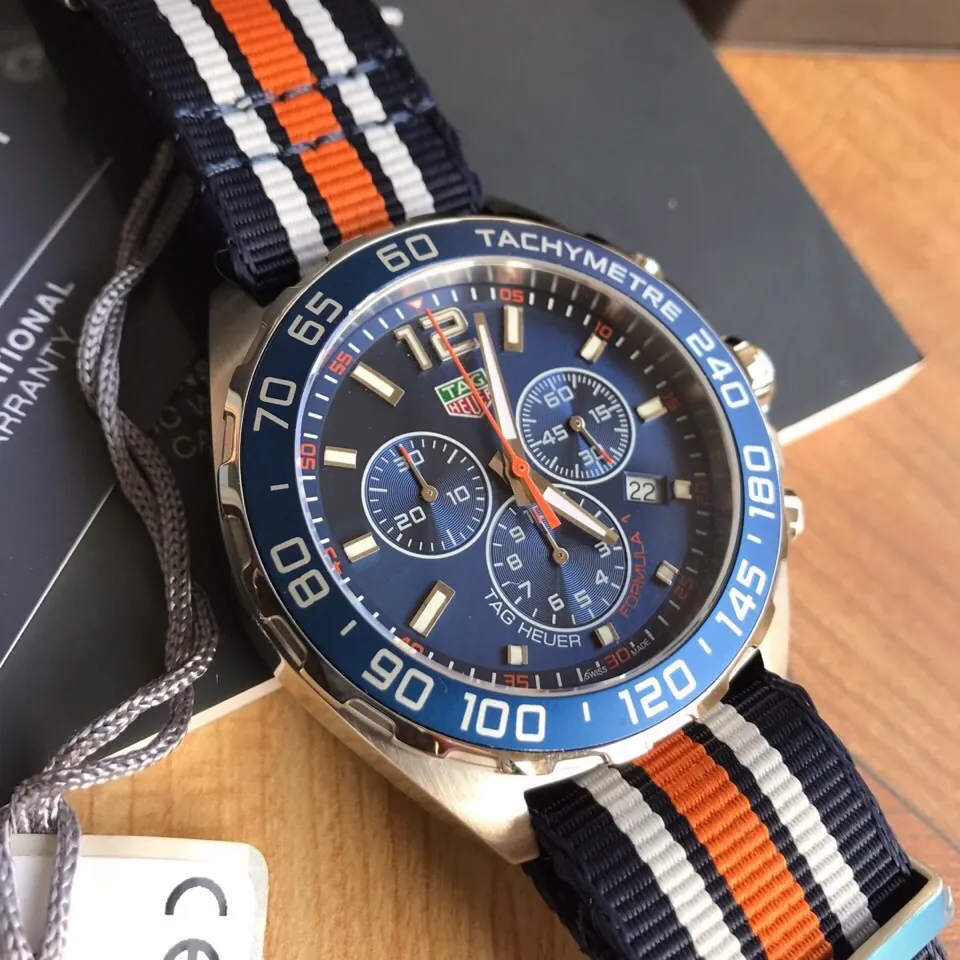
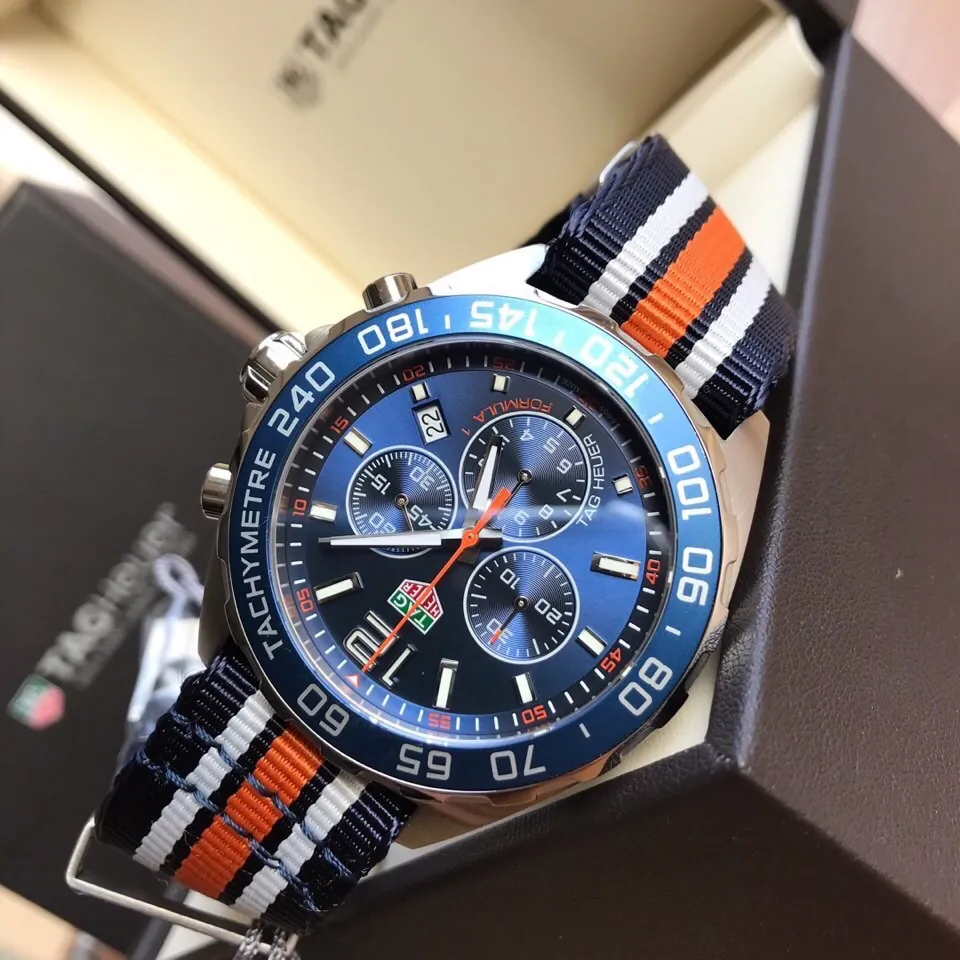
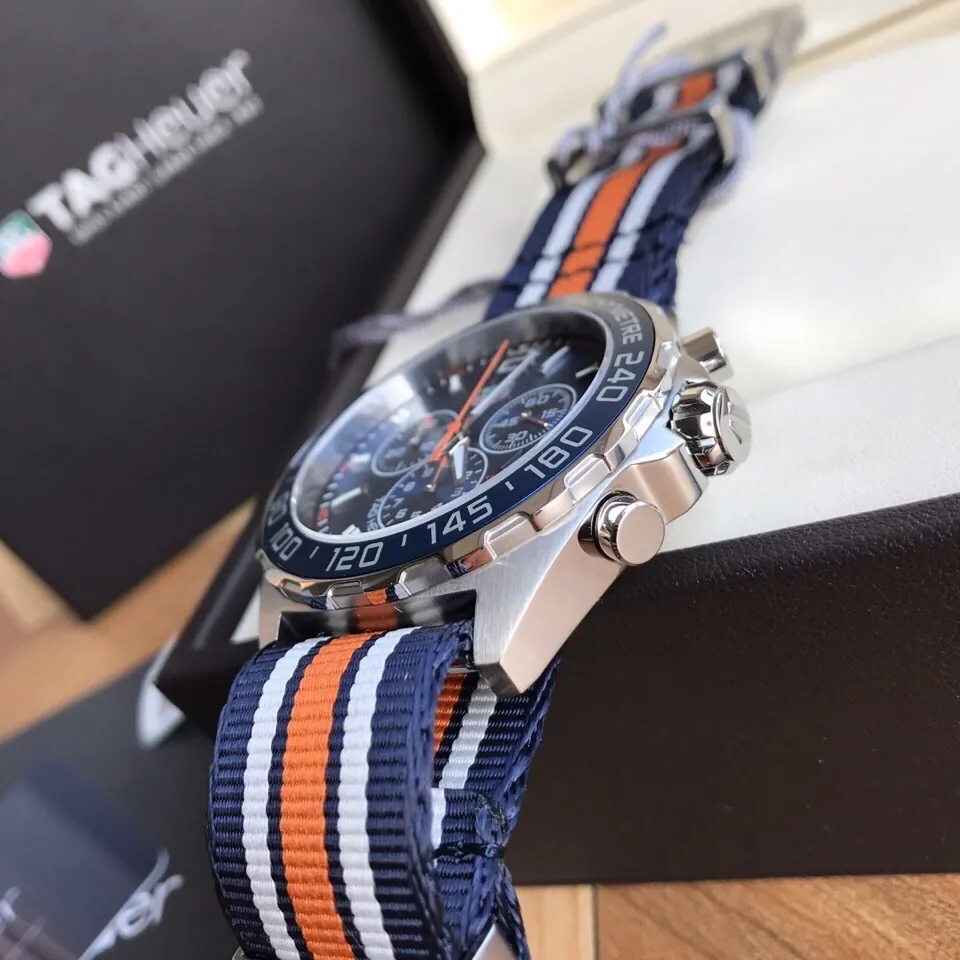
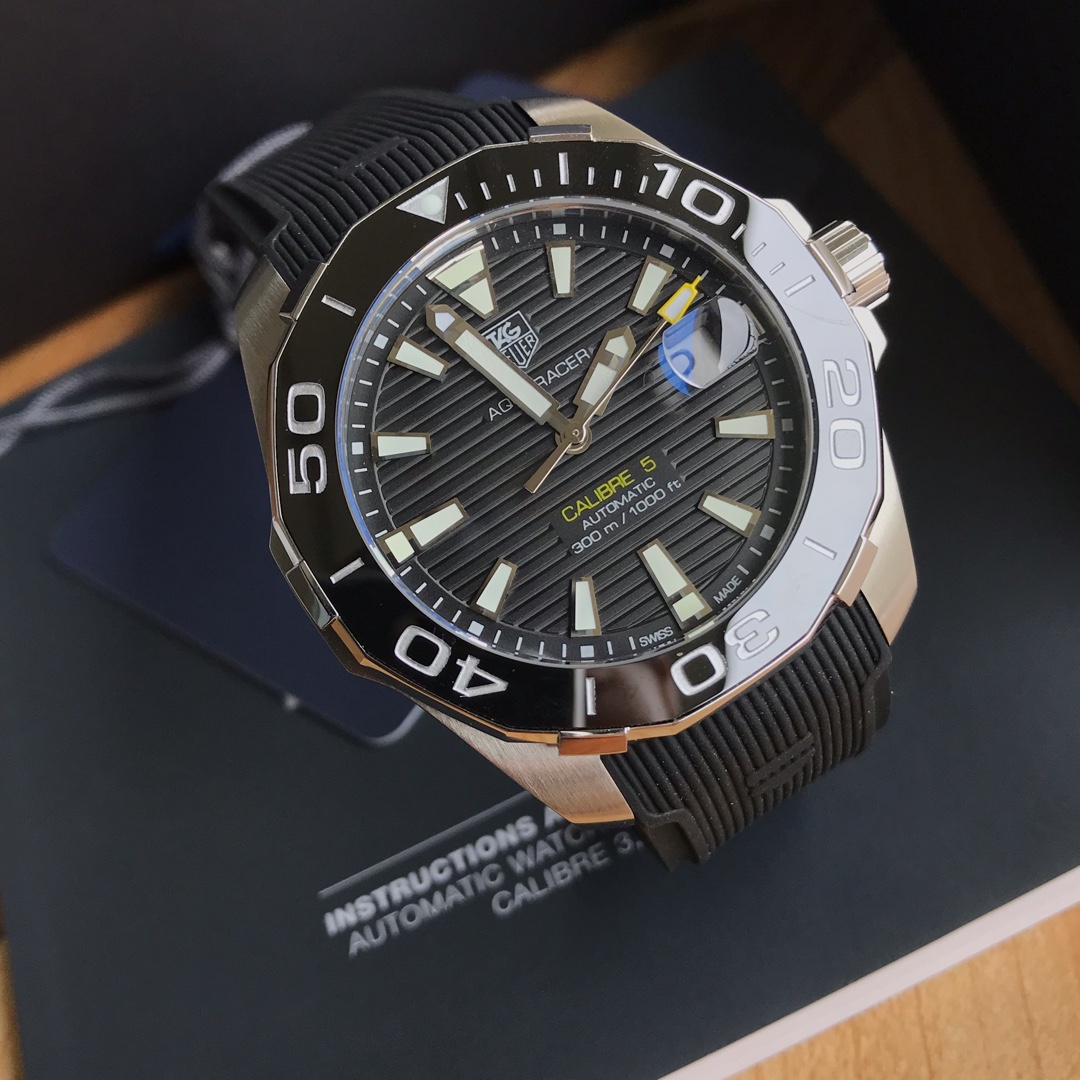
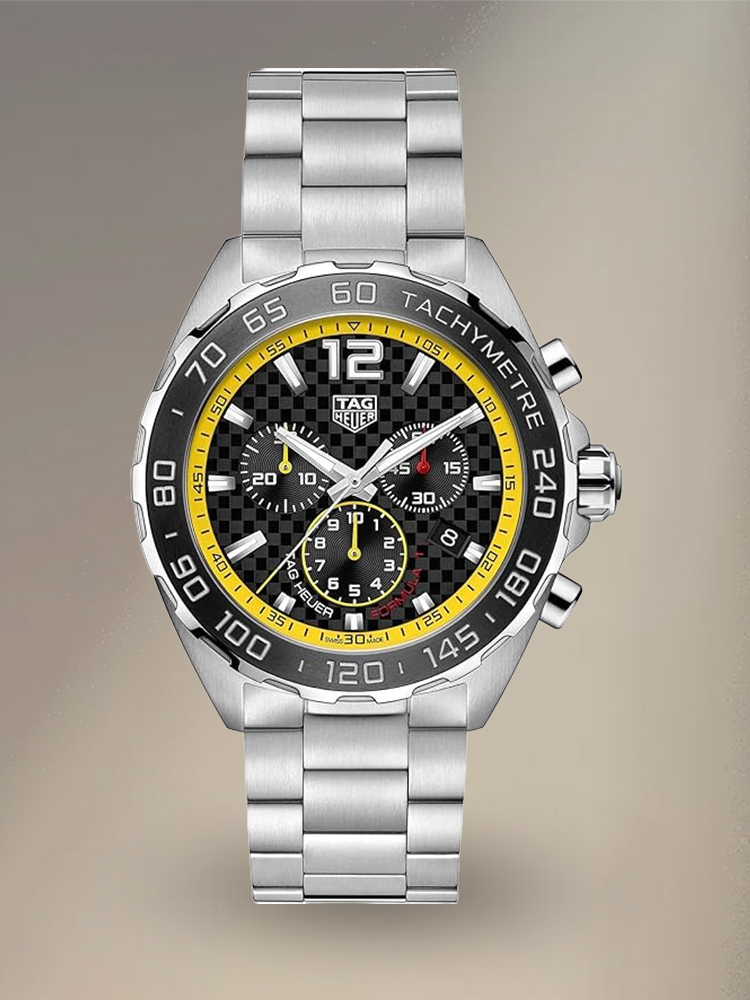
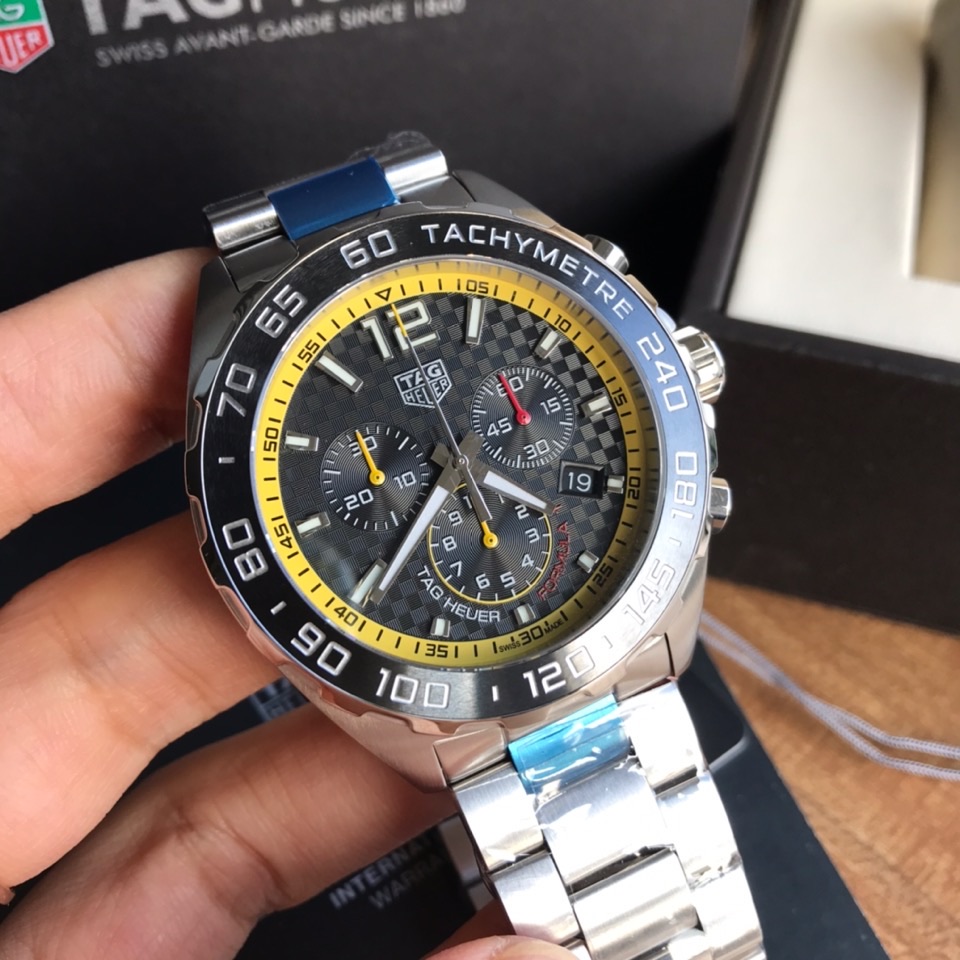
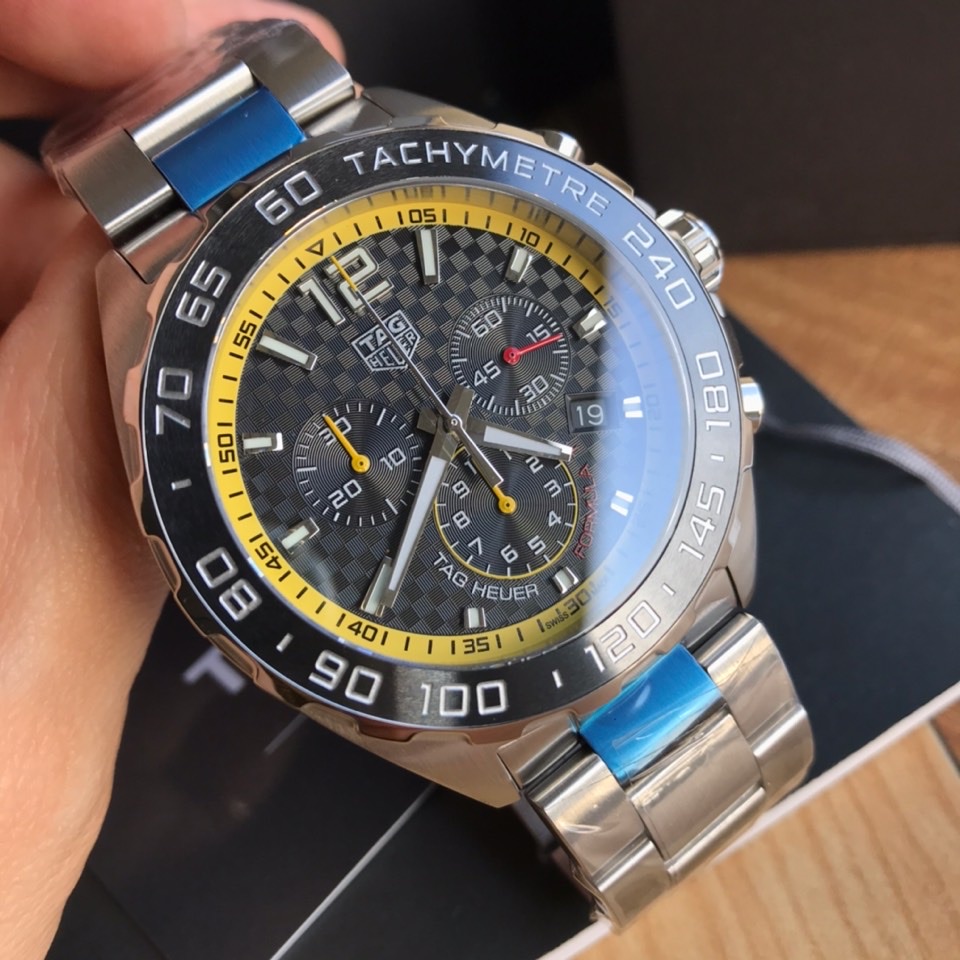
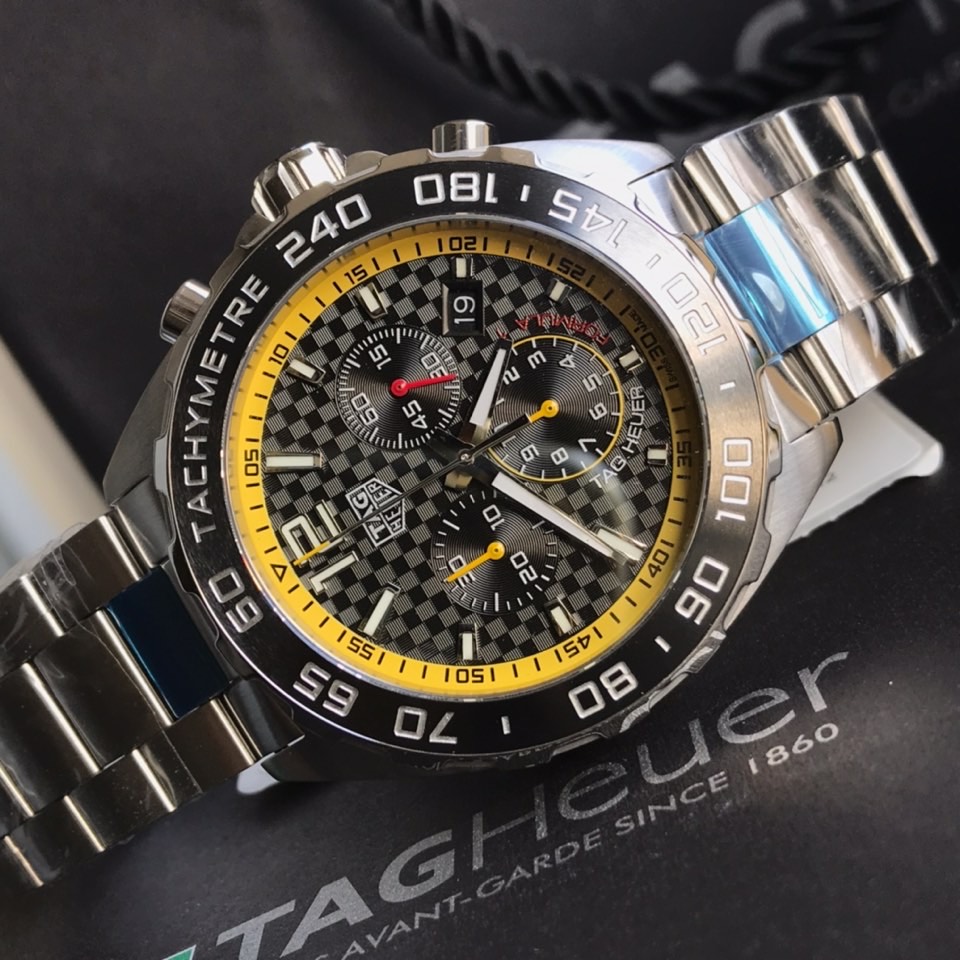
Large cases are a common trigger, particularly 43mm and above, as seen in sport-oriented lines such as TAG Heuer Aquaracer and Formula 1.
However, diameter alone is not the core issue. Top-heaviness becomes more pronounced when:
- Case thickness exceeds ~12mm
- Lug-to-lug distance is excessively long
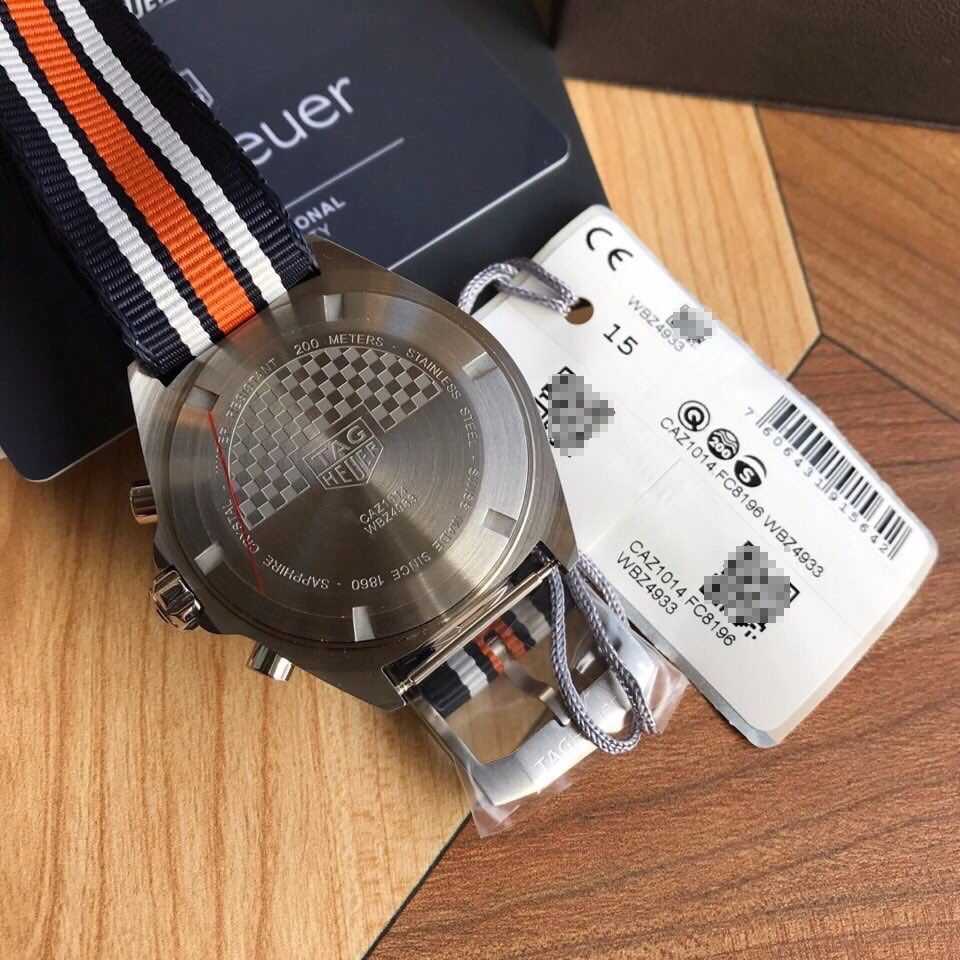
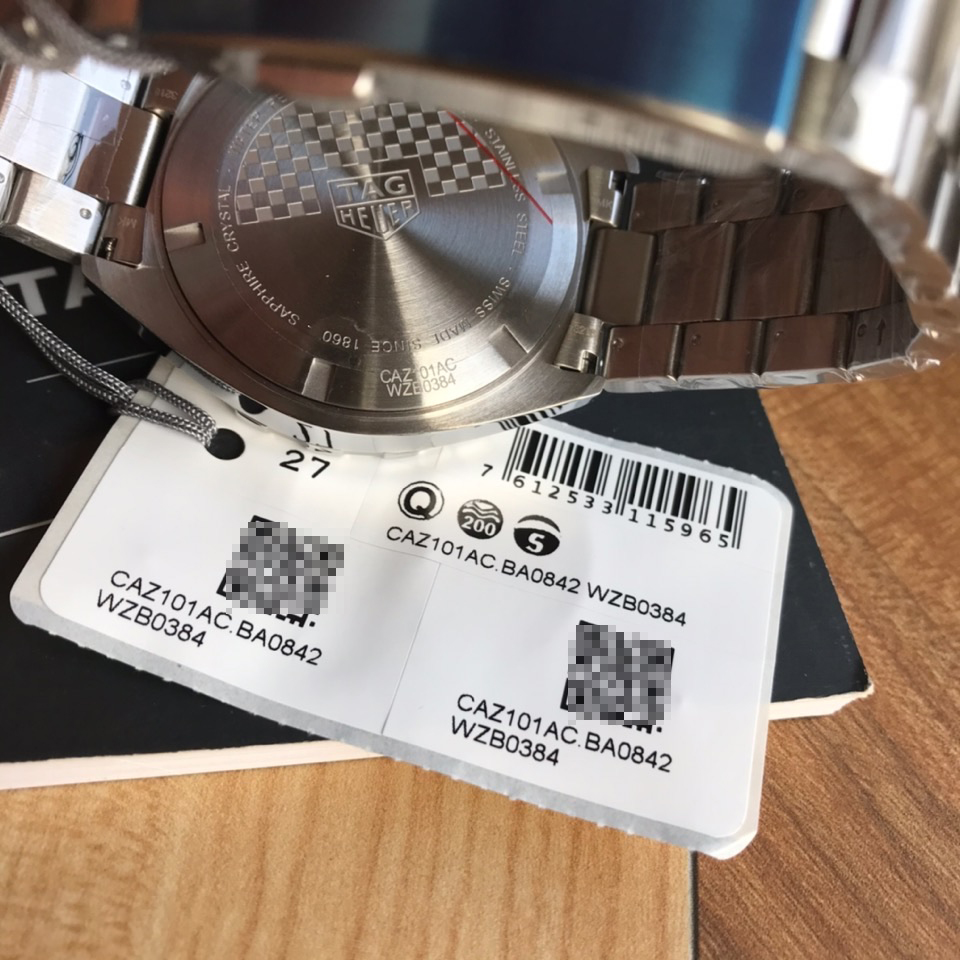
- Casebacks are flat with minimal wrist contouring
These factors raise the vertical center of gravity, increasing leverage during wrist movement.
In replica watches, minor inconsistencies in case geometry—such as uneven lug curvature or imperfect lug angles—can further amplify this effect, even when overall dimensions appear correct.
General size-matching guidance based on industry wearability norms:
- Wrist circumference 6–7 inches → prioritize 40–42mm case diameter
- Wrist circumference 7.5 inches and above → 43mm+ may be acceptable with proper strap support
2. Material Density and Weight Distribution
Why Weight Placement Matters More Than Weight Itself
316L stainless steel is widely used for its durability and realistic feel, but it carries relatively high density. When combined with:
- Thick ceramic bezels
- Tall sapphire crystals
- Reinforced chronograph structures
…the majority of mass accumulates at the top of the watch head.
If the lugs and strap connection area remain comparatively lightweight, the wearer perceives a head-dominant imbalance, even if total weight is moderate.
Some higher-end replica executions use titanium cases or ceramic components (for example, Aquaracer-style professional divers), which can meaningfully reduce head weight and improve balance without altering visual proportions.
3. Strap / Bracelet Design and Case Integration
The Critical Role of Weight Counterbalance
The strap or bracelet plays a decisive role in how gravity is distributed across the wrist.
Common balance behaviors:
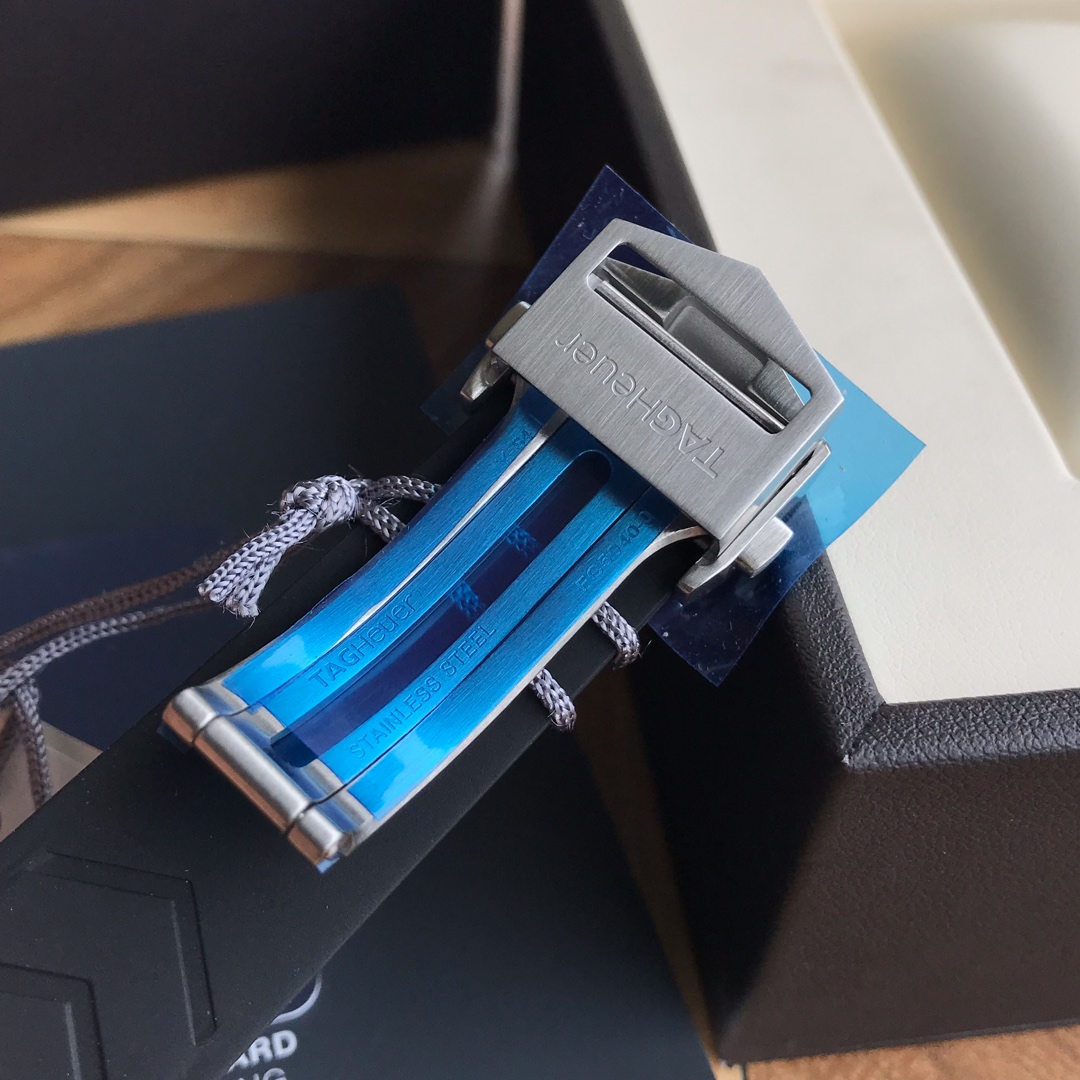
- Steel bracelets provide rear-side mass that counteracts the watch head
- Loose end-links allow the case to rock forward and backward
- Overly tight or unevenly adjusted bracelets prevent even load distribution
By contrast:
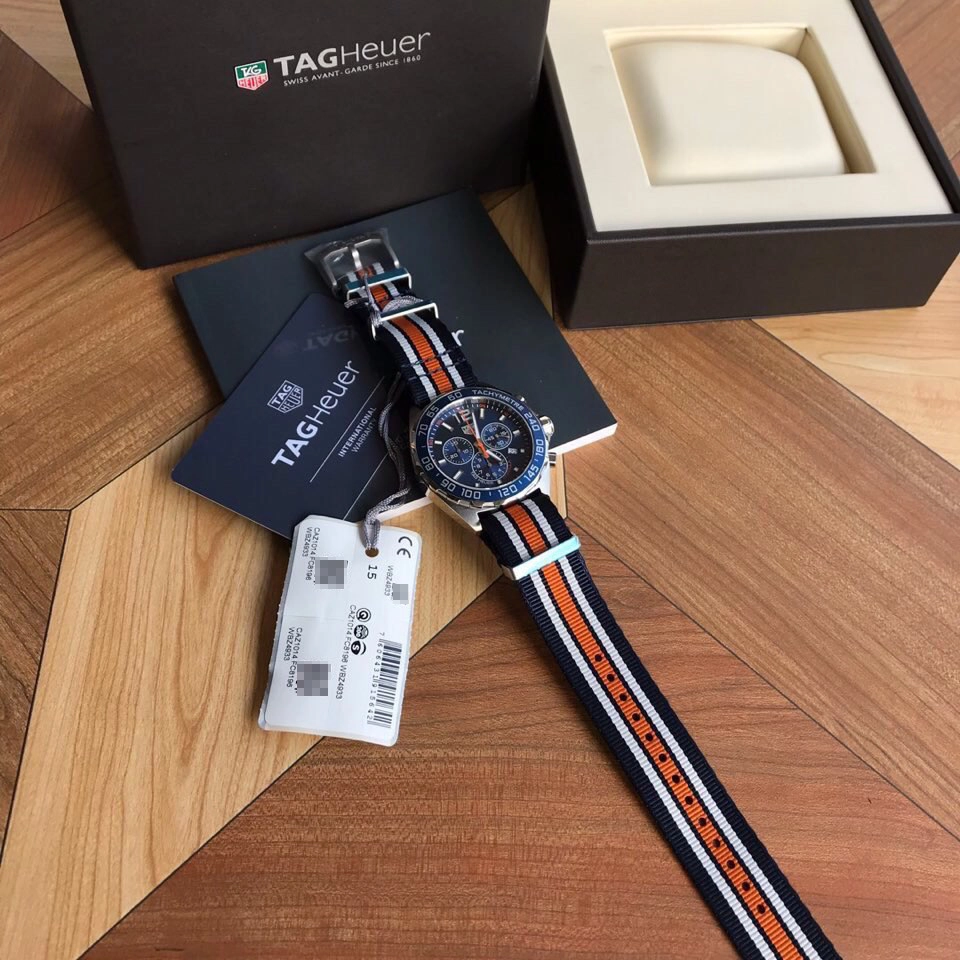
- Rubber, NATO, or leather straps introduce flexibility
- Strap compliance absorbs micro-movements
- Perceived top-heaviness can be reduced by approximately 20–30% based on industry wear experience
This explains why the same watch may feel unstable on a bracelet but noticeably more comfortable on a rubber strap.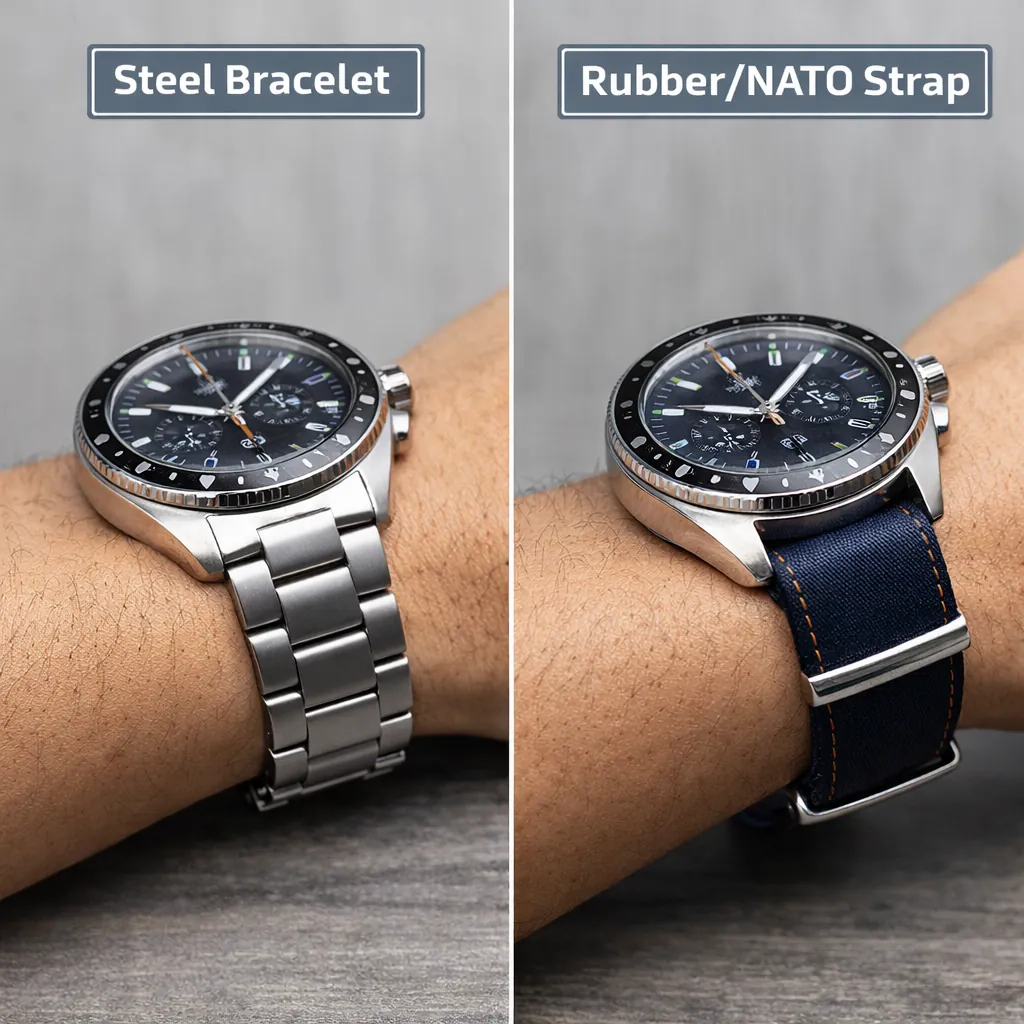
4. Movement and Internal Component Layout
Internal Mass Distribution as a Secondary Influence
Automatic movements introduce additional variables:
- Rotor (oscillating weight) mass
- Positioning relative to the case center
- Overall movement thickness
Real-World Impact of Top-Heaviness in Daily Wear
Persistent top-heaviness can lead to:
- Wrist fatigue during extended wear
- Frequent need to reposition the watch
- Reduced concentration during office work or driving
- Uneven pressure along the case edge, occasionally leaving light skin marks
User feedback across the replica watch market suggests that approximately 15–25% of comfort-related returns or exchanges are linked to balance and wearability rather than appearance or function.
Because batch-to-batch weight consistency can vary in replica production, selecting watches from thoroughly QC-verified stable batches becomes particularly important.
Practical Ways to Reduce Top-Heavy Feel
The following approaches focus on selection logic and usage optimization, not modification or mechanical intervention.
1. Precise Model and Size Selection
- Favor proportionally balanced models, such as 41mm Carrera Calibre 5–style designs
- Keep case diameter within roughly 1.2× wrist width
- Avoid choosing oversized cases purely for visual impact
2. Strap Material and Fit Optimization
- Prefer rubber, NATO, or leather straps for large sports watches
- When using steel bracelets:
- Remove links symmetrically on both sides
- Adjust to a fit that is secure but not restrictive
- Allow the case to settle naturally into wrist curvature
3. Minor Stability Improvements and Maintenance
- Improving end-link fit can reduce micro-movement
- Keep lug and strap junctions clean to avoid uneven articulation
- Choose watches from stable, well-documented batches, where balance has already been refined
4. Series-Specific Wearability Observations (TAG Heuer Replica Context)
Practical, on-wrist balance observations categorized by stability vs. adjustment sensitivity.
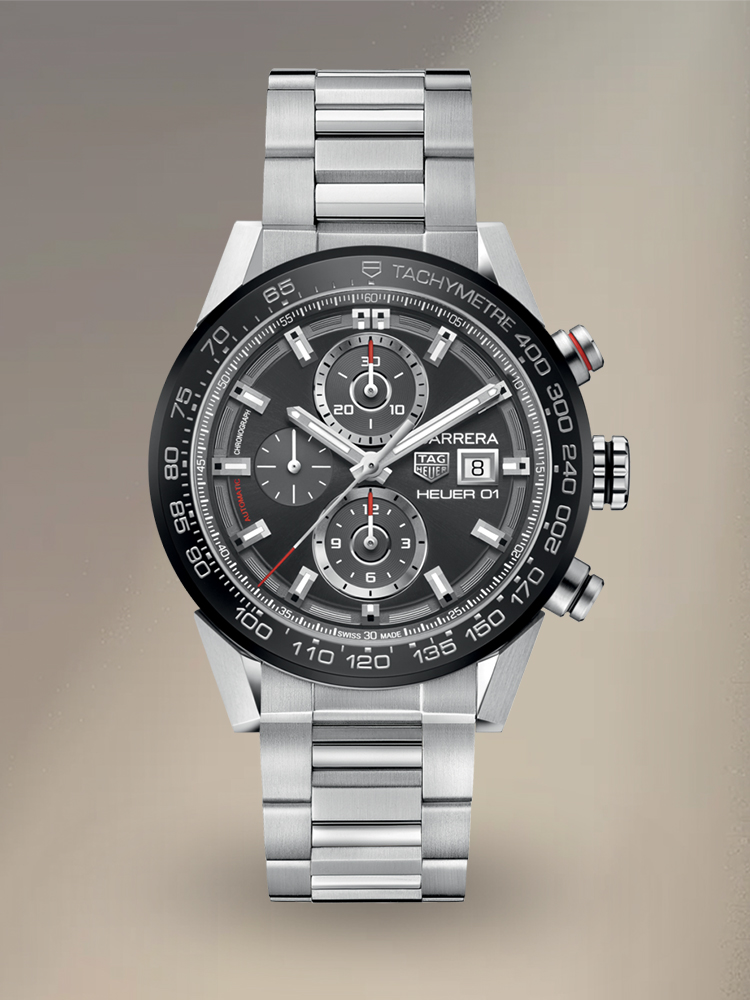
Carrera Chronograph
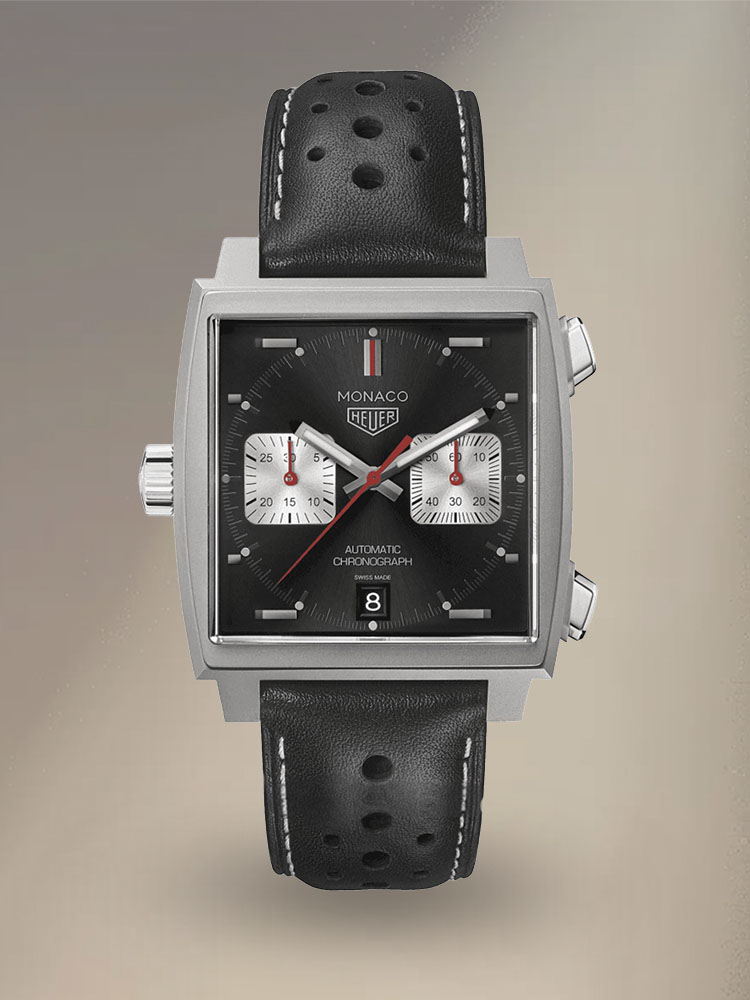
Monaco Chronograph
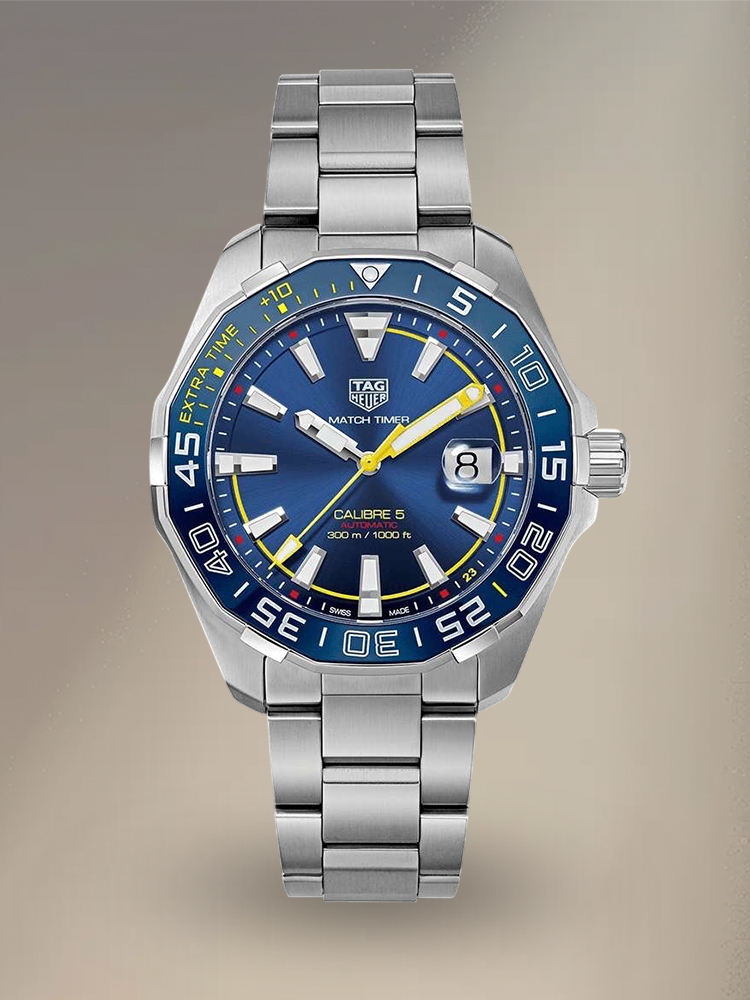 Aquaracer Professional 300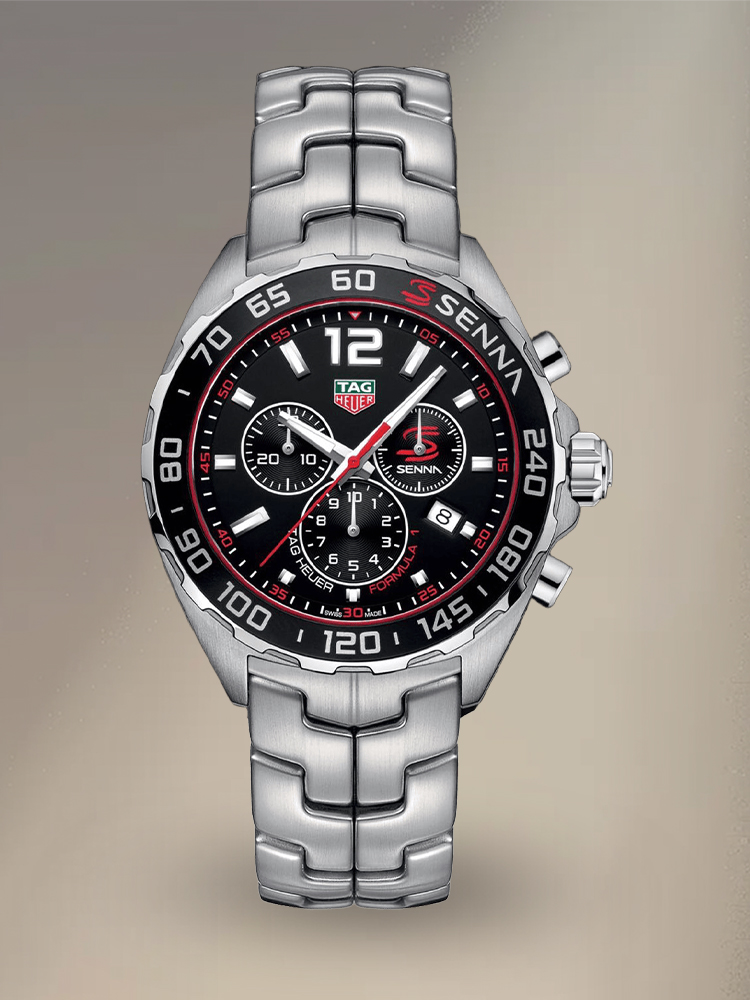
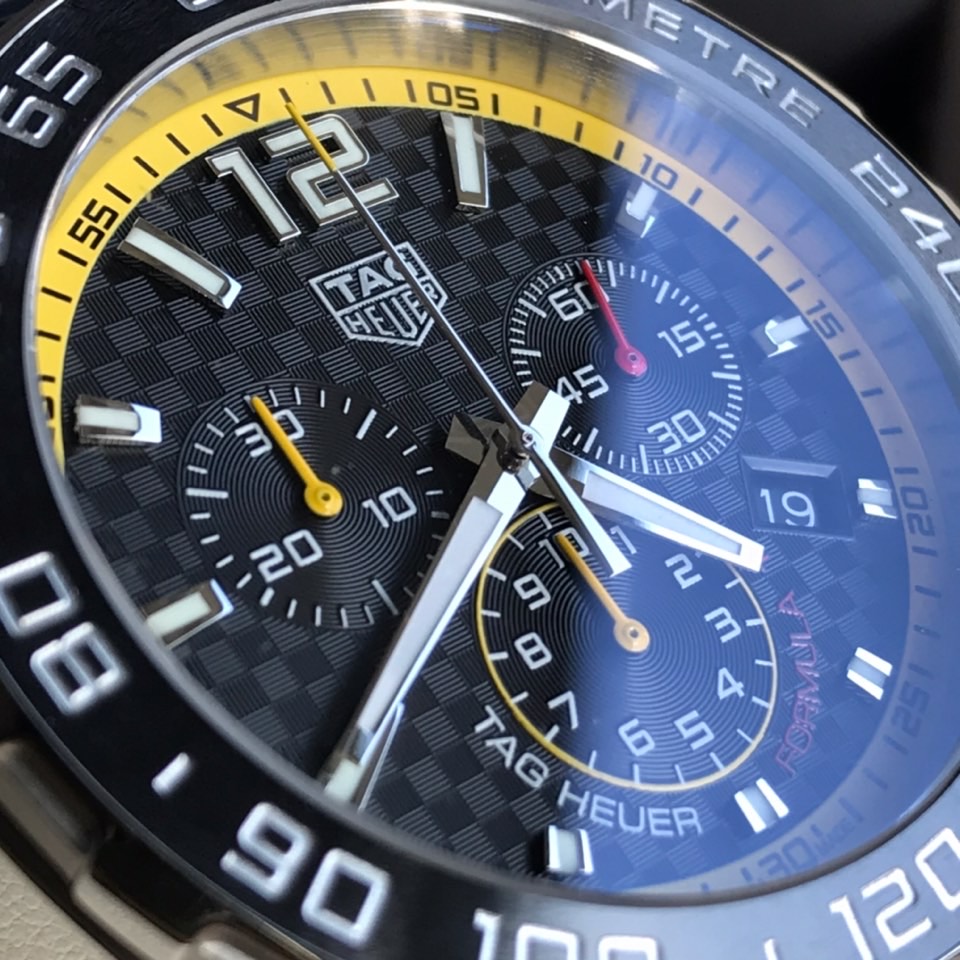
Formula 1 Chronograph
Interpreting Top-Heaviness Correctly
Top-heaviness is best understood as a neutral ergonomic characteristic, shaped by size, materials, strap configuration, and wrist anatomy.
When evaluated correctly, it becomes:
- A manageable wearability variable
- A guide for smarter model and strap selection
- An expected outcome of faithful sports-watch design
Conclusion: Top-Heaviness as a Predictable Design Trade-Off
Top-heaviness is best understood as a neutral ergonomic characteristic, shaped by size, materials, strap configuration, and wrist anatomy.
When evaluated correctly, it becomes:
- A manageable wearability variable
- A guide for smarter model and strap selection
- An expected outcome of faithful sports-watch design
For technically accurate replica watches, honest balance behavior is not a weakness—it is evidence of realistic execution.