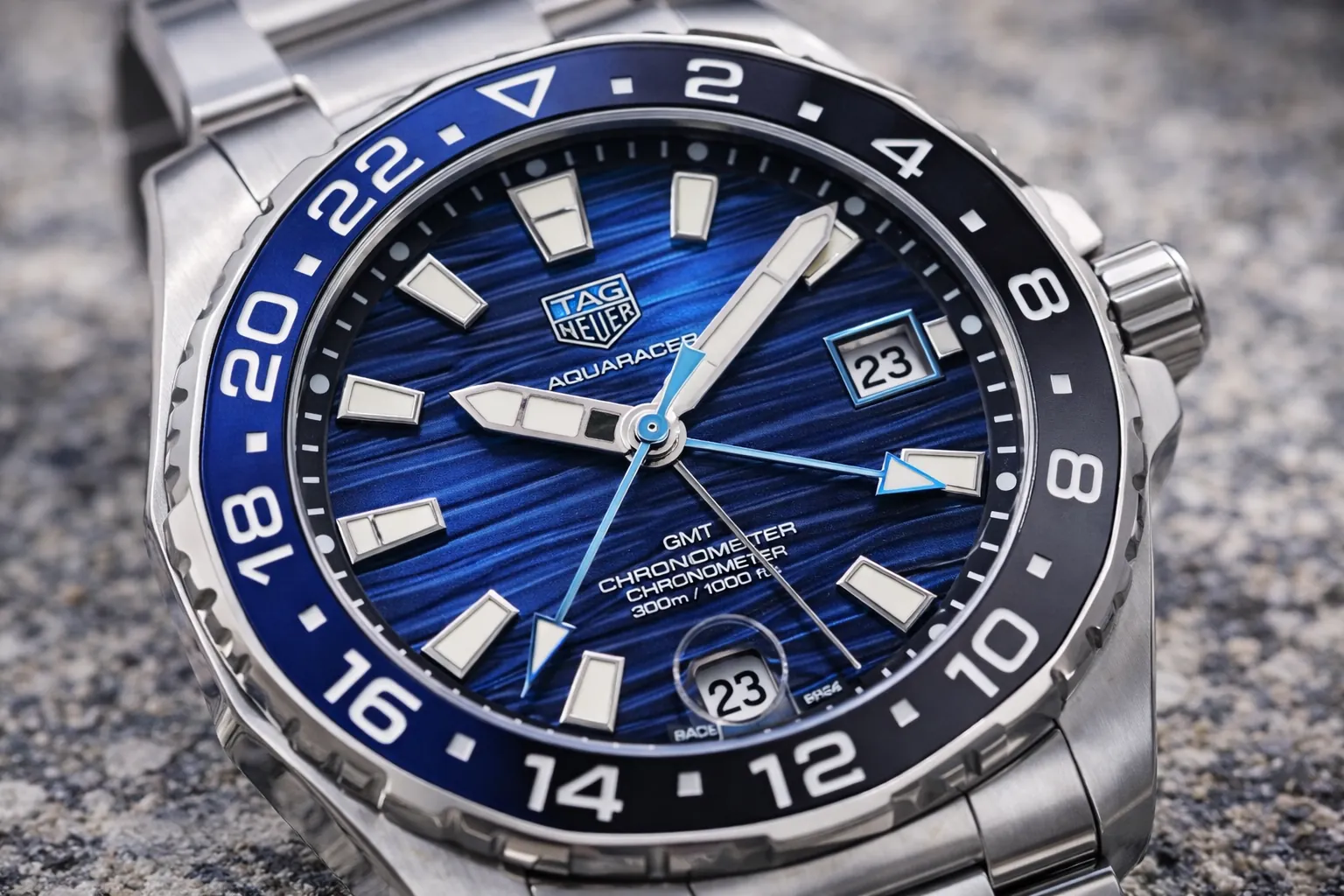
GMT watches are often described as “traveler watches,” but that description is incomplete. The real question is not what a GMT watch does mechanically—it’s whether the function genuinely improves your daily routine.
Understanding gmt watch real life use requires separating design appeal from practical utility. This article examines what makes GMT watches unique, where they provide measurable benefit, and when they become unnecessary complexity.
What Makes a GMT Watch Unique?
A GMT watch includes an additional hand—typically a 24-hour hand—that tracks a second time zone simultaneously with local time. Unlike a standard three-hand watch, it allows you to monitor two time references without resetting the main hour and minute hands.
The concept traces back to aviation. During the mid-20th century, pilots required fast and reliable time conversion between local time and Greenwich Mean Time (GMT), now standardized as UTC. Quick reference without calculation was critical for flight logs and coordination across continents.
Mechanical Structure
Most modern GMT watches fall into two mechanical categories:
1. “True GMT” (Traveler GMT)
- Local hour hand adjusts independently.
- GMT hand remains fixed to home time.
- Ideal for crossing time zones frequently.
This design allows you to change local time upon landing without stopping the movement.
2. “Office GMT” (Caller GMT)
- GMT hand adjusts independently.
- Local time remains fixed.
This version is more suited for tracking a remote office or family abroad while staying in one primary time zone.
Understanding this difference is essential when evaluating real-world practicality. Many buyers misunderstand GMT functionality and only discover limitations after wearing it daily.
The Bezel’s Role in GMT Functionality
Many GMT watches include a rotating 24-hour bezel. This allows:
- Quick third time zone calculations
- Offset adjustments without resetting the watch
- Rapid daylight saving compensation
However, usability depends on design execution. Bi-directional bezels provide flexibility, but overly busy numerals or poor contrast reduce legibility.
Common Scenarios for GMT Watch Real Life Use
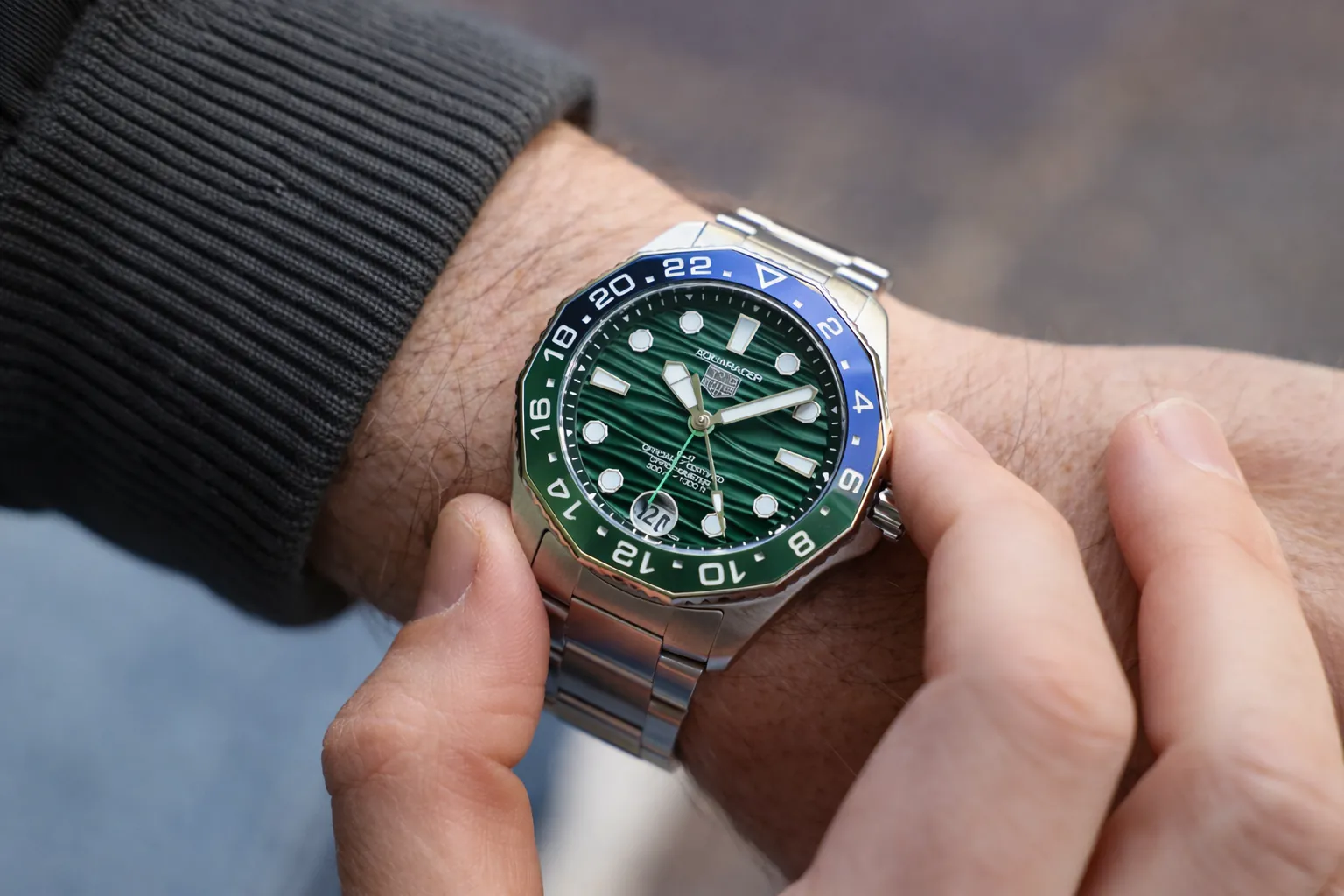
Theoretical explanations don’t define usefulness—daily habits do. Below are realistic use cases where GMT becomes part of routine behavior.
1. Frequent International Travel
Travelers crossing time zones multiple times per year benefit the most.
Instead of:
- Mentally converting hours
- Constantly checking a phone
- Accidentally calling someone at 3 AM
You simply glance at the GMT hand.
Travel surveys show that roughly 20–30% of business travelers coordinate across multiple zones weekly. For them, repeated time conversion introduces friction and error.
In these cases, gmt watch real life use is measurable—it reduces mental load.
2. Remote Workers and International Teams
Modern work culture has expanded GMT’s relevance beyond aviation.
If you regularly coordinate with:
- US East Coast
- London
- Dubai
- Singapore
…a GMT watch allows you to maintain headquarters time while living elsewhere.
The practical benefit isn’t convenience alone—it’s accuracy in scheduling.
For many remote professionals, GMT eliminates repeated time calculation, particularly when meetings shift across seasons due to daylight saving differences.
3. Aviation and Maritime Professionals
Pilots, flight crew, and some maritime operators rely on UTC standards for logging.
Precision matters in aviation. Even minor misreads can create scheduling discrepancies.
In these environments, gmt watch real life use is operational rather than stylistic.
4. Global Market Monitoring
Traders and investors tracking:
- New York open
- London close
- Asian sessions
…may prefer a constant secondary time reference visible without digital distraction.
While apps can handle this easily, mechanical GMT offers passive visibility—no screen interaction required.
5. Cross-Continental Families
Many users purchase GMT for personal reasons.
If your parents, siblings, or partner live in another continent, GMT provides quick emotional practicality:
- Is it too late to call?
- Is it early morning there?
- Are they likely at work?
This type of gmt watch real life use is subtle but meaningful.
A Practical Reference: Aquaracer Layout in Daily Wear
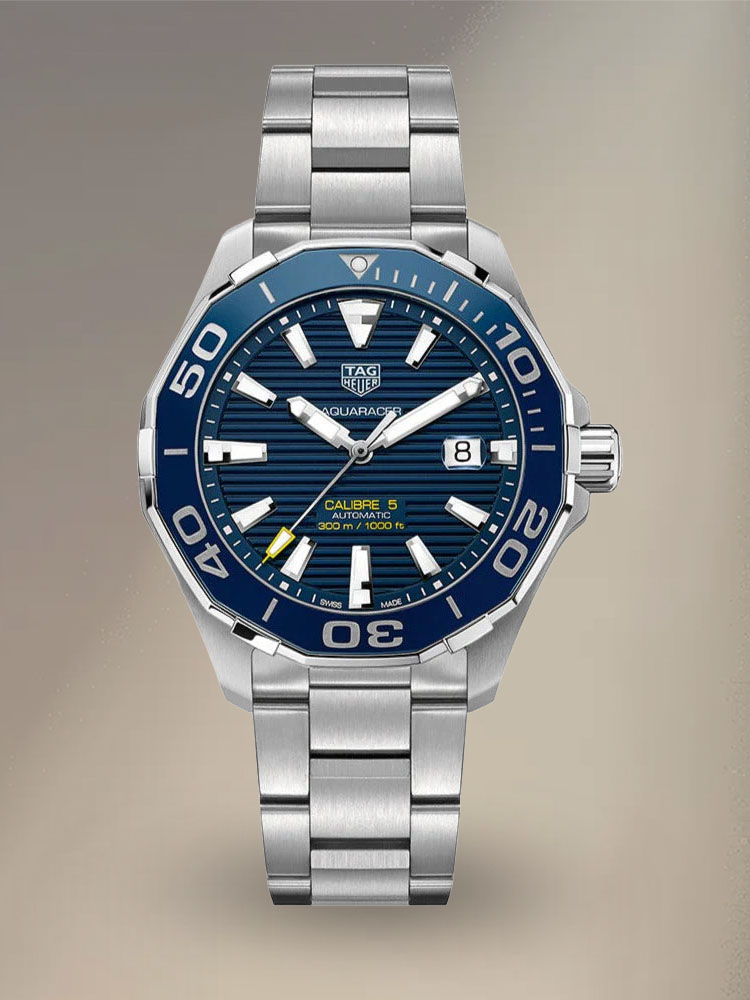
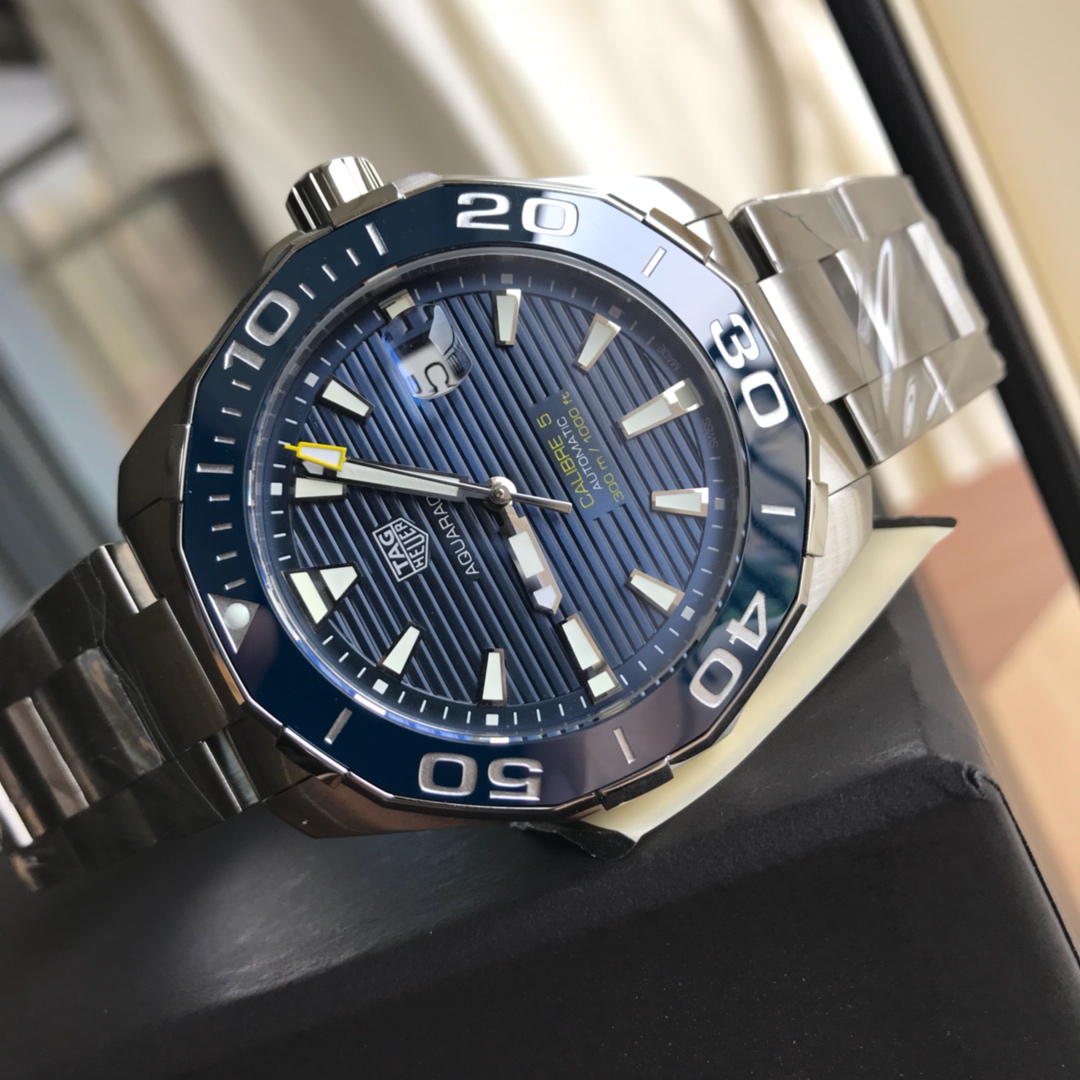
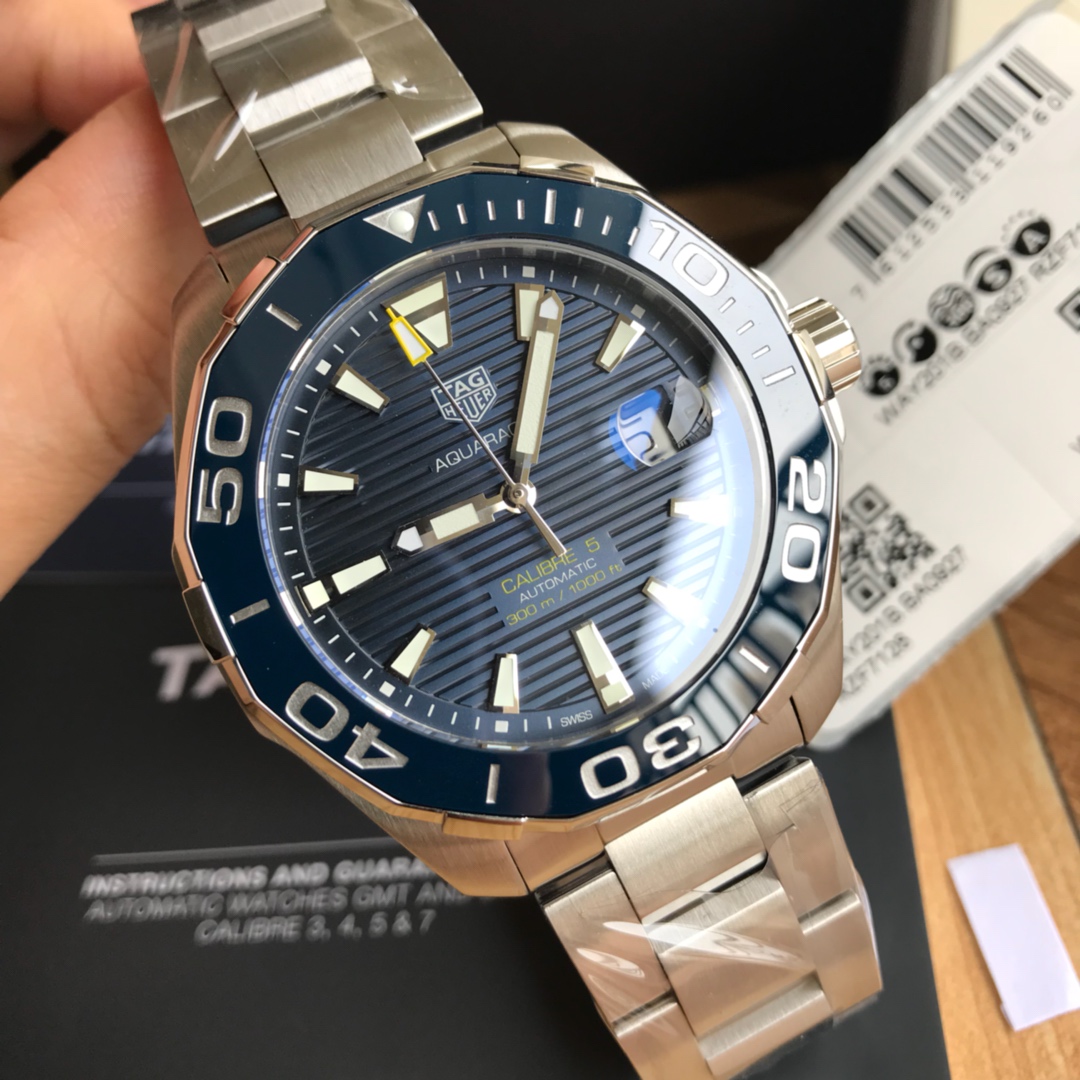
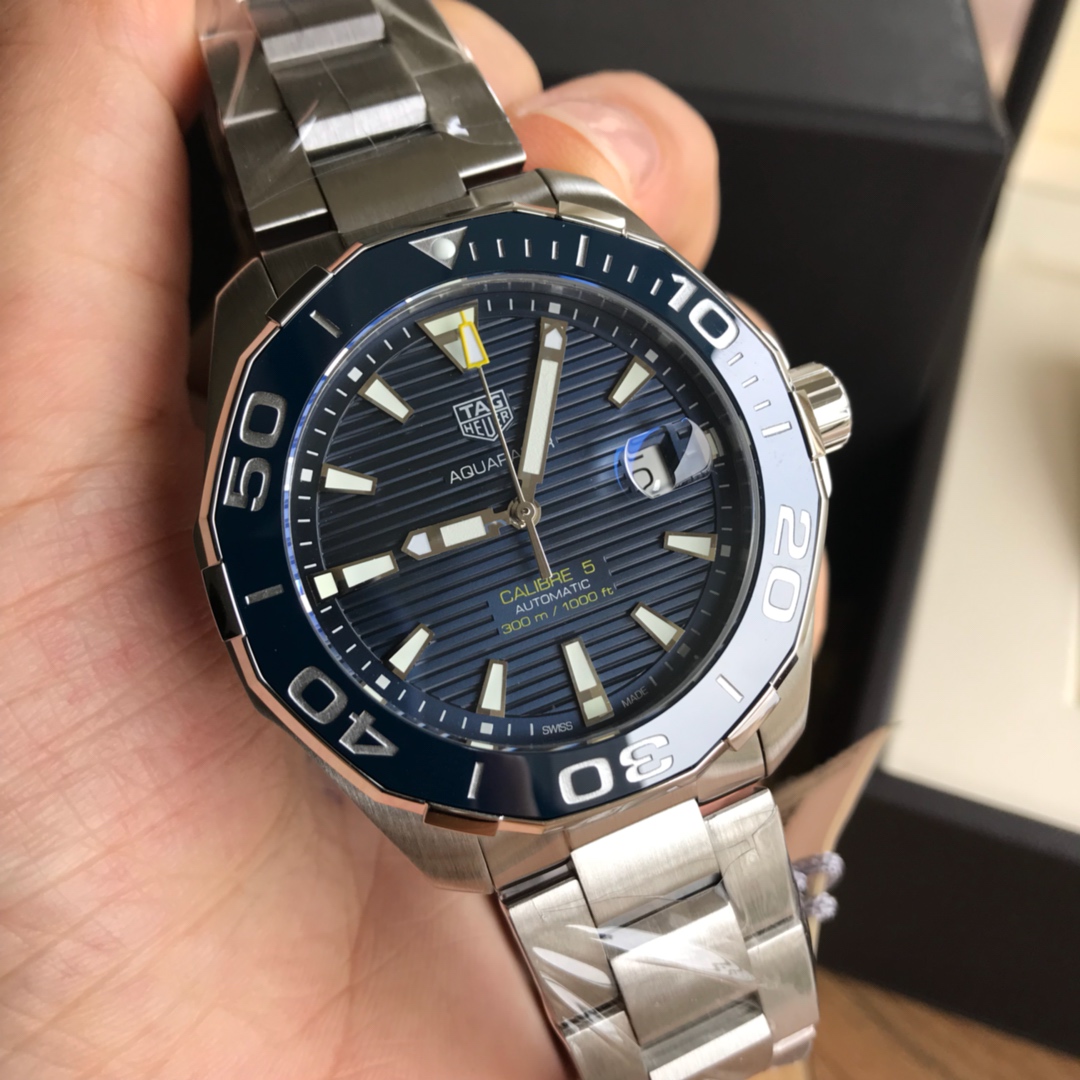
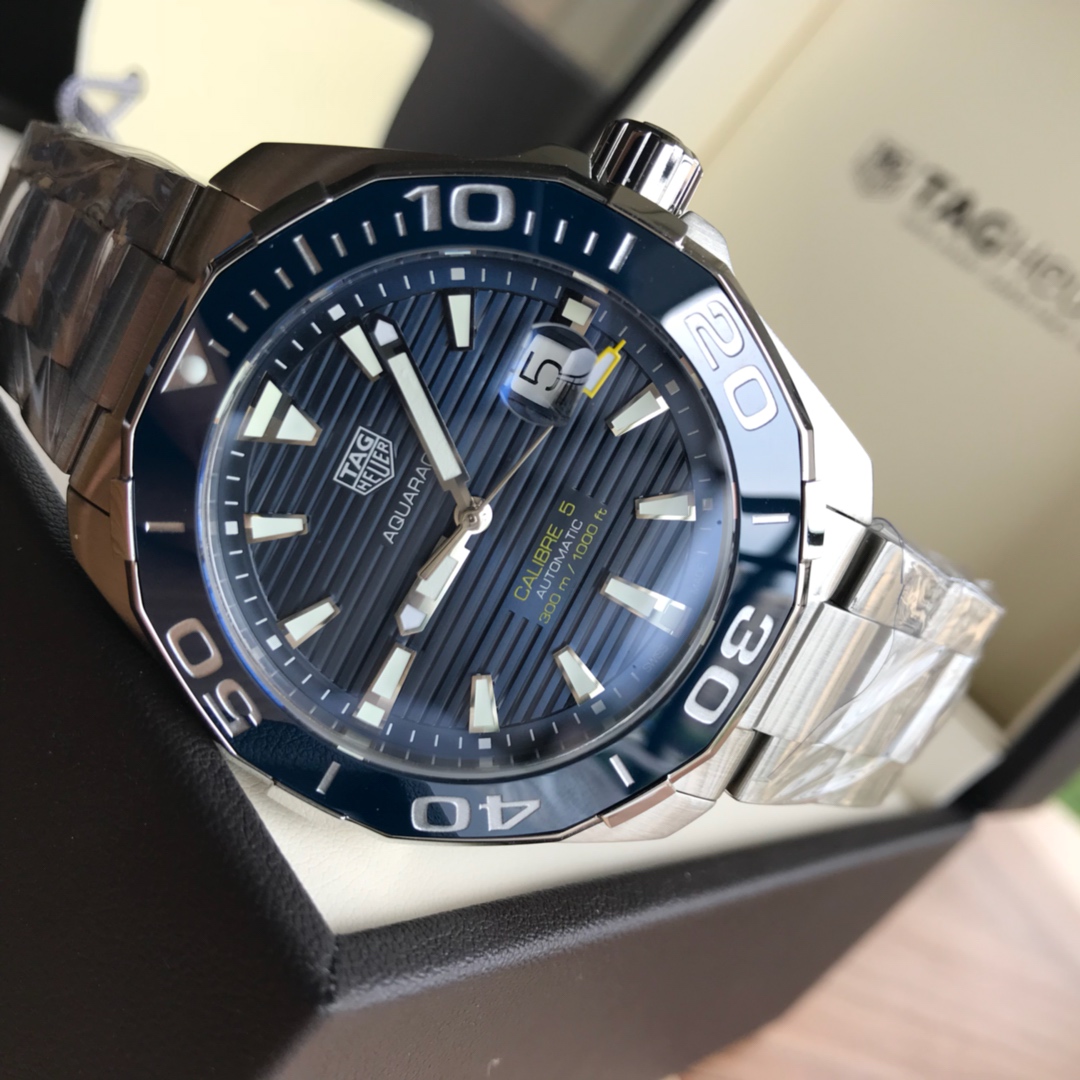
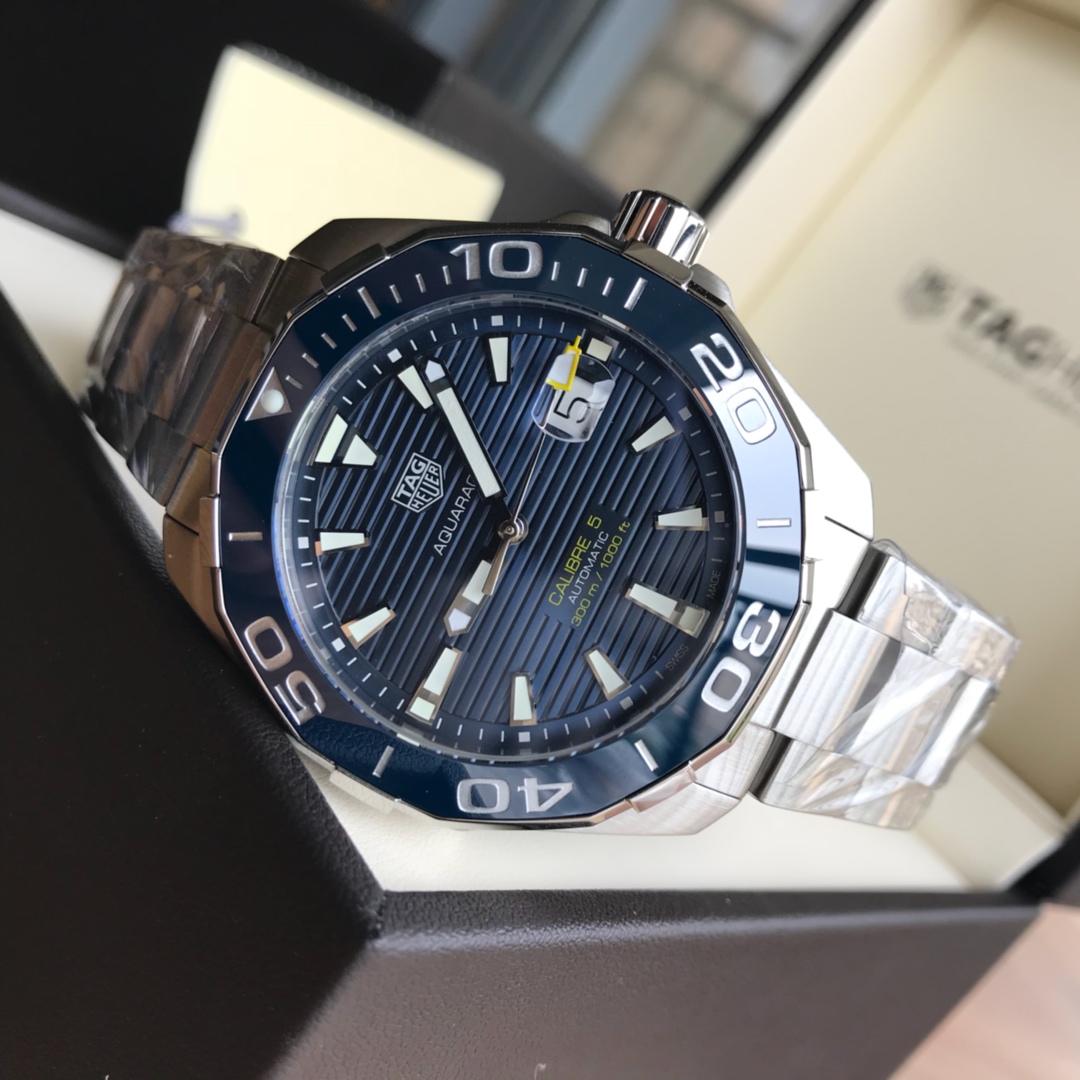
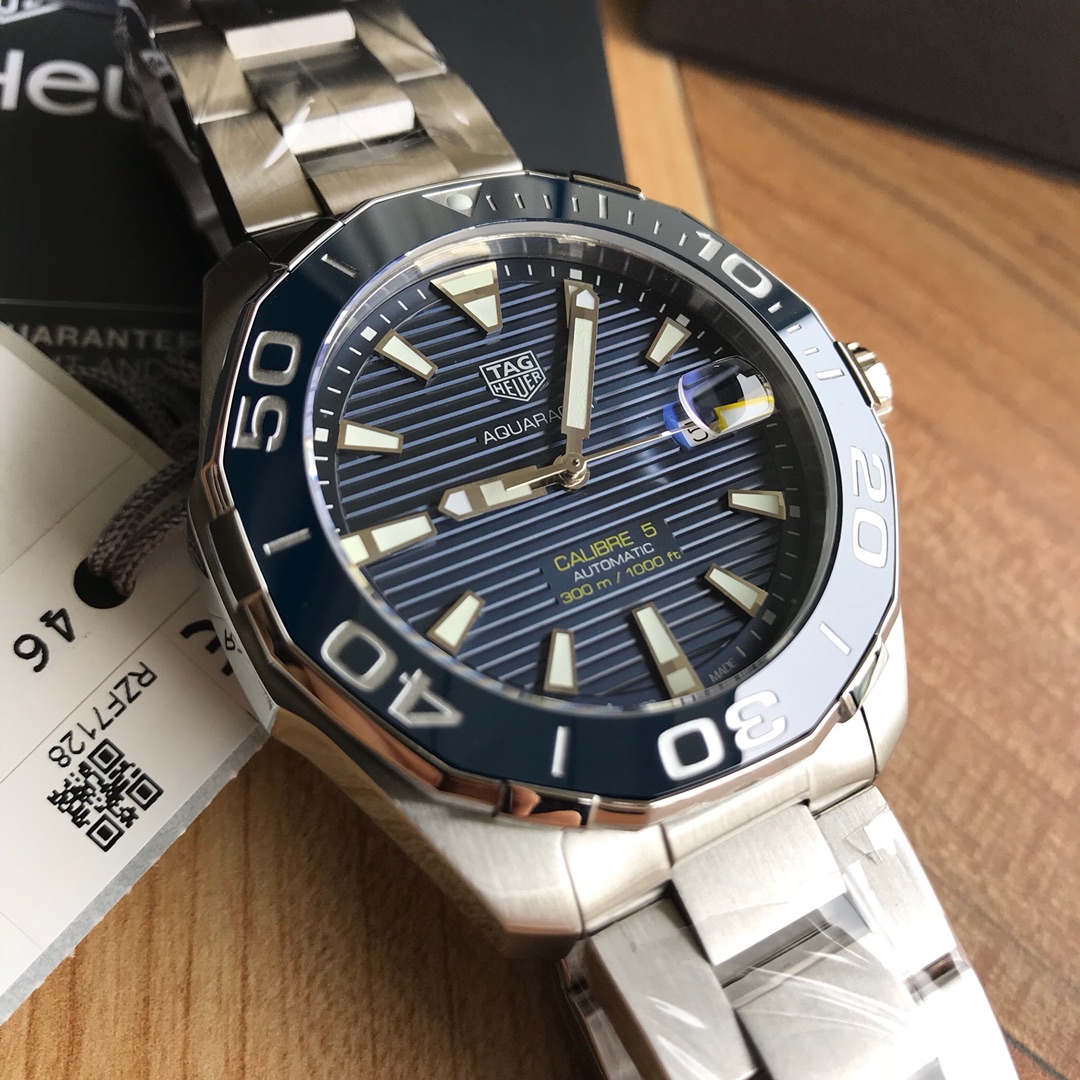
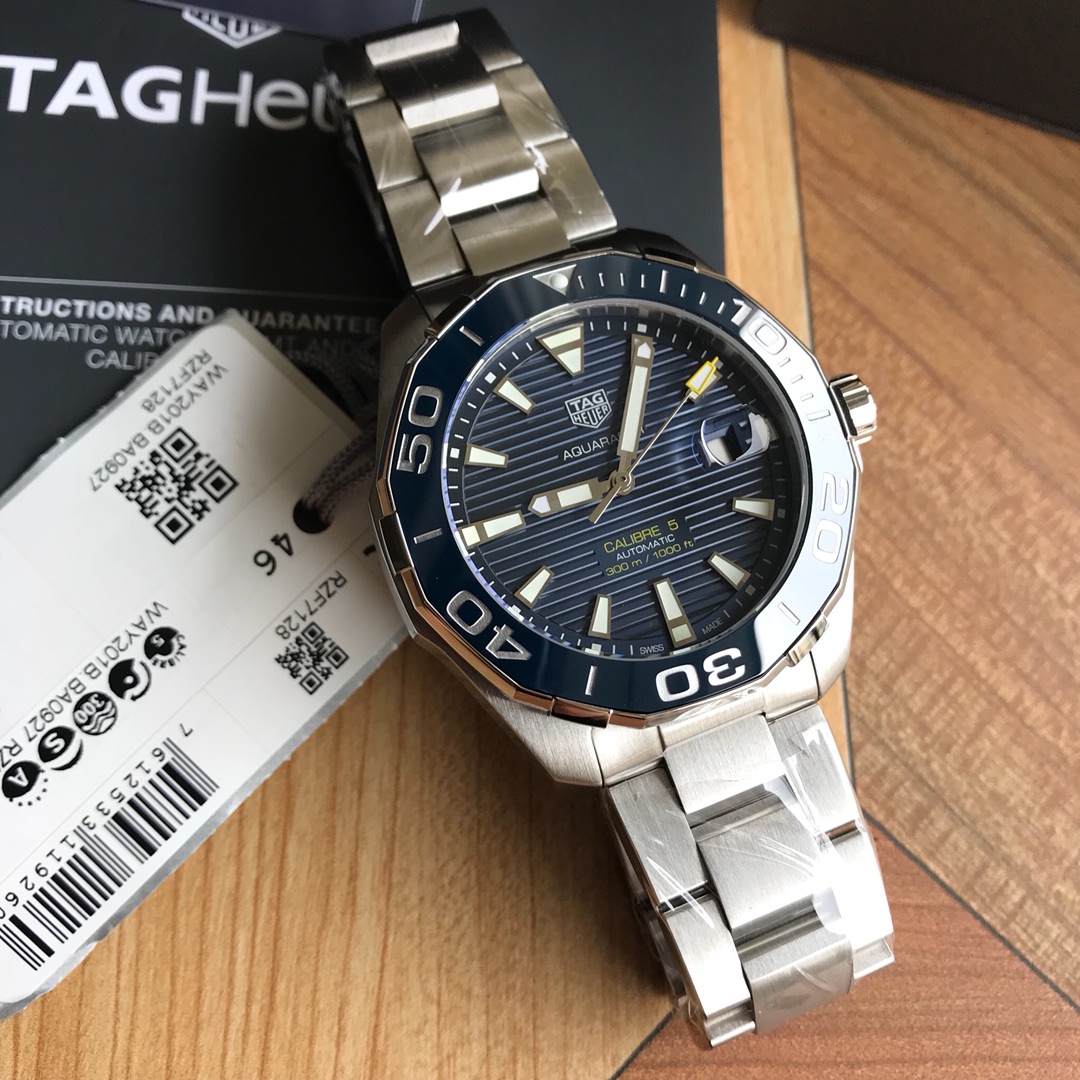
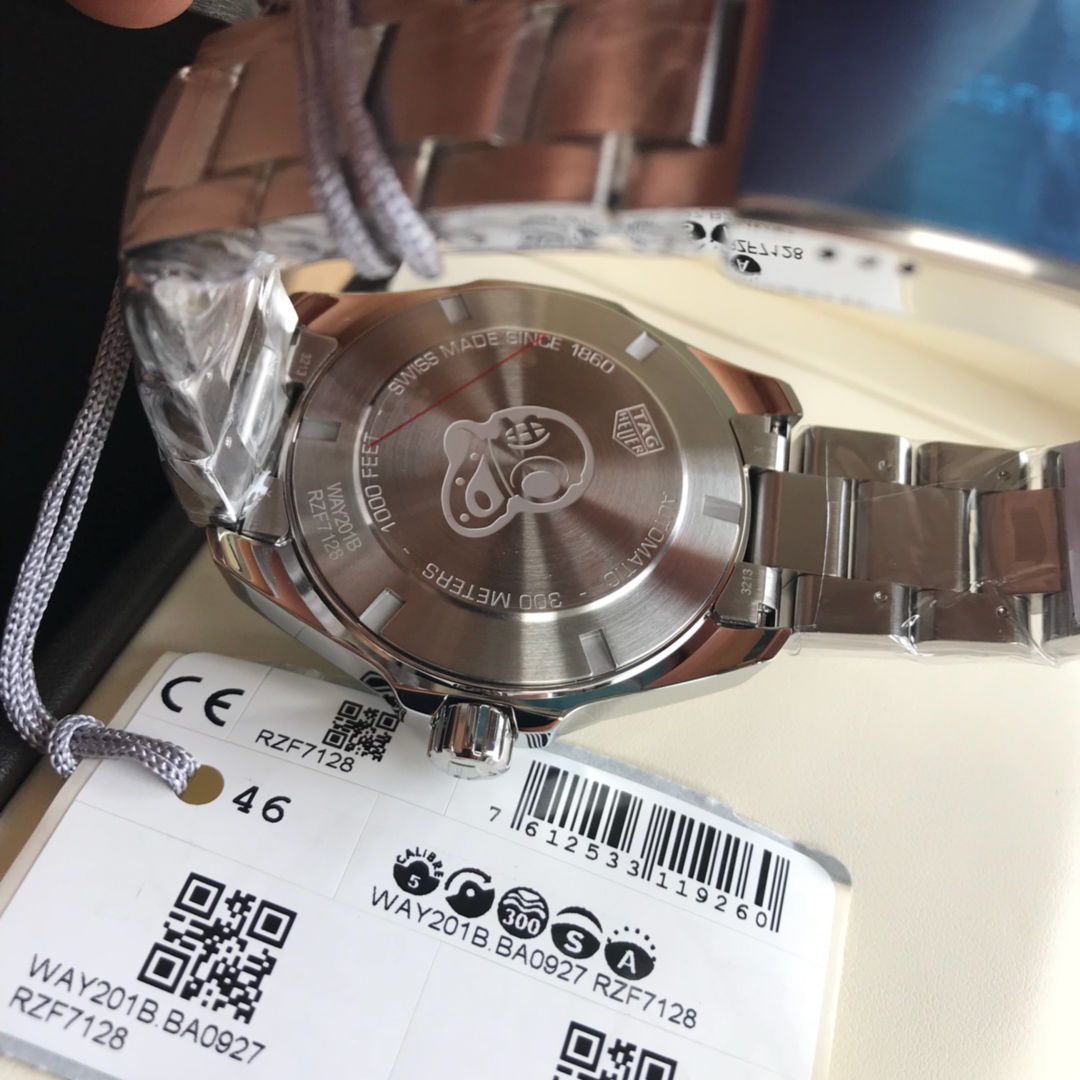
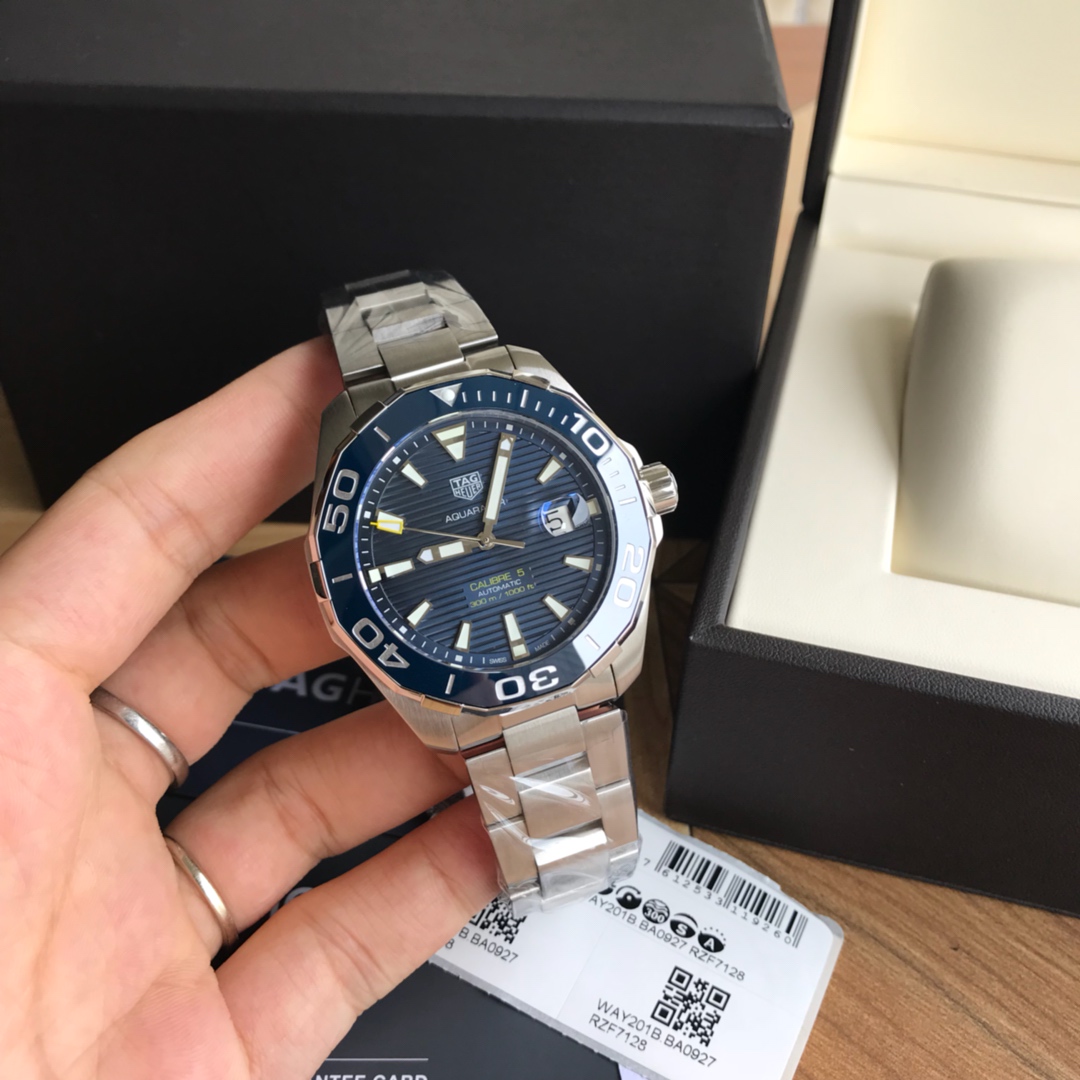
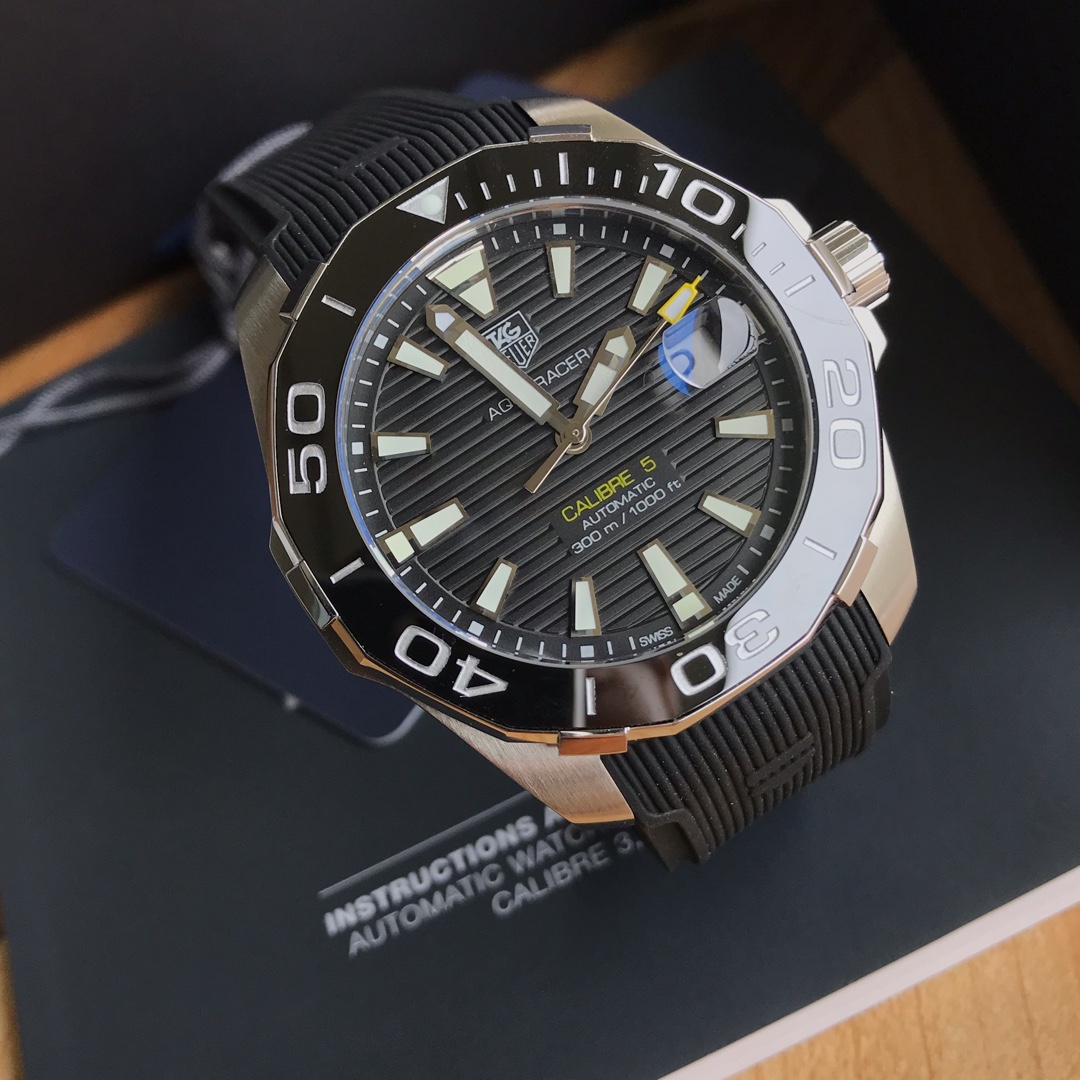
When discussing gmt watch real life use, the Aquaracer layout is often used as a practical reference point. Its sporty case structure, clear hour markers, and bezel readability make it suitable for real-world timing scenarios. Even for users who do not travel constantly, the tool-watch design philosophy keeps functionality intuitive rather than decorative.
For example, the Tag Heuer Aquaracer replica demonstrates how dial clarity and bezel contrast improve quick time reference in daily settings. Whether coordinating across time zones or simply appreciating a structured sports watch aesthetic, the Aquaracer case profile balances practicality and visual presence.
Less Obvious GMT Use Cases
Beyond travel and business, there are niche but real scenarios.
Divers and Sailors
Some divers and sailors use GMT for tide tracking or longitude-based calculations. Though specialized, maritime contexts historically relied on time-based navigation.
Regions With Daylight Saving Complexity
Users living in areas with shifting daylight saving rules sometimes use GMT to anchor a stable reference zone year-round.
When GMT Is Probably Unnecessary
Despite its strengths, GMT is not universally practical.
You Operate in One Time Zone
If your life is geographically stable and your communication circle is local, GMT becomes ornamental.
You Prefer Digital Tools
Smartphones and smartwatches provide:
- Automatic time updates via GPS
- World clock apps
- Atomic synchronization
For many users, these tools are more precise than mechanical GMT.
You Prioritize Simplicity
GMT adds visual density:
- Extra hand
- 24-hour scale
- Additional bezel numerals
If fast legibility is your priority, a simpler dial may outperform GMT in daily wear.
For broader ergonomics and comfort analysis, see our breakdown on Wearability & Ergonomic Considerations.
Alternatives to Dedicated GMT Watches
If your goal is purely time-zone tracking, alternatives may suit you better.
Smartphones
World Clock apps handle conversions instantly.
Smartwatches
GPS-based automatic time adjustment removes manual input.
World Timers
Display multiple cities simultaneously—but often at the cost of dial clarity.
Quartz GMT
Offers lower maintenance and higher positional accuracy than mechanical movements.
Each alternative reduces complexity but may sacrifice mechanical tradition.
Practical Evaluation Criteria for GMT Watches
If you determine GMT fits your lifestyle, selection matters.
1. Legibility First
A GMT hand must:
- Contrast clearly with dial color
- Avoid blending with minute hand
- Remain readable at quick glance
Cluttered bezels reduce practical value.
2. Movement Stability
Mechanical GMT movements are sensitive to:
- Magnetism
- Shock
- Power reserve inconsistency
For deeper insight, see our technical breakdown: What Affects Watch Accuracy? Magnetism, Shock, and Habits.
3. Case Size and Comfort
Most GMT watches range between 40–42mm. Larger cases improve visibility but can feel top-heavy.
Daily wear comfort determines whether GMT remains useful or stays in the drawer.
4. Water Resistance
If your lifestyle includes frequent travel or active environments, aim for at least 100m water resistance to maintain reliability across conditions.
GMT in Replica Watches: A Realistic Perspective
In replica watches, GMT is often advertised prominently. However, true evaluation focuses on:
- Hand alignment precision
- Smooth adjustment logic
- Dial symmetry
- Realistic bezel execution
A GMT function that looks correct but behaves inconsistently quickly loses credibility.
Practical gmt watch real life use depends on whether the complication integrates naturally into daily routine—not merely whether it exists.
Mechanical Accuracy vs Digital Precision
Mechanical GMT watches cannot compete with atomic-synced or GPS-corrected devices in raw accuracy.
However, their appeal lies in:
- Passive time tracking
- Independence from battery reliance
- Mechanical tradition
For users who value mechanical autonomy, GMT becomes both functional and philosophical.
Final Assessment: Who Actually Needs a GMT Watch?
GMT watches excel in structured, multi-zone lifestyles.
They provide measurable value when:
- You travel frequently.
- You coordinate across global teams.
- You monitor markets tied to specific time zones.
- You maintain close relationships across continents.
They become decorative when:
- Your life is geographically fixed.
- Digital devices already dominate your scheduling.
- You prefer visual simplicity.
Ultimately, gmt watch real life use is about friction reduction. If another time zone regularly disrupts your mental workflow, GMT simplifies it. If not, a traditional three-hand watch may serve you better.
Understanding your routine—not the marketing—determines whether GMT is a practical tool or aesthetic preference.
If you're exploring different time-zone functions and trying to decide whether GMT suits your routine, you can also browse our Tag Heuer replica store to compare GMT and non-GMT models side by side and see how various designs handle multi-time-zone functionality in real-world use.