F1 & Motorsport Influence on Modern TAG Heuer Design: Chronographs, Color, and Ergonomics
A technical analysis of how Formula 1 and motorsport shape modern TAG Heuer chronographs, dial readability, color logic, sustainability choices, and wearability ergonomics.Introduction: Motorsport as a Functional Design Framework
In modern TAG Heuer watchmaking, Formula 1 and motorsport influence represent far more than visual inspiration. They form a functional design framework rooted in precision timing, operational clarity, and ergonomic efficiency.
Rather than relying on decorative racing motifs, contemporary TAG Heuer designs translate motorsport requirements—such as split-second readability, intuitive controls, and long-duration reliability—into tangible design decisions. For replica evaluation and technical understanding alike, this functional lineage is essential.
Chronograph Functionality and the Legacy of Precision Timing
Chronographs as the Core of Racing DNA
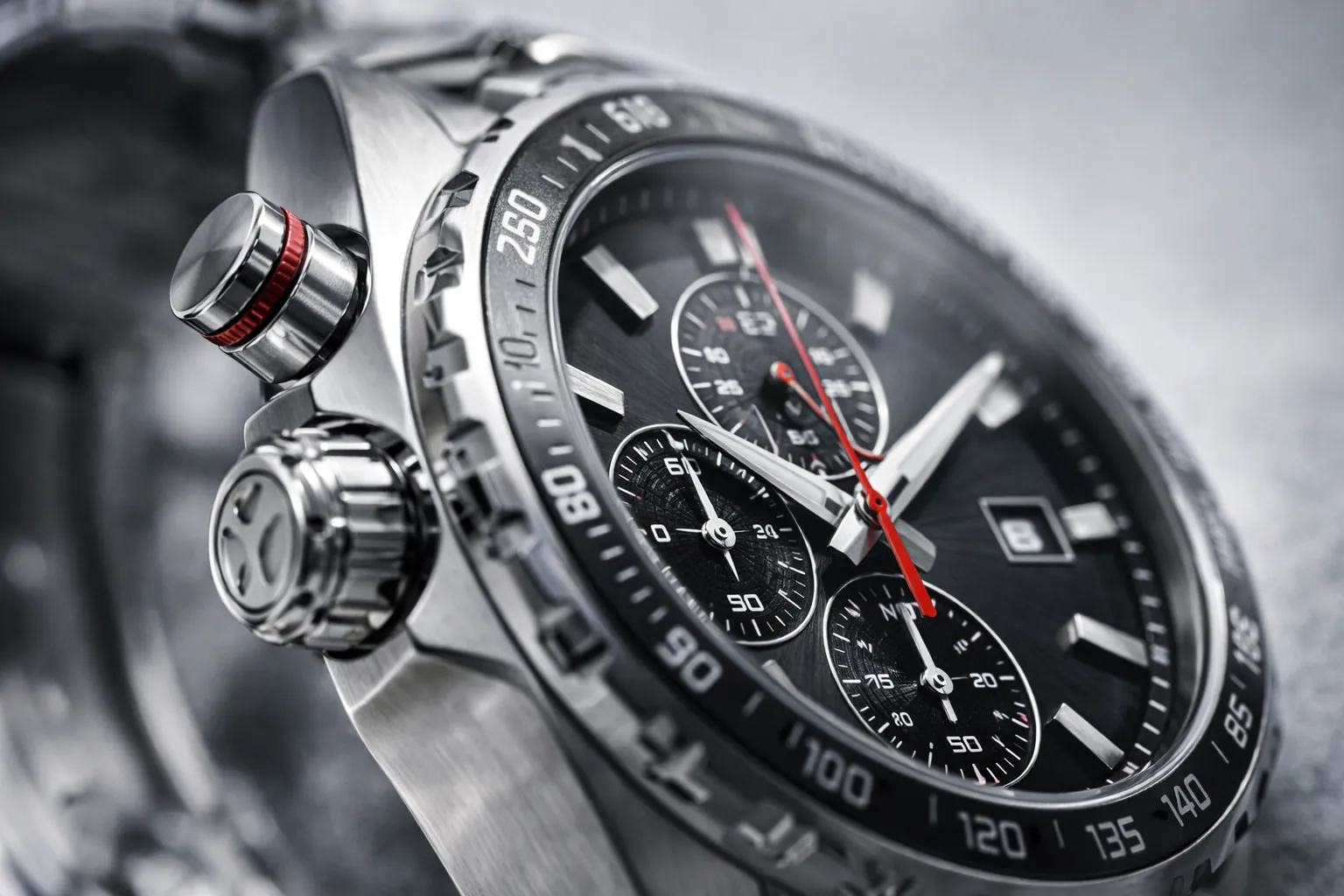
Chronograph watches have always stood at the center of TAG Heuer’s motorsport identity. From professional timekeeping at racing events to wrist-borne timing instruments, the chronograph reflects motorsport’s demand for measurable, repeatable precision.
In modern Carrera and Formula 1 collections, this tradition is expressed through Calibre-based chronograph configurations that emphasize:
- Clear separation between timekeeping and chronograph indications
- Intuitive pusher placement and consistent activation resistance
- Visual balance that preserves legibility even during active use
The objective is not complexity for its own sake, but operational confidence—a principle directly inherited from racing environments where timing errors are unacceptable.
GMT Integration for Global Motorsport Schedules
Certain chronograph references integrate GMT functionality, reflecting the realities of international racing calendars. Rather than being a decorative complication, GMT serves a practical role:
- Tracking home time while traveling between circuits
- Coordinating events across multiple time zones
- Maintaining temporal orientation during frequent schedule shifts
From a design perspective, successful GMT integration depends on maintaining dial clarity. The additional hand and scale must remain subordinate to primary timing functions, ensuring that readability is preserved under varied lighting conditions.
Motorsport-Inspired Dial Architecture and Readability
Function-First Dial Hierarchy
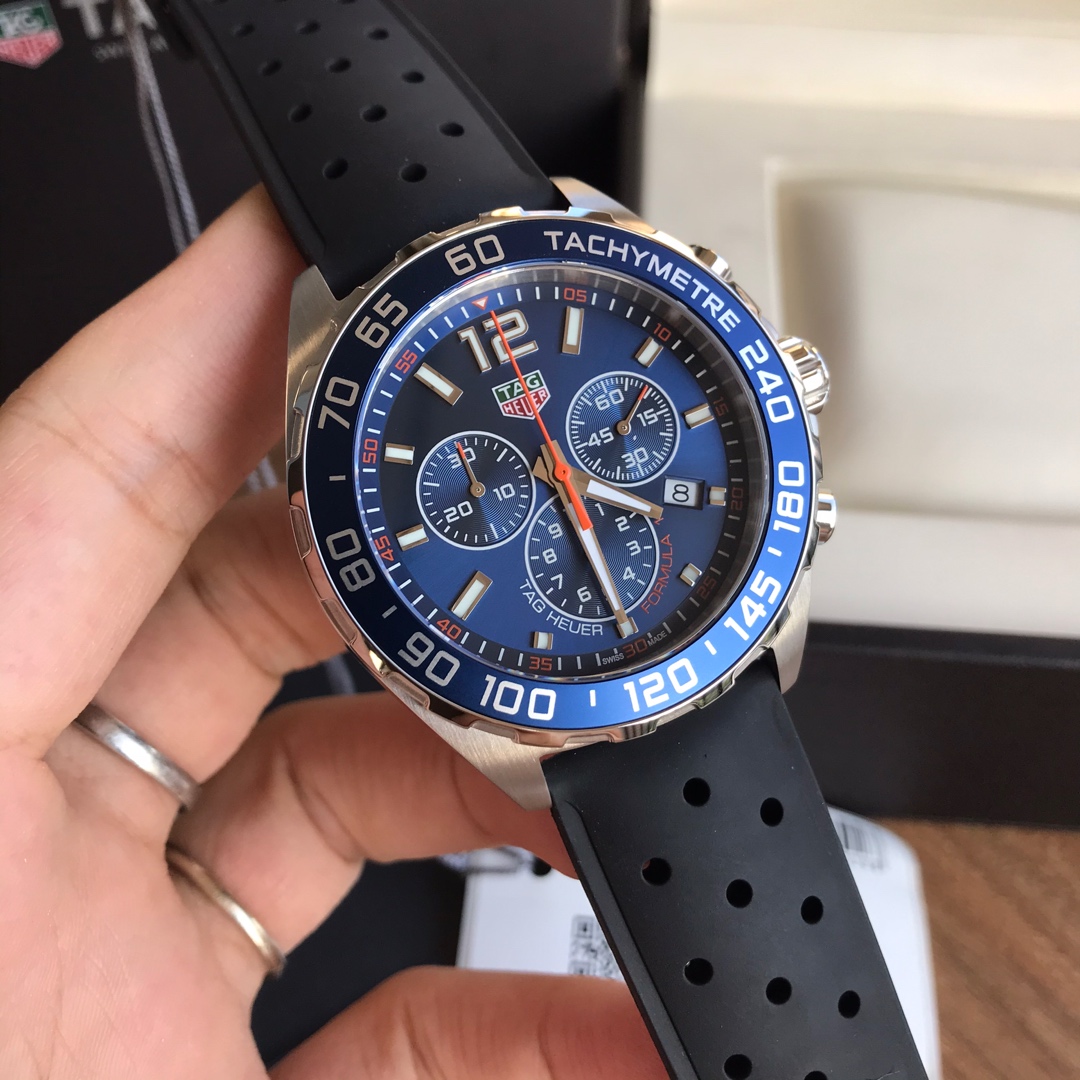
F1 influence is most evident in the hierarchical structure of TAG Heuer dials. Motorsport-derived layouts prioritize information flow:
- Primary time display remains dominant
- Chronograph counters are visually distinct but restrained
- Color accents highlight reference points rather than decoration
High-contrast elements and controlled spacing allow rapid visual parsing—an approach borrowed directly from racing dashboards and timing instruments.
Anti-reflective sapphire crystals further reinforce this philosophy, ensuring clarity in high-glare environments such as pit lanes, garages, or direct sunlight.
Racing Livery and Color Language in Modern Design
Translating F1 Visual Identity into Watch Design
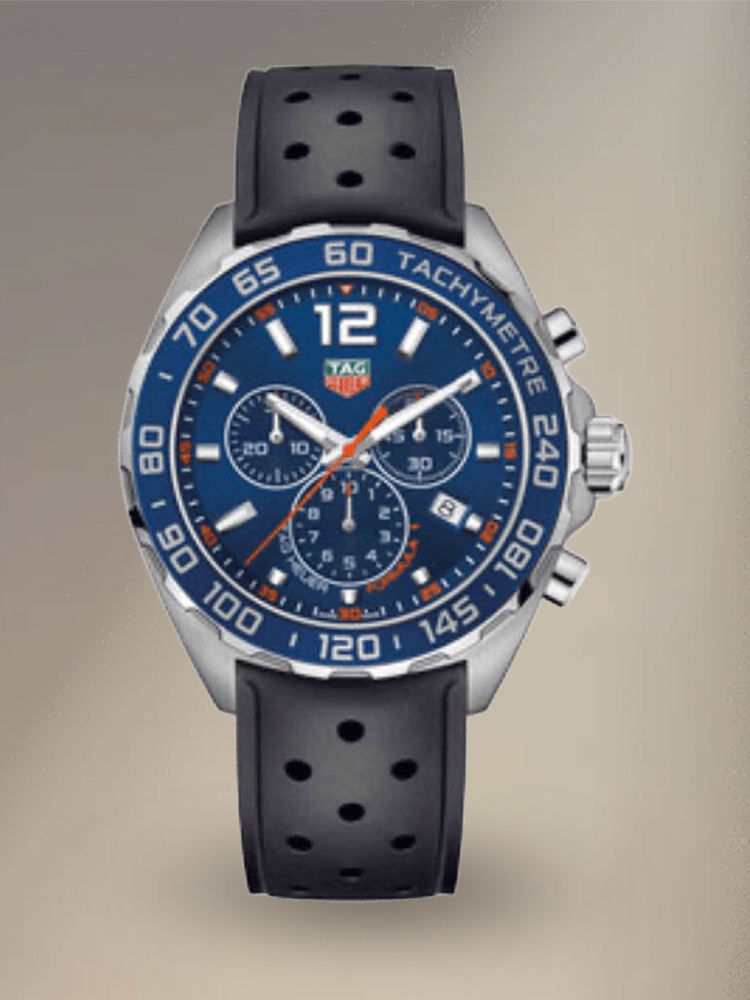
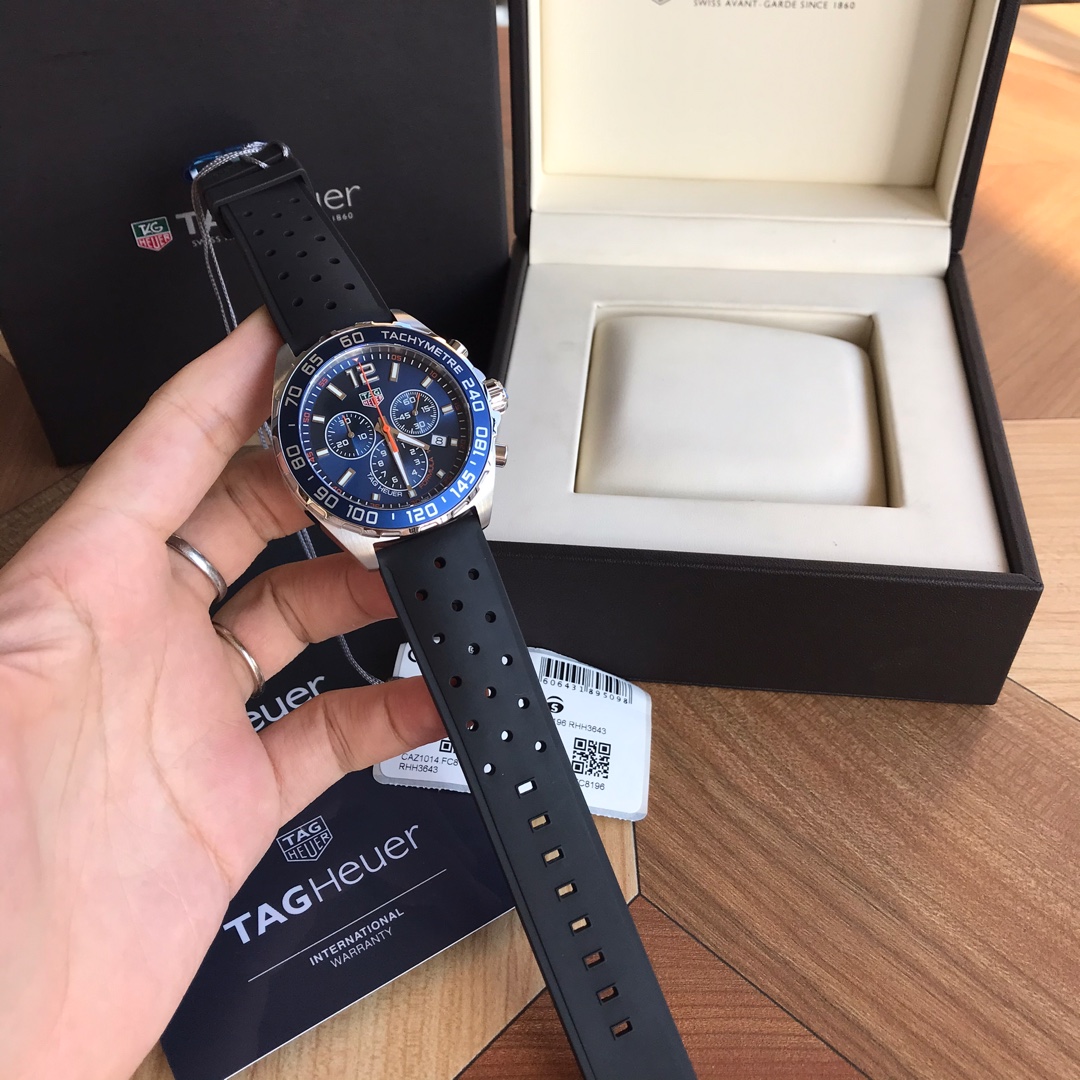
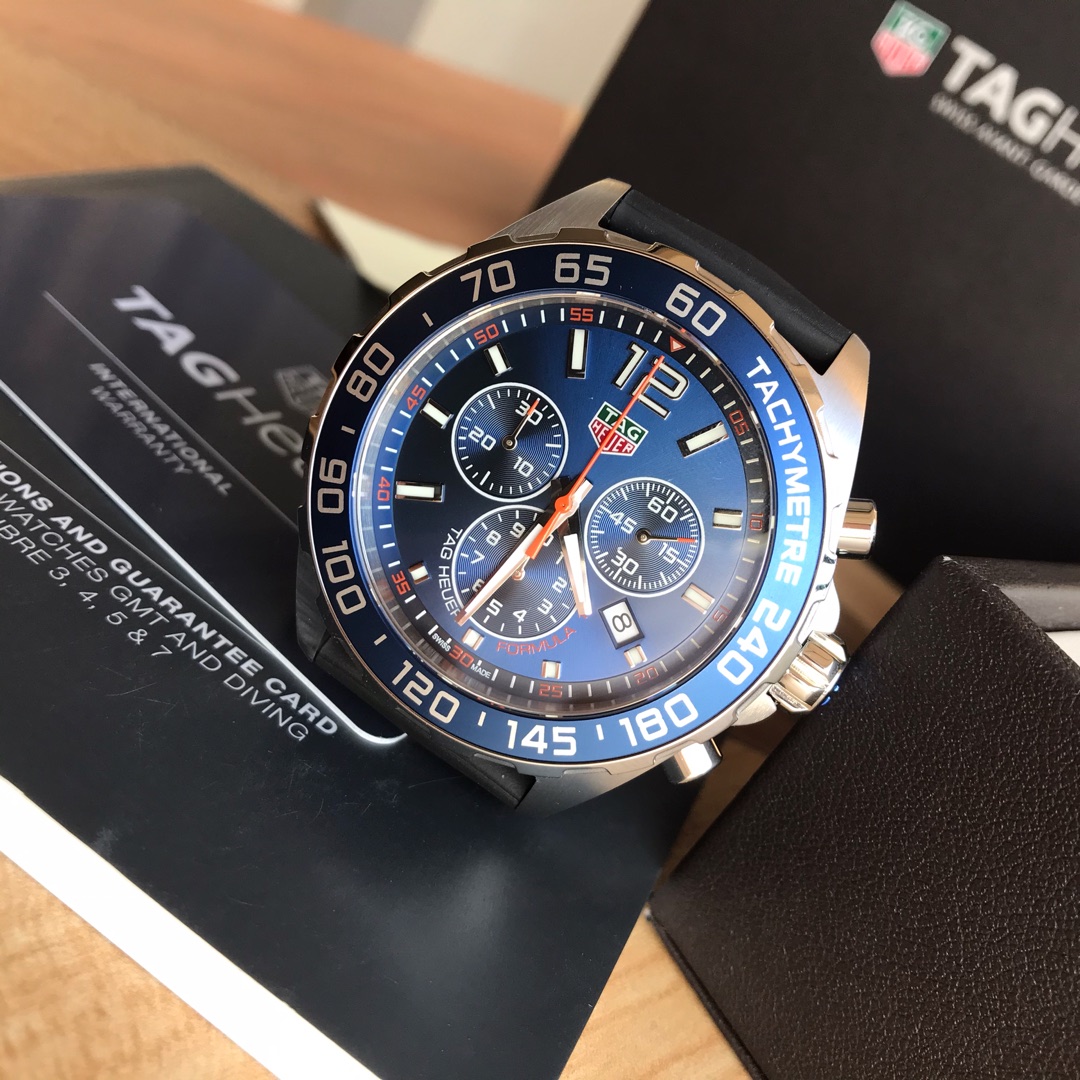
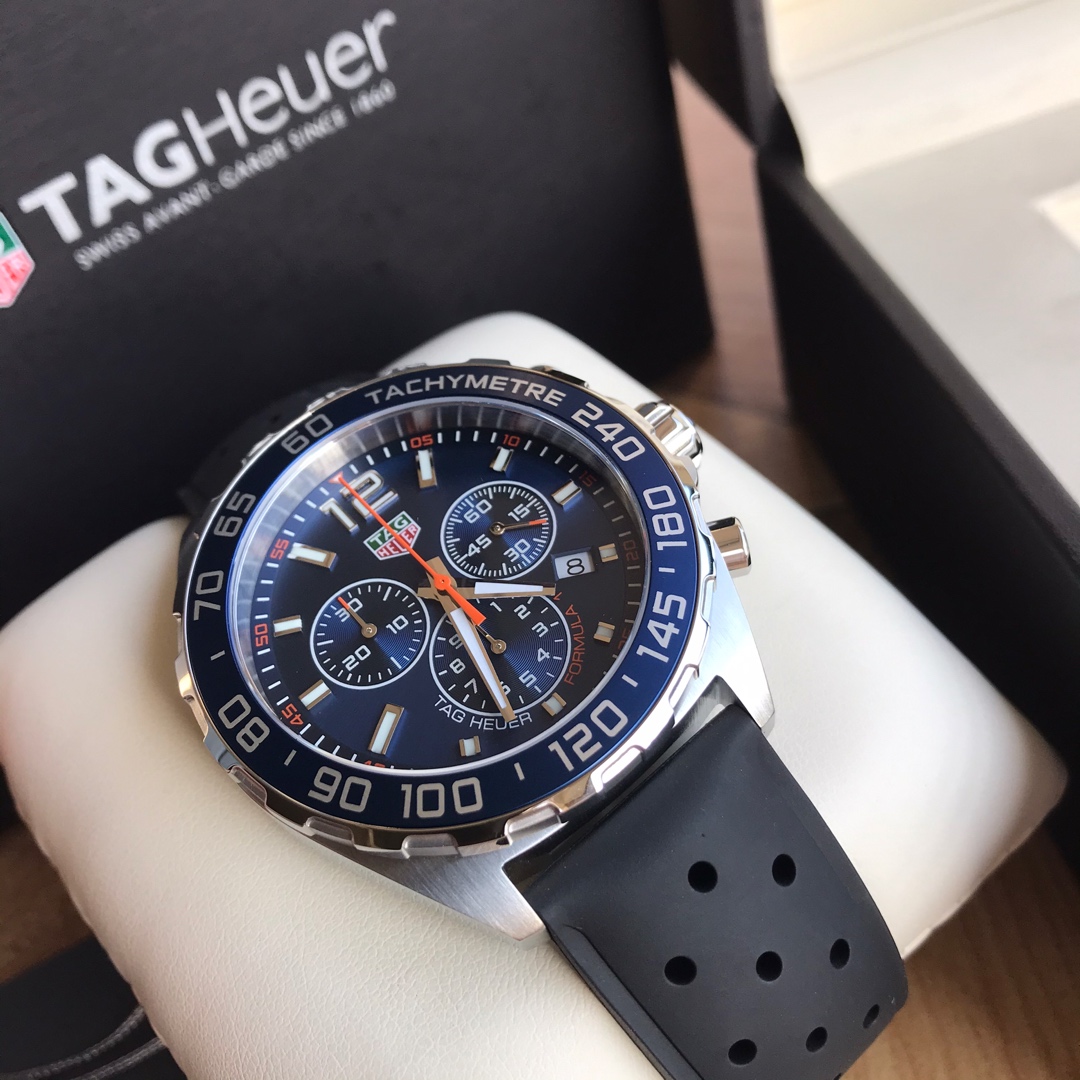
Formula 1 team liveries have long influenced TAG Heuer’s color palette. Instead of arbitrary styling, colors such as red, blue, and orange are applied with functional intent:
- Bezel markings gain improved contrast
- Dial accents enhance orientation at a glance
- Visual energy reflects the speed-centric ethos of motorsport
Collaborative designs inspired by teams like Oracle Red Bull Racing demonstrate how racing color systems can be adapted into wearable form without overwhelming the dial.
Dynamic Dial Textures and Light Interaction
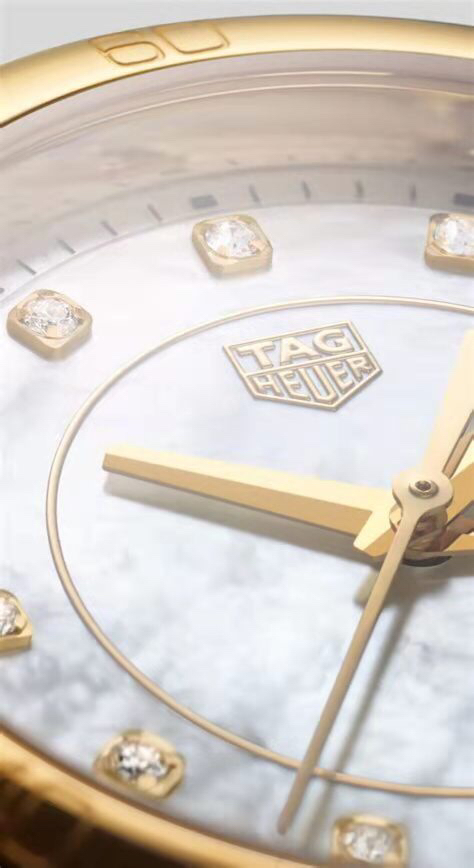
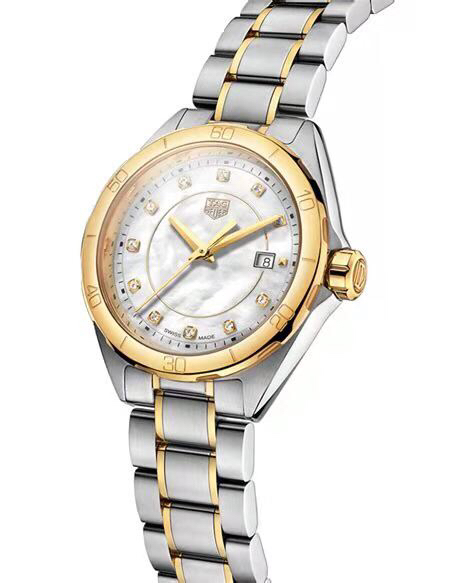
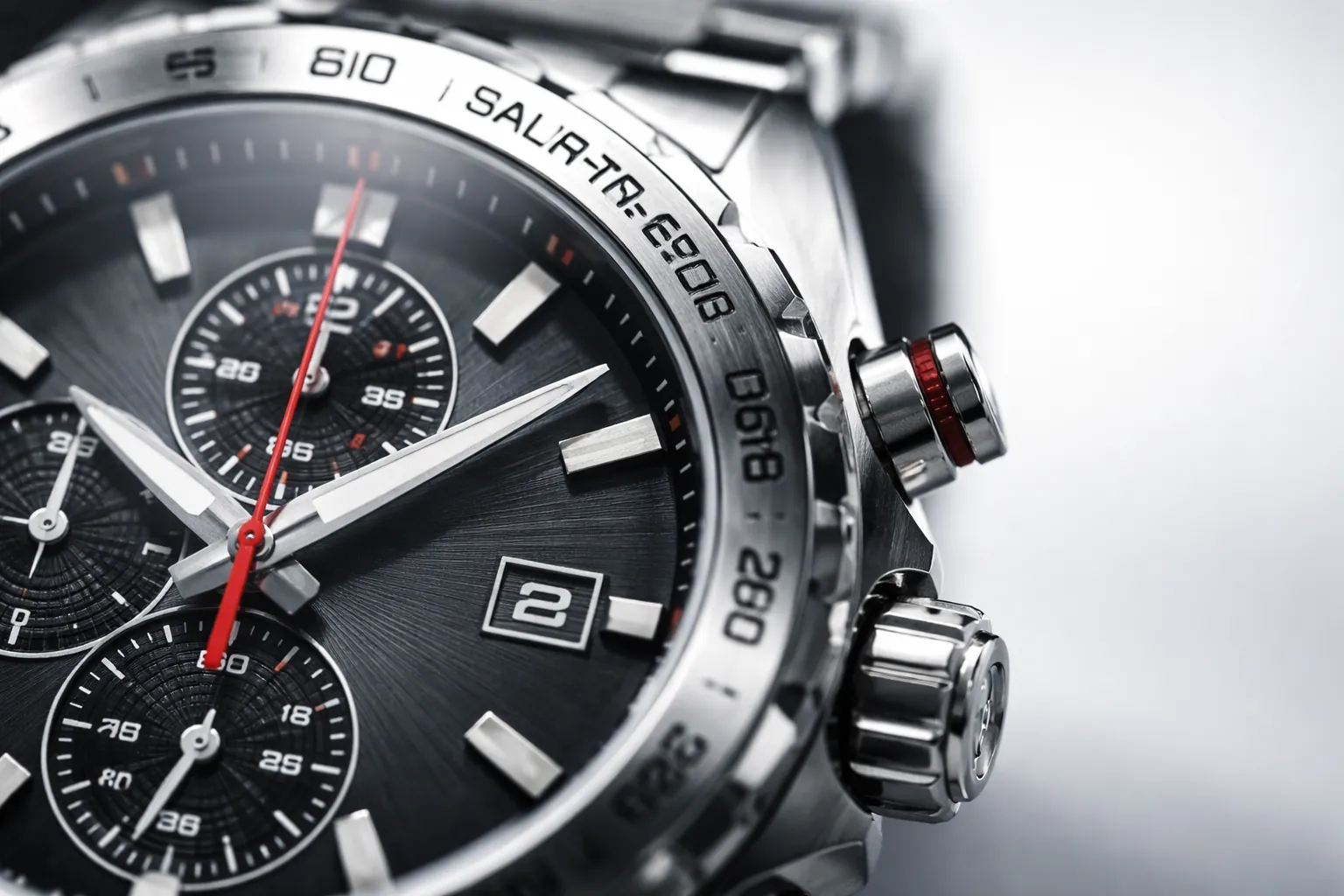
Beyond color, modern TAG Heuer designs employ dial finishes that interact dynamically with light. Sunray brushing and mother-of-pearl surfaces introduce controlled reflections that suggest motion and depth—echoing the sensation of speed without compromising readability.
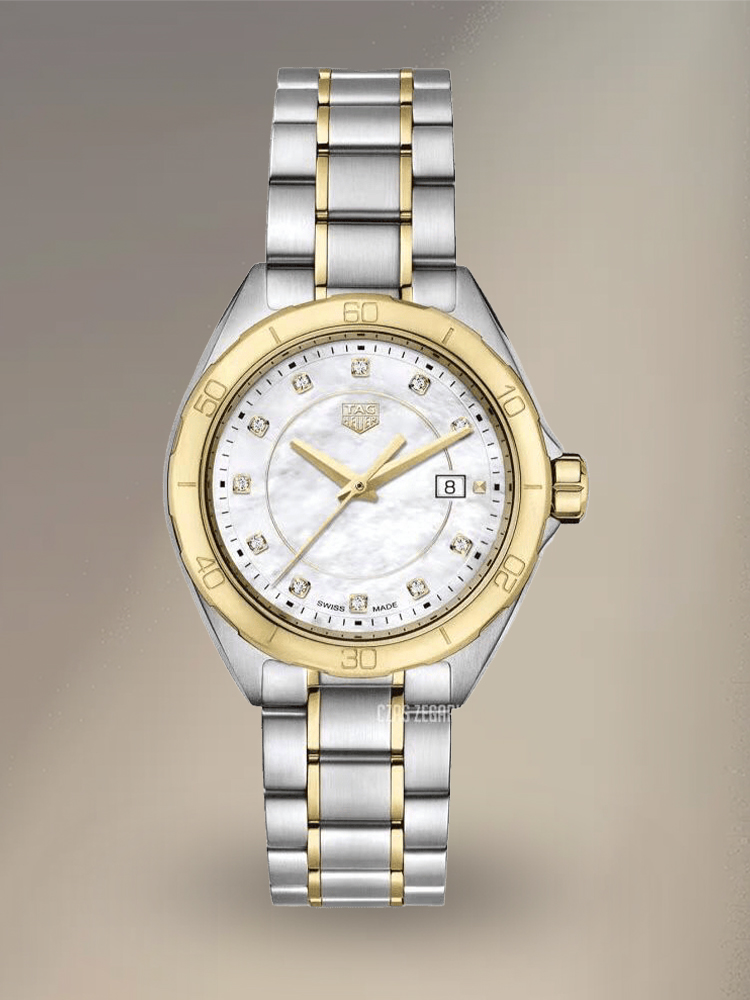
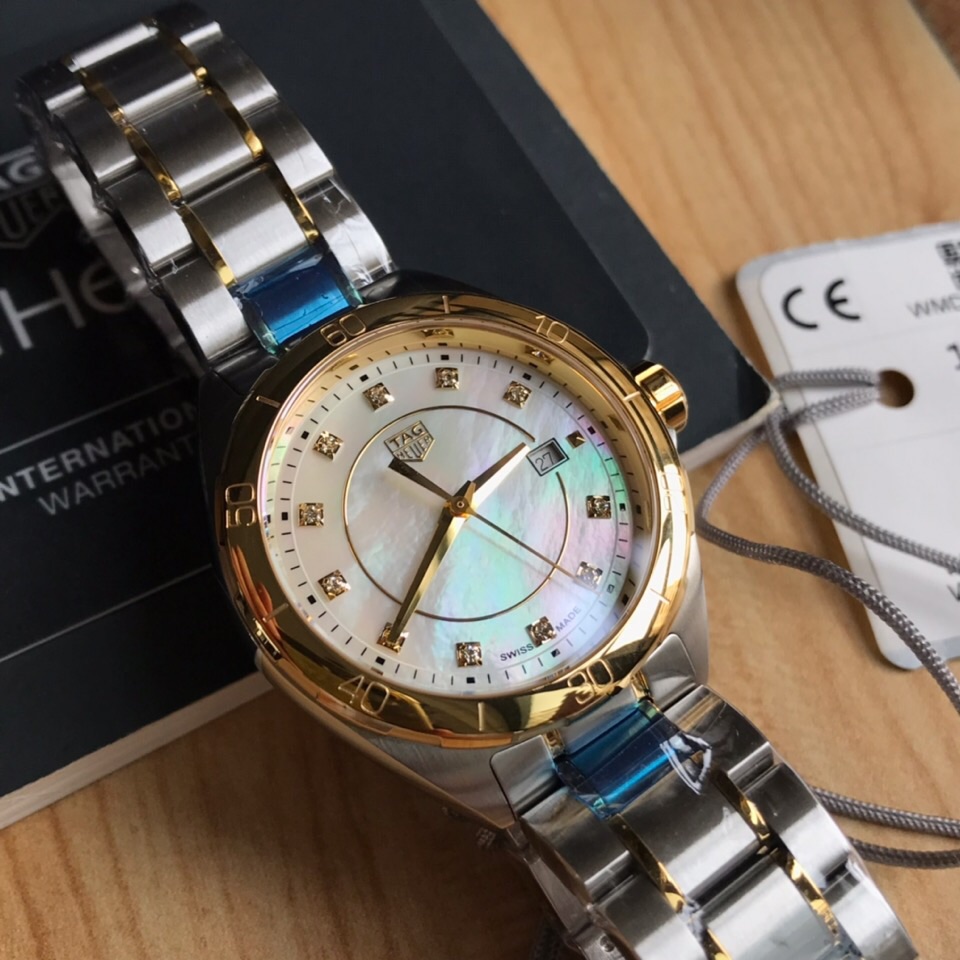
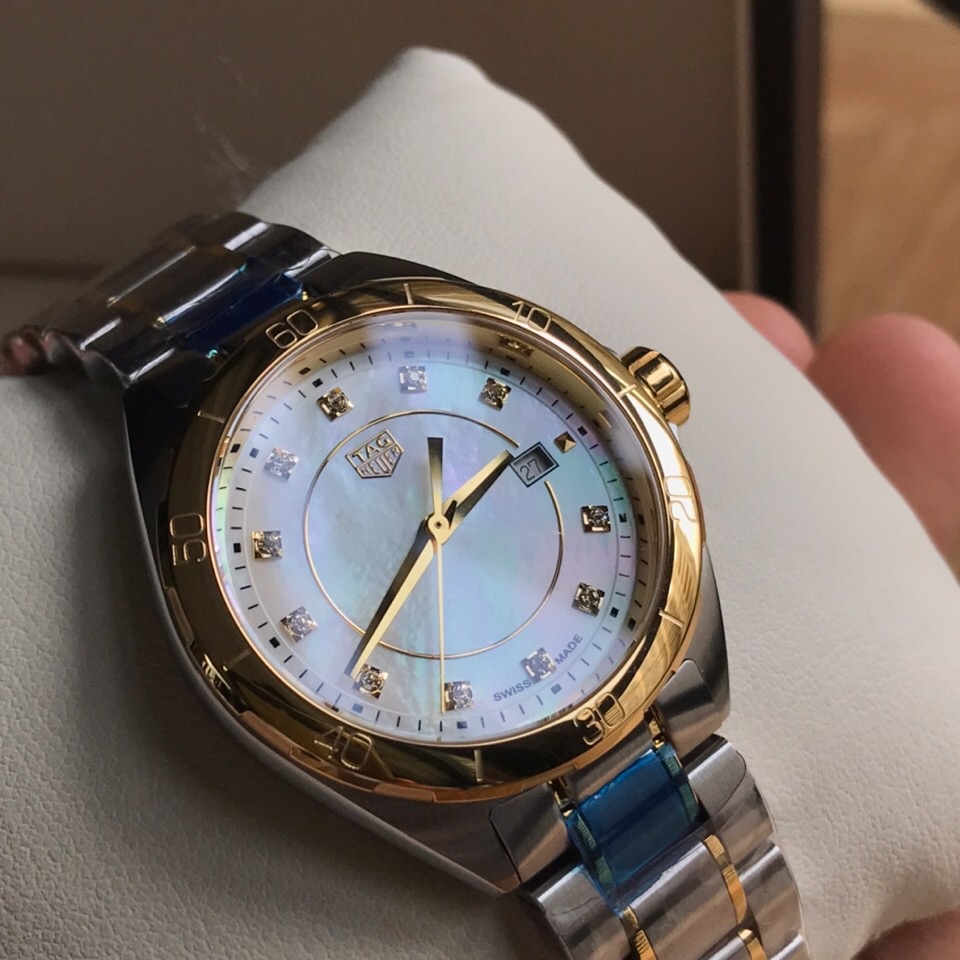
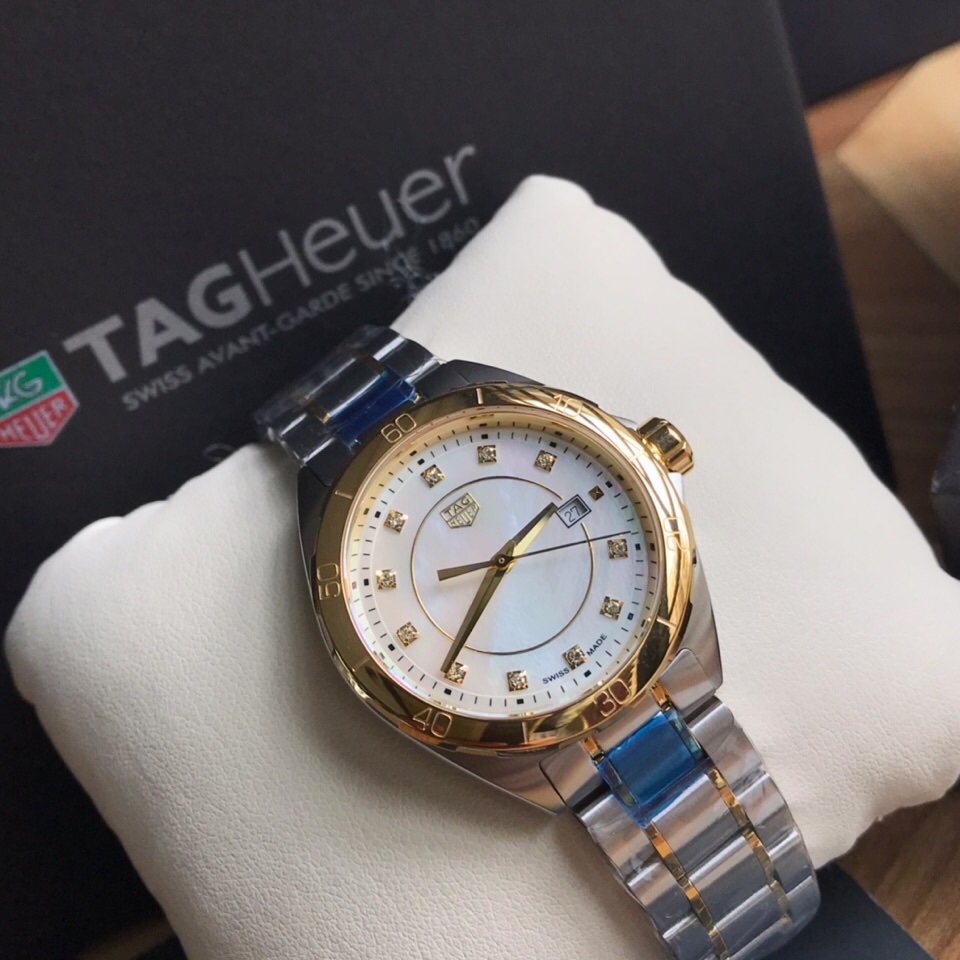
This approach extends into women’s collections as well. Diamond-accented Formula 1 models combine motorsport-derived structure with refined materials, achieving a balance between sport-oriented design and elegant presence.

Formula 1 WBJ1314.FC8230 Replica (Compact, Motorsport Color Logic)
A representative example is the Formula 1 WBJ1314.FC8230 replica, where compact proportions and vibrant accents translate racing aesthetics into a wearable, everyday format.
Sustainability and Motorsport Technology Evolution
Solargraph Technology in a Racing Context
Modern motorsport increasingly emphasizes efficiency and sustainability, and TAG Heuer’s Solargraph technology reflects this broader shift. By converting light into long-term energy storage, Solargraph movements reduce dependency on frequent maintenance—an advantage for users with travel-intensive or active lifestyles.
From a design standpoint, Solargraph-equipped models maintain the robust visual language associated with racing watches:
- Clear dial layouts remain unchanged
- Anti-reflective sapphire crystals preserve legibility
- Case construction emphasizes durability rather than ornamentation
The result is a sustainable solution that aligns with motorsport values without compromising functional integrity.
Ergonomics and Wearability Inspired by Racing Use
Balanced Weight and Wrist Stability
Motorsport influence also extends into wearing ergonomics. Modern TAG Heuer cases are engineered to avoid top-heavy profiles, distributing mass evenly across the wrist. This improves stability during movement and long-term comfort.
Bracelet and strap designs further support this goal through:
- Flexible articulation that adapts to wrist motion
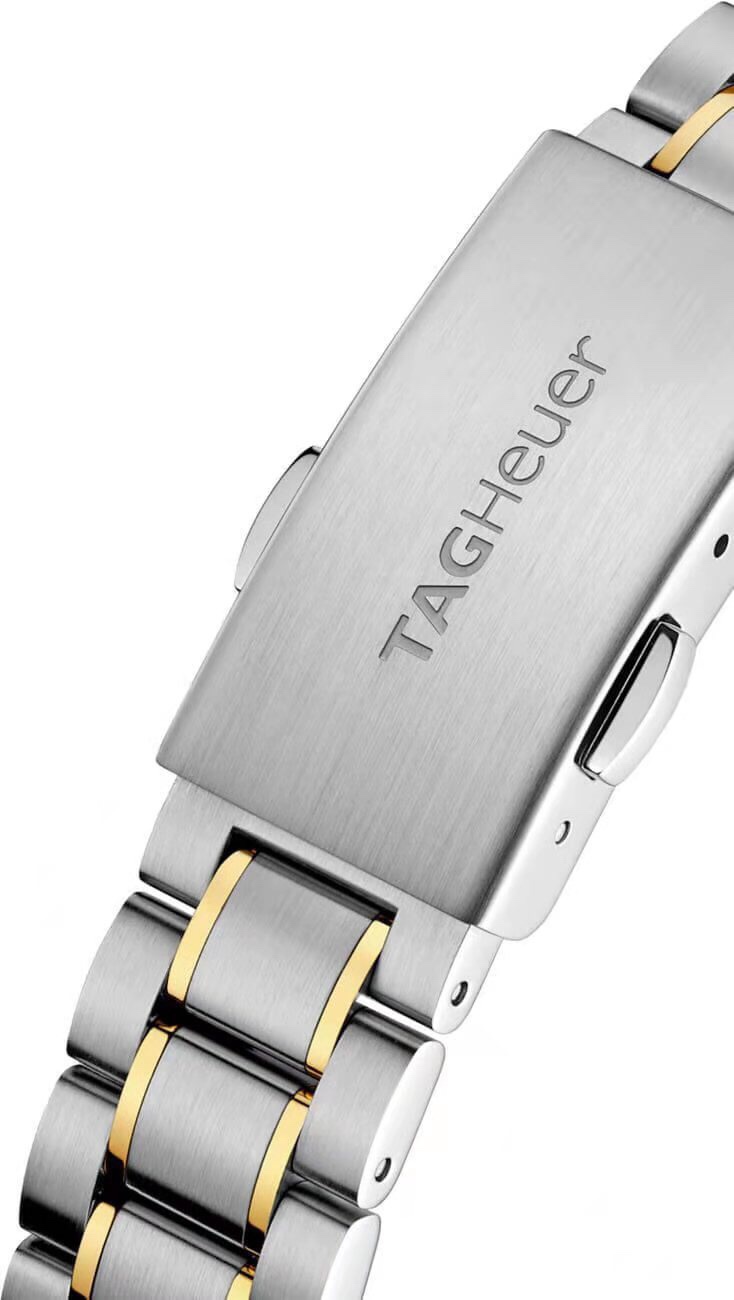
- Micro-adjustment clasps for precise sizing
- Materials selected for durability and comfort under extended wear
These considerations ensure that motorsport-inspired watches remain practical not only on the track, but in daily urban environments as well.
Replica Evaluation: Why Motorsport Logic Matters
For high-grade replicas, accurately reflecting motorsport influence requires more than visual similarity. Key evaluation criteria include:
- Dial hierarchy that mirrors functional priorities
- Case proportions consistent with balance-driven design
- Color usage that supports readability rather than decoration
Replicas that respect these principles tend to deliver a more convincing real-world experience, particularly during extended wear.
Conclusion: Motorsport Influence as Design Discipline
In modern TAG Heuer watchmaking, Formula 1 and motorsport influence function as a design discipline grounded in precision, clarity, and usability. Chronograph tradition, global timing needs, color engineering, sustainable technology, and ergonomic optimization all trace back to the same racing-derived logic.
For both enthusiasts and replica evaluators, understanding this framework provides a more meaningful basis for assessing authenticity—one that extends beyond surface aesthetics into the core philosophy of the design itself.