Chronograph watches are among the most mechanically complex tools found in everyday wristwatches. While often associated with motorsports or professional timing, a chronograph is fundamentally a precision mechanism that requires informed handling.
This guide explains how to use chronograph watch safely in real daily scenarios, focusing not only on correct operation, but also on the mechanical logic behind it—so that long-term performance and reliability are preserved.

The Basic Structure of a Chronograph Watch
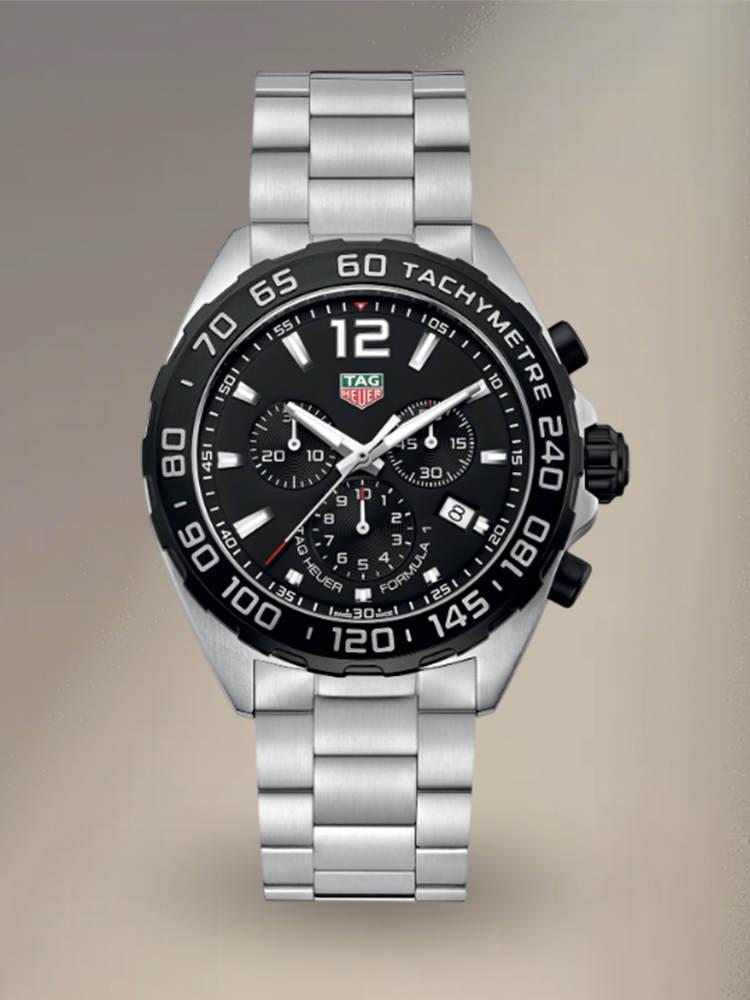
Before discussing operation, it is essential to understand the physical layout shared by most modern chronograph watches. Familiarity with these components is the foundation of safe use.
Primary Controls
Most chronographs are equipped with three controls:
- Upper pusher (usually at 2 o’clock)
Starts and stops the chronograph timing function - Lower pusher (usually at 4 o’clock)
Resets the chronograph hands only after timing has stopped - Crown
Used to set the regular time and date (if applicable)
Understanding the role and position of each control helps prevent accidental misuse.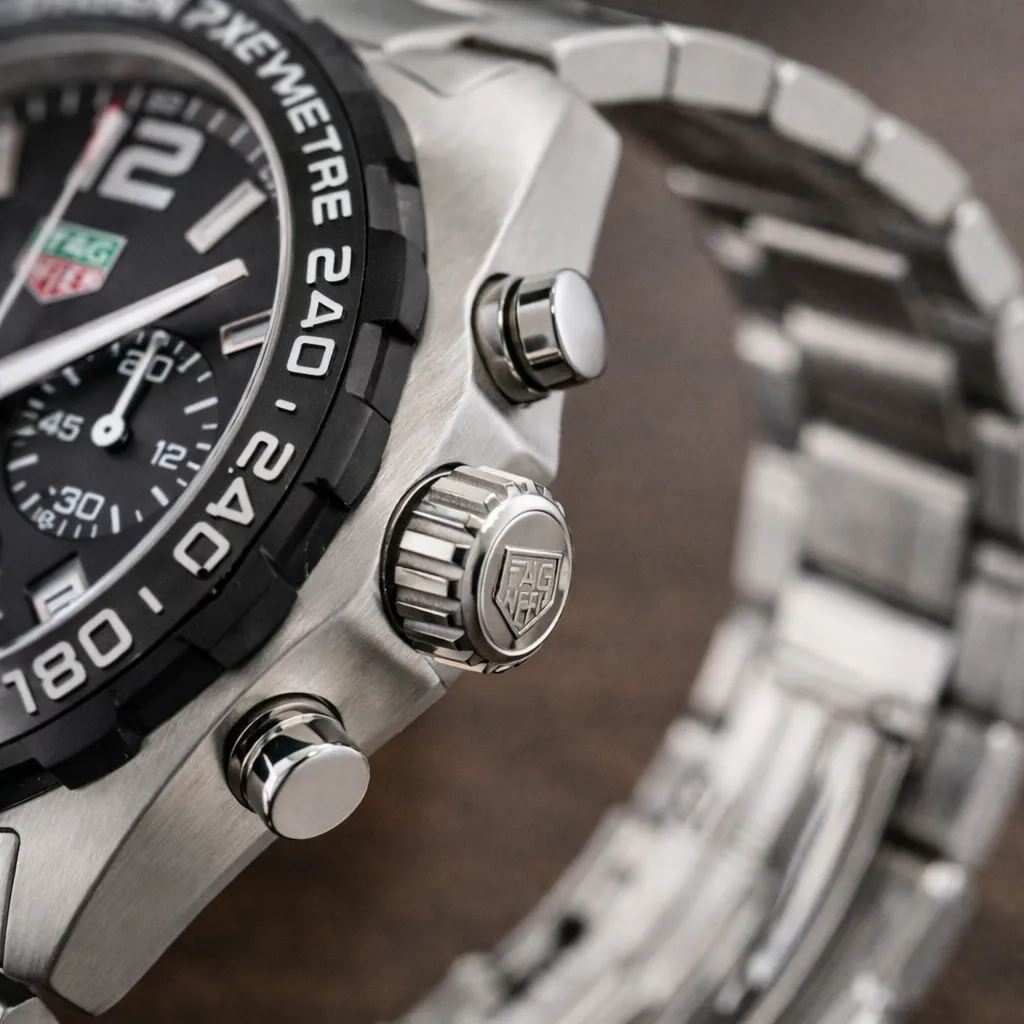
Common Sub-Dial Functions
While layouts vary by movement, most chronographs include:
- Small seconds sub-dial (commonly at 6 or 9 o’clock)
- 30-minute or 60-minute counter
- Additional counters, such as a 12-hour totalizer or running seconds, depending on the caliber
Knowing which hand tracks which function is critical for accurate reading and safe operation.
The Correct Way to Operate a Chronograph
Chronograph operation follows a strict and non-negotiable sequence. This order exists for mechanical reasons and should always be respected.
1. Start Timing
Press the upper pusher once.
The central chronograph seconds hand begins moving, and the sub-dials start counting elapsed time.
2. Stop Timing
Press the upper pusher again.
All chronograph hands freeze, displaying the measured interval.
3. Reset to Zero
Only after the chronograph has fully stopped, press the lower pusher.
All chronograph hands return instantly to zero.
Never press the reset button while the chronograph is running.
Resetting during operation places extreme mechanical stress on internal components such as the reset hammer, heart cam, and (in column-wheel chronographs) the column wheel. This can lead to bent parts, broken components, or permanently misaligned chronograph hands.
Common Chronograph Mistakes and Their Consequences
1. Resetting While the Chronograph Is Running (Most Serious Error)
This is the most damaging mistake a wearer can make.
Why it matters:
The reset mechanism is designed to work only when all timing components are stationary. Forcing a reset during operation can cause internal collisions.
Possible consequences:
- Bent or broken reset hammers
- Deformed heart cams
- Chronograph hands that never align correctly again
Outcome: major servicing, or irreversible damage to the chronograph module.
2. Excessive Start–Stop Cycling in Short Intervals
Although modern chronographs are durable, repeatedly pressing the pushers in rapid succession accelerates wear on clutches, coupling mechanisms, and column wheels.
This does not usually cause immediate failure, but it shortens the recommended service interval.
3. Running the Chronograph Continuously for Days
Most mechanical chronographs are not designed for 24/7 continuous operation.
Extended use can:
- Increase internal friction
- Reduce effective power reserve
- Negatively affect overall timekeeping accuracy
Best practice:
Use the chronograph only when timing is needed. Stop and reset it after each use.
How to Use a Chronograph Safely in Daily Life
To protect the movement and maintain long-term reliability, follow these practical principles:
- Use with purpose
Activate the chronograph only when timing is genuinely required. - Follow the correct sequence
Start → Stop → Reset. Never reverse the order. - Avoid extreme temperatures
High heat thins lubricants; extreme cold thickens them. Avoid saunas, hot showers, or prolonged exposure to freezing conditions. - Maintain proper winding habits
Automatic chronographs rely on wrist movement, while manual-wind models typically benefit from 20–30 turns per day. - Schedule regular professional servicing
Due to their complexity, chronograph movements should be serviced every 4–6 years, or sooner under heavy use.

Special Considerations by Chronograph Movement Type
Different chronograph architectures respond differently to daily use.
Valjoux 7750 / Sellita SW500–Style Movements
- Known for durability and robustness
- Still require strict adherence to the stop-before-reset rule
- Designed for reliability, not misuse
Column-Wheel Chronographs
- Smoother pusher feel
- More refined mechanical interaction
- Reset mechanisms tend to be more delicate
Extra care during operation is recommended.
Vertical Clutch Chronographs e.g. Zenith El Primero, TAG Heuer Heuer 02
- Smoother chronograph start
- Reduced hand “jump”
- Better tolerance for frequent use
Even so, long-term continuous timing is still not recommended.
Why Understanding Chronograph Mechanics Improves Ownership
Understanding how to use chronograph watch safely is not about limiting functionality—it is about aligning daily behavior with mechanical design intent. Chronographs are engineered to measure time on demand, not to operate continuously without purpose.
When used correctly, a chronograph offers precision, tactile satisfaction, and long-term reliability without unnecessary mechanical stress.
Final Thoughts
A chronograph is one of watchmaking’s most engaging complications—but it rewards understanding. Respecting its mechanical logic ensures smoother operation, fewer long-term issues, and a better ownership experience.
Used thoughtfully, a chronograph remains reliable and enjoyable for years of daily wear.
Related Reading
For deeper context on real-world wear and mechanical behavior, you may also explore:
Wearability & Ergonomic Considerations
How design and layout affect comfort, fit, and daily practicality.
Real-World Authenticity Issues
What matters in daily wear beyond specs and marketing language.
Guarantee and Quality Control
A clear overview of inspection standards and reliability-focused handling.