When Should a Watch Be Serviced? Recommended Intervals, Warning Signs, and Long-Term Care Logic
A practical, experience-based servicing guide that combines movement-specific intervals with real-world warning signs and care principles—focused on long-term reliability, not over-servicing.Introduction
Understanding when should a watch be serviced is not simply about following a fixed calendar. Service intervals vary significantly depending on movement type, usage habits, environmental exposure, and the age of the watch. Owners who rely only on generic timelines often either delay necessary maintenance or service their watch too frequently—both of which can reduce long-term reliability.
This guide takes a practical, experience-based approach to watch servicing, combining industry-accepted intervals with real-world warning signs and maintenance logic.
Why Watch Servicing Is a Long-Term Reliability Decision
Recommended Service Intervals by Watch Type
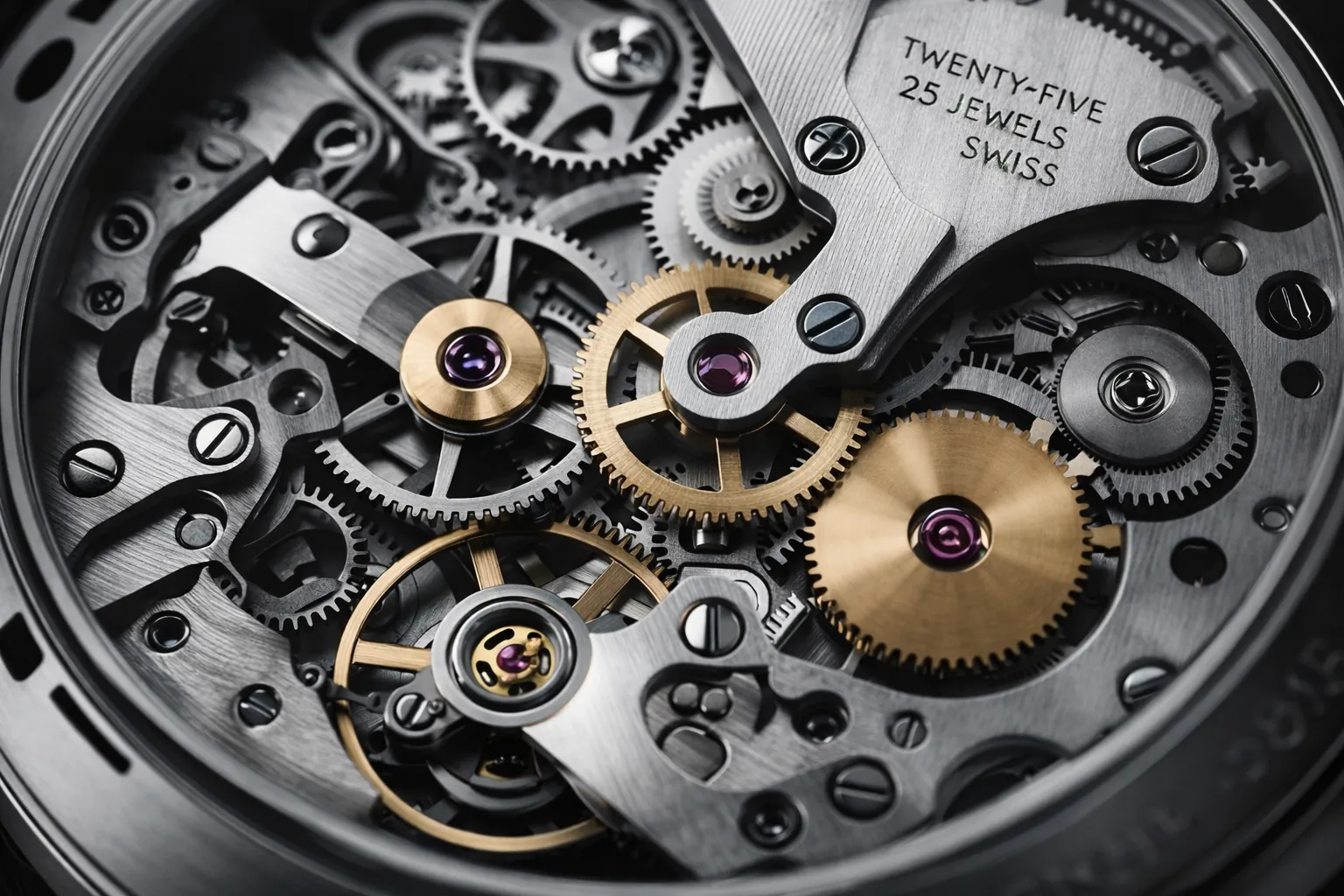
Service timing varies widely by movement architecture and use case. The intervals below reflect widely accepted industry guidance, not aggressive or sales-driven recommendations.
Modern Automatic Mechanical Watches
Most contemporary mechanical watches from brands such as Rolex, Omega, and TAG Heuer are designed for extended service cycles.
- Standard recommendation: every 5–7 years
- Newer movements using advanced lubricants (e.g., Rolex 32xx, Omega Co-Axial): may extend to 8–10 years under normal use
Daily wear, high shock exposure, or extreme environments may shorten this range.
Manual-Wind Mechanical Watches
Manual-wind movements experience more frequent crown interaction and mechanical engagement.
- Recommended interval: every 4–6 years
- Additional wear results from regular hand-winding and crown use
Owners who wind aggressively or irregularly may notice earlier performance changes.
Chronograph Movements
Chronographs contain additional gears, levers, and springs, increasing mechanical complexity.
- Recommended interval: every 4–6 years
- Especially important if chronograph functions are used frequently
Even if timekeeping remains stable, internal wear can accumulate unnoticed.
Vintage or Older Mechanical Watches
Movements produced before the 1990s typically used older lubrication formulas that degrade more quickly.
- Recommended interval: every 3–5 years
- More sensitive to lubricant aging and seal degradation
Preventive servicing is particularly important to avoid parts damage that may be difficult to reverse.
Why Usage Patterns Matter More Than the Calendar
Two identical watches can require servicing years apart depending on how they are worn.
- Daily wear without rotation
- Frequent exposure to vibration or impact
- High humidity or temperature variation
- Long periods of inactivity without proper storage
- Rotation among multiple watches
- Stable indoor environments
- Consistent wrist movement
- Proper storage away from moisture and magnetism
Monitoring performance trends is often more reliable than relying on age alone.
Key Warning Signs That Indicate Servicing May Be Needed
Rather than guessing, owners should watch for observable changes.
Timekeeping & Performance Indicators
- Noticeable gain or loss beyond typical behavior
- Increasing inconsistency day to day
- Reduced power reserve compared to normal use
Functional Changes
- Delayed or uneven date changes
- Crown or pushers feeling unusually stiff or rough
- Chronograph reset not returning cleanly to zero
Environmental or Physical Signs
- Condensation under the crystal
- Unusual sounds during wrist movement
- Increased sensitivity to minor shocks
Any single symptom does not automatically require service, but patterns matter.
What Professional Watch Servicing Typically Includes
A complete mechanical watch service generally involves:
- Full movement disassembly
- Thorough cleaning of all components
- Inspection and replacement of worn parts
- Re-lubrication with appropriate oils and greases
- Accuracy regulation across multiple positions
- Replacement of seals and gaskets
- Water-resistance testing (where applicable)
Optional cosmetic refinishing may be performed separately. After servicing, many providers offer 1–2 years of service warranty, reflecting restored operational stability.
Maintenance Habits That Help Extend Service Intervals
From an industry perspective, daily care has a direct impact on service frequency.
Widely Accepted Care Principles
- Avoid strong magnetic fields
- Minimize exposure to shocks and vibration
- Do not wear watches in high-heat or high-humidity environments
- Store unworn watches in a dry, stable setting
- Avoid unnecessary crown manipulation
These practices align with general maintenance basics and help preserve movement stability without technical intervention.
Servicing vs. Over-Servicing: Finding the Right Balance
Over-servicing introduces its own risks, including unnecessary handling and component stress. Best practice emphasizes:
- Condition-based evaluation
- Long-term performance monitoring
- Servicing only when indicators or intervals align
For most owners, this balanced approach delivers the best reliability outcomes.
Conclusion: A Practical Framework for Watch Servicing
So, when should a watch be serviced? The most reliable answer combines:
- Movement-specific service intervals
- Real-world usage patterns
- Observable performance warning signs
By understanding how these factors interact, owners can make informed, low-risk decisions that support long-term accuracy, durability, and confidence—without unnecessary intervention.
Warranty & Lifetime Maintenance at tagheuerreplica.io — Key Support
- 2-Year Warranty: Covers non-user-caused mechanical or functional issues within the warranty period.
- Lifetime Maintenance Support: Long-term support is available for movement care, including cleaning, regulation, routine maintenance, and lubrication.
- Support-Oriented: Professional support—not DIY guidance, not mandatory service cycles, and no unrealistic performance guarantees.
Suggested Internal Reading
If you’d like to go deeper, these pages expand on service boundaries, real-world wear factors, and common ownership questions:
- After-Sales Responsibility Framework – clarifies service boundaries and responsibilities
- Wearability & Ergonomic Considerations – explains how daily wear affects long-term performance
- FAQ – addresses common ownership and maintenance questions