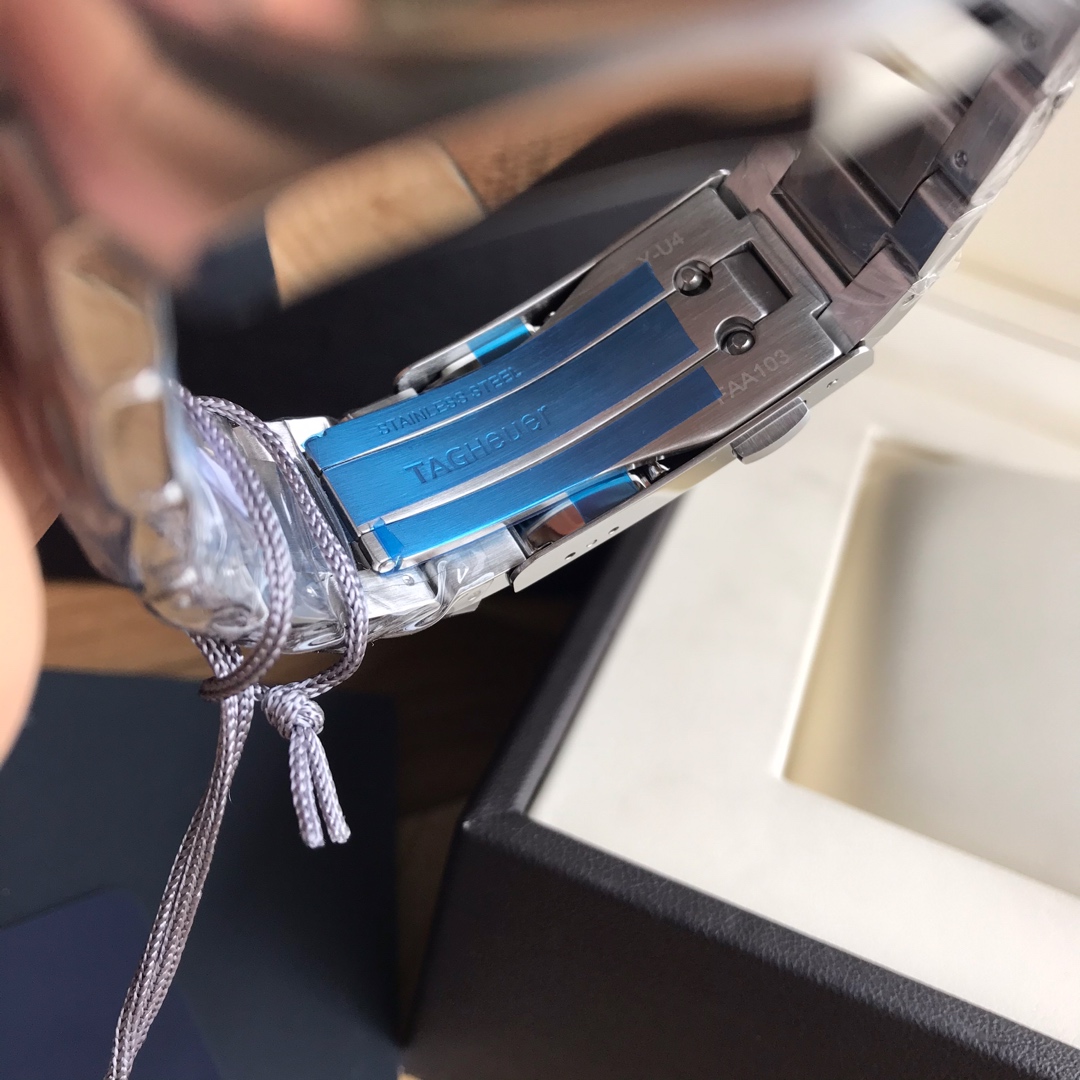
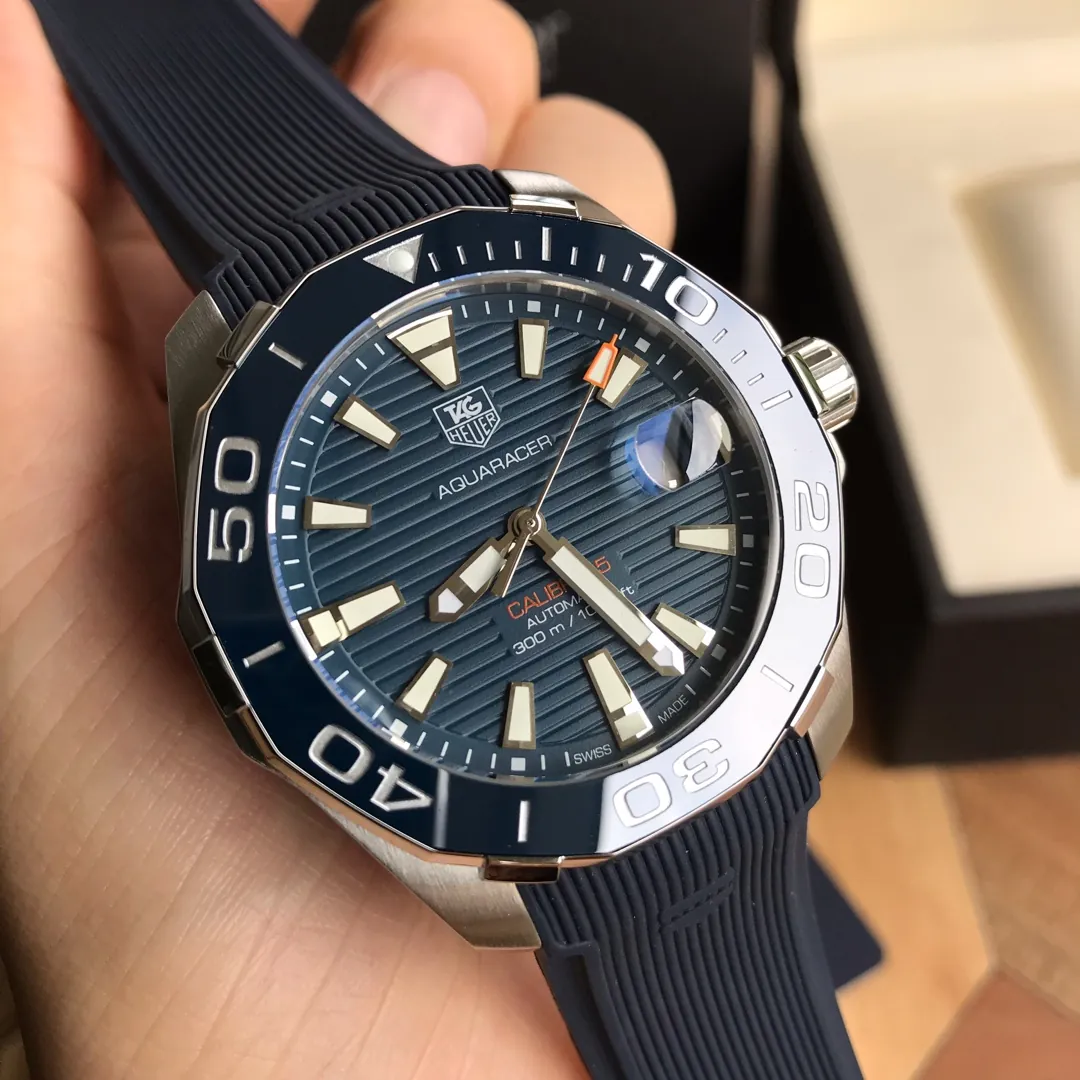
Ceramic, Titanium & New Materials in Contemporary Watch Architecture
A technical reference on how ceramic, titanium, and advanced materials shape modern TAG Heuer design—focused on durability, ergonomic balance, and real-world wear behavior.Material Integration as a Modern Design Driver
Material selection has become one of the most defining elements in modern TAG Heuer design. Over the past decade, the brand’s evolution has closely followed a broader industry transition—from single-material construction toward purpose-driven material integration. Ceramic, titanium, and advanced composites are no longer decorative upgrades; they are structural tools used to optimize durability, ergonomics, and long-term wear behavior.
This technical reference examines how modern TAG Heuer design integrates these materials across its key collections, focusing on functional rationale, ergonomic outcomes, and real-world use, rather than stylistic marketing narratives.
The analysis prioritizes daily wear behavior and material aging characteristics over speculative or engineering-grade details.
A broader technical reference that contextualizes contemporary design direction.
Ceramic in Modern TAG Heuer Design
Why Ceramic Became a Core Design Material
Ceramic has emerged as a foundational material in modern TAG Heuer sports watches, particularly in bezels. Its widespread adoption is driven by material properties that directly address long-term wear concerns:
- High surface hardness, reducing visible wear from friction and daily contact
- Color stability, maintaining consistent tone under UV exposure and aging
- Optical depth, producing controlled reflections that enhance legibility
Unlike polished metals, ceramic preserves its visual clarity over time, making it especially suitable for watches intended for frequent, real-world use.
Ceramic Bezels and Visual Hierarchy
From a design perspective, ceramic bezels play a critical role in establishing visual structure. By clearly separating the dial from the case body, ceramic enhances readability while adding depth to the overall profile. This separation becomes increasingly important in modern tool watches with bold indices and complex dial layouts.
Titanium: Lightweight Engineering and Ergonomic Balance
Functional Motivation Behind Titanium Cases
Titanium is increasingly used in modern TAG Heuer design to address a fundamental challenge: maintaining comfort as case sizes grow larger. Compared with stainless steel, titanium offers:
- Lower density, significantly reducing overall watch weight
- High strength-to-weight ratio, preserving structural integrity
- Matte surface character, minimizing glare and visual distraction
These attributes make titanium especially effective in professional sports and dive watches, where long-term comfort is essential.
Wearability Outcomes in Daily Use
From an ergonomic standpoint, titanium improves weight distribution across the wrist. Reduced mass lowers top-heavy sensation, enhances stability during movement, and minimizes fatigue during extended wear.
New Materials and Composite Integration
Expanding Beyond Traditional Metals
In addition to ceramic and titanium, modern TAG Heuer collections incorporate carbon fiber, composite materials, and advanced surface treatments, particularly within chronograph-focused lines. These materials serve specific technical purposes:
- Mass reduction, lowering inertia in active-use watches
- Improved tactile feedback, especially in pushers and bezels
- Distinct surface textures, reinforcing motorsport and tool-watch identity
Such materials are applied selectively, ensuring they support function without disrupting overall design coherence.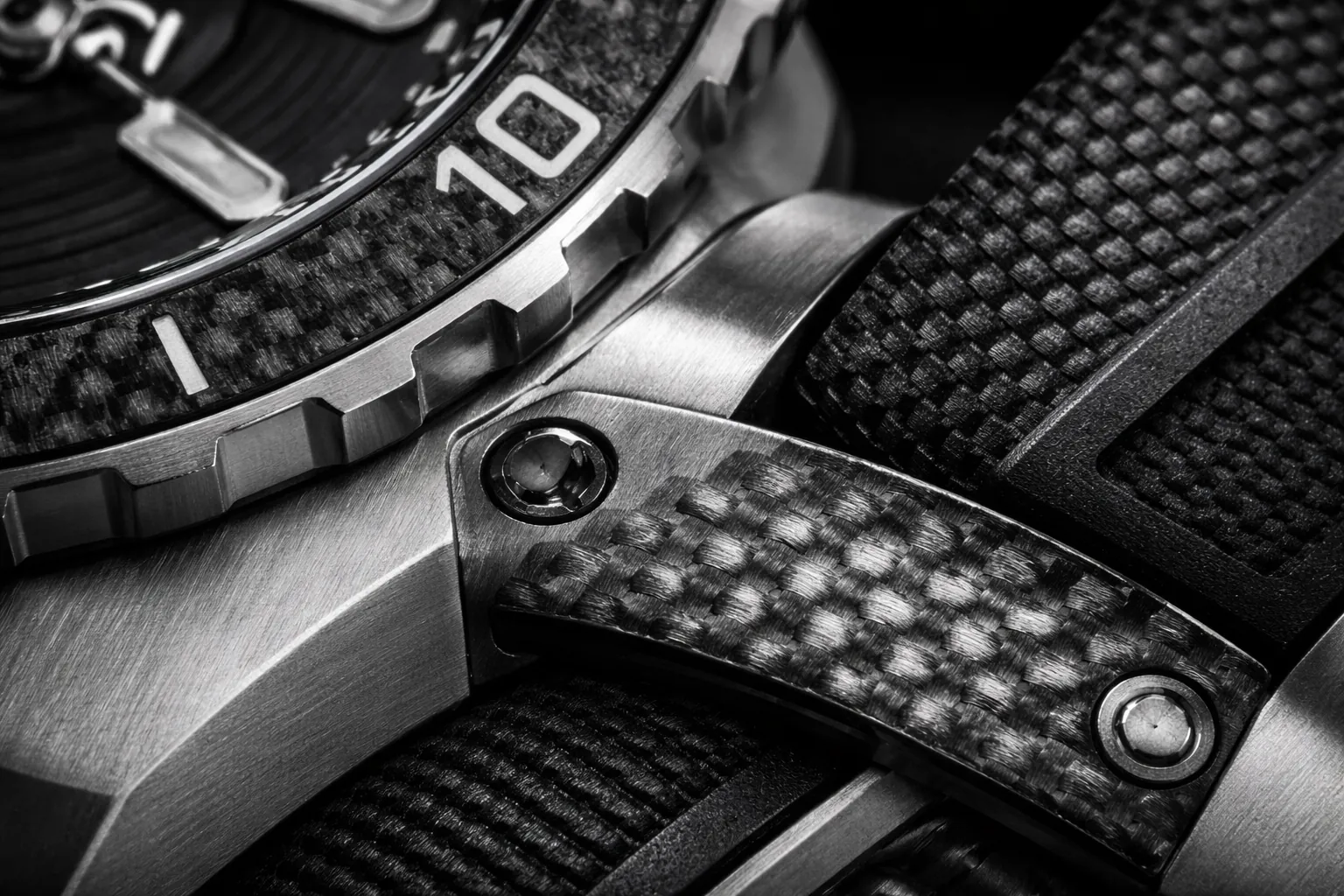
Material Stability and Production Consistency
Advanced materials demand tighter control over production batches. Ceramic color tones, carbon textures, and coated surfaces are more sensitive to variation than steel. As a result, modern material integration places greater emphasis on batch stability and visual consistency, rather than experimental finishes.
This aligns with broader industry observations discussed in Modern TAG Heuer Design Trends , where material evolution follows practical performance requirements rather than novelty-driven change.
Material Integration Across Key TAG Heuer Collections
Aquaracer: Functional Depth and Professional Orientation
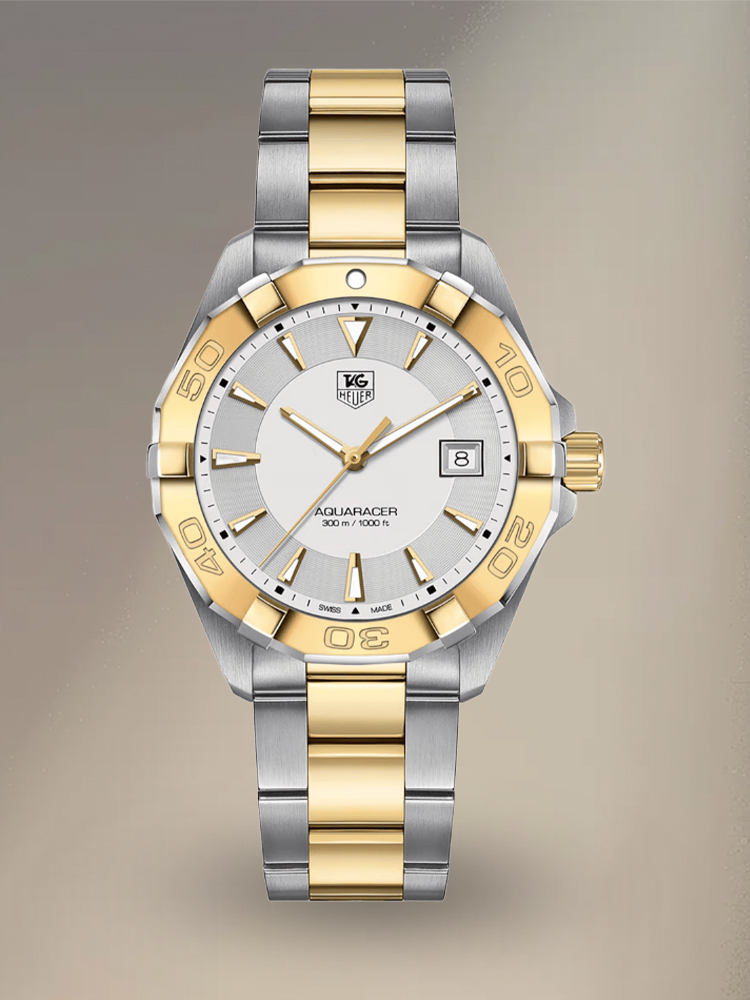
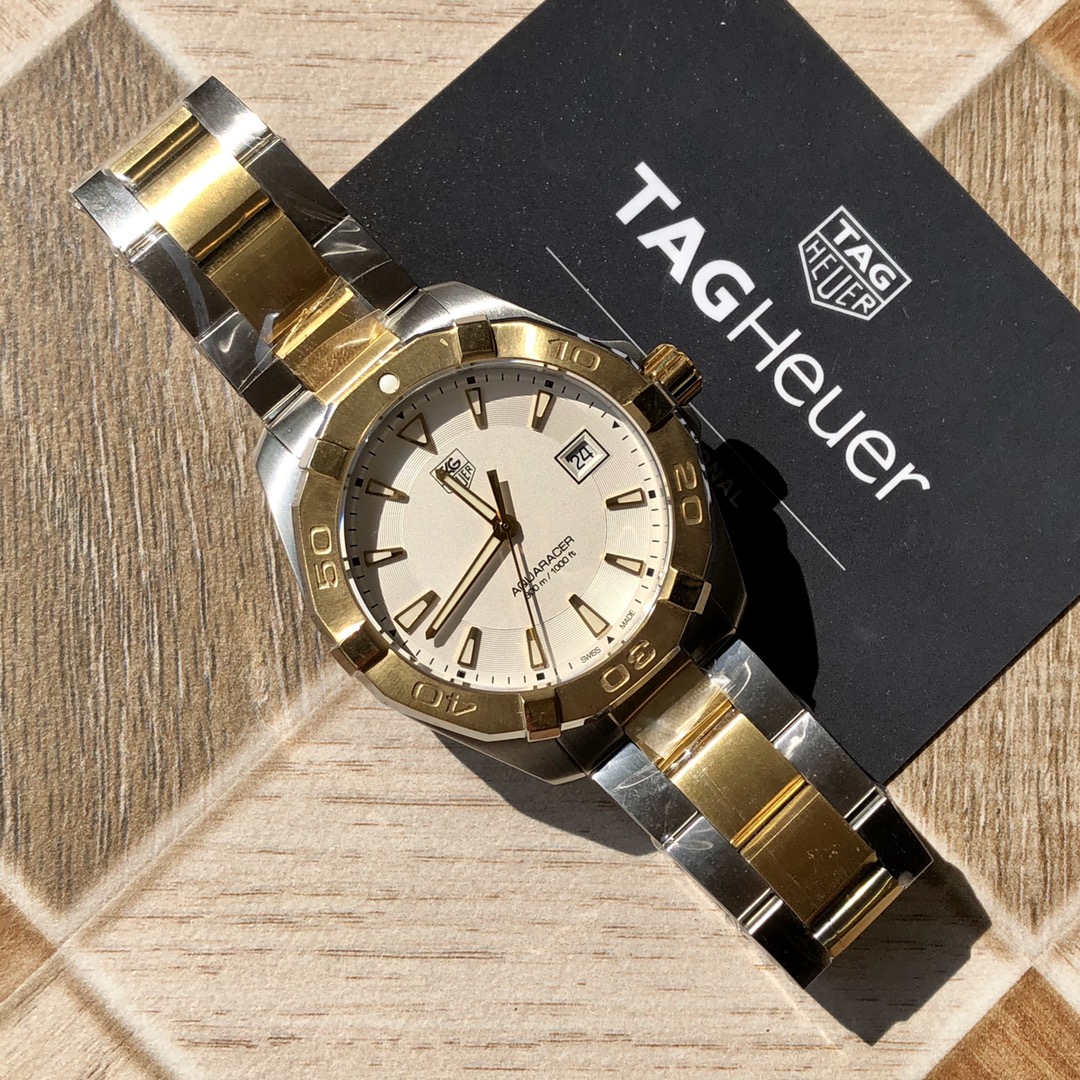
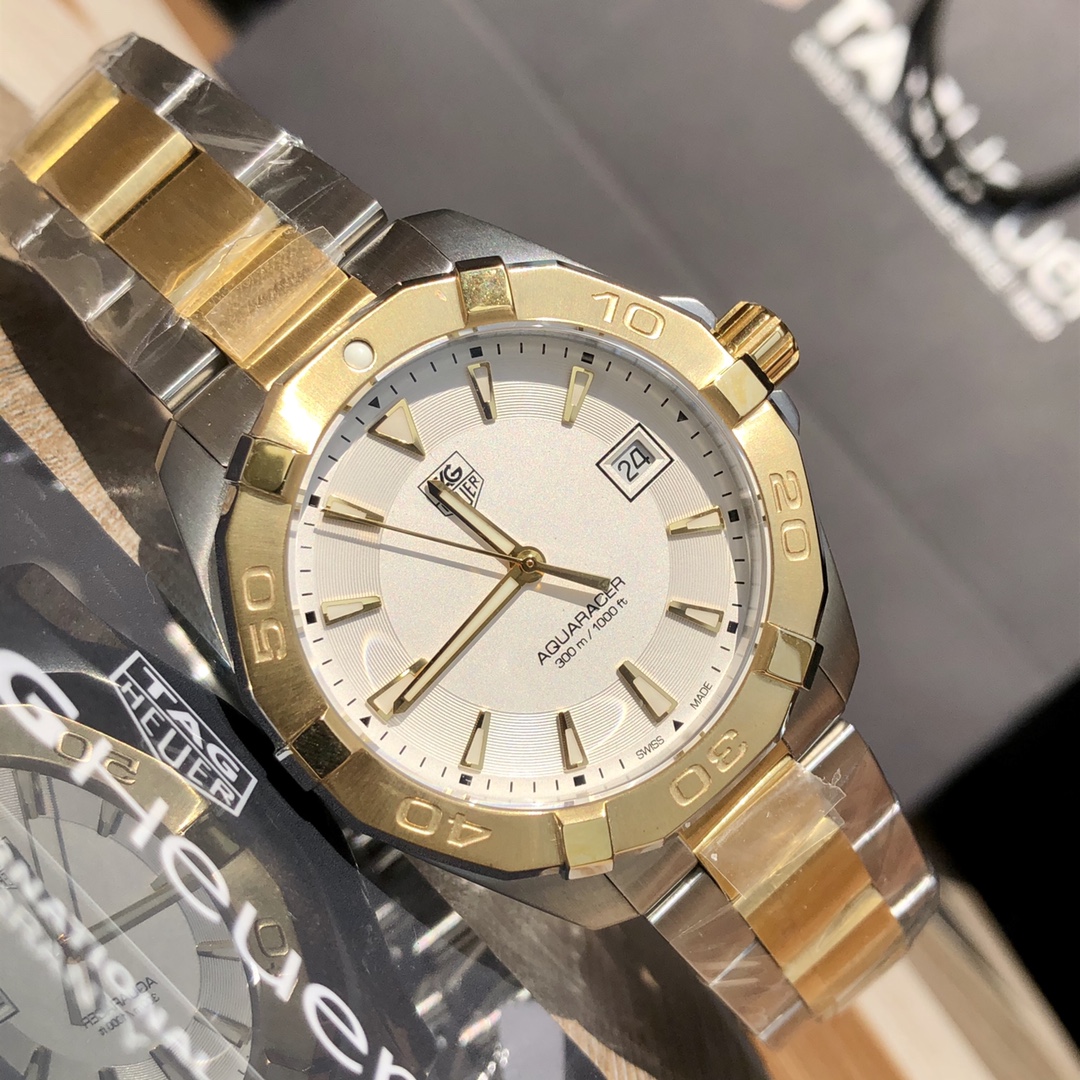
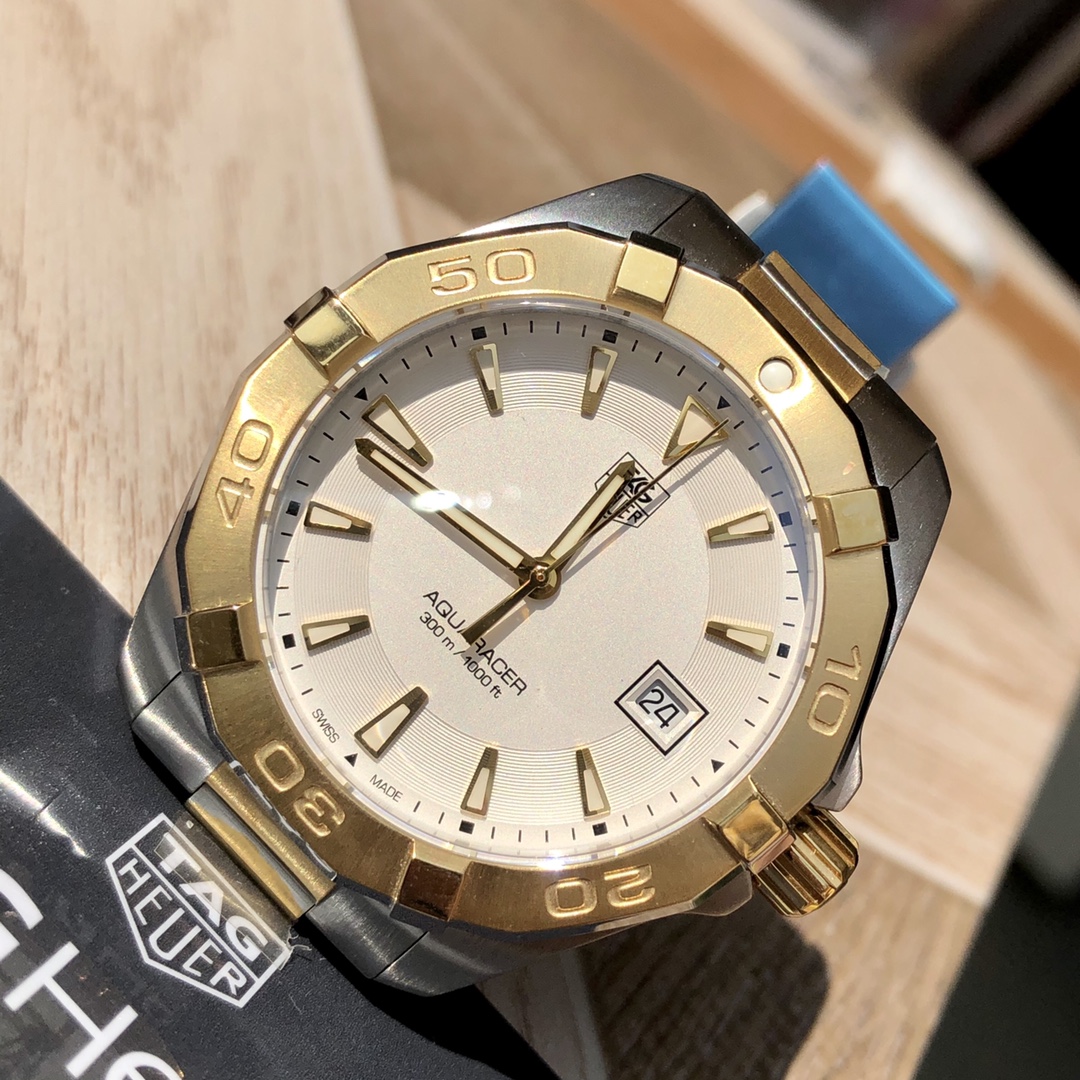
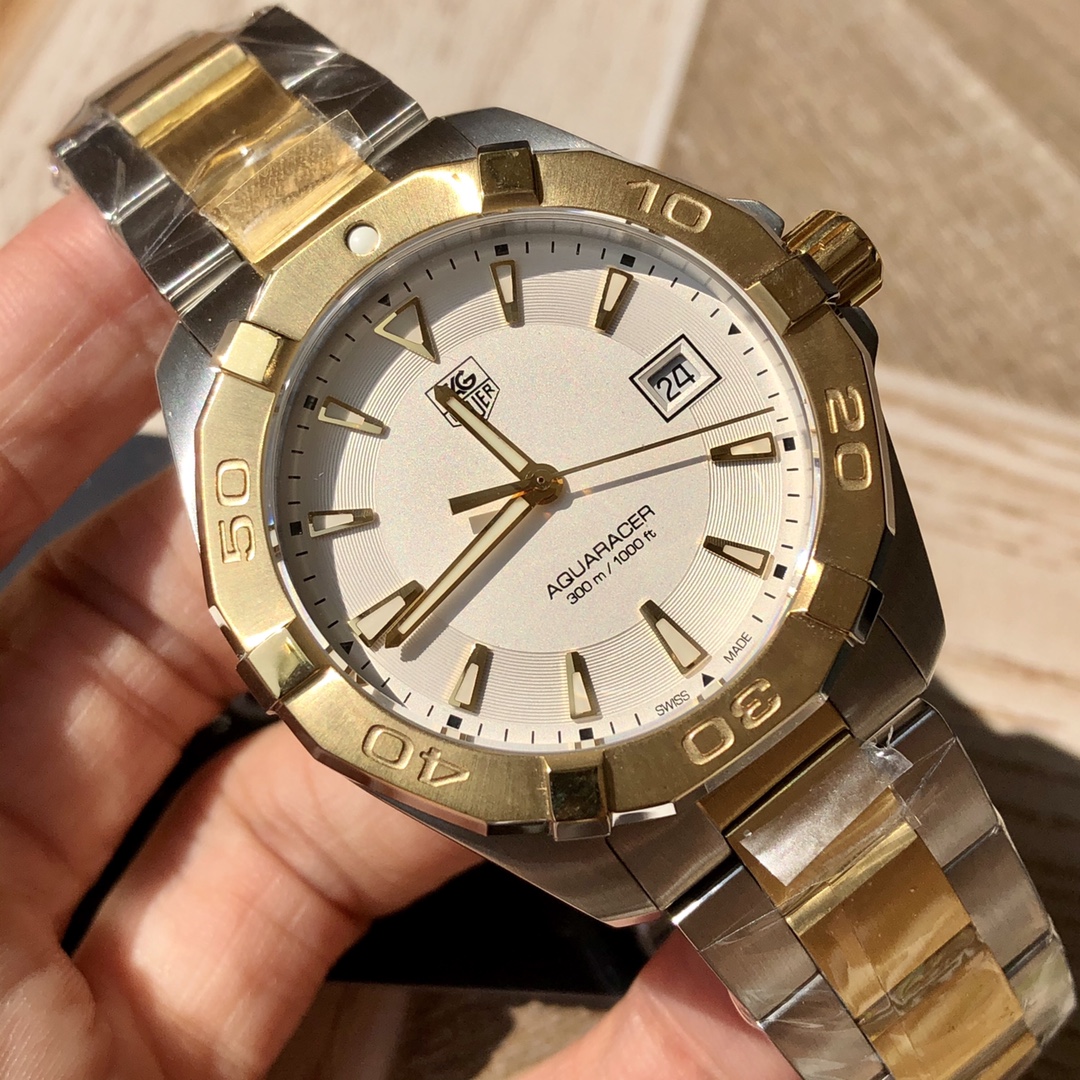
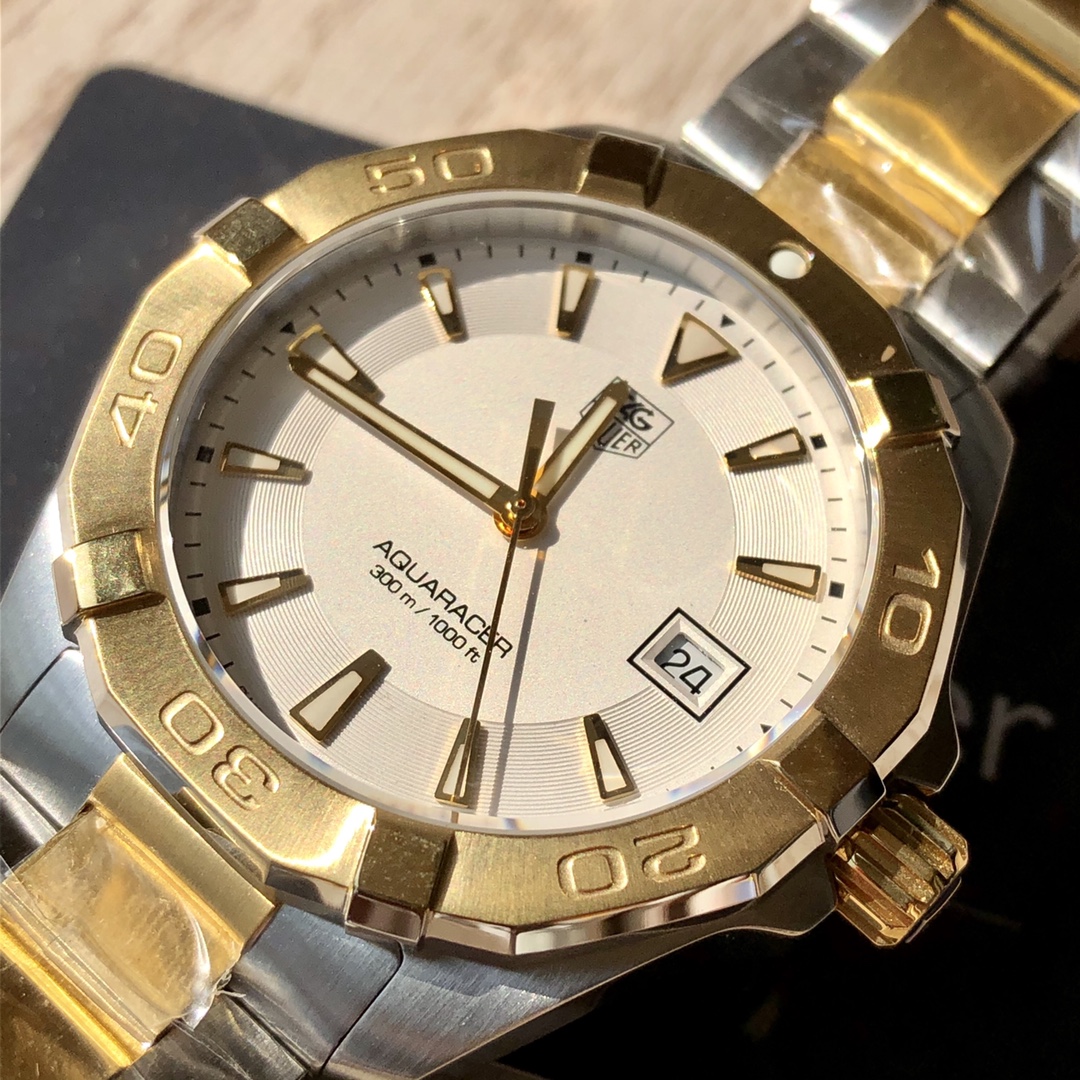
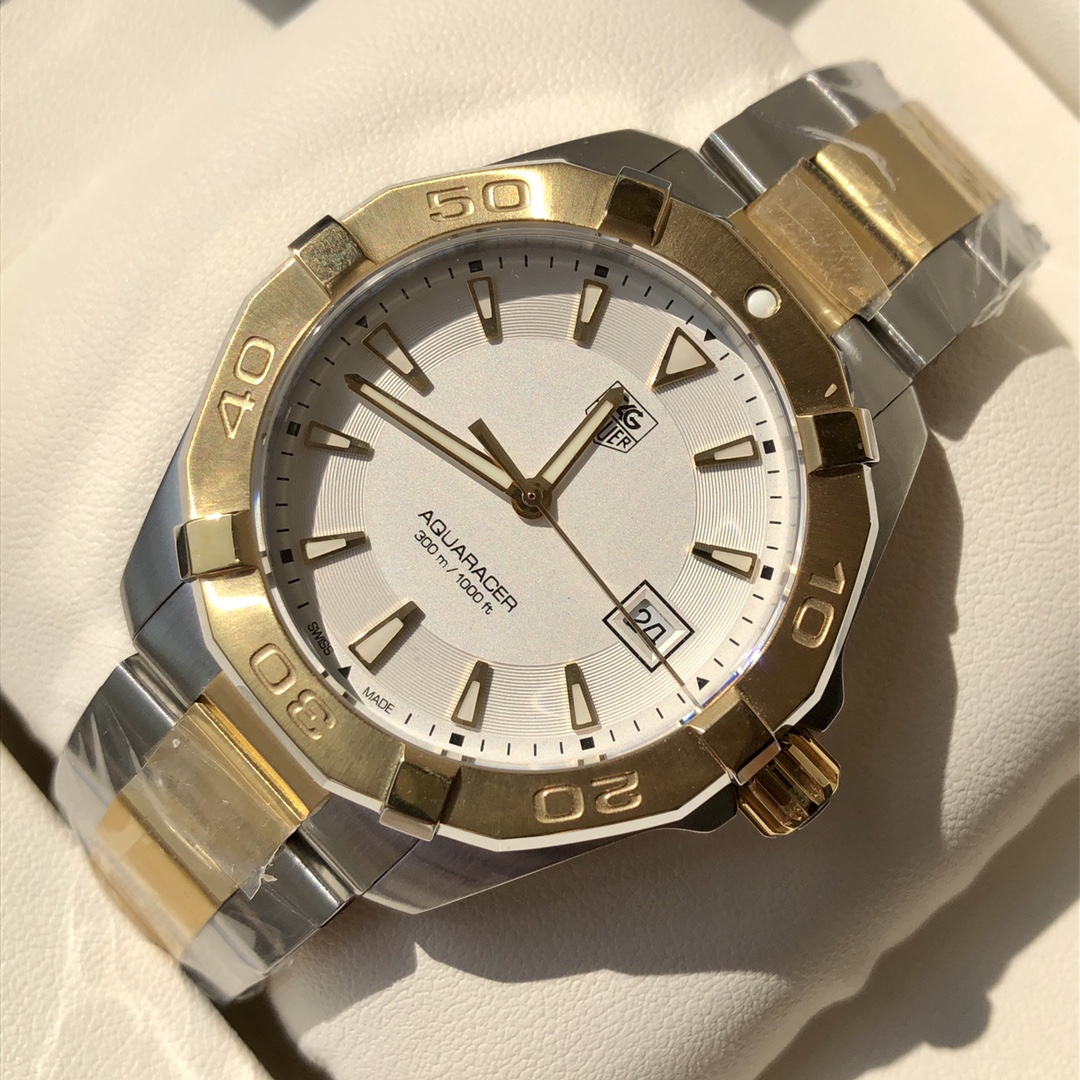
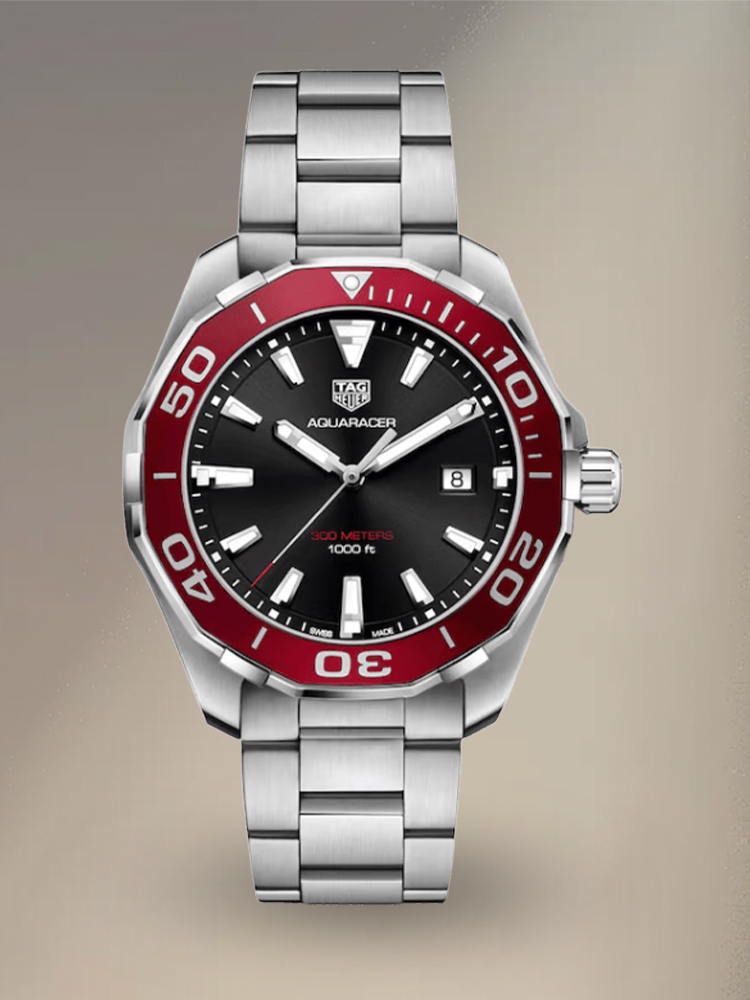
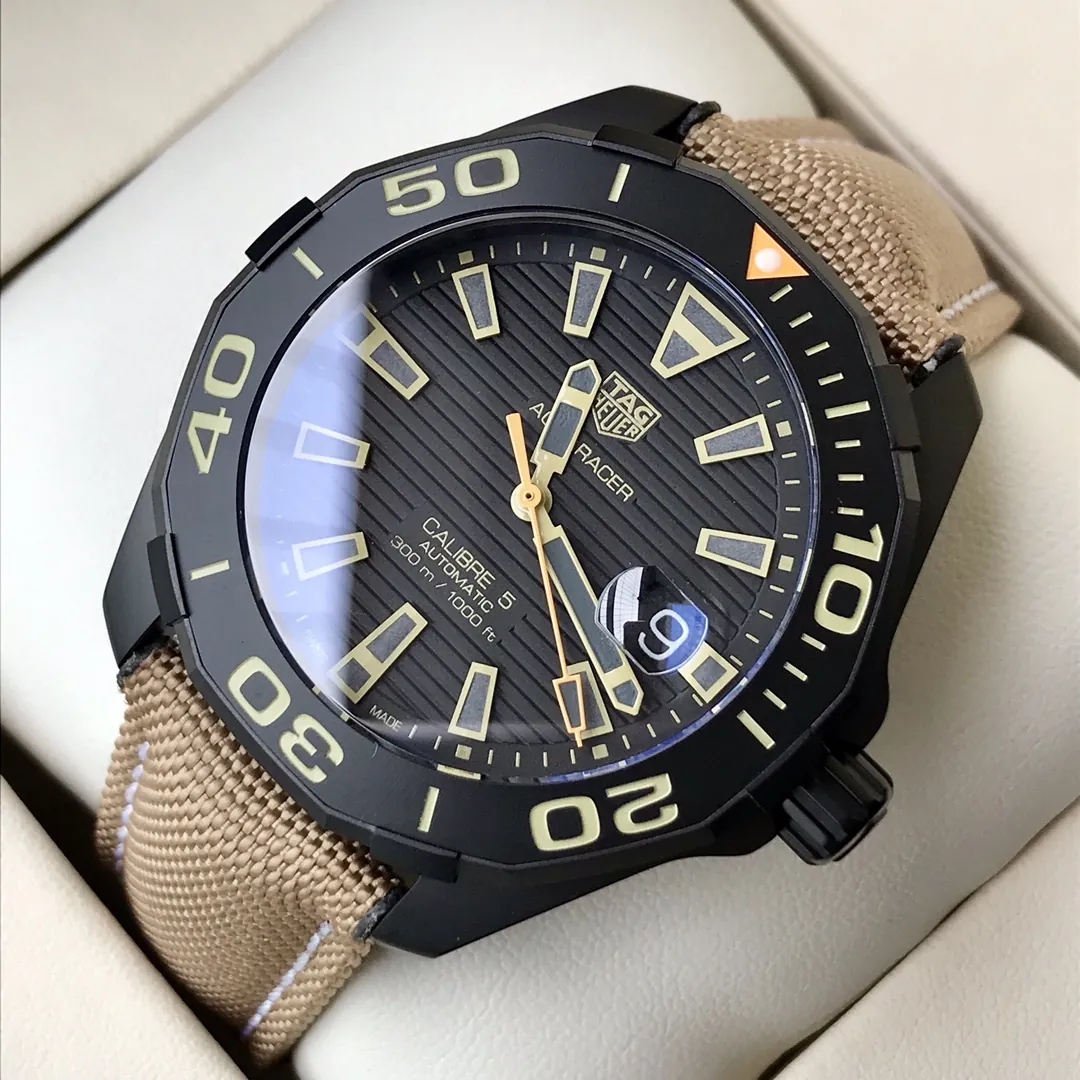
The Aquaracer collection represents the most complete integration of modern materials within TAG Heuer’s lineup.
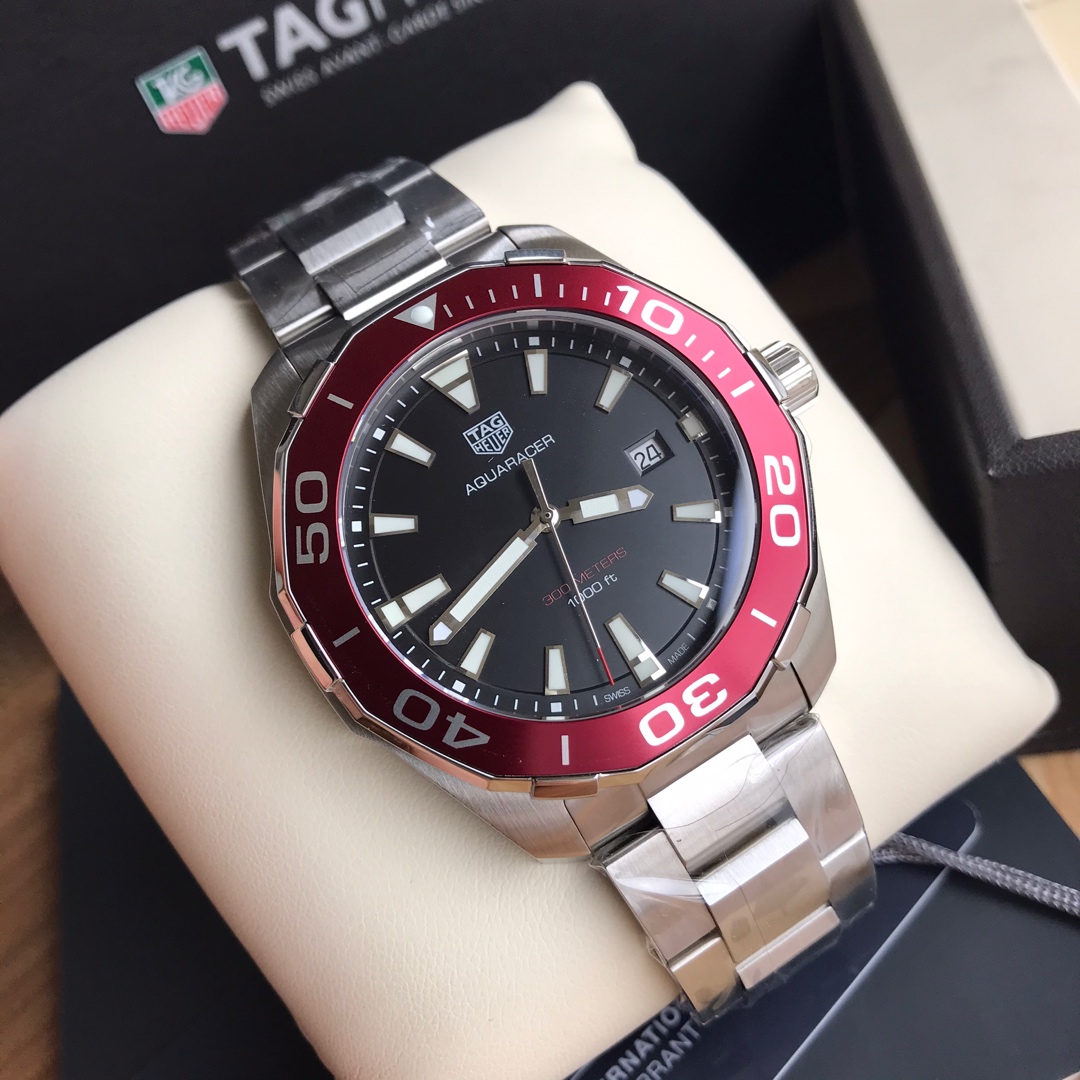
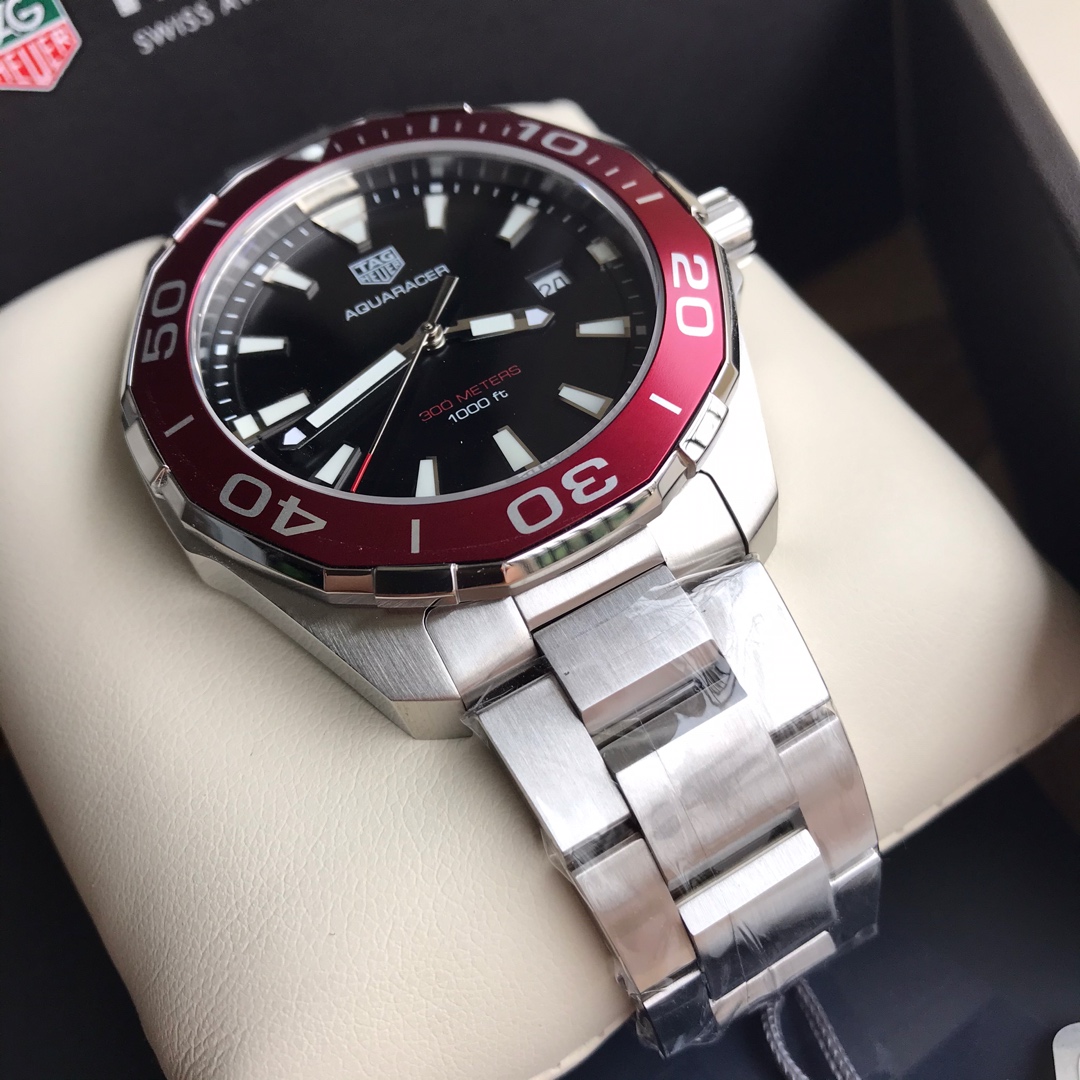
- Ceramic bezels dominate the design, enhancing durability and clarity
- Titanium case options significantly reduce weight
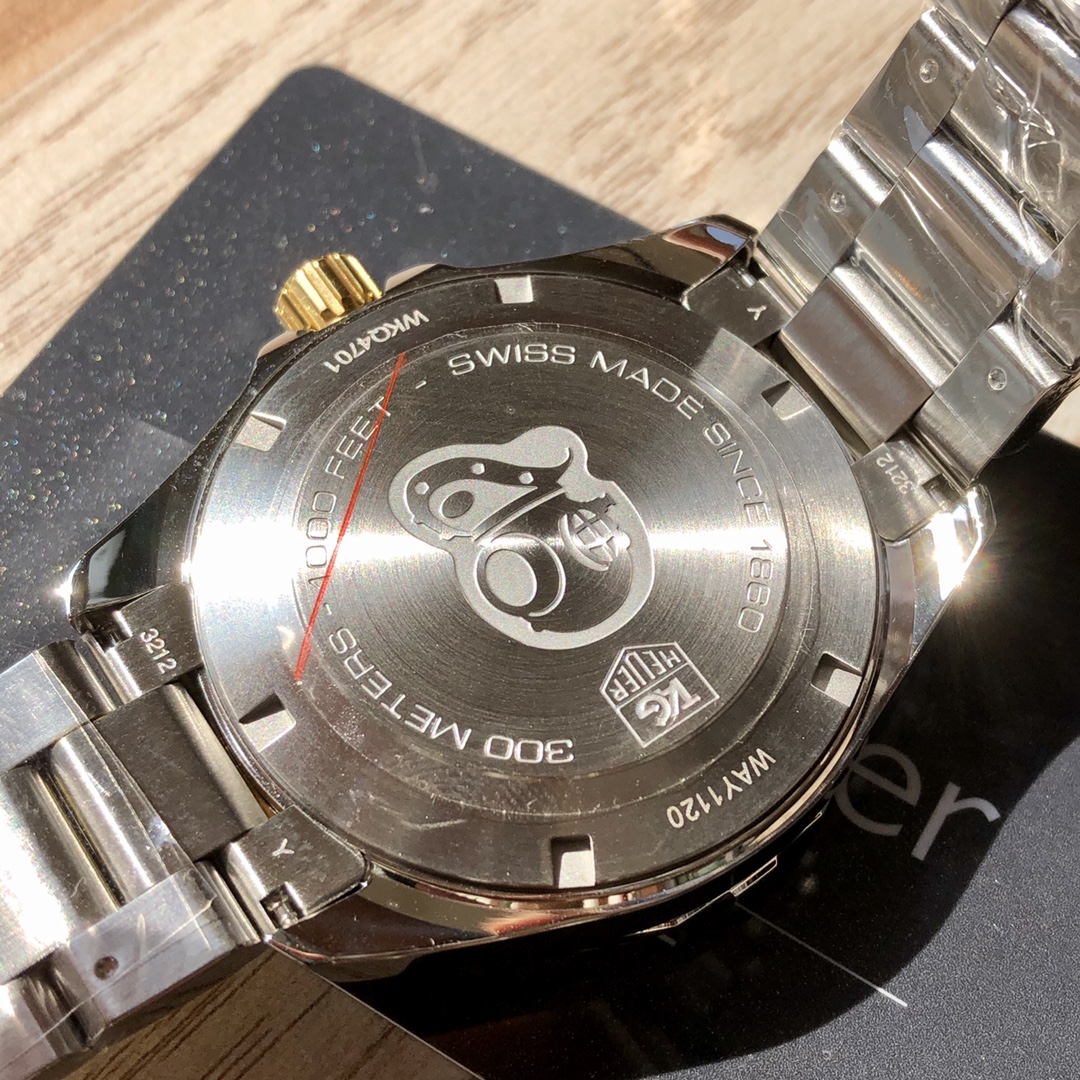
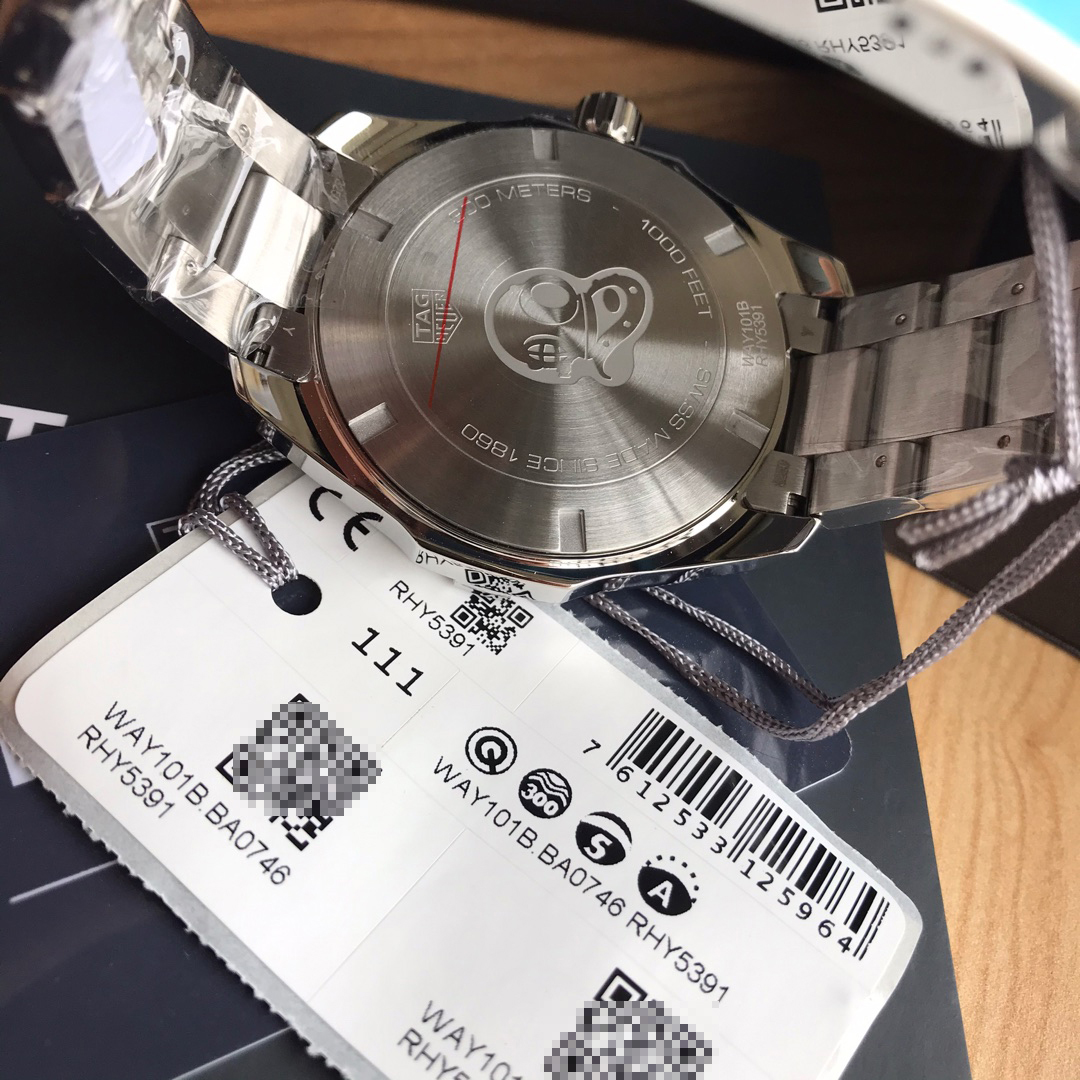
- Most models are engineered around 300-meter water resistance, reinforcing professional dive intent
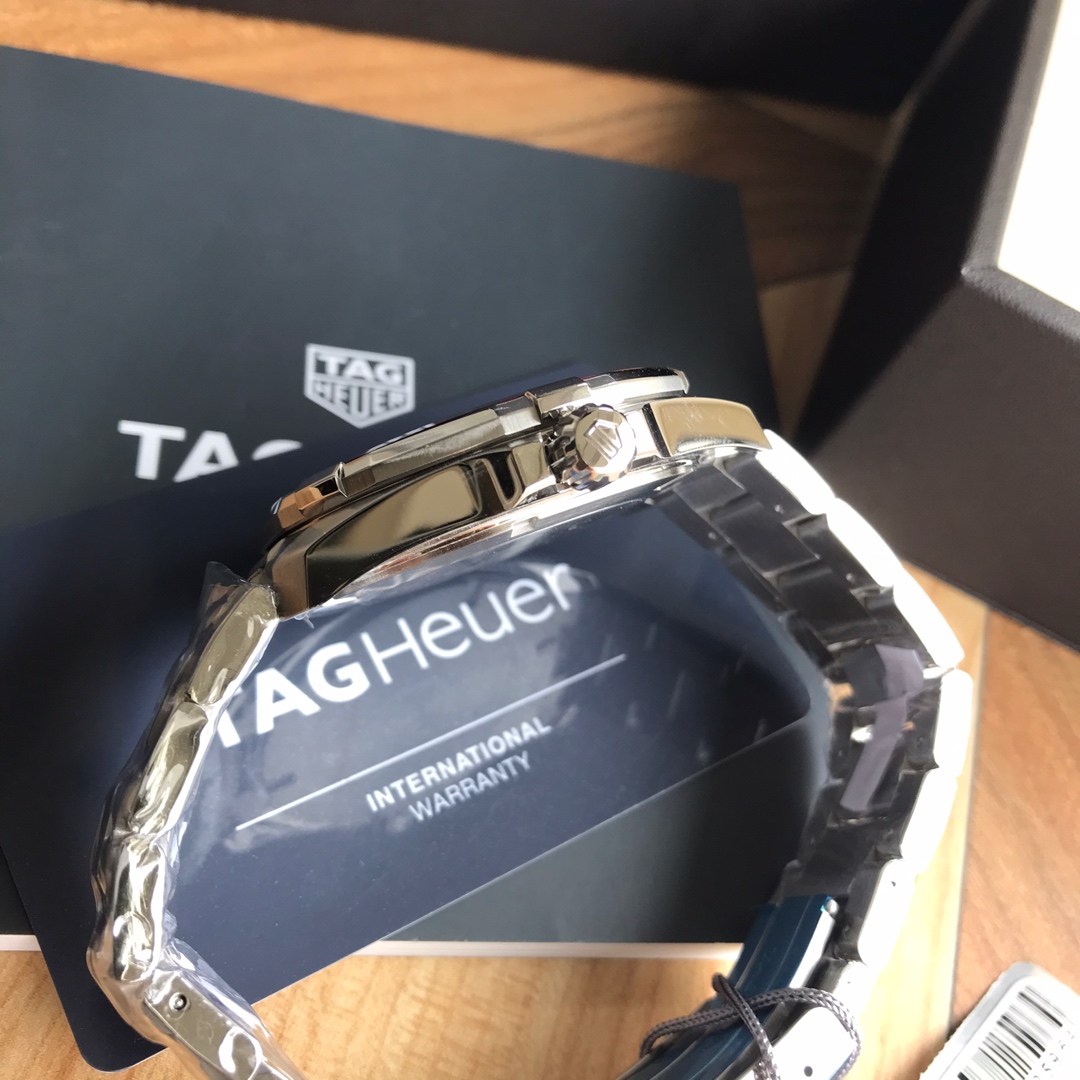
Material layering in Aquaracer designs adds visual depth while preserving balance and legibility, particularly important for underwater and outdoor use. For broader context on wear behavior, see Wearability & Ergonomic Considerations .
Formula 1: Speed, Durability, and Motorsport Logic
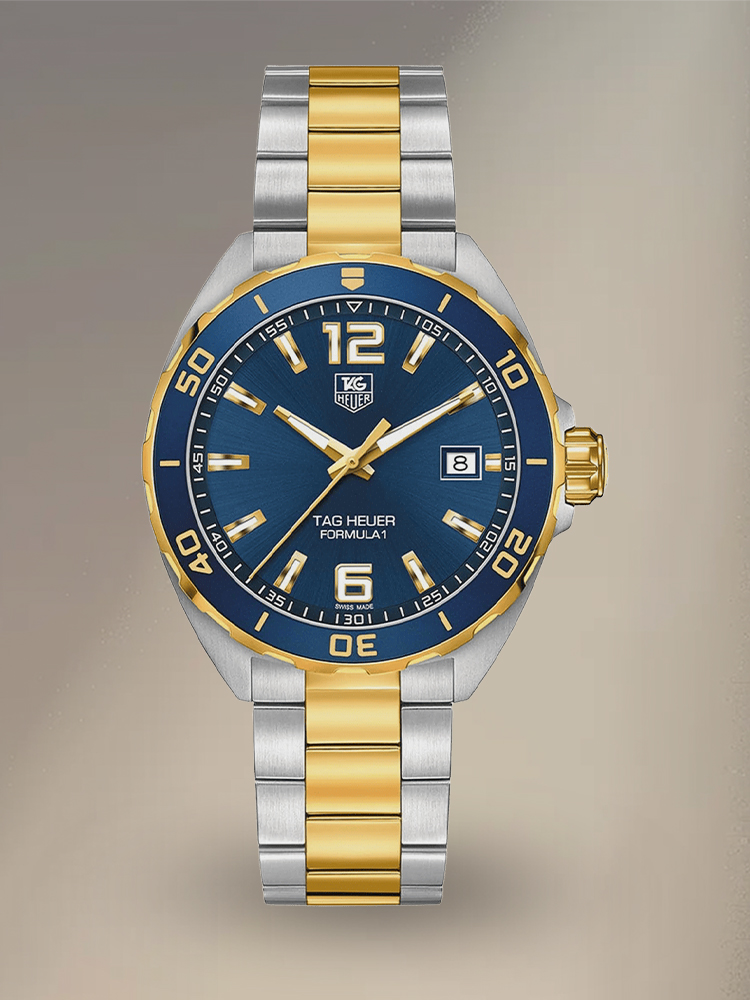
Material choices in the Formula 1 collection emphasize resilience and dynamic aesthetics:
- Titanium cases reduce mass in bold, sporty profiles
- Ceramic elements protect high-contact areas
- Strong contrast and textured surfaces reinforce racing-inspired design language
Here, material integration directly supports the collection’s motorsport identity.
Carrera: Precision-Oriented Material Strategy
In the Carrera series, advanced materials serve a more refined purpose:
- Carbon fiber and composites reduce overall weight
- Lower inertia improves chronograph interaction and balance
- Material contrast visually separates functional zones on the dial
These choices align with Carrera’s focus on timing precision and mechanical clarity rather than rugged durability.
Ergonomics as the Central Design Priority
Across all major TAG Heuer collections, material integration ultimately serves a single objective: improving wearability.
Key ergonomic outcomes include:
- More even weight distribution across the wrist
- Reduced pressure points during prolonged wear
- Enhanced stability during daily movement
Rather than prioritizing novelty, modern TAG Heuer design uses materials as engineering solutions to ensure comfort scales alongside size and functionality. A related perspective is available in Bracelet Integration and Comfort .
Industry Context: Material Trends and Real-World Use
The Evolution of Materials in Modern Watchmaking
In contemporary watch production, the widespread adoption of ceramic, titanium, and carbon fiber/composites reflects a fundamental shift that has fully extended from genuine luxury brands into the high-end replica segment. The driving force is clear: modern watches are no longer occasional luxury accessories — they are daily tools and constant companions. Users now expect far more than visual appeal; they demand predictable long-term performance, resistance to everyday wear, and genuine wearing comfort.
TAG Heuer, as a leader in sports chronographs, provides a clear technical reference framework for replica watches: material choices must prioritize real-world functionality and long-term visual and structural stability rather than exaggerated marketing claims such as “perfect 1:1” or “indistinguishable from genuine.”
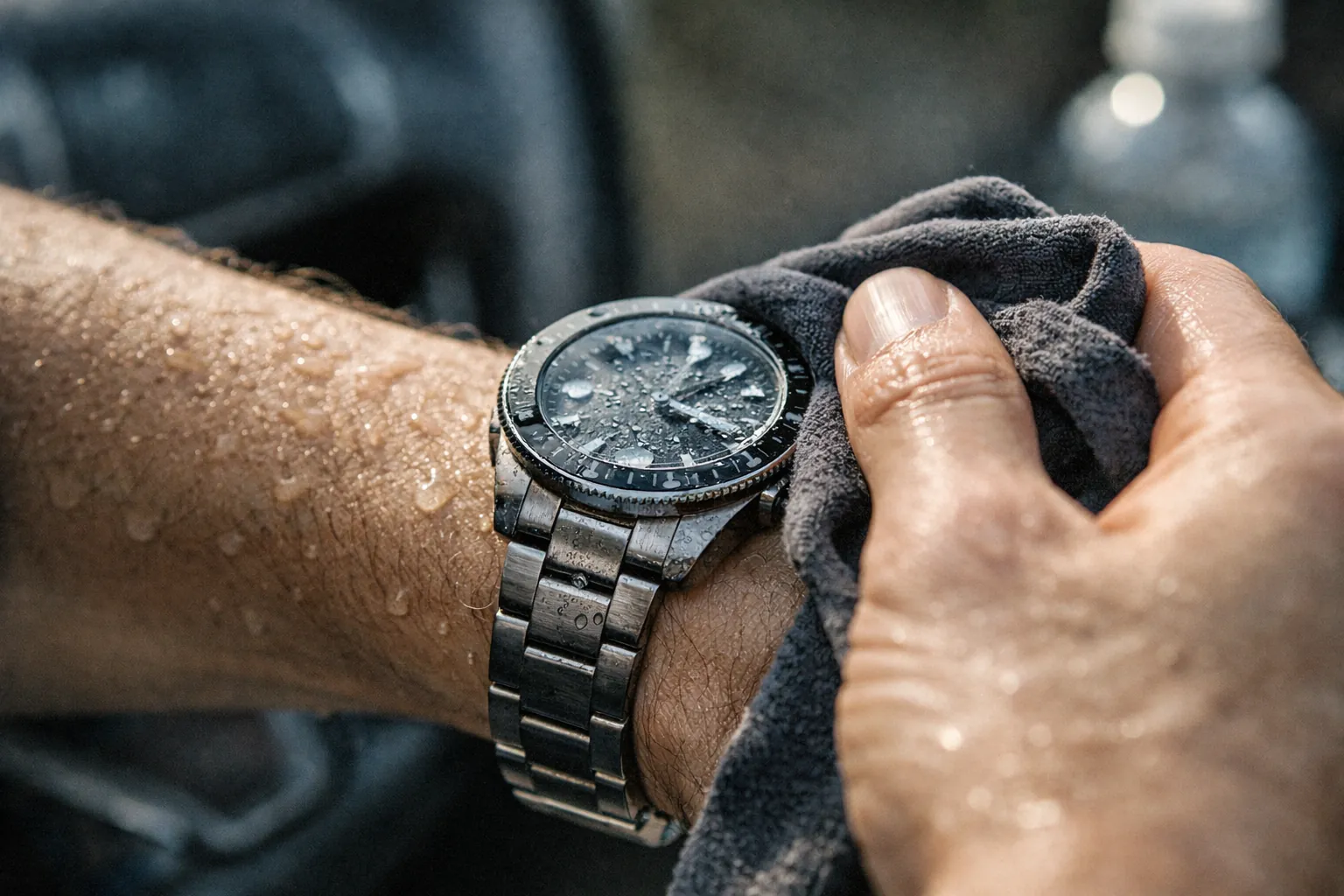
Core Value of Materials in Real-Life Scenarios
Ceramic
Real-World Advantages: Exceptional hardness (Mohs 9, second only to sapphire), superior scratch resistance compared to 316L stainless steel, and maintains its finish even after frequent daily knocks.
Replica Application: Ceramic bezels have become standard in Aquaracer and Formula 1 series replicas. Stable batches deliver near-original matte/gloss contrast and smooth unidirectional rotation feel.
Long-Term Performance: Excellent color stability — resistant to fading from sweat, UV exposure, or chemicals — making it ideal for frequent daily wear and outdoor activities.
Titanium
Real-World Advantages: Approximately 60% the weight of steel, outstanding corrosion resistance (virtually immune to rust in seawater or sweat), and high biocompatibility (almost no skin irritation).
Replica Application: Titanium cases in Monaco, Carrera, and select Aquaracer models offer significantly improved wearing comfort and balanced weight distribution. Replicas faithfully reproduce the matte industrial finish through precise brushing and sandblasting.
Long-Term Performance: Surface scratches remain shallow and are easily polished out, maintaining a fresh appearance even after years of regular wear.
Carbon Fiber & Composites
Real-World Advantages: Outstanding strength-to-weight ratio, superior shock and impact resistance — perfect for high-intensity sports and racing-inspired designs.
Replica Application: Carbon fiber dials or reinforced elements appear in Formula 1 and select Carrera limited editions, with forged carbon textures delivering authentic motorsport visual impact while reducing overall weight.
Long-Term Performance: Excellent fatigue resistance — no structural loosening from repeated vibrations — ideal for both collection and rotation wear.
Material Selection Logic in Replica Watches
In the replica supply chain, materials serve not only as tools for visual authenticity but also as critical factors determining batch stability and after-sales friendliness:
- High-Stability Batch Priority — Ceramic and titanium batches typically achieve higher pass rates (96%–99%) with minimal color/texture variation and low return rates.
- Weight & Wearing Balance — Titanium and carbon fiber effectively eliminate the “top-heavy” feel common in larger steel cases, delivering a more authentic wearing experience.
- Transparency — Reputable replica platforms clearly disclose material types, surface treatments, and known limitations (e.g., ceramic brittleness under extreme impact, shallow marks on titanium), helping users set realistic expectations.
- Long-Term Serviceability — These materials require minimal daily maintenance, and components (bezels, cases, etc.) are easier to replace during after-sales service.
Conclusion: Material Integration as Applied Design Engineering
Ceramic, titanium, and advanced composites are not superficial enhancements in modern TAG Heuer watches. They are deliberate design decisions shaped by ergonomics, durability requirements, and real-world wear behavior. When integrated correctly, these materials enhance both functional performance and long-term ownership experience.
Understanding these strategies clarifies why modern TAG Heuer watches feel different on the wrist—and why that difference is intentional.
In modern TAG Heuer design, ceramic supports long-term surface stability and bezel clarity; titanium targets weight balance and comfort; advanced composites are applied where reduced mass and functional separation matter most.